12677
Where fruits grow (37 photos)
Most recently, I told you how and where bananas and pineapples grow.
Let's learn about other exotic fruits and more.
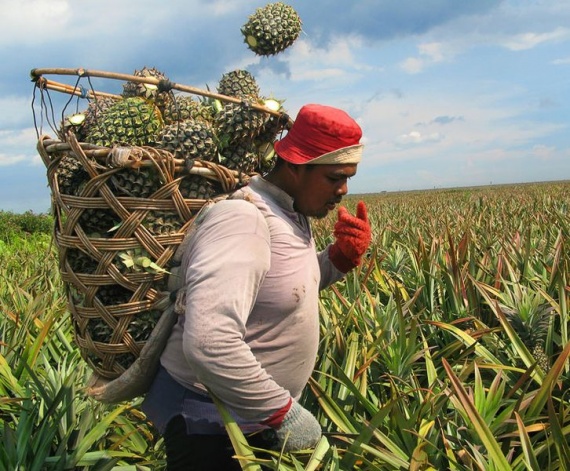
How bananas grow
Bananas are native to the tropics of Southeast Asia. As food, bananas are cultivated in the tropics. At temperatures below 16 C, growth slows down significantly, and at 10 C, it stops altogether.
Contrary to popular belief, bananas do not grow on palm trees. The banana plant is a 5-meter-high grass that looks like a palm tree. With a thick, up to 20 centimeters grassy trunk.
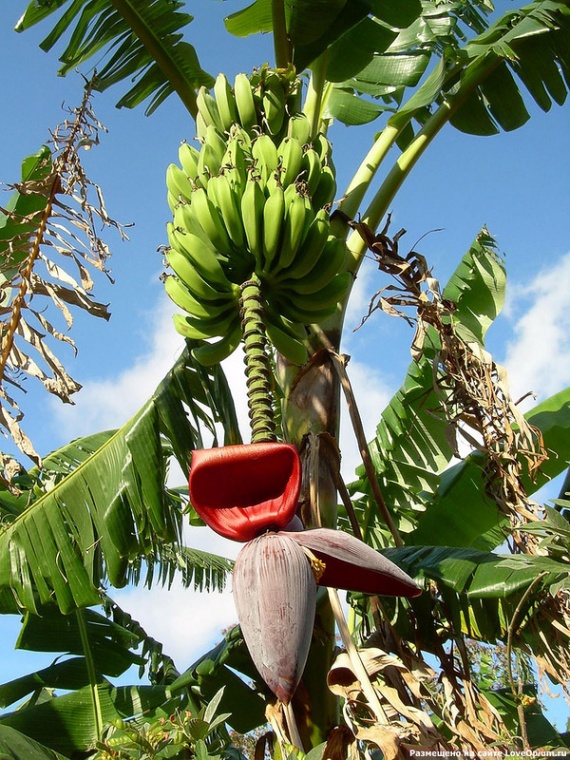
In Russia, bananas grow in the vicinity of Sochi, but the fruits do not ripen to a state of edibility.
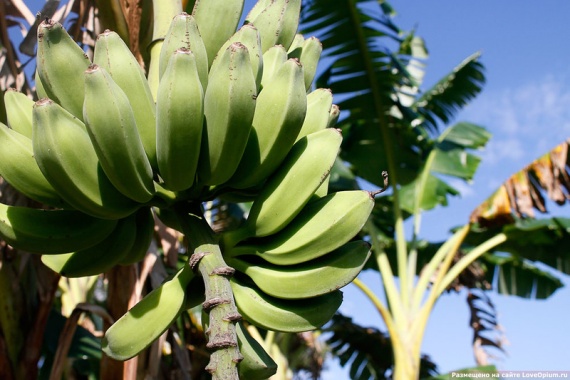
How olives grow
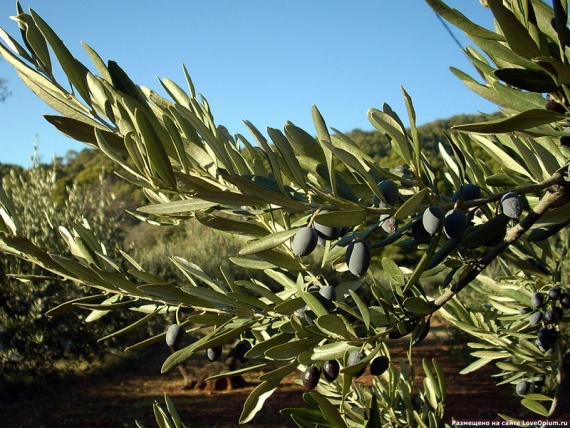
Olives are the fruits of a cultivated species of the oil tree - European olive. It is an evergreen subtropical tree 4-5 (10-12) meters high. (Photo by Francesco Quarto):
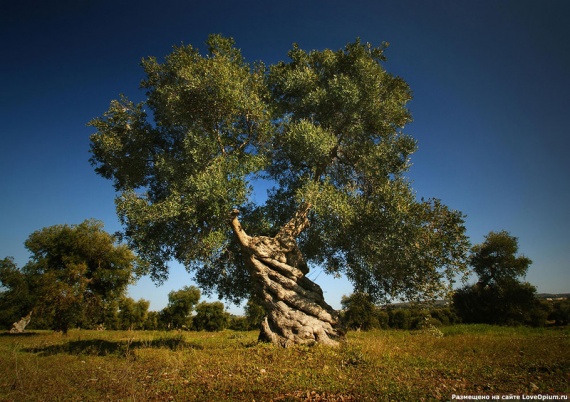
According to international terminology, there are black olives, the ripe fruits of the olive tree, and green olives, the unripe fruits of the olive tree. In Russia, olives are called green fruits (unripe), black olives are called olives (ripe). Such a division exists only in Russia.
How avocado grows
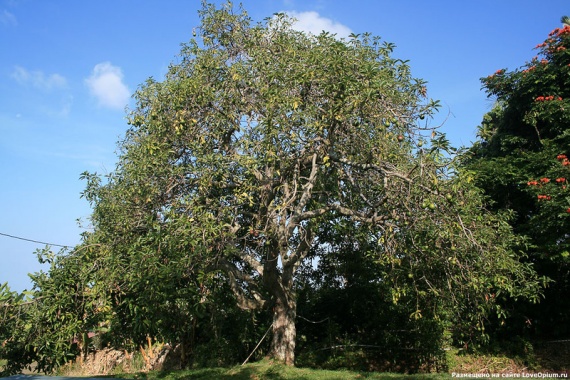
The English name for the avocado tree and the fruits of the same name is alligator pear ("alligator pear"). Avocado is a fast-growing tree that reaches a height of 18 meters. The trunk is usually straight, strongly branched.
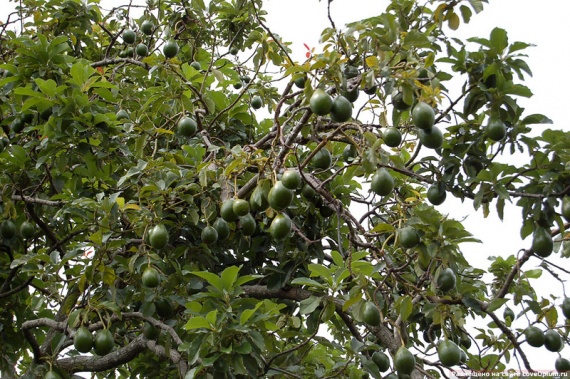
Avocado is an oval or spherical fruit, often similar to a pear 5–20 cm long, weighing 0.05–1.8 kg.
Where durian grows
Durian is a tropical tree of the Malvaceae family, the fruit of which is a fruit famous for both its taste and smell. Durian is native to Southeast Asia.
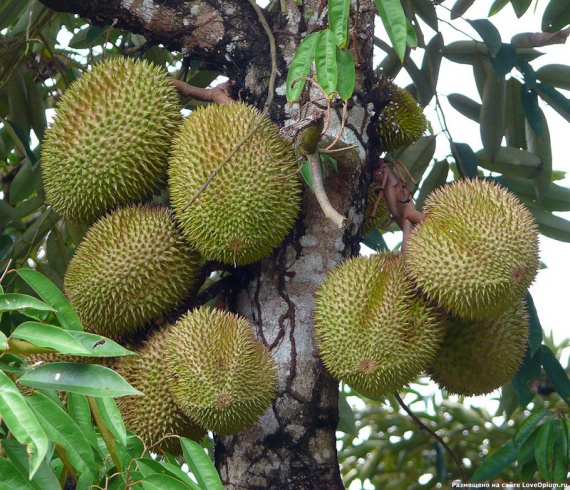
Durian grows on tall trees up to 45 meters tall.
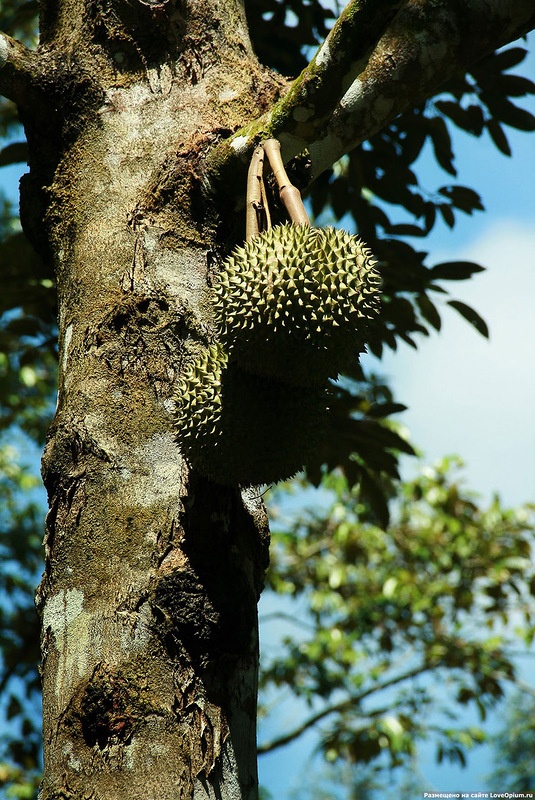
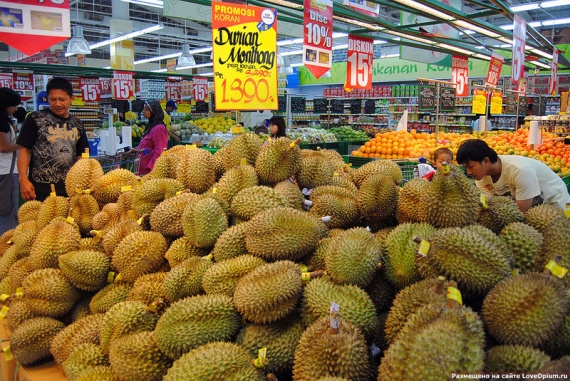
These are great fruits. They weigh more than 5 kg, have a very hard shell covered with spines. To understand the scale of durian. (Photo by the Herald)
How watermelons grow
Watermelon is a plant of the pumpkin family. Watermelon is native to South Africa, where it is still found in the wild. Watermelon was often placed in the tombs of pharaohs as a source of food in their afterlife. Watermelons were brought to Western Europe during the Crusades.
Watermelons grow almost like cucumbers. The fields are called melons, on which long lashes stretch along the ground. Watermelons are formed on them:
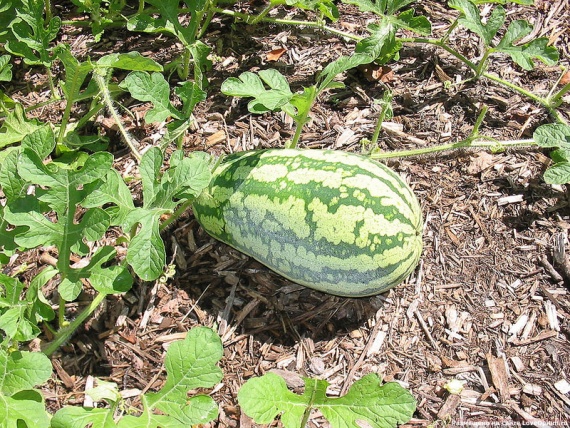
Interesting fact: the world record for the weight of watermelons is approximately 119 kilograms. (Photo by Kderty):

How mangoes grow
Mango is a genus of tropical plants and the name of a fruit with a sweet taste and fibrous structure. This plant is one of the national symbols in India and Pakistan.
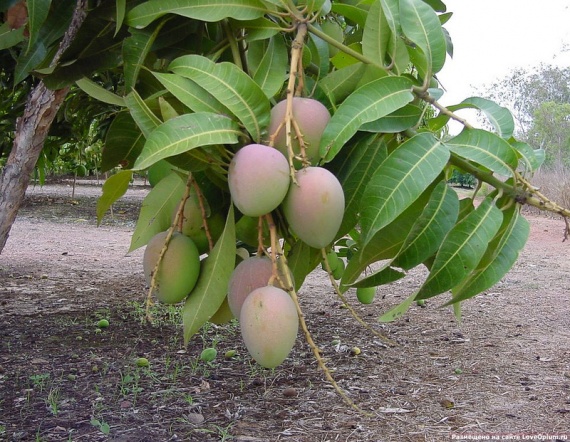
The evergreen mango tree is 10-45 meters high; The crown of the tree reaches a radius of 10 meters. Flowering Mango Tree:
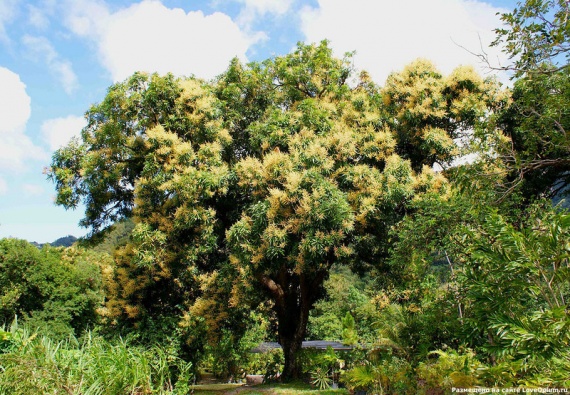
Mature fruits hang on long stems and weigh up to 2 kg.

Where do dates grow?
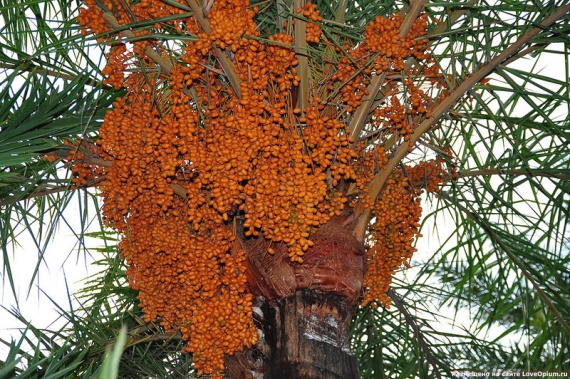
As you might guess, dates grow on a date palm. Since ancient times, dates have been used by humans as a highly valuable food product. They are usually sold as dried fruits.
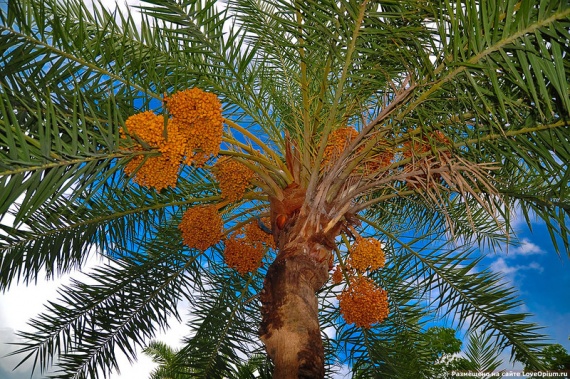
The date palm was cultivated in the IV century BC in Mesopotamia, on the territory of which modern Iraq is located. The date palm brings high yields for 60-80 years.
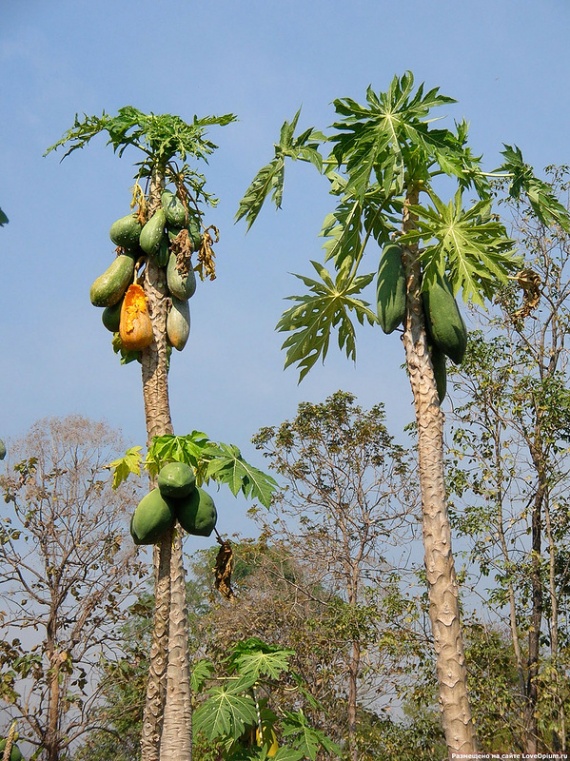
How papaya grows
Papaya is native to southern Mexico, Central America and northern South America, but it is now grown in all tropical countries.
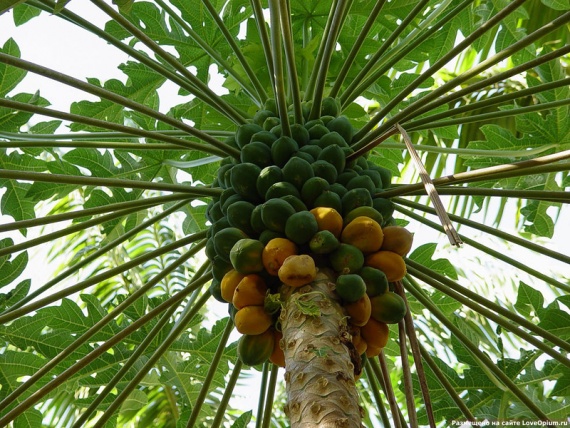
Papaya, or melon tree, is a short slender tree with a thin, branchless trunk 5-10 meters high. The flowers develop in the axils of the leaves, turning into large fruits, 10–30 cm in diameter and 15–45 cm long.
How a plum grows
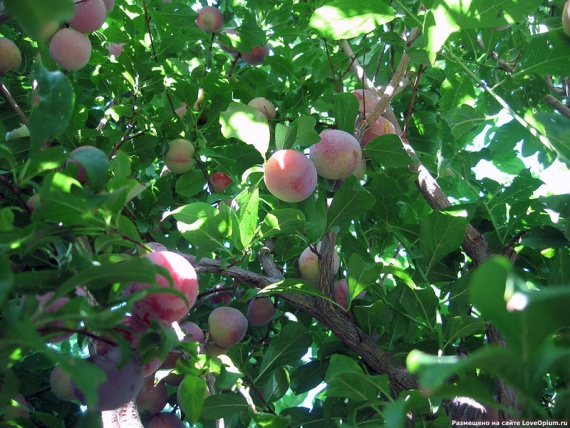
In total, several hundred species of plums are known, distributed mainly in the northern temperate regions of the globe.
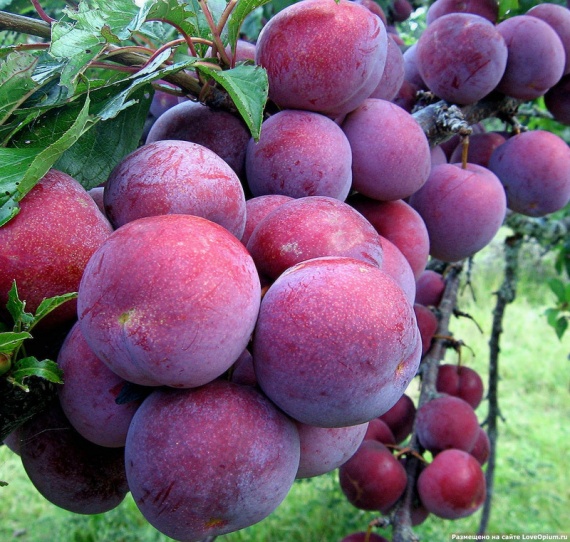
The plum tree is usually up to 6 meters high:
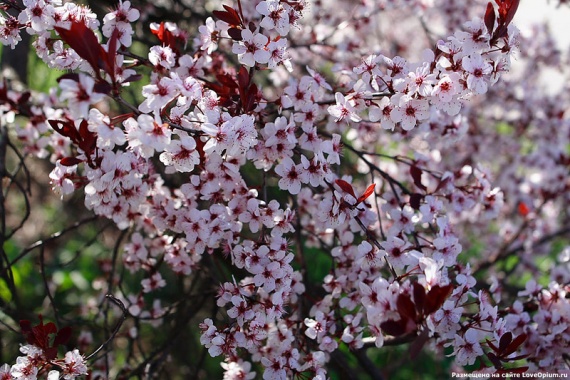
Plum blossom tree:
How grapefruit grows
Grapefruit is a subtropical evergreen tree of the citrus genus. The first to tell the world about grapefruit was the botanist-priest Griffiths Hughes in 1750. (Photo by CLHyke):
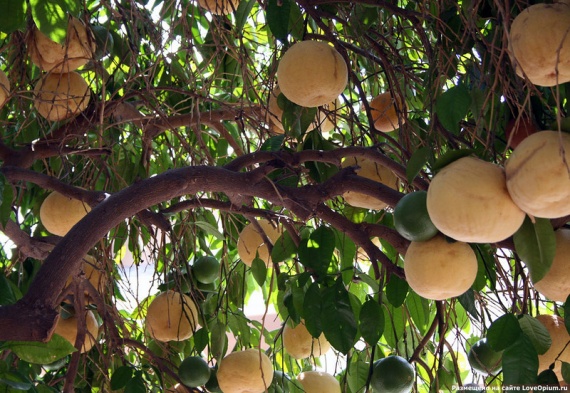
The name is derived from the English grape (grape) and fruit (fruit), as the fruits of grapefruit are often collected in clusters, thereby resembling bunches of grapes.
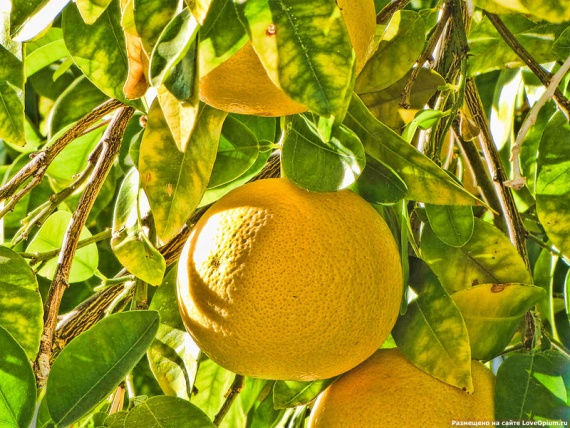
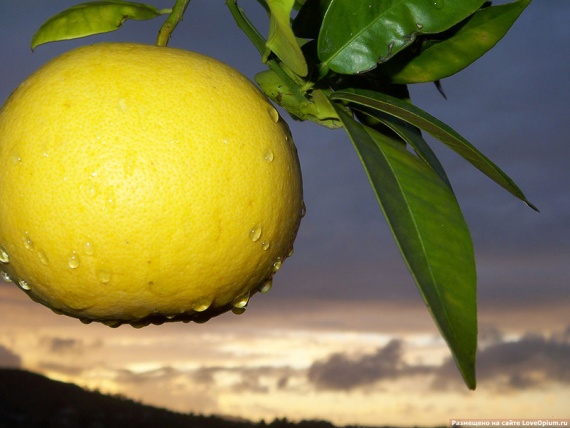
An evergreen tree is usually about 5-6 m tall, but there are cases when the height of the tree reached 13-15 m. Fruits reach a diameter of 10-15 cm. (Photo by Sarah Biggart):
Where pomegranate grows
Pomegranate is a genus of shrubs and small trees with thorny branches, reaching a height of 5-6 meters.
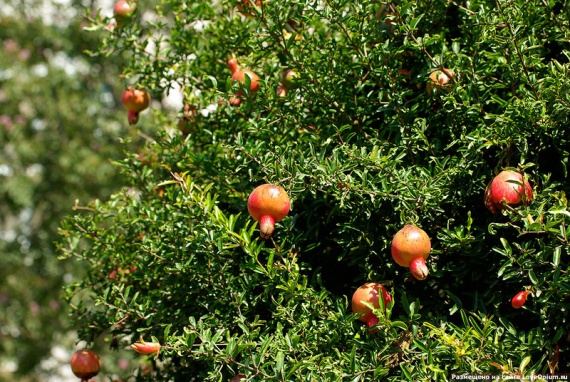
50-60 kg of fruits are usually harvested from one tree. The tree lives about 100 years.
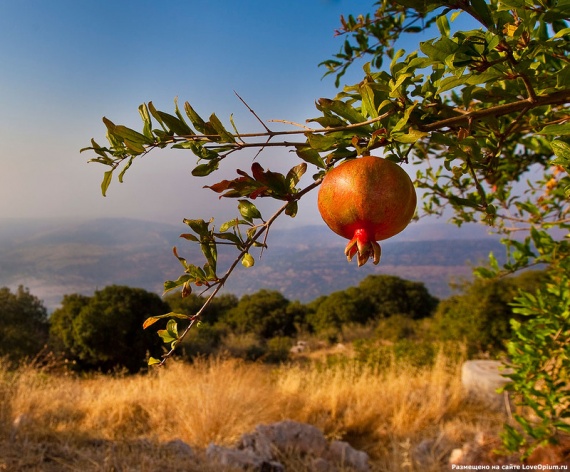
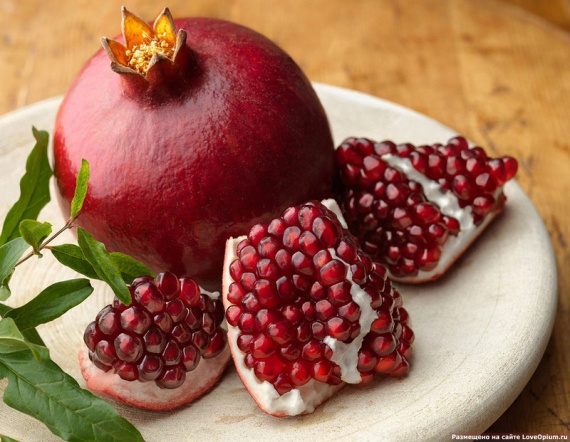
Pomegranate comes from Persia, and its name means "grainy", "faceted" in Latin. According to an ancient legend, pomegranate has exactly the same number of seeds as there are days in a year. But in fact, pomegranate can contain more than a thousand seeds.
Where the coconut grows
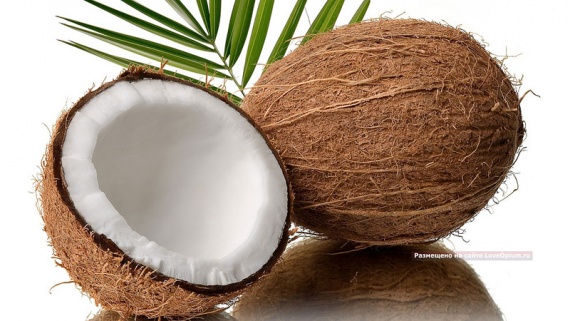
The scientific name of the genus comes from the Portuguese word coco ("monkey") and is given because of the spots on the nut that make it look like a monkey's face. The homeland of the coconut palm is not known for sure - presumably, it comes from Southeast Asia (Malaysia). Now it is ubiquitous in the tropics of both hemispheres.
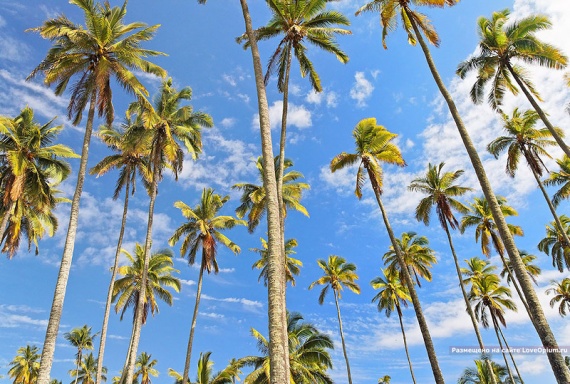
The coconut palm is a tall tree (up to 27-30 meters). The trunk is 15-45 cm in diameter, the leaves are 3-6 meters long:
Coconuts grow in groups of 15-20 pieces, fully ripe within 8-10 months.
How pineapples grow
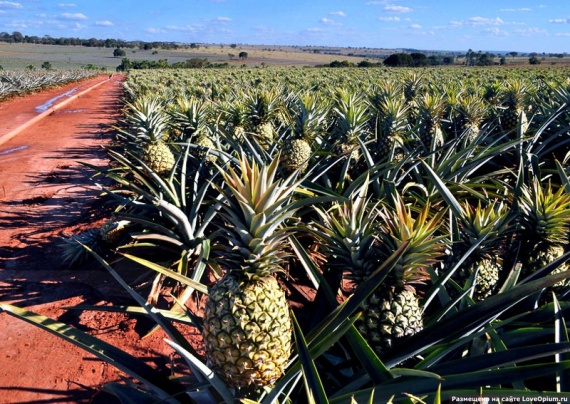
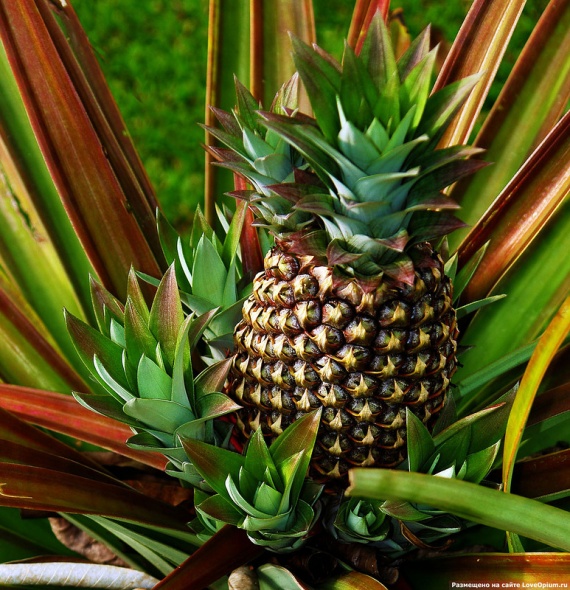
Pineapples grow in tropical South America and as far south as Argentina and Paraguay. Pineapple is a terrestrial plant with a thorny stem and leaves.
In orderly rows. Pineapple plantation. (Photo by Estevam Cesar):
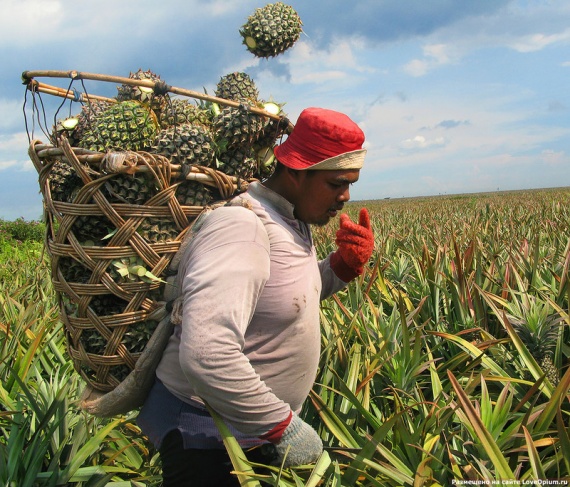
Picking pineapples. (Photo by Rahmat Hussain):
Pineapples weigh from 2 to 15 kg and outwardly resemble a large cone:
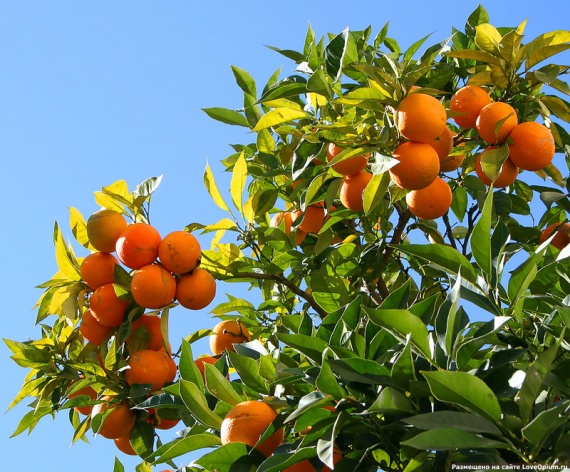
How oranges grow
Oranges grow on orange trees up to 4-6 to 12 meters high.
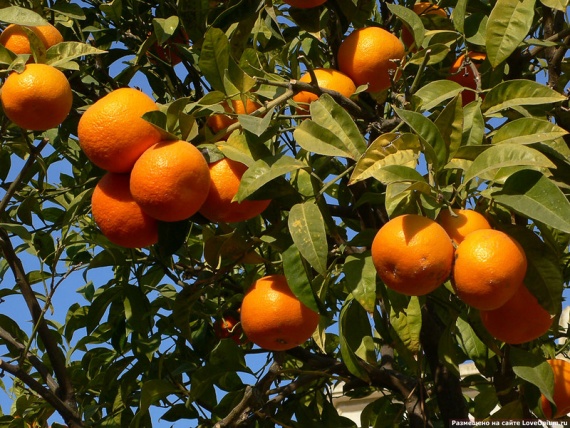
The homeland of the orange is Southeast Asia. European travelers brought the orange to Europe in the XV century.
In Argentina, even a special aircraft was developed to transport oranges (FMA I.Ae. 38 Naranjero). Its name (Spanish: Naranjero) translates as "Orange" or "Orange Merchant".

Source: loveopium.ru