18798
How modern supermarkets are arranged
Surely many of you have noticed a rather interesting feature of many large supermarkets: you just have to go for some chocolate or a bottle of water - you are already pulling a huge cart of goods to the checkout. A marketing ploy is a very cunning and clever science that can make the buyer buy a product that he did not even plan. Look for the most popular marketing moves of well-known supermarkets and stores under the cut. Forewarned is forearmed.
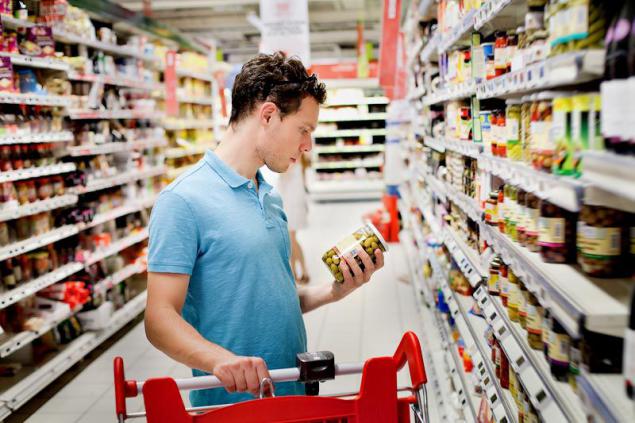
They make you associate red with discounts.
Often, supermarkets are already covered with advertisements from the outside, where you can see color-coded discounts. In our minds, the red price tag has long been associated with a decrease in price. However, you should be careful - such colored price tags do not always mean more profitable purchases: the price can be reduced slightly or even sometimes remain unchanged at all. But at the same time, the consumer is still inclined to buy goods with such price tags because of the already established association.
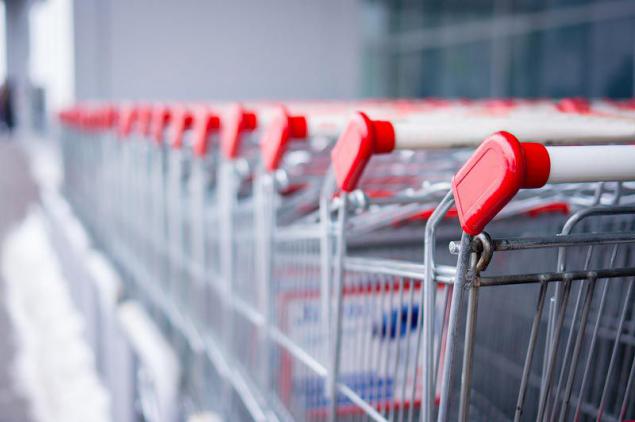
They make the carts too big.
Shopping carts were invented in 1938. At the same time, the area of an ordinary trolley has doubled over the past 40 years. And almost always they are much larger than the "consumer basket" of an average family. If we are pulling a half-empty cart, then purely at the subconscious level we have a desire to fill it. As a result, you buy more food than you need. Therefore, if you do not want to run into the store for a long time, it is better to take a basket. In this way, you will kill two birds with one stone: you will save money, and the shopping bag will be lighter.
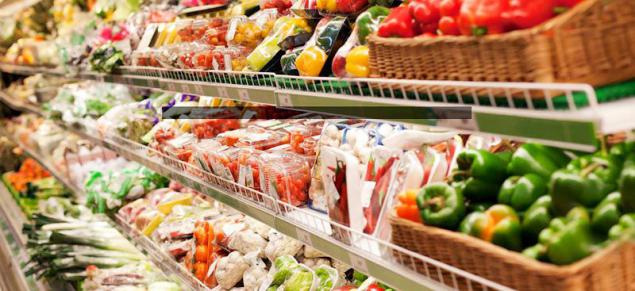
Fruits and vegetables are usually located at the entrance to the store.
Researchers tested the willpower of buyers. It turned out that it is enough to give a person the opportunity to first do what, in his opinion, is "good", so that then he himself begins to actively go beyond his own limits. That is why supermarket owners lay out healthy fruits and vegetables right at the entrance: the more money the buyer spends on healthy products, the more unhealthy products he will buy, such as beer and chips.
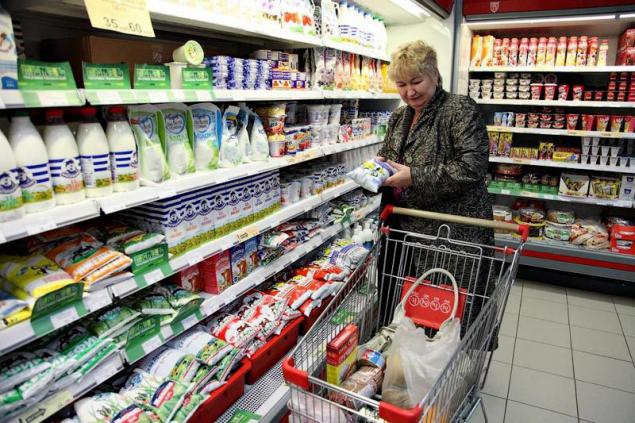
They hide dairy products in the back of the store.
Sales professionals use a lot of tricks to get us to buy more. Years of research have produced a lot of tricks that are used everywhere and that we don't even know about. To illustrate more clearly, let's think about why milk, the most popular product, is always at the farthest end of the supermarket. And the point is not that this is where the refrigerators are located, but that they want you to first pass by the rest of the products in search of milk.
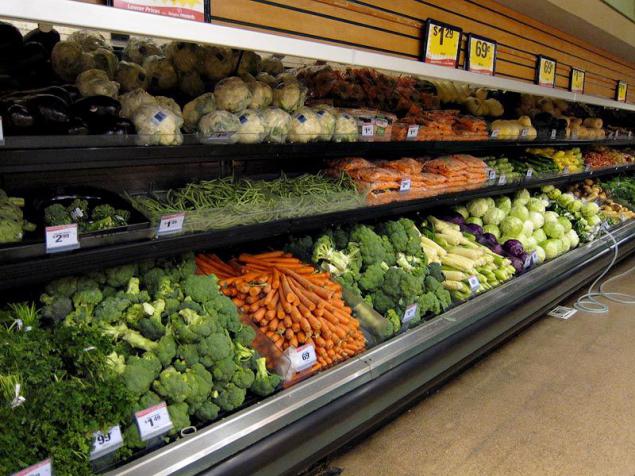
They create the illusion that their fruits and vegetables are fresh.
In most supermarkets, vegetables and fruits in the vegetable department are washed and polished to a shine. Moreover, they are often sprinkled with water, despite the fact that they will rot faster. Why? Because people love everything fresh, and in the brain it is associated with a shiny, moist surface. In addition, supermarkets specifically use certain substances to maintain the appetizing appearance and color of fresh fruits and vegetables. In fact, the "fresh" fruits and vegetables you buy at the supermarket may have been in stock for a month before and will sit in your fridge for a couple of days before being eaten.
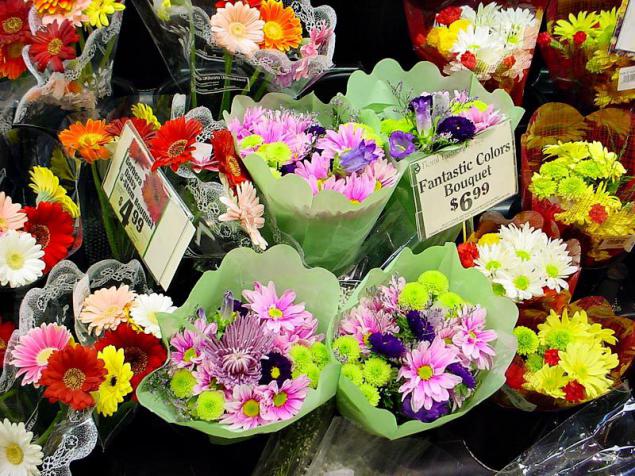
They try to attract you with flowers.
As soon as you enter the supermarket, your senses are delighted by the smell of flowers and colorful fruits in the vegetable section. This automatically provokes the release of the pleasure hormone "dopamine", and you are in a pleasant anticipation of shopping. From here to the purchase is not even a step, but half a step. Advice. Smell and enjoy, but be mindful of what you actually need to buy. Pull out your shopping list and reread it.
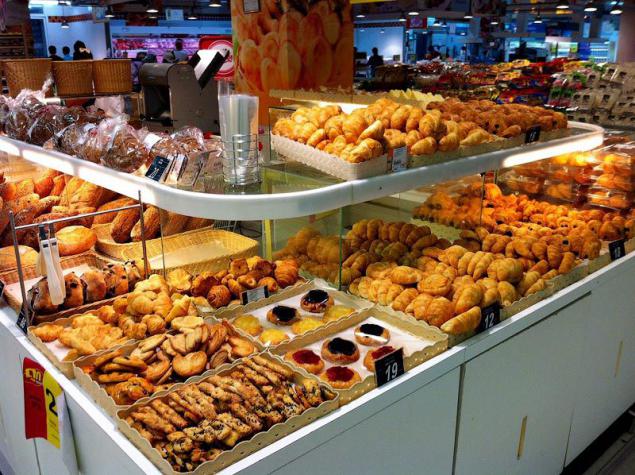
They make you feel hungry.
In many supermarkets, confectionery is located at the entrance. The smell of fresh baked goods activates the salivary glands, and you want to buy this yummy right away. In addition, some supermarkets set up small counters, offering customers to taste a particular product. It's always surprising how many people buy a product just because they feel obligated or hungry. Remember, you don't owe anything to anyone, and to avoid a "hungry" purchase, it is better to have a snack before going to the store.
They make you go everywhere.
Essentials such as bread, milk and eggs are scattered throughout the store to keep you walking around for a long time, making spontaneous rash purchases along the way. You are sure that you choose your own route through the supermarket. In fact, experts in their field have thought through everything so that on the way to the cherished goal you will encounter more temptations. Therefore, the shelves with dairy products are never located at the entrance, otherwise you could cope too quickly and leave without two dozen necessary little things.
They make you think you're going fast when you really aren't.
They line the floor with fine tiles in the more expensive sections to make your cart rattle louder. So you think you're going faster, so you subconsciously slow down and spend more time in the expensive department.
They worked out the "left-right" formula.
Since most supermarkets work - the so-called right-hand law, when the movement of visitors is organized counterclockwise. In this case, the customer, moving through the store, turns left all the time, and his gaze most often falls on the middle of the wall to his right. It is in this place that the so-called golden shelves are located, and on them there are either the most expensive goods or products with an expiring expiration date.
They confuse us with complex prices.
We all know this old trick: 0.99 always seems much less than 1.0. Subconsciously, the penny grows to gigantic savings, and the hand reaches for the coveted "freebie". The boldly crossed out old prices, often written in a smaller font, and the highlighted new ones work in the same direction. Your brain processes this information as a picture, not as an arithmetic problem. And as a result, you take the thing you don't need to "save". Advice. Consider! Do not be lazy to deduct the new price from the old one. Sometimes the result will amaze you with its insignificance.
. They use your children.
Perhaps this is inevitable. Each parent will have to go through a certain rite of passage: go to the store with the child and endure all his whims, requests to buy chocolates, new cereals, sweets... And it's good if it is only tears, but real hysterics with rolling on the floor and wild screams are not excluded. Yes, it is not easy for children to go past colorful shop windows.
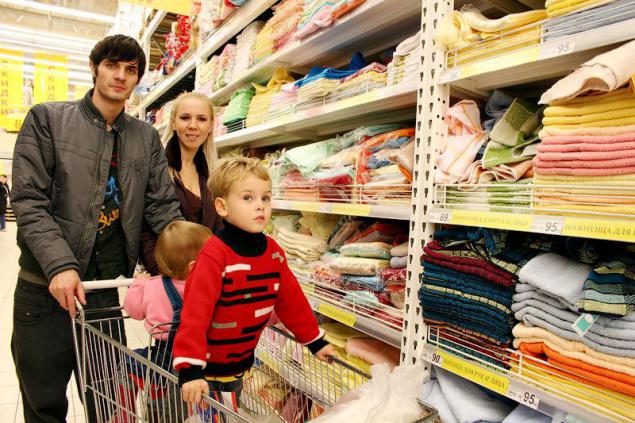
They hide cheaper goods from you.
Have you ever noticed that all the expensive goods are on the middle shelf of the counter, just at the height of your eyes? This is so that you can see the most expensive product first. Next comes the calculation on psychology, so that you decide that the product on the shelves that are higher or lower is of lower quality (although, usually, this is not the case). Today, however, this place "in the sun" is conquered by "promoted" brands, since their products bring great profits.
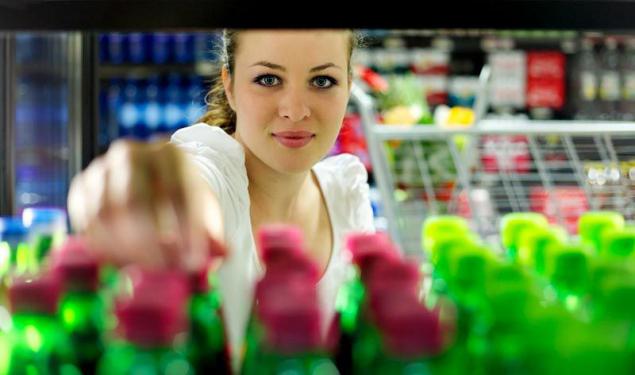
They offer their "pairs of goods".
Everything loves a couple. The same is true in the supermarket. The so-called related products are always placed next to the main ones. Next to beer are chips or bags of dried fish, next to cookies are juices or carbonated drinks, next to shirts are ties, etc.
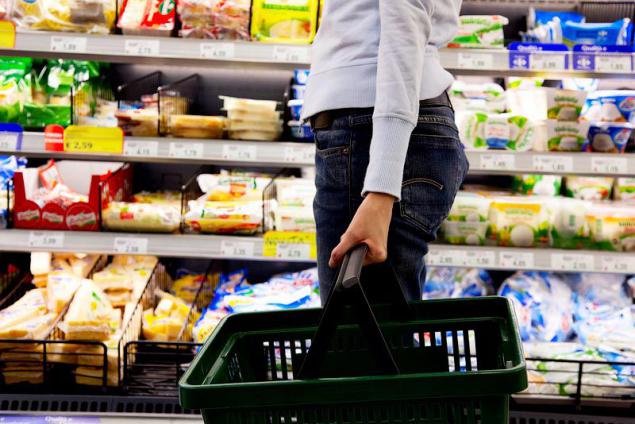
They sell meat and fish against the background of white walls.
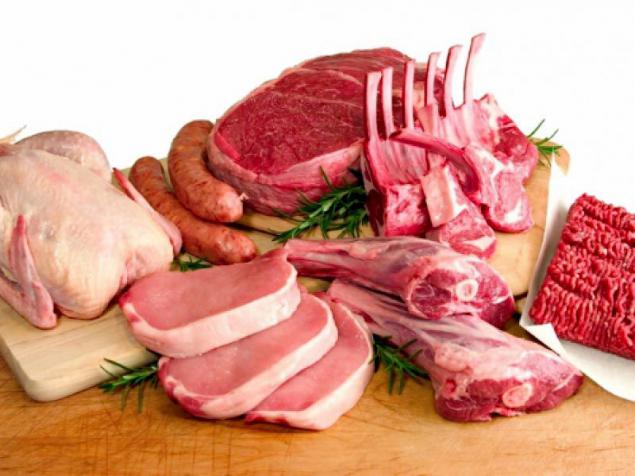
Meat and fish are often sold on a white background to look fresher. And visual tricks like wooden shelves and nice lighting make people spend more.
They appeal to your greed.
It seems that the flow of promotional actions is simply inexhaustible. Buy one shampoo and get the second one as a gift. Super deal! However, before buying shampoo, think about whether you really need it or will it gather dust for 3 months? Buying two products at a lower price does not win much, but the supermarket increases sales. In addition, at reduced prices, they usually sell stale or expired goods.
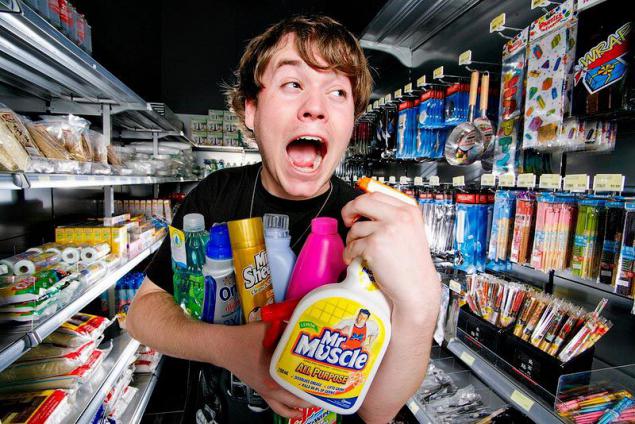
They paint the walls in warm colors to make you stay in the store longer.
Warm colors attract and make you contemplate. Studies have shown that people take a very long time to choose which fruit juice to buy, so these rows are painted red.
. They play music to make you spend more.
Music also plays an important role in trying to get you to shop. The next time you're in the mall, close your eyes and listen. You will surely hear melodic music, which is also part of the strategy. To such music, we subconsciously slow down, stop for a long time in front of the counters and look at the goods. Supermarkets play light hits that improve mood in order to encourage you to make a "impulse purchase" that was not on your list.
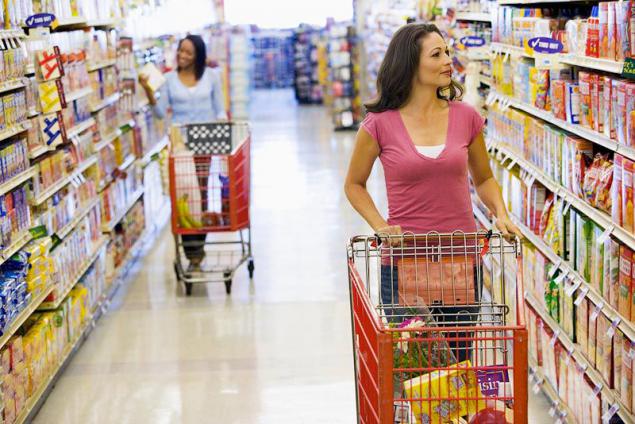
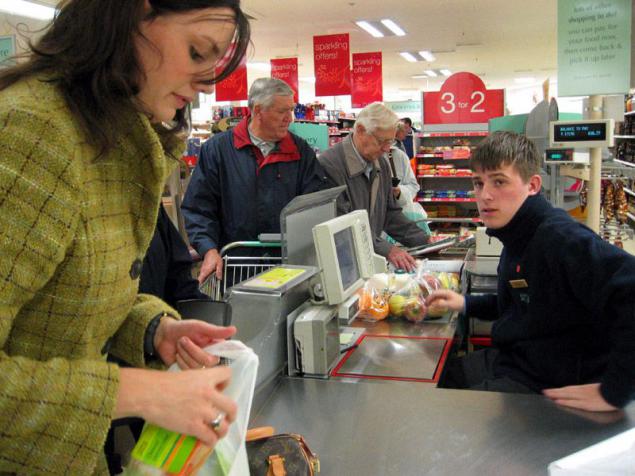
They place shelves with all sorts of small things at the checkout so that you can make spontaneous purchases.
At the checkout, you can see even more goods that belong to the so-called category of "spontaneous purchases". Bars, cheap magazines, chewing gum, mints and soda... The supermarket's last chance to make you spend money. Usually, there are shelves with chocolates at the checkout, which you are likely to take as a reward for a long shopping. You will consider and choose such products in any case - after all, you need to somehow pass the time in the queue. And against the background of "big" purchases, buying chewing gum or a bar "on the track" for half a kopeck of money is simply not perceived by us as such.
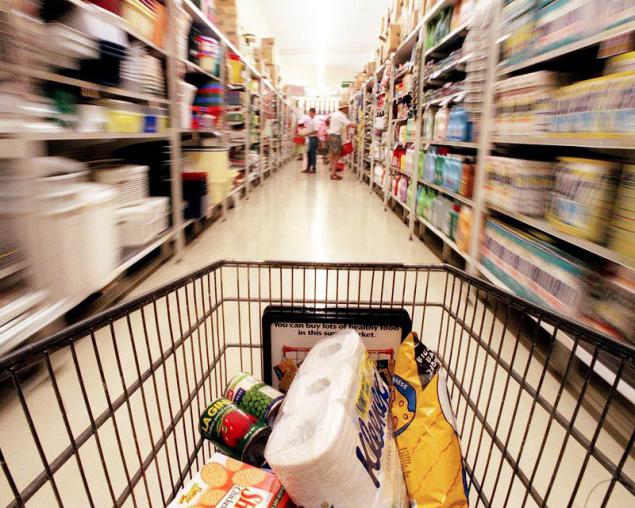
They tie you to them with a discount.
Well, when paying at the checkout, you will usually get a discount card. A small discount will tie you tightly to this supermarket. And a regular customer is a gold mine. After all, you will leave even more money here next time.
Source: imgur.com