650
How to serve cheese on the table
The French consider cheeses an integral part of their culture and simply do not think about the daily table without them. In Russia, the cheese culture is just beginning to develop, but the custom of “cheese plate” has already managed to acquire an army of loyal fans.

Picking the right cheese plate at home, choosing the cheeses and products that you like, will be easy if you follow our advice.
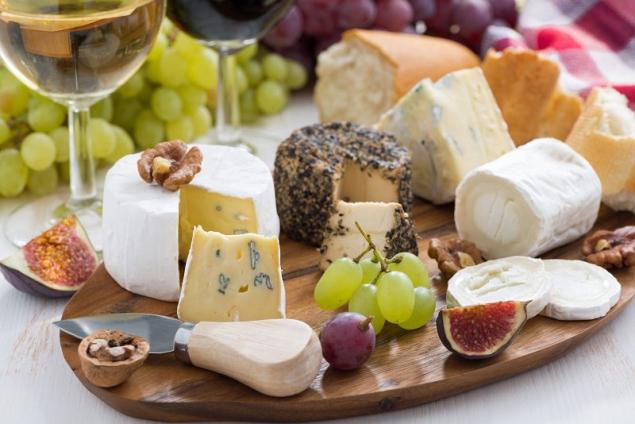
"Site" will tell about the combination of cheese varieties, the rules of their cutting, serving, perfectly shaded drinks and products, without which a cheese plate is impossible to imagine.
How to serve cheese
- Cheese etiquette
There is an opinion that cheese assortment is offered after the main course and before dessert. However, cheese can be eaten at any time, both before and during meals.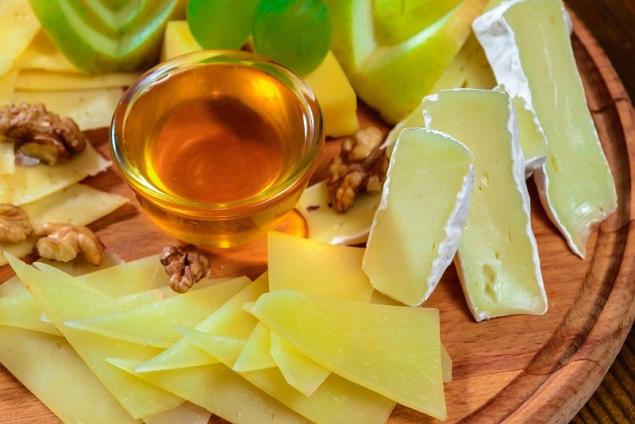
Usually cheeses are arranged clockwise - from the most tender to the most spicy. Eat them should increase taste - from tender to neutral, and then to sharp.
Cheese is served on a large wooden plateau. Taking cheese from the plateau with your hands is a sign of bad taste. Cheese take a piece of a special fork and put on a plate, then take all the other additions. - Assortment
In different varieties of cheese, there are six flavors: fresh taste (curd cheese), neutral (for example, immature brie), tender (camembert, young goats and sheep cheeses), pronounced taste (gouda, edam, maasdam), sharp taste (parmesan, emmental), very sharp (roccophore, gorgonzola, dorblu).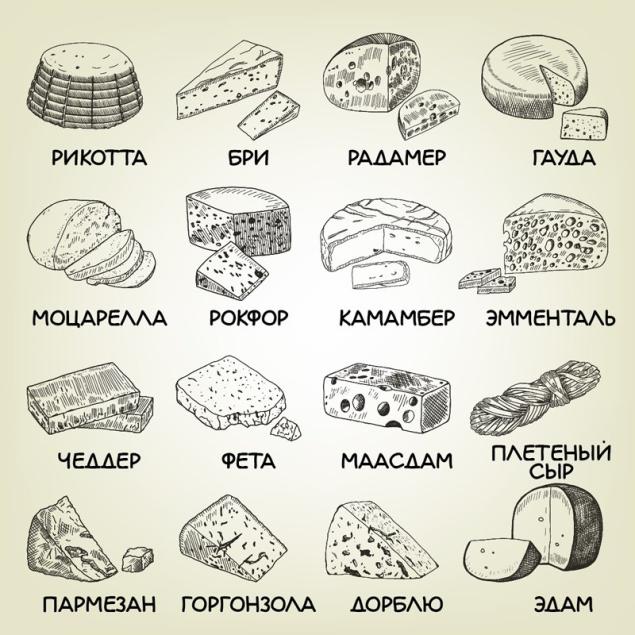
Cheese is also divided into hard (parmesan), semi-hard (emmental, cheddar, gouda), soft with white mold (bree, camember, bonchester), soft with blue mold (roquefort, dorblu), fresh or cottage cheese (Philadelphia, ricotta), brine cheeses (mozzarella, suluguni).
Ideally, the whole range of flavors should be represented on the cheese plate. At the same time, you should not lay out processed cheeses and cheeses of cheap varieties. - Right cut.
Guests themselves put cheeses into their plate, cutting off a piece. For different varieties of cheese there are knives, but few people know what kind of knife to cut this particular cheese.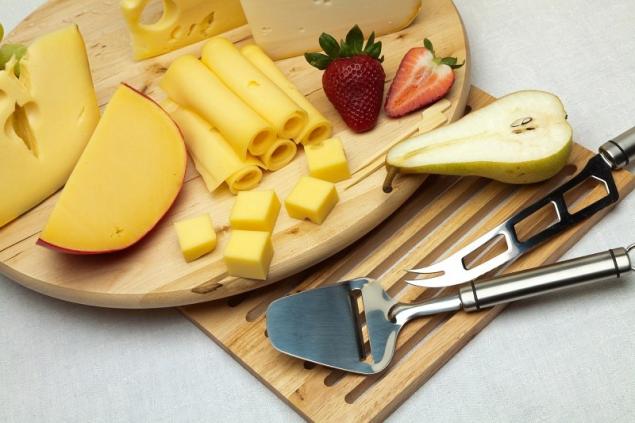
It's actually not that complicated. Brine cheeses It is easier to cut with a knife, resembling a small axe with holes on the blade, so that the cheese more easily lags behind the knife.
Soft cheese is easier to break and prick with a device similar to a large fork. Hard varieties are cut off with great effort, and the most massive knives will suit to facilitate the process.
If there is only one knife on a cheese plate, wipe it on a piece of bread after cutting off each type of cheese so as not to mix the flavors. Cut the cheese so that in each piece there is a crust and a core, that is, segments, triangles. The usual slicing with rectangular slices is suitable only for hard cheeses, where the crust is not eaten. - Supplements to cheese
Fruit goes well with cheese. Out of competition, grapes that shade the taste of any cheese, but are especially good with savory (sharp) cheeses. To soft cheeses with a white “coat” fit melons, watermelon, strawberries, figs, juicy pears.
For hard cheeses offer currants, kiwi, cherries. Any cheese can be accompanied by soft dried fruits (raisins, apricots) and nuts (cedar, walnuts, almonds).
Perfectly combined with cheese honey, sweet and sour jam or jam and marmalade. Note that honey must be liquid in order to dip cheese into it. - Wine to the cheese plate
With goat cheese, it is better to serve Sauvignon, and to Camembert and Brie, red wine with fruit tones is more likely to suit. The general rule is that the more pronounced and complex the taste of cheese, the more saturated the wine should be. - Organization of the cheese plate
So that the aroma and taste of different cheeses do not mix with each other, leave a little space between the varieties. Contrast varieties of cheese are divided with fruits or nuts.
If you serve honey, jam or other sauce to your cheese plate, remember to supplement it with swords or toothpicks so you can prick the cheese and dip it into sauce.


Example of making a cheese plate
- Buche de Chevre
Gentle goat cheese with soft white crust and curd texture. It has a special spicy taste, which becomes more creamy and tender to the middle of the cheese head. Buche de Chevre can be replaced by ricotta or feta.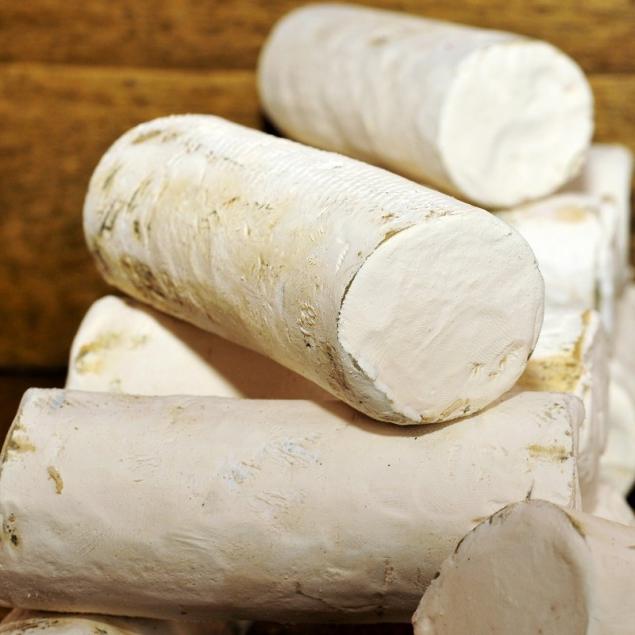
- sel-sur-cher
Blue-crusted cheese made from goat's milk. This product has an island, but delicate taste. The cheese is aged for at least one year. Sel-sur-cher can be replaced with a valence and clochet.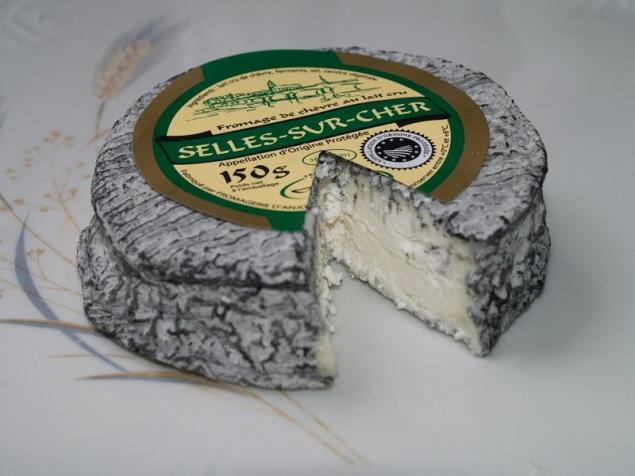
- Breeve.
Cheese is made from raw cow’s milk in a flat circle. The smaller the thickness of the circle, the sharper the cheese.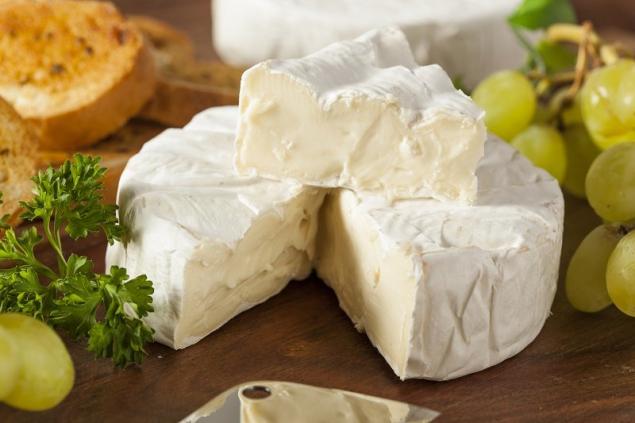
The product has a pale grayish color, the texture of the cheese is soft, its taste resembles Camembert, which can be safely replaced by brie on a cheese plate.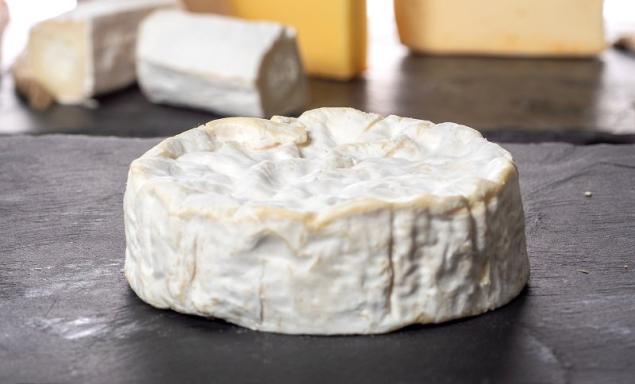
- taleggio
Cream cheese is made in the form of a rectangle of cow's milk. It ripens for more than a month, it has a mushroom taste and a nutty aftertaste. Taleggio can be replaced with reblochon, Epois or Munster.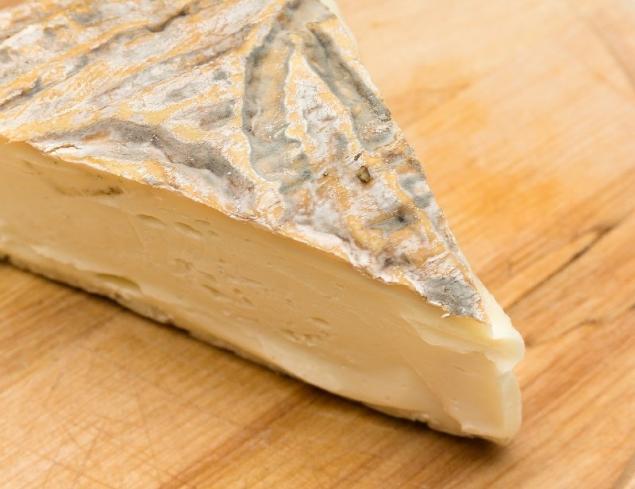
- roquefort
Famous blue-moldIt is made from sheep’s milk with the addition of penicillin bacteria. Roquefort ripens for at least 3 months. This cheese can be replaced with stilton or gorgonzola.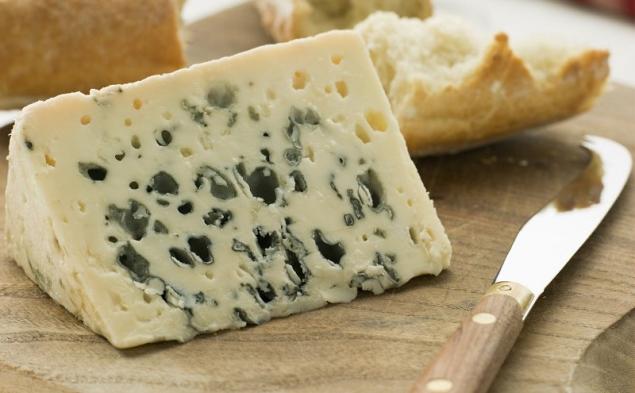
- Emmental.
Cheese is made from slightly skimmed milk, which is why the product has a sweet taste. The product is soaked in brine, and then ripens. Emmental can be replaced with cheddar, parmesan or edam.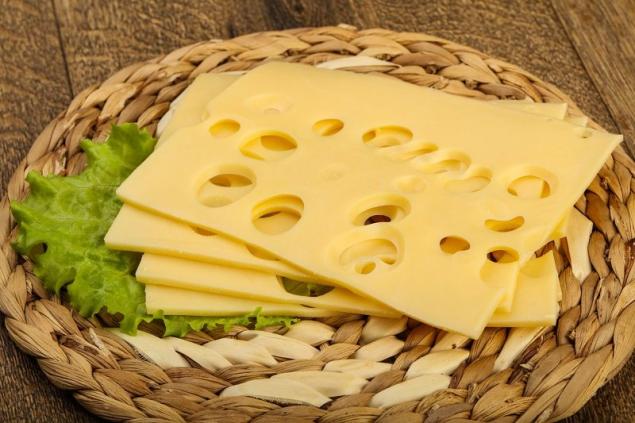
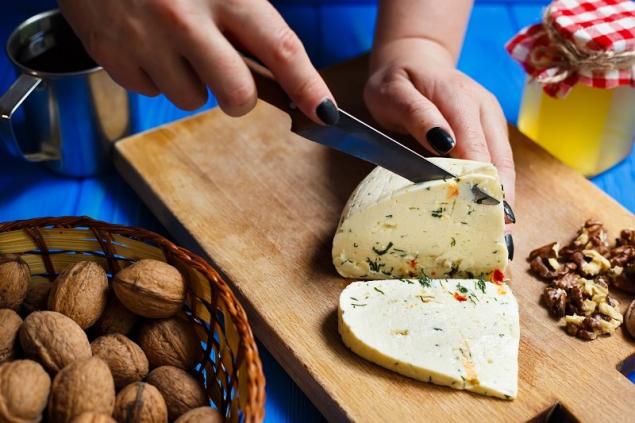
- Goat cheese with coriander
The cheese has a delicate and soft texture, coriander aroma and nutty aftertaste. The product lasts 35 days. You can replace this cheese with any other cheese with additives.
Now you know, How to make a cheese plate. Such a snack is not cheap, but believe me, it is worth it!