9417
Samsung Electronics History: From Dried Fish to High Tech
Hello, Habr!
You've always warmly welcomed my posts on the topic of history, for example, about Nintendo, navigators, smartwatches , and Soviet computers. This time, Samsung, one of the largest manufacturers of high-tech components and telecommunications equipment, fell under the distribution. I hope that this time the post will be to your liking.
Of course, it would not be possible to tell everything at once - since Samsung produces too much, including construction equipment, chemicals and food products. Here are only the main milestones - like the creation of the first serial Blu-ray player, curved TVs, "smartwatches", androidophones and badaphones.
I wonder if you remember that balloon? I was about three or four years old when, in the early 1990s, we bought either a TV or a VCR in a big blue box with this pattern. Unfortunately, we could not find a single photo on the Internet.

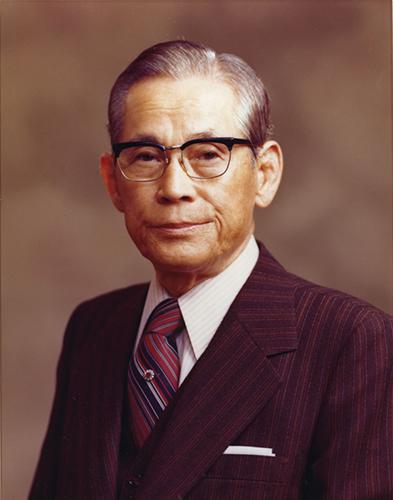
Back in 1910, Lee Byung-chul was born. His father was a large landowner, so he could afford to send his son to the University of Tokyo. After the death of his father, Lee Byung-chul used the inheritance to start his own business - although at that time in South Korea it was not an easy thing to do, since the country was a Japanese colony.
The image shows a warehouse in the city of Daegu, from which the history of Samsung began.
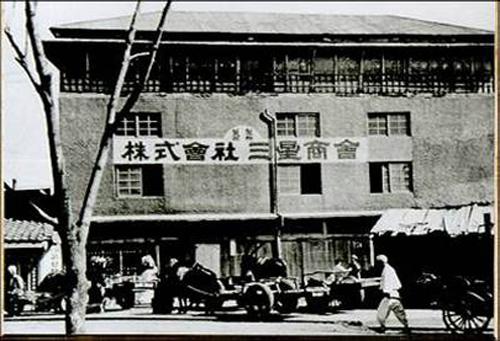
In 1938, the name Samsung Trading Company appeared - then it was a company exporting goods to China and Manchuria. The entrepreneur did not stop there and founded several more companies that were engaged in the production of sugar and fabric, as well as an insurance company.
Lee Byung-chul died in 1987.
TVs
In the 1960s, the era of black-and-white TVs began for Samsung. The company merges with Sanyo and produces its first black-and-white TV with the designation p-3202. In 1976, the company's millionth b/w TV was produced.
To begin the production of televisions, Samsung-Sanyo Electronics was formed, renamed Samsung Electro-Mechanics in 1975 and became Samsung Electronics in 1977.
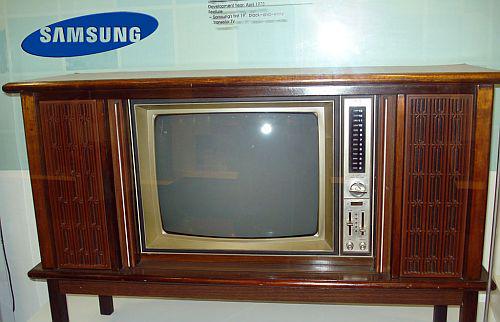
In 1987, an institute was established to develop new products. As soon as international laws allowed it in the 1990s, Samsung immediately began exporting TVs around the world. Together with Sony, the company was engaged in the development of liquid crystal displays. In the late 1990s, Samsung produced the largest LCD displays, with a diagonal of 30 inches.
One of the 1997 models.
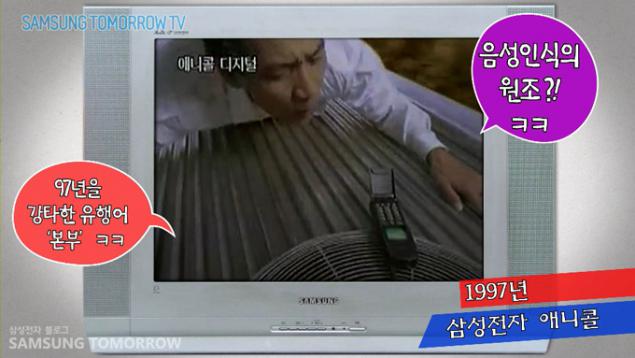
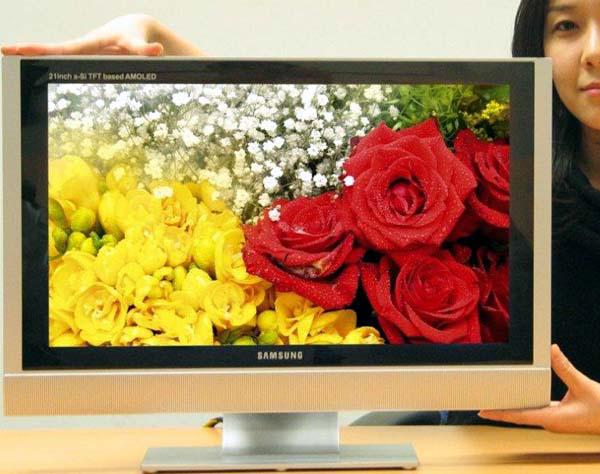
In 1998, the company began producing flat-screen TVs. At the beginning of this century, the company led the industry by creating the thinnest TV in 2002 and the world's first two-sided LCD display in 2006. In 2005, there was the largest OLED panel at 21 inches, and it was made by Samsung.
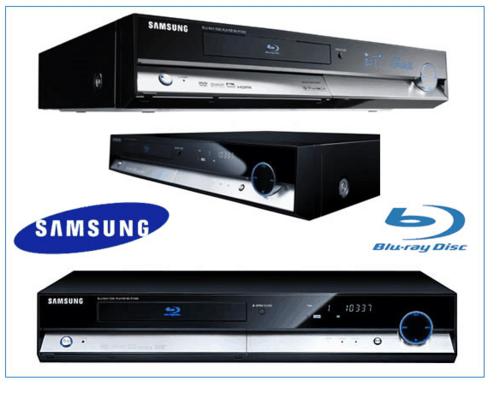
The world's first mass-produced Blu-ray player was released by Samsung in 2006. The model was designated BD-P1000. The release of the player helped Blu-ray win the "Format War", and after a couple of years, HD DVDs were discontinued. The last company to abandon HD DVD was Warner Brothers.
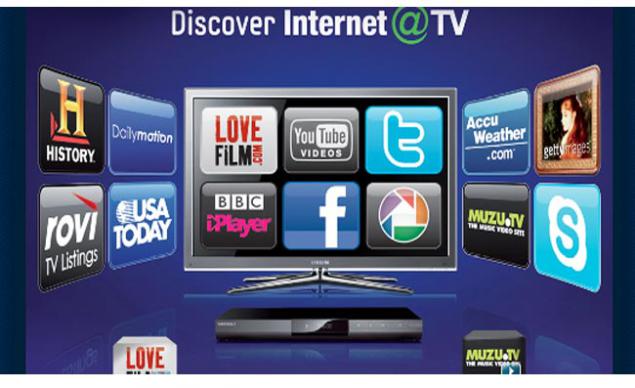
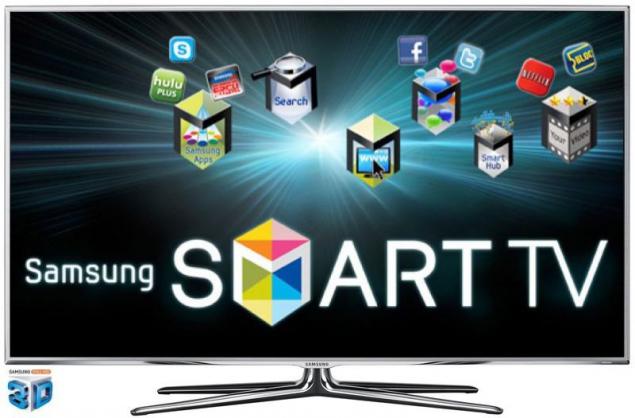
In 2007, Samsung introduced Internet TV — the ability to simultaneously watch TV programs and get information from your Internet. A little later, Samsung Smart TV appeared.
In 2010, sales of Samsung 3D TVs began. In the first six months, more than a million copies were bought. The company was the first in the industry to have a full range of 3D home equipment: TVs, Blu-ray players, content and glasses.
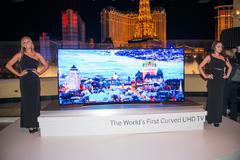
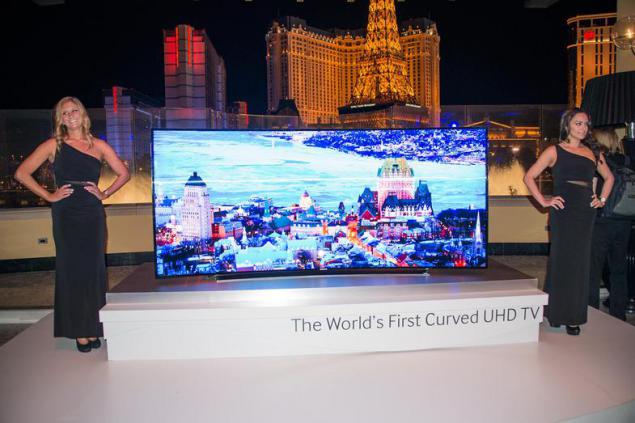
The world's first curved UHD TV was unveiled by Samsung in 2014 at CES. The TV has a diagonal of 105 inches and an aspect ratio of 21:9. The screen resolution is 5120 x 2160 pixels. Auto Depth Enhancer technology allows you to watch 3D movies without glasses. The company's line of UHD TVs now includes a dozen models. On these smart TVs, you can also play games from Electronic Arts (EA) and Gameloft. The brains are a quad-core processor from Samsung.
Cell phones and smartphones
Samsung entered the telecommunications market in 1977 by forming the Samsung Telecommunications division, which became part of the Samsung Group. The division was created for the production of mobile phones and other portable devices - laptops, players, as well as network equipment.
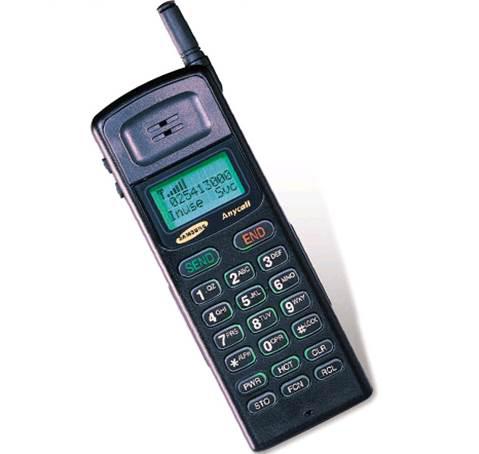
10 years after the opening of the division, in 1988, the SH-100 cell phone entered the Korean market. Not only is this the first cell phone produced by Samsung, but it is also the first cell phone produced in Korea, so the gadget is very symbolic.
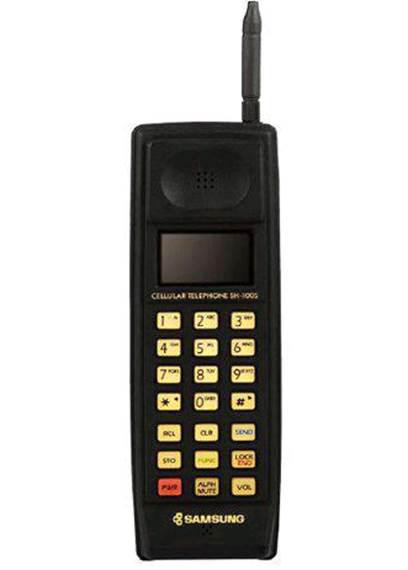
The SH-700 was released in 1993. It was an "ultra-light" cell phone - it weighed only a hundred grams. It was much smaller than the phones offered by other companies at the time.
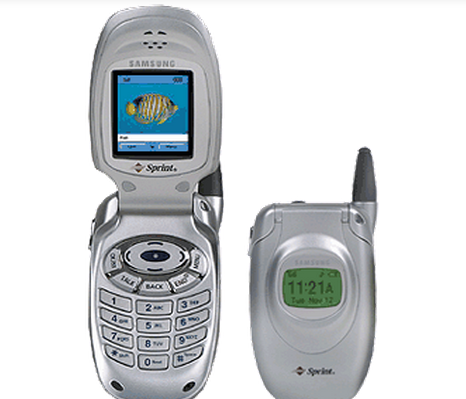
In 2003, the SPH-A500 clamshell was one of the lightest, most comfortable and most stylish.
That same year, Samsung unveiled its first phone at WINKIDS Mobile 2002. It was the SCH-i600. At the same time, it is the first cellular company working with 3G.
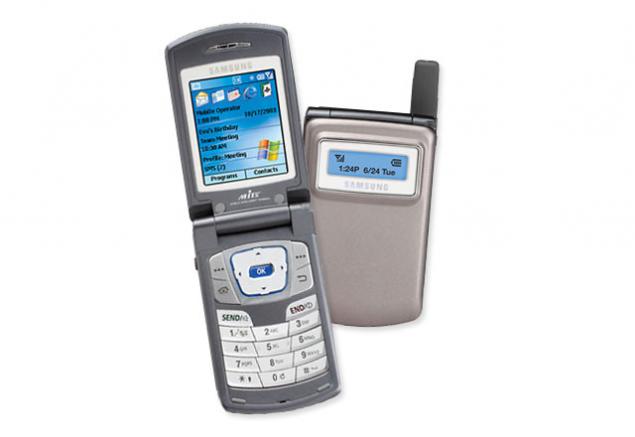
The 2004 A790 was Samsung's first CDMA and GSM compatible phone. This clamshell also has two displays, the diagonal of the inner one is 2.35 inches. By the way, it did not have hands-free communication and e-mail support.
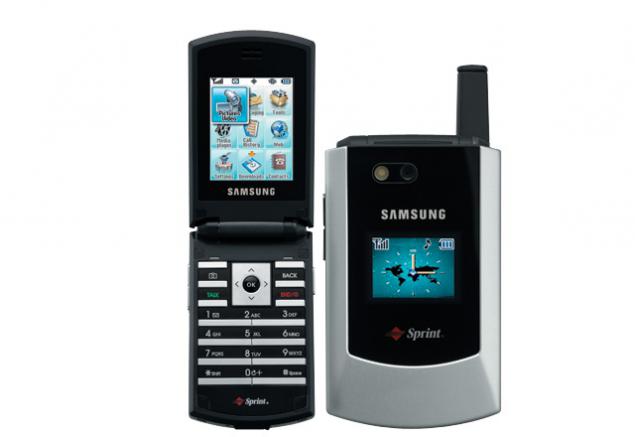
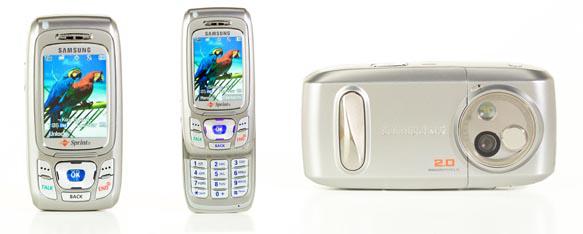
And here is one of the first camera phones! Samsung's MM-A800 slider, which debuted in 2005, was the first cellular with a 2-megapixel camera in the United States. But it had a drawback: it didn't work on 3G networks.
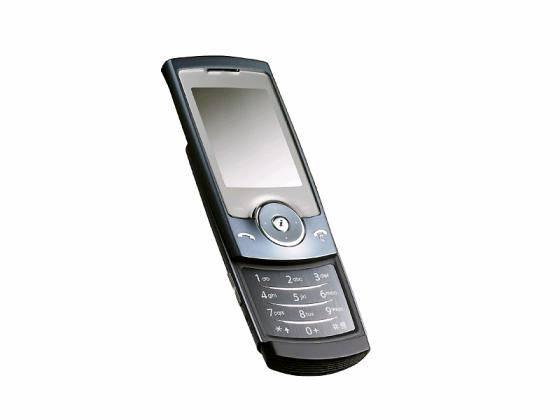
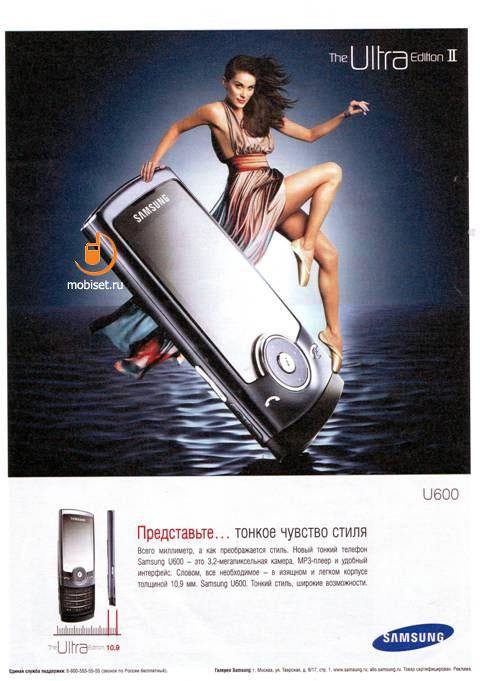
Slim and attractive, the U600 is a slider with a 2.2-inch display. Now the navigation button is not trapezoidal, as in previous models, but round.
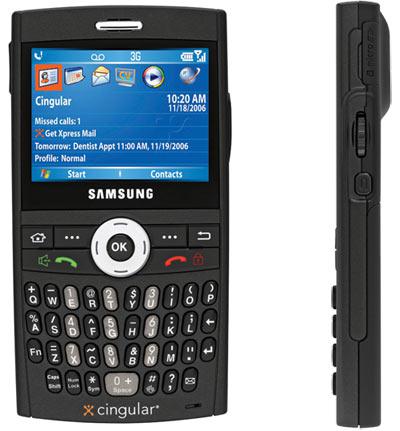
Samsung in 2003 was a dream for many. It worked in 3G and had a keyboard. In my opinion, it was a great business class phone at the time. Suddenly, the company was attacked by trolls from RIM.
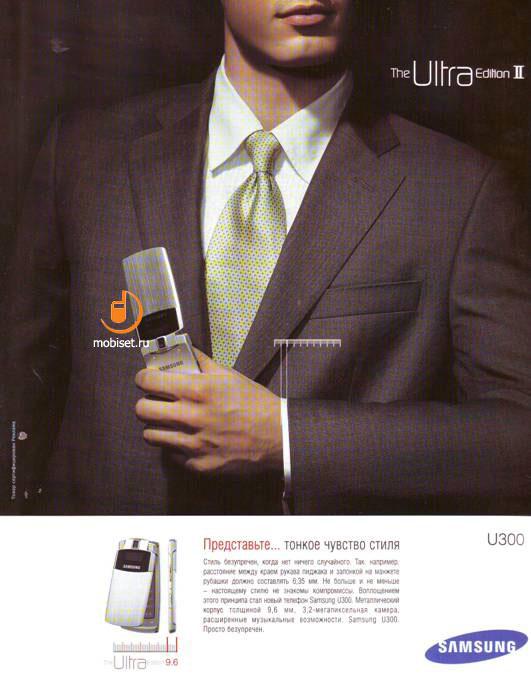
4 years later, the Samsung Ultra II line went on sale in Russia.
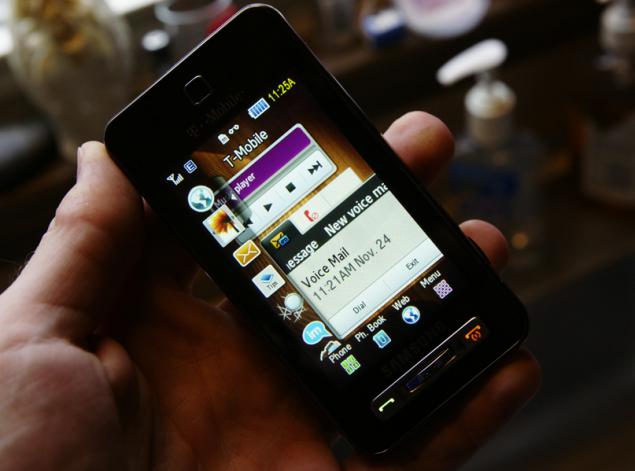
Samsung released its first touchscreen phone in 2008. This cell boasted flash-3D effects, gesture control, and haptic feedback. Which, however, I always turn off when I pick up a new gadget.
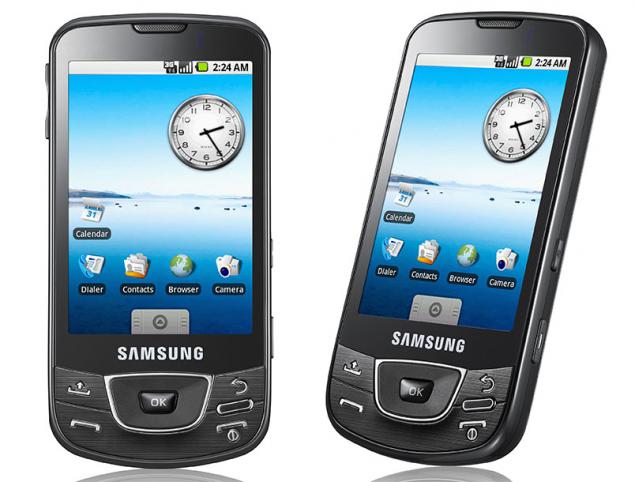
And here is one of the first Android smartphones - the I7500 - appeared in 2009, it was the very first Galaxy. It had a 3.2-inch AMOLED display, connected to Wi-Fi, and had a built-in GPS receiver. The thickness is only 11.9 millimeters.
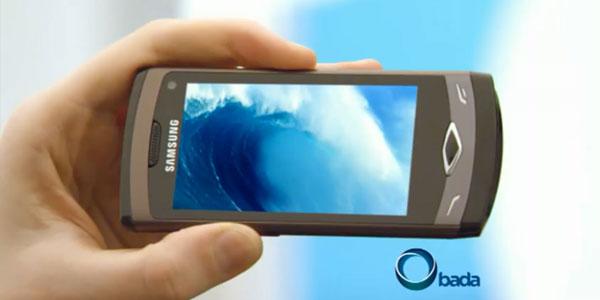
In 2010, the first smartphone running the bada 1.0 operating system was released. It was the flagship Samsung Wave S8500. The operating system only lived for a few years until Samsung announced the merger of bada with Tizen in February 2013, thus declaring the end of bada. Who owned this smartphone - what games were played?
The Wave S8500 smartphone is worth noting for its display - SuperAMOLED was used for the first time. The Super Active Matrix Organic Light-Emitting Diode technology means that the touch layer is glued to the screen, which eliminates the air gap between them. As such, these displays are sharper, images are better seen in the sun, colors are richer, and the display is thinner.
Samsung Wave S8500 specificationsOperating system: bada
Processor: Samsung Exynos 3110, 1000 MHz
Gpu: PowerVR SGX540
Display: 3.3 inch SuperAMOLED
Built-in memory: 2 GB
Memory card support: microSD (TransFlash), up to 32 GB
Camera: 5 MP, 2560x1920, built-in flash
Standard: GSM 900/1800/1900, 3G
Interfaces: Wi-Fi, Bluetooth 3.0, USB
Battery Capacity: 1500mAh
Weight: 118 g
Dimensions: 56x118x11 mm
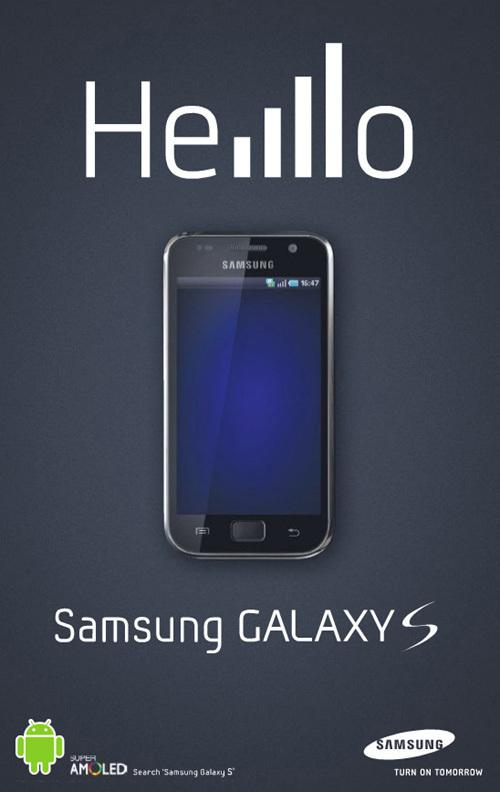
The Samsung Galaxy S was released in 2010. It was built on the basis of a 1GHz ARM "Hummingbird" processor, had a 4-inch display and a 5-megapixel camera.
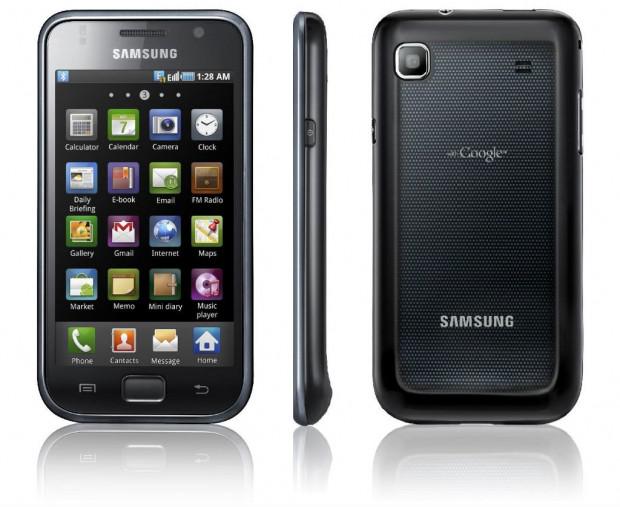
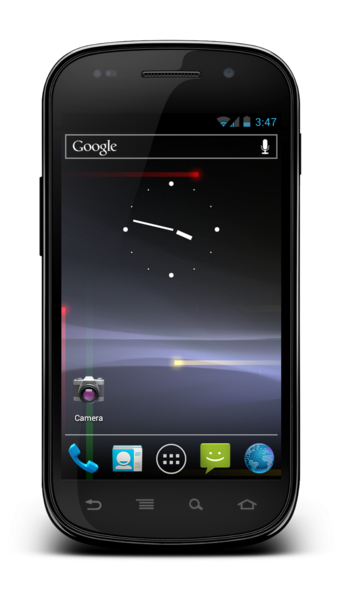
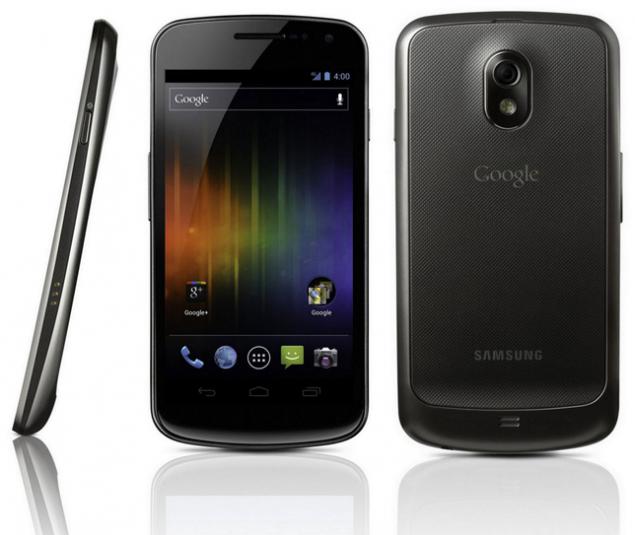
In November of the same year, Eric Schmidt introduced the Nexus S , a smartphone that Samsung and Google worked on together. The smartphone was built on the basis of the Exynos 3110 processor, which worked in conjunction with 512MB of RAM. But it did not have an expansion slot - it had to be limited to the built-in 16GB. Not the best tradition.
Google Nexus S Processor specifications: Cortex A8 (Hummingbird), 1000 MHz
Video accelerator: PowerVR SGX540
Memory: ROM 16 GB, RAM 512 MB
Operating system: Android 2.3
Standards: GSM 850/900/1800/1900, WCDMA 900/2100
Screen: Super AMOLED, 4", 480x800 pixels, touch, capacitive
Interfaces: USB 2.0 (microUSB), Bluetooth 2.1+EDR (A2DP), Wi-Fi 802.11 b/g/n
Built-in camera: 5 MP, autofocus, widescreen, flash, geotagging
Battery, autonomy: Li-Ion, 1500 mAh, 1-2 days
Additional features: GPS (pre-installed maps), MS Exchange, synchronization with Google services
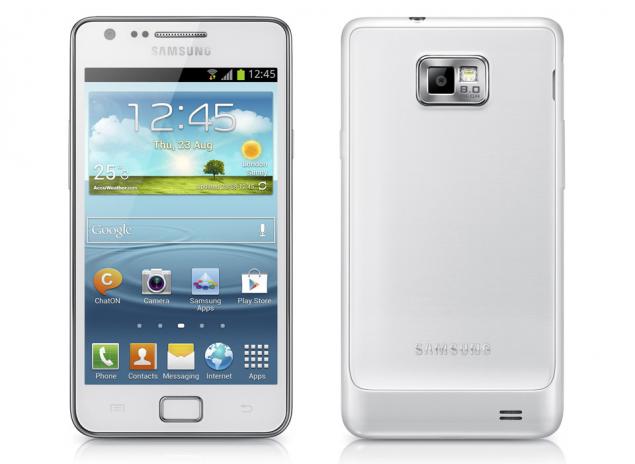
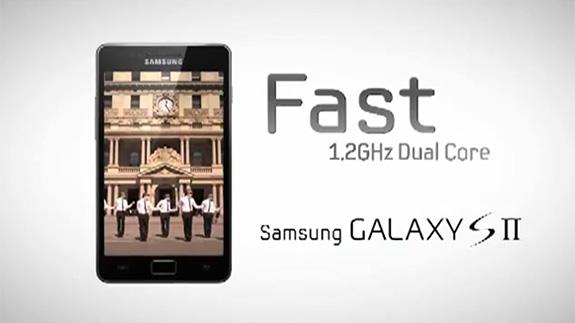
In 2011, at the Mobile World Congress in Barcelón, the Galaxy S II was presented, thanks to this model, Samsung overtook Apple in smartphone sales in the third quarter of 2011. The smartphone is equipped with a 4.27-inch SUPER AMOLED Plus display.
The flagships of 2012 were the Samsung Galaxy S III, the Apple iPhone 5 and the Nokia Lumia 920. The most anticipated smartphone of 2011 from Samsung caused a lot of rumors, which eventually did not come true. But users got an excellent smartphone based on a quad-core Exynos 4412 1.4 GHz processor, equipped with a 4.8-inch HD SuperAMOLED display, 1 GB of RAM, a 2100 mAh battery and an 8-megapixel camera. The company's Smart Stay feature allowed the front camera to recognize the user's gaze and not turn off the display if the gaze was directed at it.
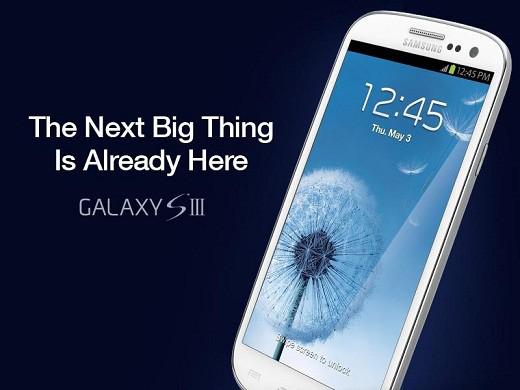
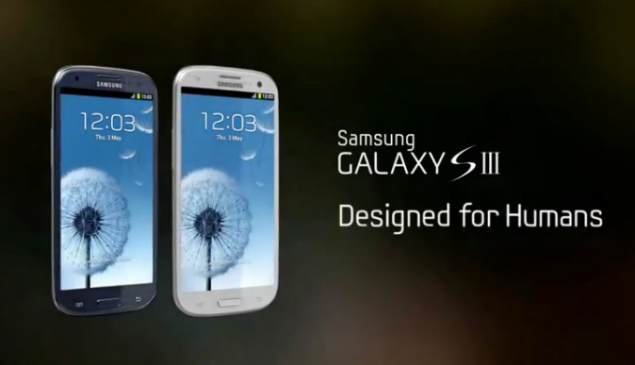
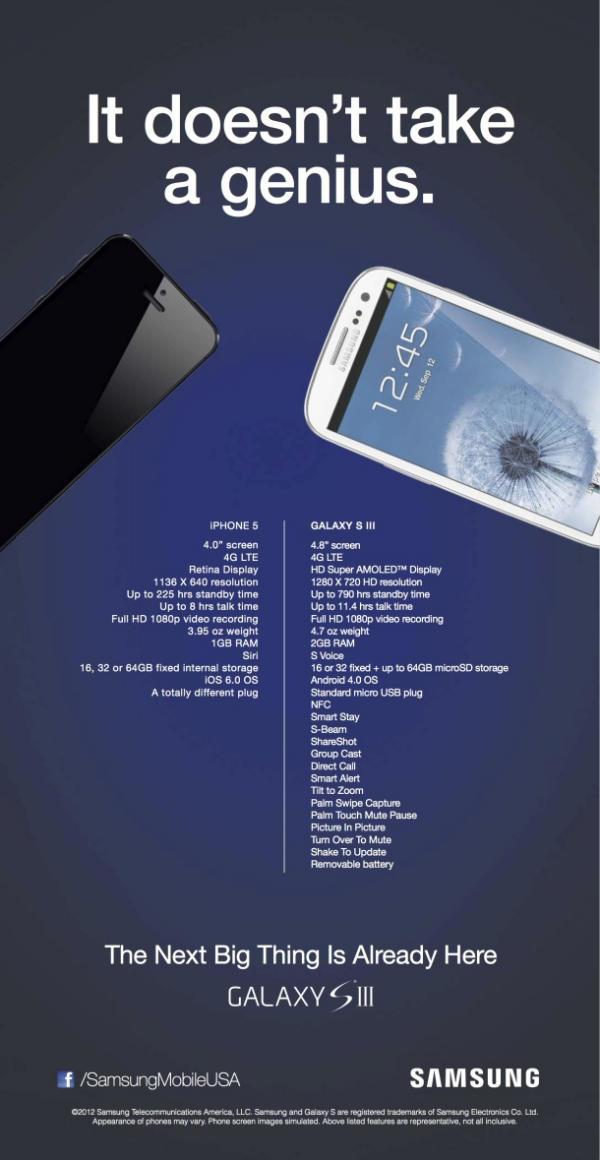
In this ad, the Galaxy S3 is compared to the iPhone 5. "You don't have to be a genius"
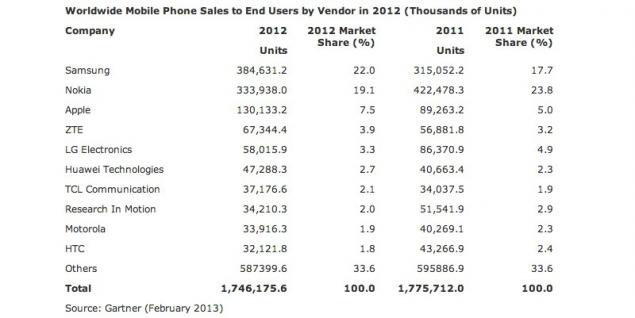
In 2012, the company overtook everyone in smartphone sales.
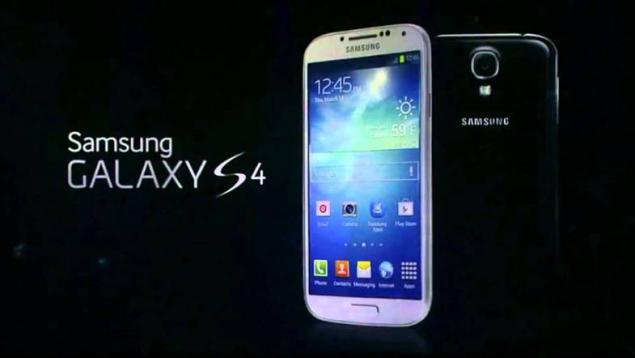
Then there was and is the Galaxy S4, which is not going to become obsolete anytime soon.
Samsung Galaxy S4 Processor Specifications: Octa Core Octa Core (1.6GHz Quad Core + 1.2 GHz Quad Core)
Display: 5" Full HD Super AMOLED 1920 x 1080
Operating system: Android 4.2.2 (Jelly Bean)
Battery: 2,600 mAh
Storage: 16 / 32 / 64 GB
Main camera: 13 MP.
Front camera: 2 MP.
Flash: LED Power LED
Standard: GSM/GPRS/EDGE (850/900/1800/1900 MHz) HSPA+ (850/900/1 900/2 100 MГц)
Wireless Networks: Wi-Fi: 802.11 b/g/n, Wi-Fi Direct, Bluetooth 4.0, NFC
Location: GPS / GLONASS
Weight: 130g
Dimensions: 136.6 x 69.8 x 7.9 mm
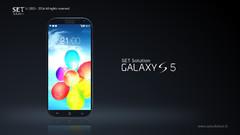
In April of this year, sales of the Samsung Galaxy S5, the company's new flagship, will begin. The smartphone is based on a quad-core Qualcomm Snapdragon 801 2.5 GHz.
Samsung Galaxy S5Specifications Processor: Qualcomm Snapdragon 800 Quad-Core MSM8974 2.5GHz
- Storage: 16GB / 32GB
Screen: 5.1" 1920x1080 PPI 432
OS: Android 4.4
Main camera: 16 MP
Front camera: 2 MP
RAM: 2 GB
Memory card: microSD (TransFlash) up to 128 GB
Cellular networks: GSM 850, 900, 1800, 1900; UMTS — 850, 900, 1900, 2100; GPRS, EDGE, 3G, 4G
Wi-Fi
Battery: 2800 mAh
Moisture and dust resistance: IP67
Weight: 145 g
Dimensions: 142x72.5x8.1 mm
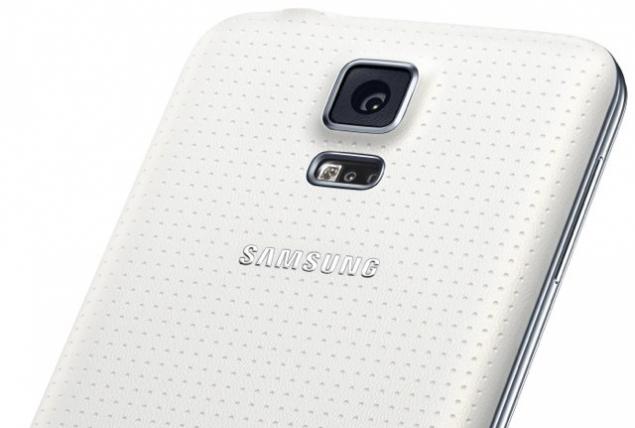
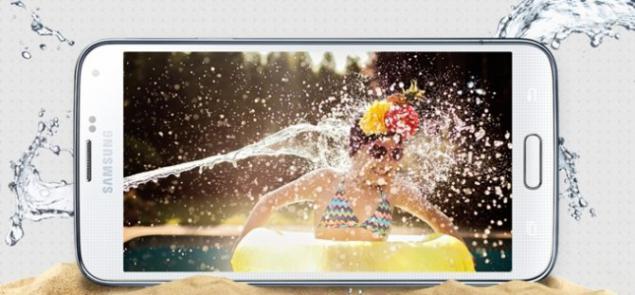
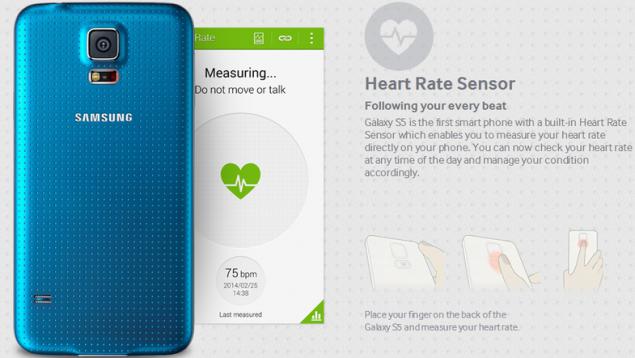
As a nice addition, the model received a fingerprint scanner and a heart rate monitor. And the Galaxy S5's 16-megapixel main camera is built using Samsung's ISOCELL technology. The essence of the technology is to create a physical barrier between adjacent pixels, which "allows more photons to accurately come from a specific microlens and collect in the desired photodiode with a minimum of unwanted electrical crosstalk between pixels."
Wearable electronics
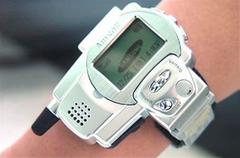
One of the pioneers in the field of "smartwatches" was Samsung. In 1999, the Samsung SPH-WP10, a wristphone in the form factor of a watch, went on sale. The project could be as revolutionary as smartphones. But at that time, for some reason, it seemed to everyone that it was stylish, but nothing more. And now, in 2014, we see that "smartwatches" have become very popular.
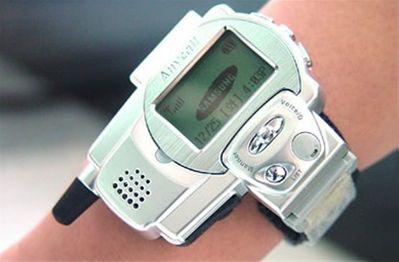
At the 2001 CES in Las Vegas, Samsung brought a new hybrid of a watch and a cell phone that looked much more interesting. The gadget had a monochrome display and understood voice commands after pressing the corresponding button.
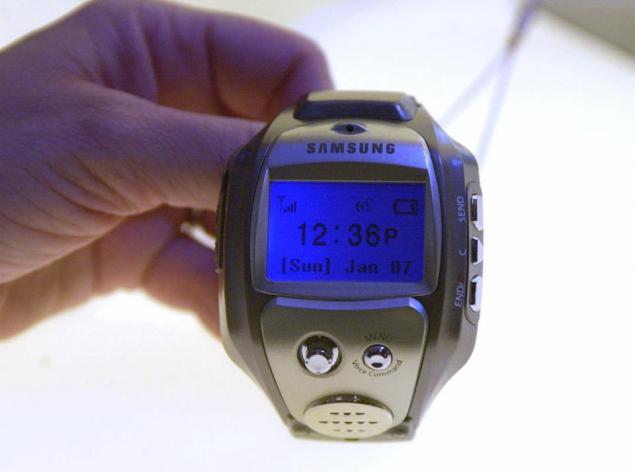
Smartwatches stubbornly did not want to become trends! But Samsung did not give up and again introduced a gadget of this form factor in 2009. The Samsung S9110 had a touchscreen display.
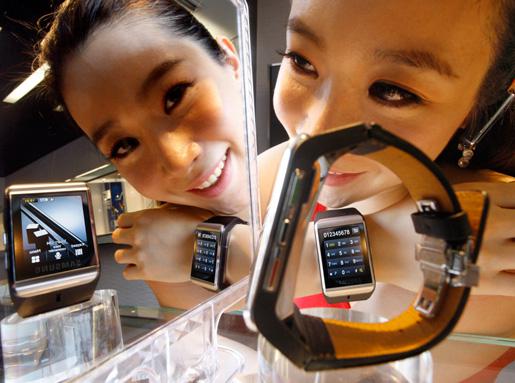
In October, Samsung again made an attempt to capture the market for these devices by introducing the Samsung Galaxy Gear to the world.
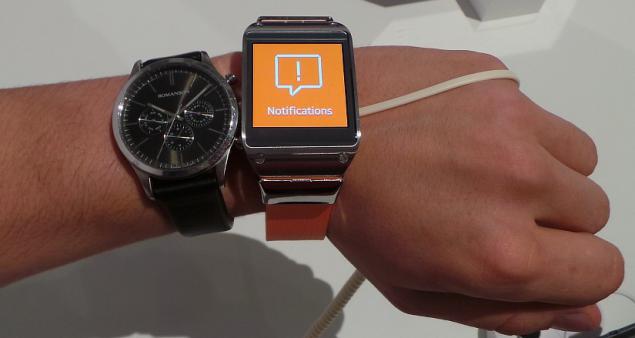
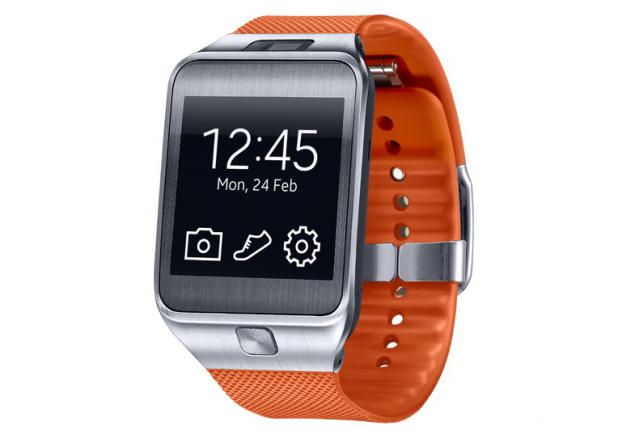
The sequel was the Samsung Galaxy Gear 2. They no longer work on Android, but on Tizen's own operating system, thanks to which the use time has increased to 2-3 days with normal use and up to 6 days with "insignificant" use of features.
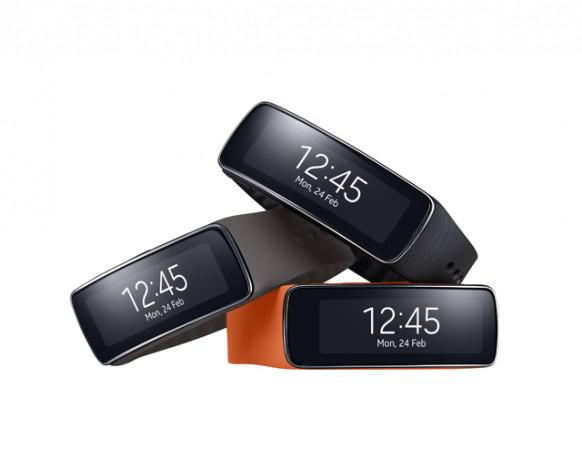
Samsung Gear Fit is positioned as the industry's first wearable device with a curved Super AMOLED display. The gadget can be used independently as a fitness tracker, or it can work in conjunction with a smartphone. The 1.84-inch display shows incoming calls, mail and messages, reminders, scheduler alerts and other applications. The straps are interchangeable - there are black, orange and mocha. Sales will start next month.
Samsung Gear FitSpecifications Display: 1.84-inch curved Super AMOLED with a resolution of 432x128 pixels
Additional Functions: Pedometer , Exercise, Heart Rate Monitor, Sleep Tracking, Stopwatch, Timer
Water and dust resistance: IP67
Interface: Bluetooth 4.0 LE
Sensors: Accelerator, Gyroscope, Heart Rate Sensor
Battery: 210 mAh
Battery life: 3 – 4 days (typical use), up to 5 days (economical use)
Dimensions: 23.4 x 57.4 x 11.95 mm
Weight: 27 grams
For those wishing to develop applications for wearable electronics, Samsung has released the Tizen SDK for Wearable, available for download.
Computers, Laptops & Tablets
Samsung's first personal computer appeared only in the Korean market in 1982 and was produced until 1986. The model was designated SPC-1000. The computer is based on the Z80 processor and was manufactured in Korea, although the BASIC for it was created in Japan by Hudson soft. It had 70 KB of RAM.
On the left side of the case there is an ILP button that starts booting the operating system from the magnetic cassette.
Samsung SPC-1000 Processor specifications: Z80-A 4 MHz
RAM: 64 KB
Video RAM: 6 KB
Read-only storage: 32 KB
Text display: 32 characters x 16 lines
Graphics: 128 x 192 / 256 x 192 pixels
Colors: 9 (semigraphic), 4 (128 x 192 mode), 2 (256 x 192 mode)
Sound: 3 voices, 8 octaves
Dimensions: 48 x 27.5 x 9.5 cm
Media: Built-in cassette player
Operating system: CP/M when flop is connected
Price: 495,000 won, about $600
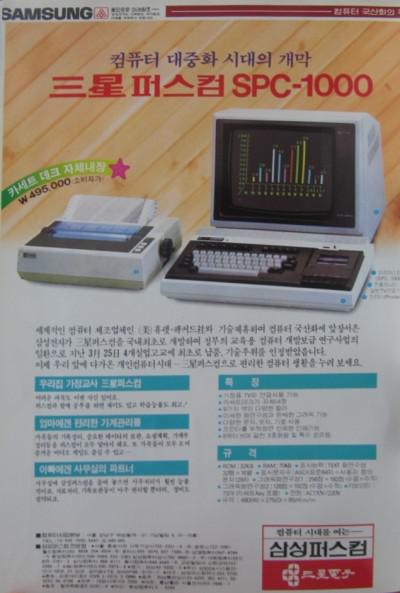
A 1984 commercial.
Samsung's first laptop was the S5200, released in 1989 for the Korean market.
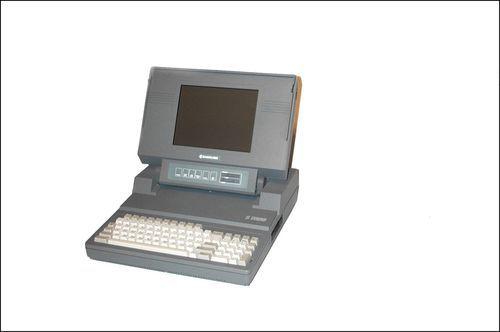
Samsung entered the global laptop market in 2003 with several lines under letter designations. The Samsung X-10, introduced that year at CeBit, was built on a 1.3-1.7 GHz Intel Pentium M Centrino, had 512 MB of RAM, a 60 GB hard drive, a 64 MB graphics card, a DVD/CDRW drive and WIFI 802.11b. The laptop weighed 1.8 kg, and its thickness was 2.38 cm.

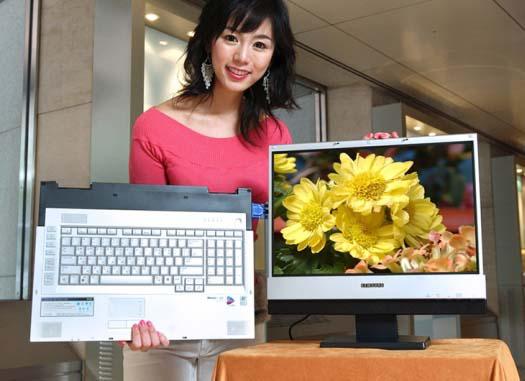
In 2005, the Samsung M70 transformer appeared. The laptop's display could be detached and attached to a stand, turning it into a sleek shorts home computer.
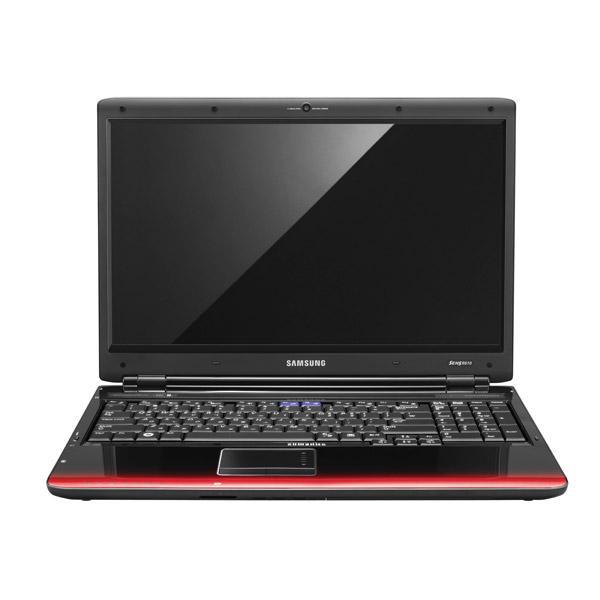
In the states, sales of Samsung laptops began quite recently - in 2009. The first to go on sale was the 13-inch Samsung Q310 in two versions. The younger model was equipped with an Intel Core 2 Duo T5800 2.0GHz processor and a 250 GB hard drive, the older one was an Intel Core 2 Duo P8400 with 320 GB of memory.
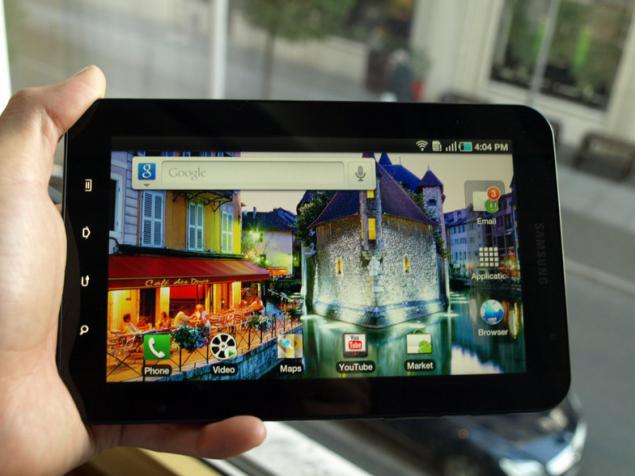
In 2010, the Samsung Galaxy Tab line began. The first model has a 7-inch touchscreen with a resolution of 1024 x 600 pixels and an ARM processor with a frequency of 1000 MHz.
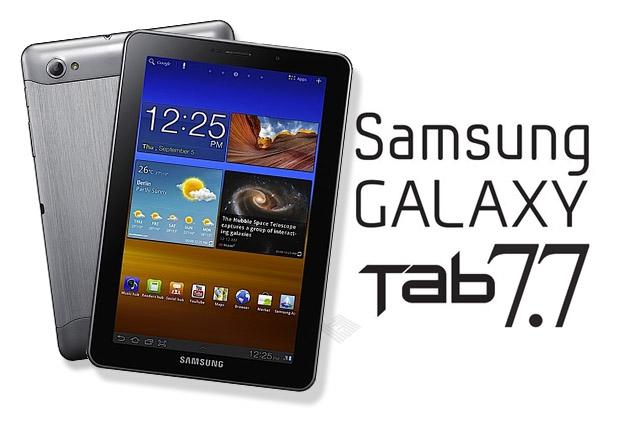
The Samsung Galaxy Tab 7.7 (GT-P6800), introduced in 2012, was the world's first tablet computer with a Super AMOLED Plus screen.
The good news for Samsung this year was the ban on Russian officials from using the iPad. According to the head of the Ministry of Communications Nikolai Nikiforov, such a decision regarding tablets is technical in nature, and Samsung tablets for officials are "specially protected devices."
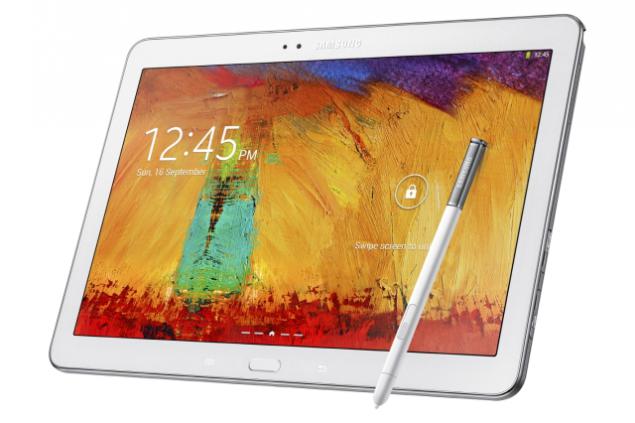
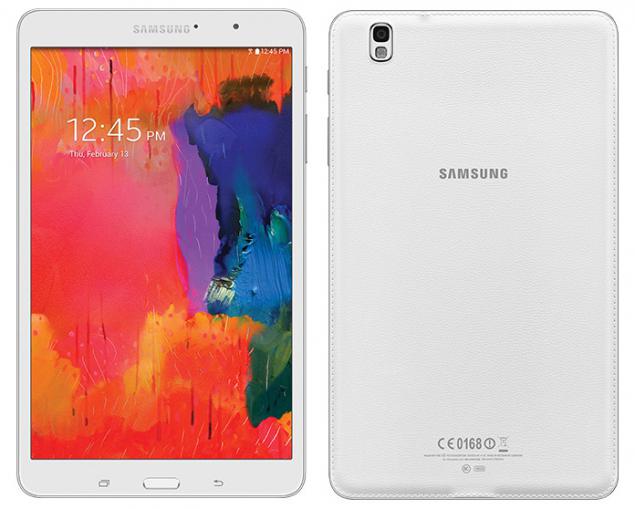
At the beginning of this year, Samsung's line of tablets continued with the Pro series, with the Galaxy Note Pro 12.2 and Tab Pro 12.2, 10.1 and 8.4 inches appearing first. The resolution of the screens is 2560 x 1600 pixels.
In May of this year, Samsung plans to release a second series of Chromebooks. They will be available with 11.6 and 13.3-inch displays. The cases are stylized as leather.
The 13.3-inch version has a Full HD screen resolution of 1920x1080 pixels and is equipped with 4 GB of RAM. The version with an 11.6-inch display has a resolution of 1366x768 and 2 GB of RAM. Each of the laptops has a 16 GB eMMC iNAND drive, HDMI and USB 2.0/3.0 connectors, microSD card slots, a pair of 2W speakers and a webcam with HD shooting function.
Chromebook 2 (13.3-inch) specificationsScreen: 13.3-inch Full HD LED (1920x1080);
Operating system: Google Chrome;
Processor: Samsung Exynos 5 Octa (2.1GHz, 2MB L2 Cache);
RAM: 4GB DDR3L;
Storage: 16GB e.MMC iNAND;
Camera: 720p (HD);
Battery: claimed runtime up to 8.5 hours;
Connections and connectors: 1 HDMI, 1 USB 3.0, 1 USB 2.0, MicroSD card reader, headphone/combo microphone input, DC-in;
Dimensions: 323 x 224 x 16.5 mm;
Weight: 1.4 kg.
Chromebook 2 (11.6-inch) SpecificationsScreen: 11.6-inch LED (1366 x 768);
Operating system: Google Chrome;
Processor: Samsung Exynos 5 Octa (1.9GHz, 2MB L2 Cache);
RAM: 2GB DDR3L;
Storage: 16GB e.MMC iNAND;
Camera: 720p (HD);
Battery: claimed runtime up to 8 hours;
Connections and connectors: 1 HDMI, 1 USB 3.0, 1 USB 2.0, MicroSD card reader, headphone/combo microphone input, DC-in;
Dimensions: 290 x 205 x 16.8 mm;
Weight: 1.1 kg.


Game consoles
Korea also had its own Sega Saturn - only it was produced by Samsung. Sales started in November 1994. It was simply impossible not to mention her.


It is interesting:
Old Cell Phone and Smartphone Ads (1980s to Late 2000s)
The story of Nintendo, led by Hiroshi Yamauchi
History of smartwatches
Cheers! Wearable Devices in Sports and Medicine
Source: habrahabr.ru/post/217015/