1653
Edged weapons of our ancestors
We suggest you look at a selection of unusual types of bladed weapons, which our ancestors fought. Due to the small level of development of society and technology (by modern standards), they went to war with a very simple weapon, but can you call it that? What do you think?
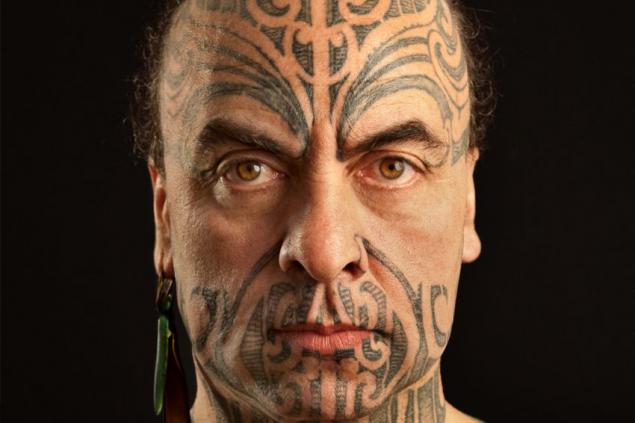
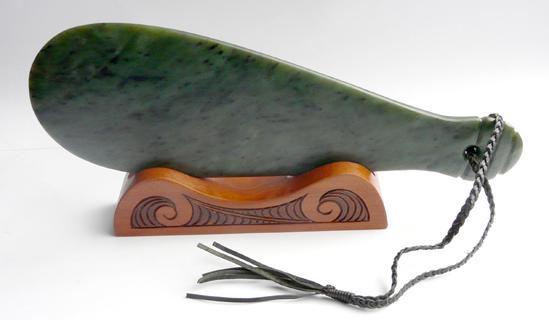
Sacred Maori stick
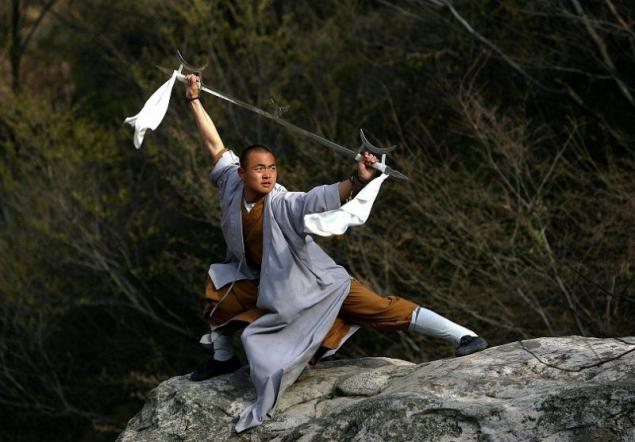
Curved swords Shaolin

Such weapons almost always novices were carrying the famous Chinese Buddhist monastery. In them everything was functional, as well as the philosophy of clever monks Wushu fighters: blades in the form of hooks, to be able to hang them against each other, guard in the form of a crescent to block attacks and defeat the enemy, pointed hilt to attack the enemy at close range. < br />
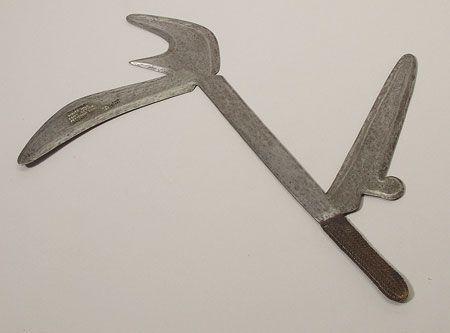
Kpinga warrior tribe Azanda
This throwing of the sword-blade length of 56 cm, which went into battle the fighters one of the most warlike tribes of African Nubia, was just three blade. And the main was that was closest to the handle of a knife - in the form of male genitalia. Of course, for a warrior Azanda all his strength was in this blade.
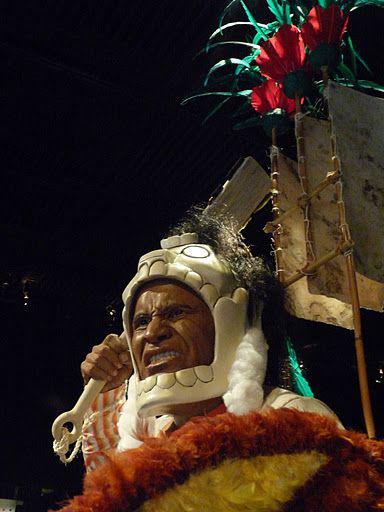
Makuauitl Aztec
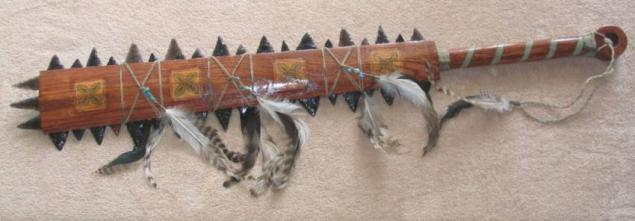
In fact, it is an ordinary baton. However, according to the parties it was completely covered with obsidian spikes. The combination of ultra-hard wood, which makes makuauatl ancient Indians (they could carry even a horse's head!), With spikes that are left on the body of the enemy deep wounds, let's downright murderous effect.
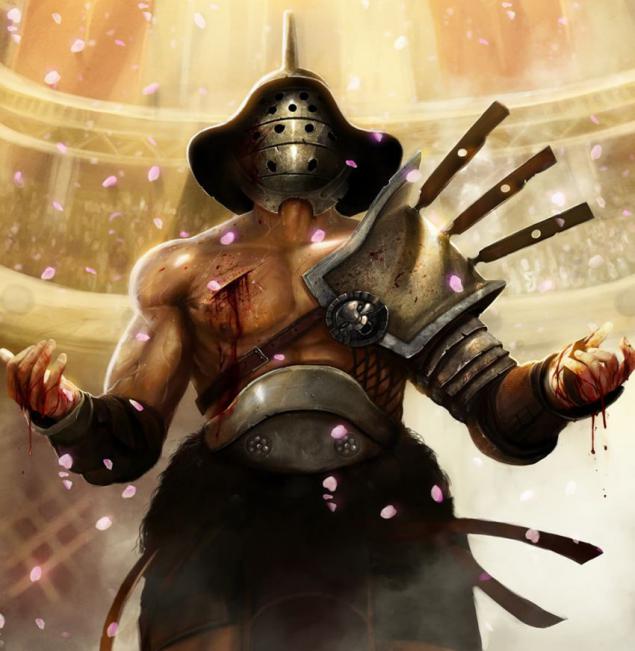
Skissor Roman gladiators
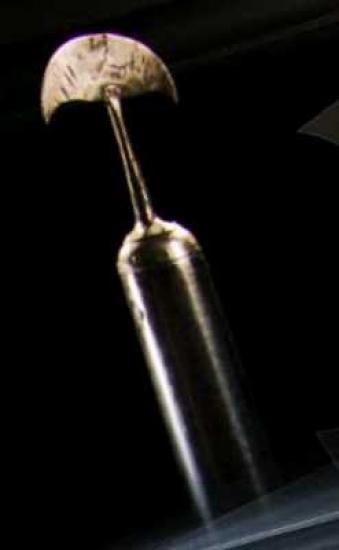
Few people know that this strange weapon used in combat slave warriors in the ancient Roman Empire. It is made from solid steel. Skissor was light and had a length of 45 cm. Metal cavity at the base of the arm closed skissora Gladiator, which made it possible to easily block the blows, as well as apply his.
Source: artarion.livejournal.com