1491
The birth of Stalin's skyscrapers
In the Soviet Union began to appear high-rise at the time of Stalin's rule, now everyone knows about his passion for the high ceilings and the like
Stalin was not an architect, but it was a great scholar.
Let's look at the structure and learn that was built after the avant-garde:
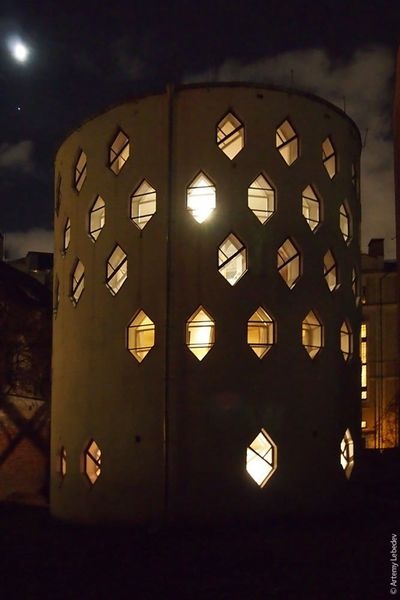
and constructivism:
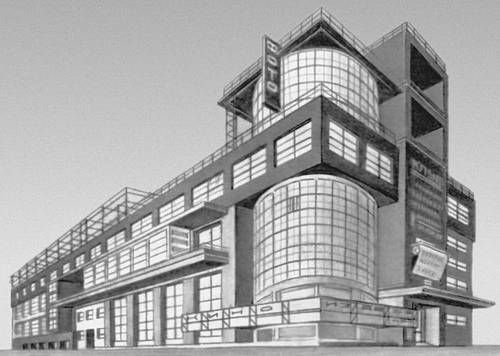
but Khrushchev "fight against the excesses»:
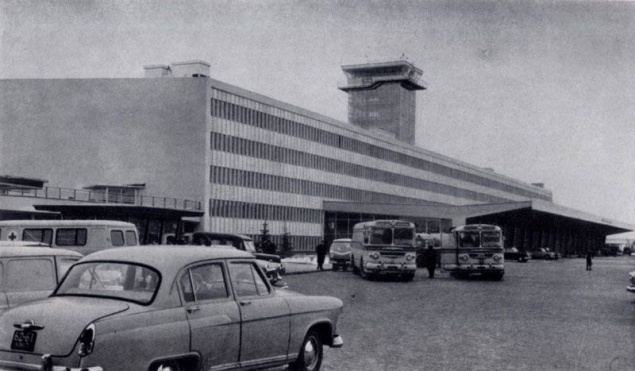
Brezhnev's concrete and total insanity:
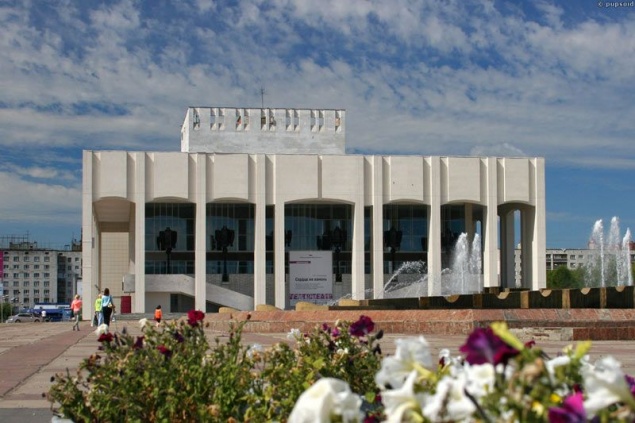
Stalin skyscraper sublime, decorative, imperially, bright, decorated with turrets, colonnades, terraces, sculptures and other people.

Where did they come from?
Fast forward a hundred and fifty years ago in New York. Comrade Otis installed the first elevator in the five-story building on Broadway in 1857. Lift works so far.
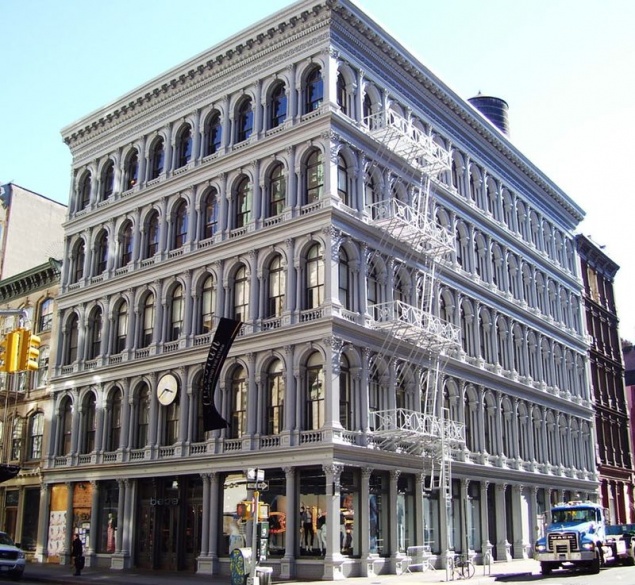
Lifts prompted the idea to build houses higher. After the invention of steel frames, things went up. Is considered the first skyscraper is a beautiful building in Chicago in 1884 (at first it was the height of 10 floors):

At that time it was impossible to tell where the property in the XXI century will be more expensive - in New York or Chicago, so rushed to build skyscrapers, and there and there.
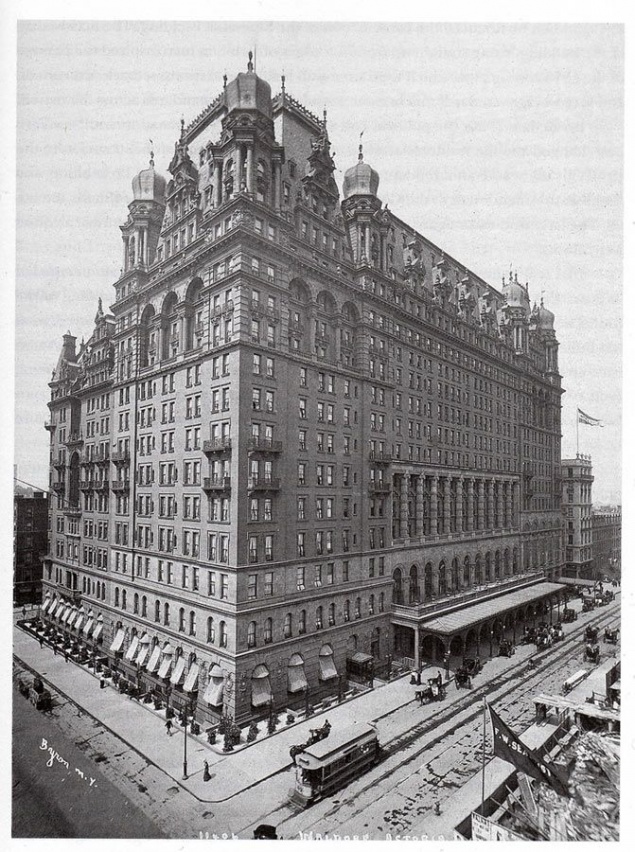
The New York style was so (1900):
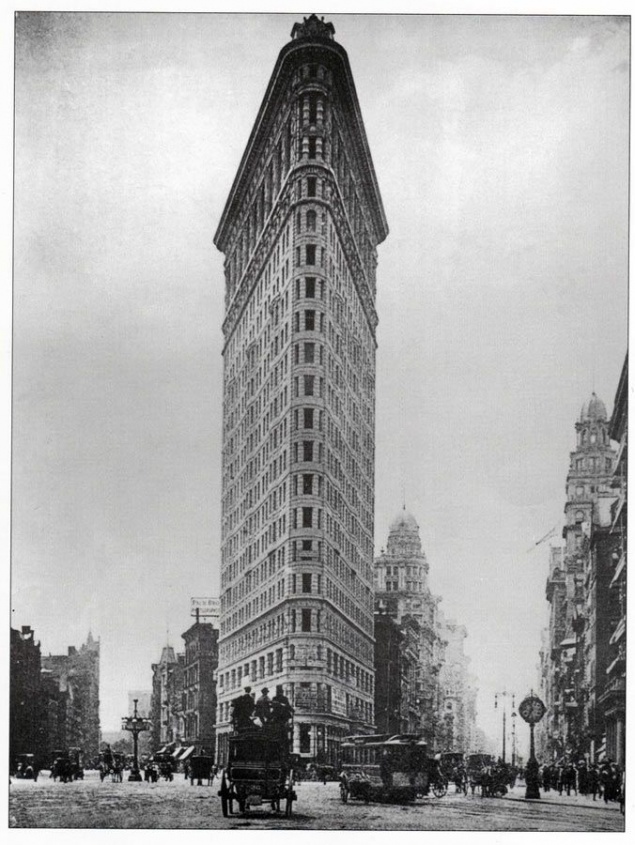
And the architect of Chicago built the New York-iron building (one of the most awesome in the world until now) in the style of Chicago (1902):
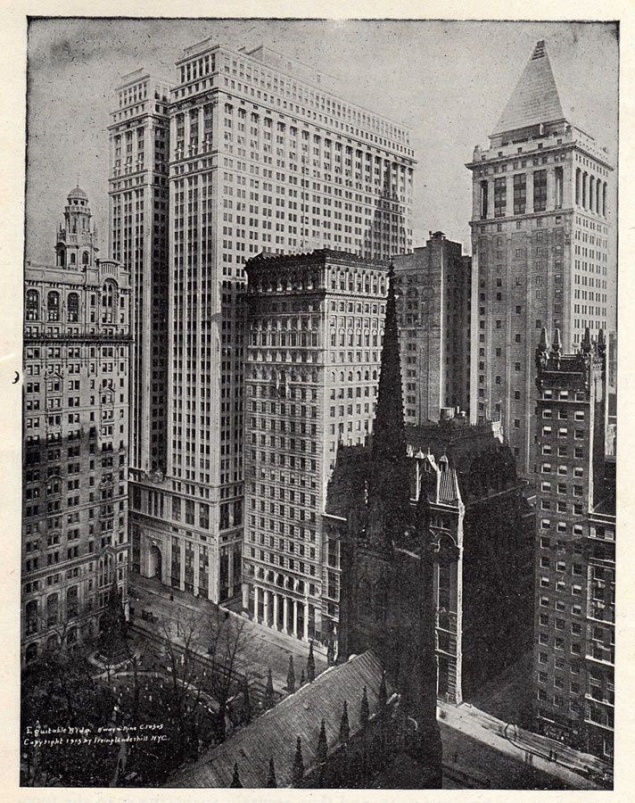
People began to complain that because of the skyscrapers streets were dark even during the day. They complain, complain, complain, complain, until in 1914 the capitalists have not built a 40-storey office building the size of a quarter.
And at this time in Moscow:

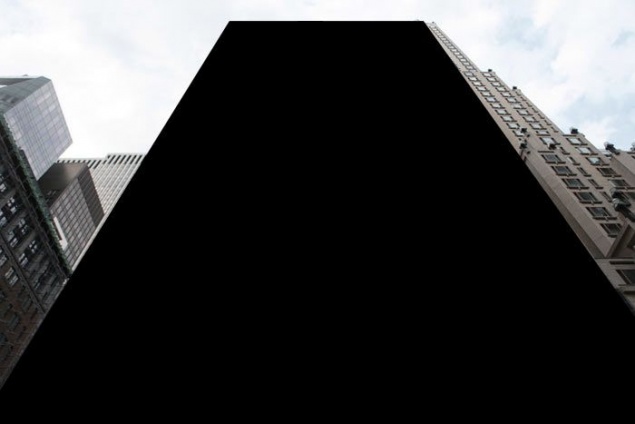
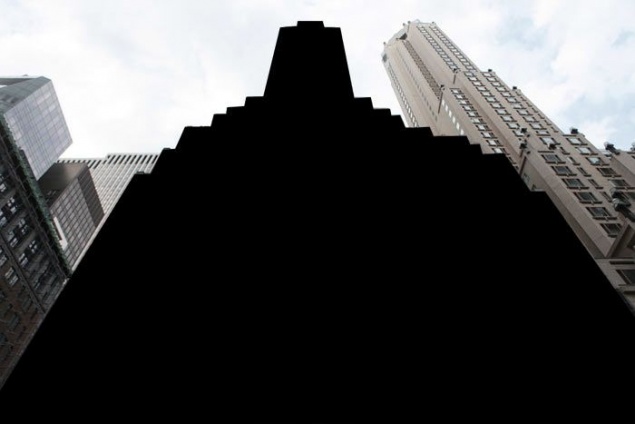
People howled permanently, so we had in 1916 to impose a ban on the construction of large flat surfaces, but instead instructed to build all the skyscrapers with ledges (setbekami). So a compromise was reached between the dense and high buildings and the sunlight and the air in the streets.
Without ledges:
On the ledges:
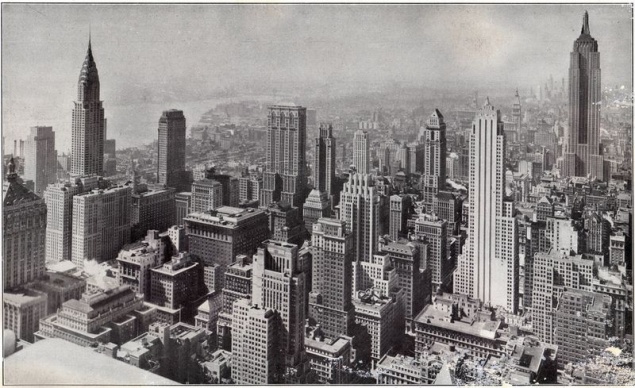
Appearance skyscrapers New York area in 1930:
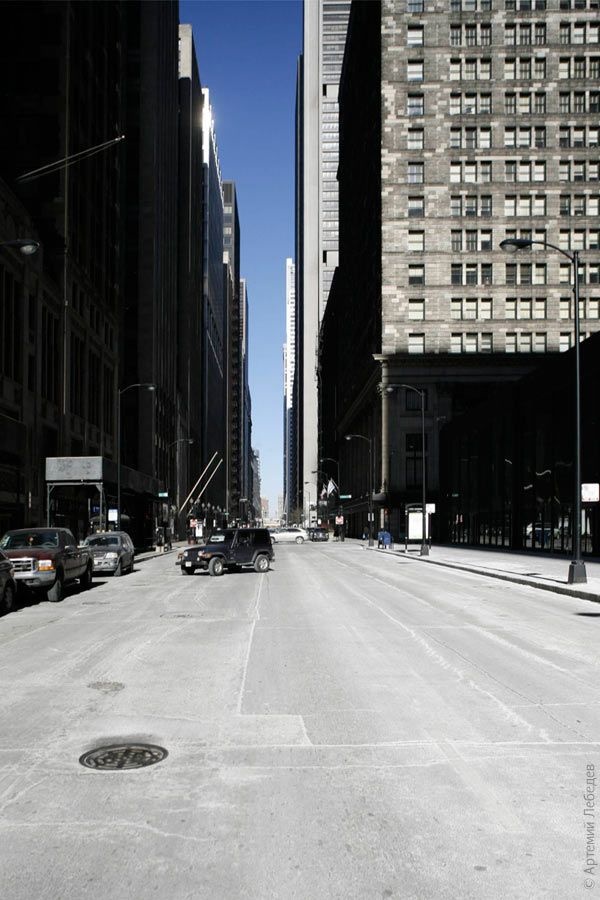
A Chicago spit on the people's complaints, so there continued to build in the Chicago style. So today, Chicago's not like New York:
But back in New York. In 1914 it was finished the building for municipal services in the neoclassical style.
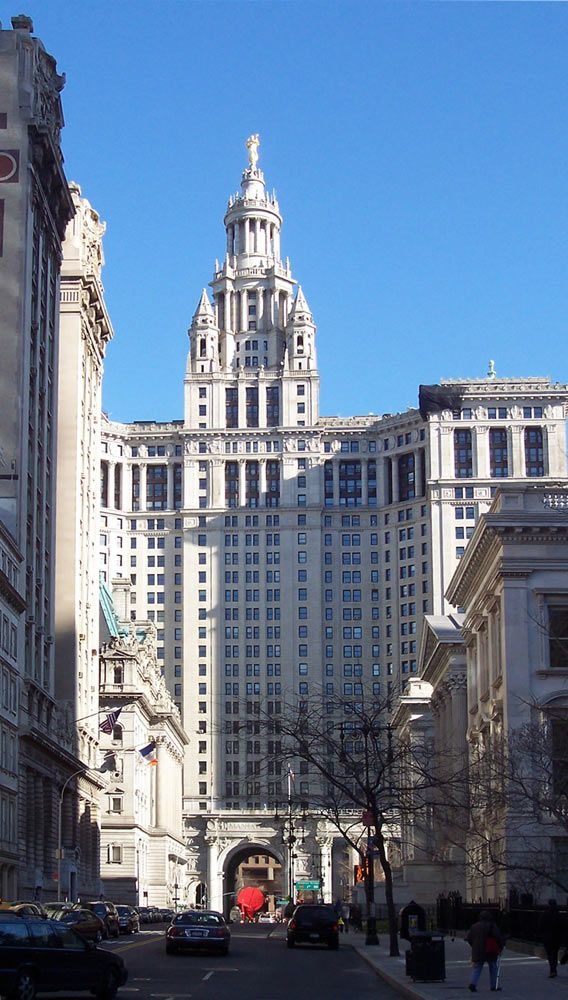
Comrade Stalin, when I saw this building, fell in love with him at first sight. Constructivism, the avant-garde, art-deco (not had time to get to the USSR) went nafig marched. Instead, all the architects had to learn the Municipal building and learn how to do the same.

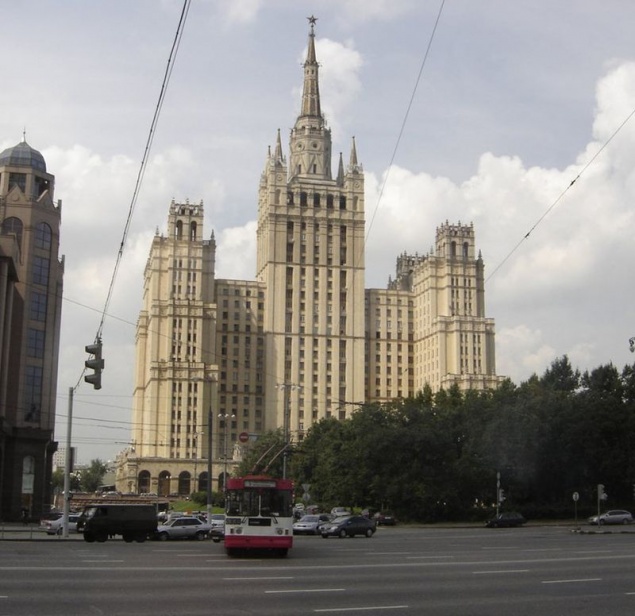
It is unlikely that a single Soviet people knew why Stalinist architecture such. And where did she come from ledges.
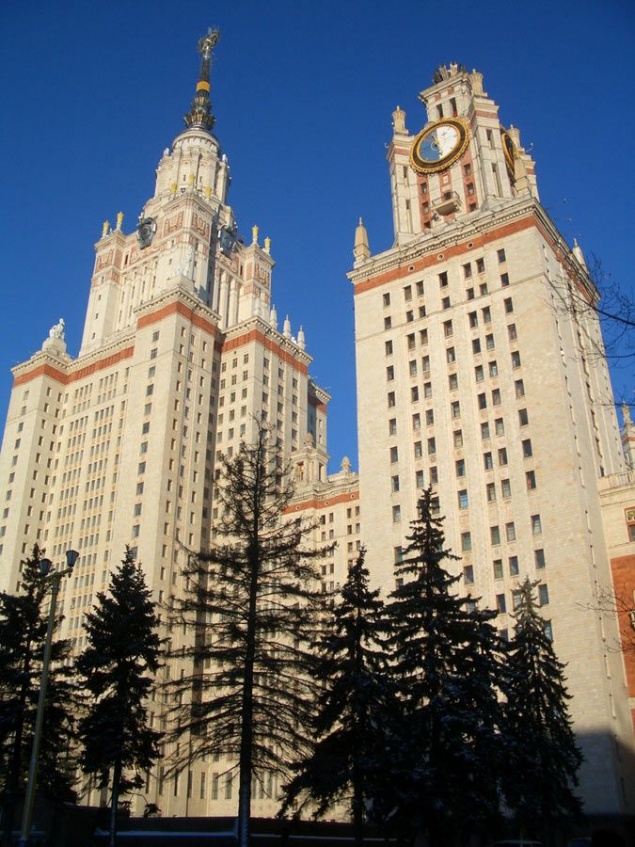
Similar buildings were then in Riga, and in Kiev and Warsaw.
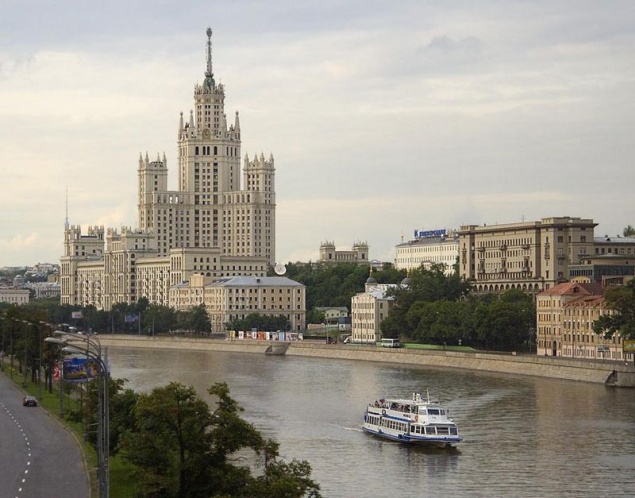
After the war it was necessary to build new buildings, gives us confidence in the Soviet man. By the way, after the war and until the death of Stalin in Moscow was forbidden to construct residential buildings less than eight floors.
In addition to the high-rise building the rest of the Stalin era it was built in the same spirit as the neo-classical building in New York.
This is New York:
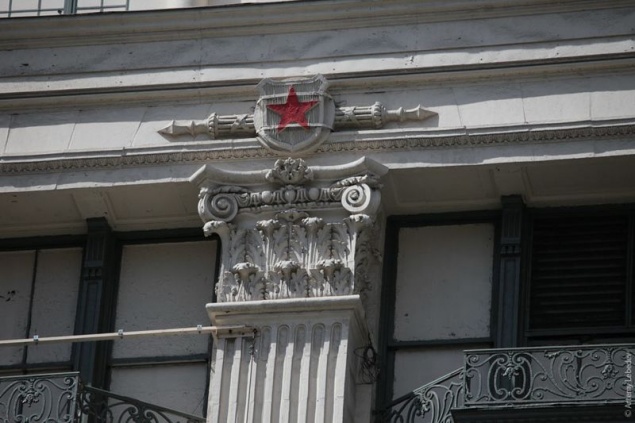
In 1961 in New York City have changed the town-planning law, obliged to provide public benches instead of the past and the first floor under the observation decks and restaurants.
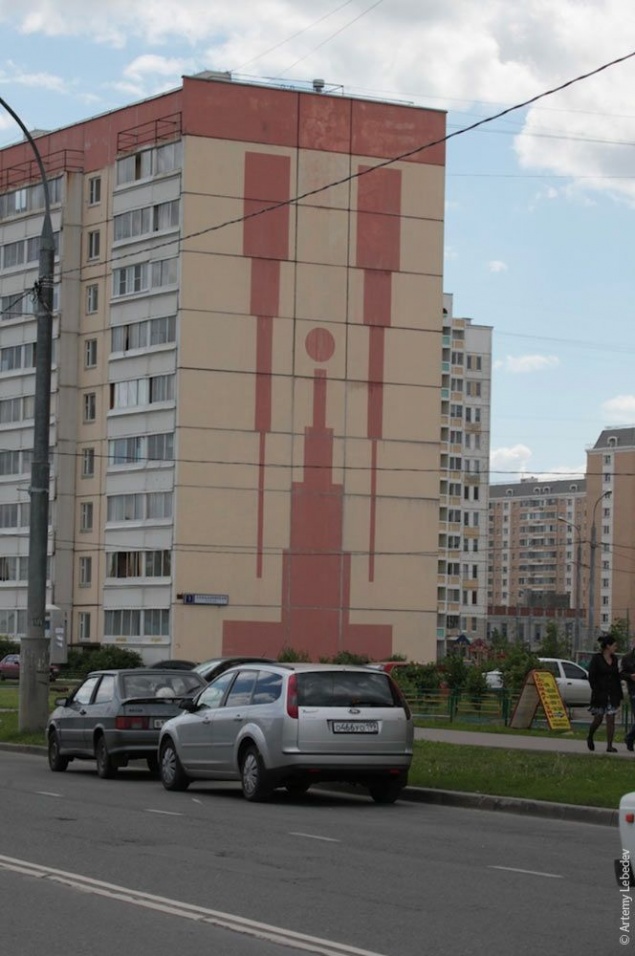
And in Moscow since then nothing more beautiful and not built.
Source: tema.livejournal.com