12949
Fabulous beauty – Arabian and Andalusian horses
Wojtek Kwiatkowski's magical photographs of Arabian and Andalusian horses literally take your breath away. He is the author and publisher of the world's most famous books about the Arabian horse breed. He has quite a lot of experience in this area. For 25 years he has collected a rather impressive library of photographs about this breed in Poland.
The Arabian horse first appeared in the Arabian Peninsula. Due to the special shape of the head and the high rise of the tail, this breed is recognized all over the world. It is also one of the oldest breeds - archaeological excavations have shown that similar Arabian horses lived as far back as 4500 years ago.
The Andalusian horse, also known as the purebred Spanish horse, was bred in the Iberian Peninsula. Her ancestors lived here for thousands of years. A separate Andalusian breed appeared in the 15th century, and over the centuries its appearance has changed little.
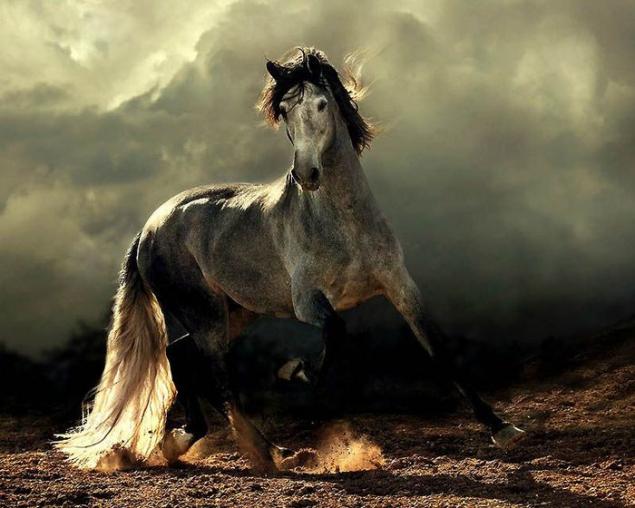
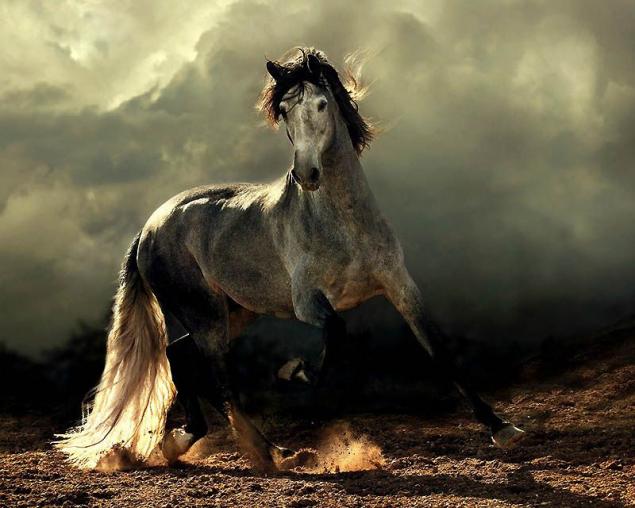
1. Spanish Horses – Fantasy The most common color of the Andalusian horse is gray, although there are others. They are known for their quick-wittedness, sensuality, and obedience. (Wojtek Kwiatkowski)
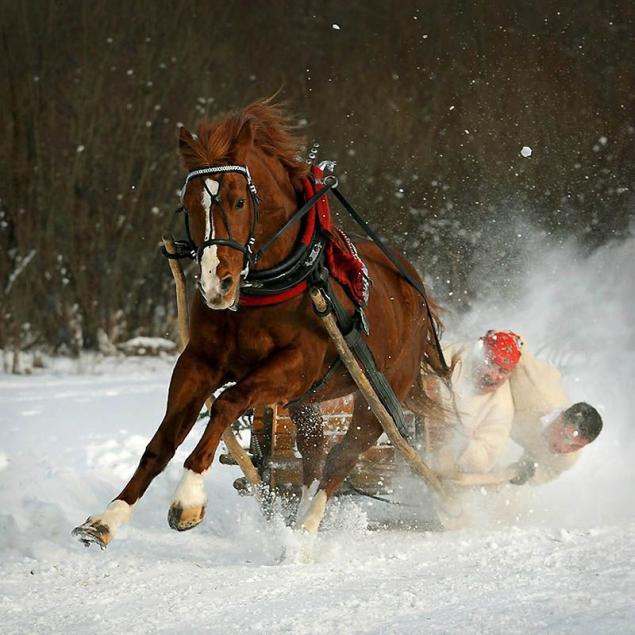
2. Arabian horses – Kumoterki. The Arabian horse is very mobile. They especially love endurance races, but they are happy to take part in other types of competitions. (Wojtek Kwiatkowski)
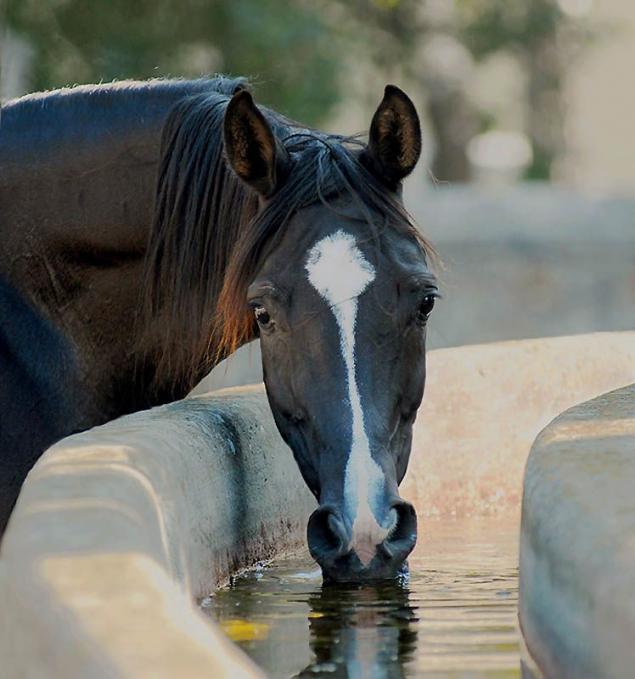
3. Arabian horses Arabian horses have a clear wedge-shaped shape, a wide forehead, large eyes, large nostrils and a small muzzle. Many have a characteristic concave profile. Many horses of this breed also have a small bulge on the forehead between the eyes. It is said that it helps the horse in the dry natural conditions in which this breed was formed. (Wojtek Kwiatkowski)
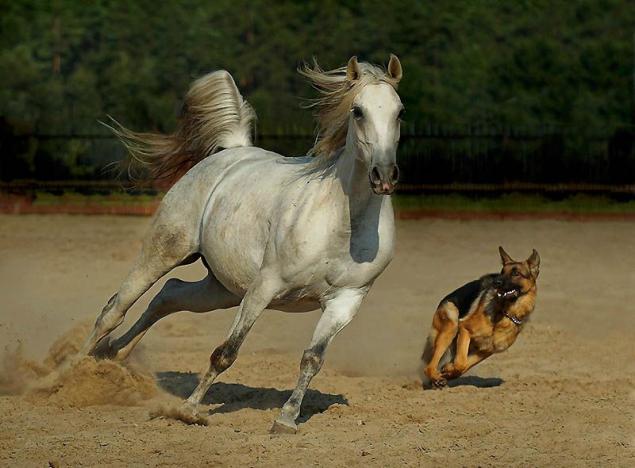
4. Dog and horse. Arabian horses spread around the world through warfare and trade, and they were supposed to improve other breeds by adding speed, endurance, and strong bones. Today, Arabian horse blood can be found in almost any breed of modern racehorse. (Wojtek Kwiatkowski)
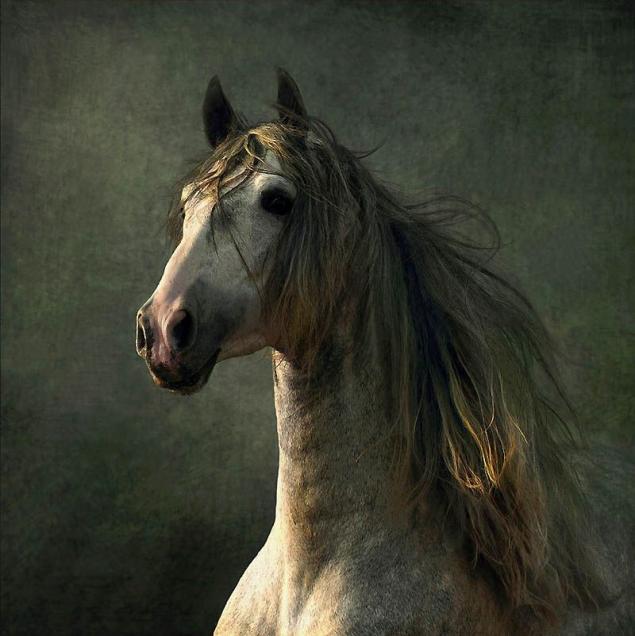
5. Spanish Horses – Conquistador This breed was known for its courage as a war horse and was prized for its noble blood. The Spanish government used this breed as an instrument of diplomacy and many kings of Europe had the best specimens of this breed in their stables. (Wojtek Kwiatkowski)
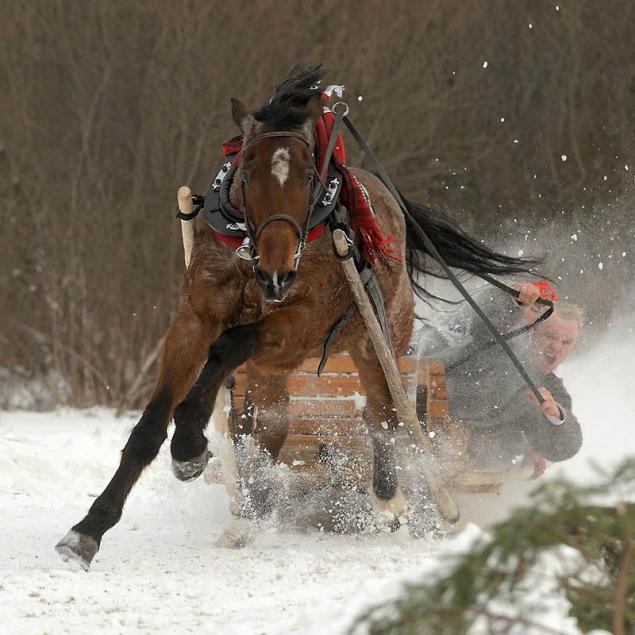
6. Arabian horses With the rise of light cavalry, the endurance and mobility of Arabian horses gave a military advantage to any army they were in. (Wojtek Kwiatkowski)
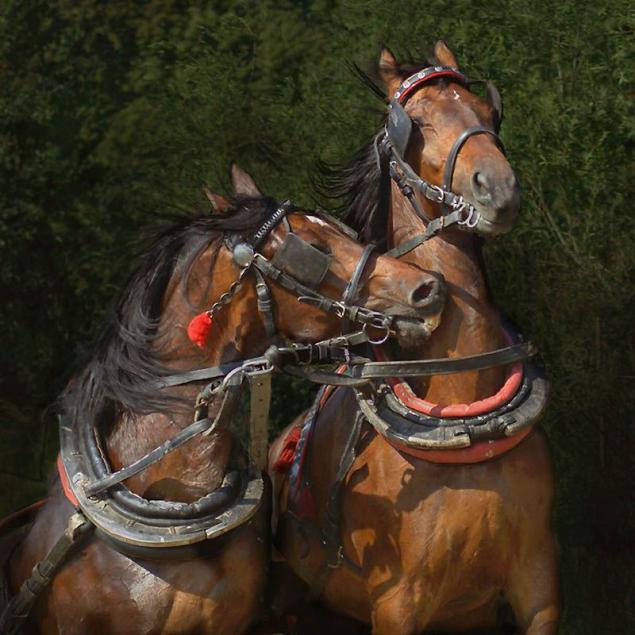
7. Horses with sunken profiles appeared fierce, and high-set tails often attracted the attention of artists in ancient Egypt and Mesopotamia, where these horses were often depicted in war or hunting. (Wojtek Kwiatkowski)
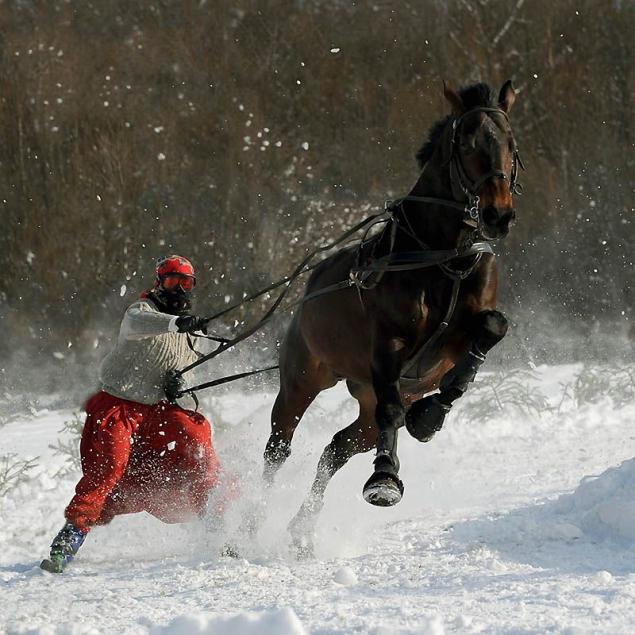
8. The Arabian breed is more represented than others in endurance competitions due to its resilience. It is a leading breed in competitions such as the "Tevis Cup", in which horses cover 160 km. (Wojtek Kwiatkowski)

9. Another characteristic feature of the Arabian breed is an arched neck with a large throat on a clear collar. The best representatives of the breed have a long and flexible neck. (Wojtek Kwiatkowski)
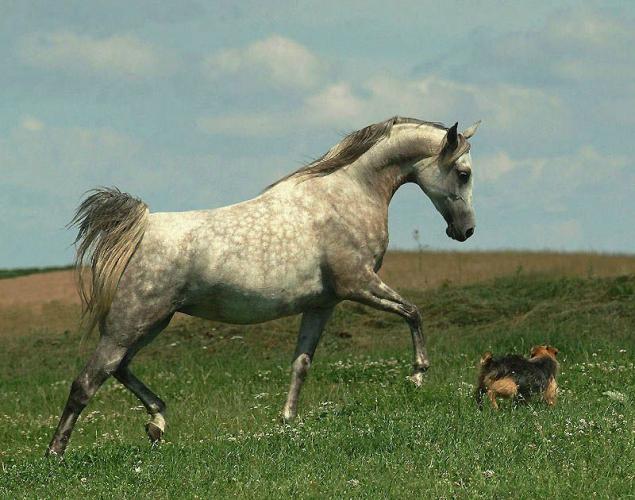
10. Other distinguishing features of the Arabian horse are a relatively long raised croup and, of course, a high tail posture. (Wojtek Kwiatkowski)
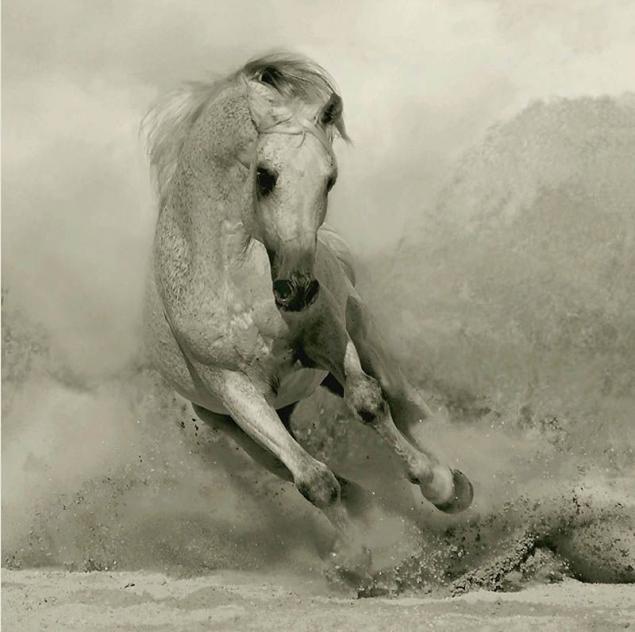
11. As with other warm-blooded animals, the Arabian horse's sensuality and intelligence help it learn quickly and communicate well with its riders; However, these horses learn bad habits as quickly as good ones, so this breed does not tolerate offensive or inadequate treatment. (Wojtek Kwiatkowski)
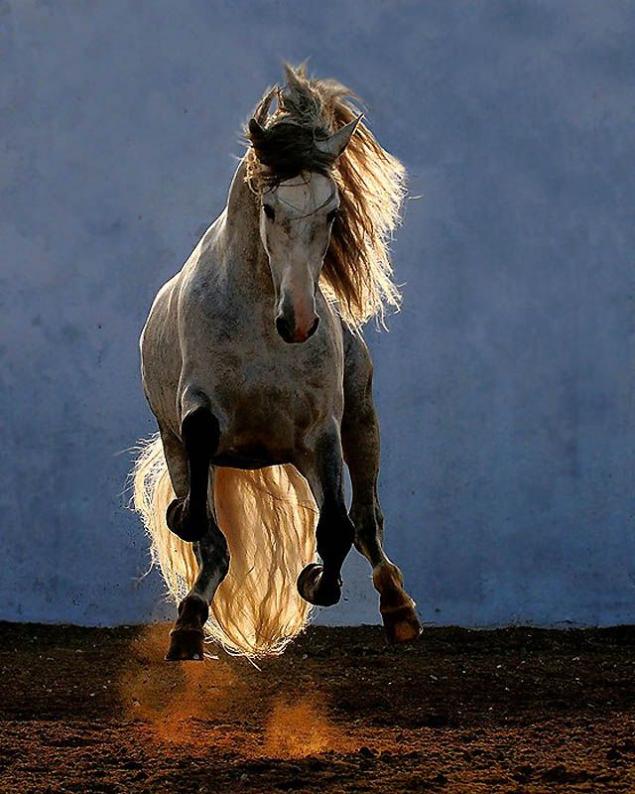
12. Andalusian horses are known for their mobility and ability to quickly learn complex movements such as hip turns. (Wojtek Kwiatkowski)
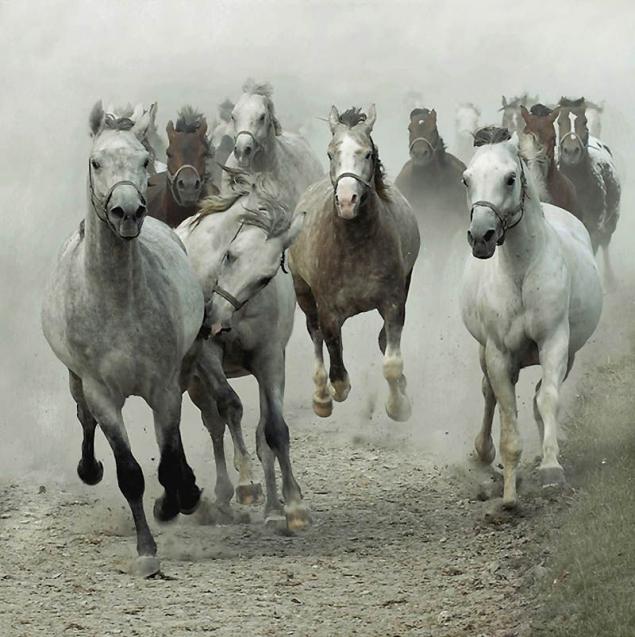
13. Although many Arabian horses appear to be white, they are not white. White hair is usually created by the natural action of the gray gene, and all Arabian horses are actually gray. (Wojtek Kwiatkowski)
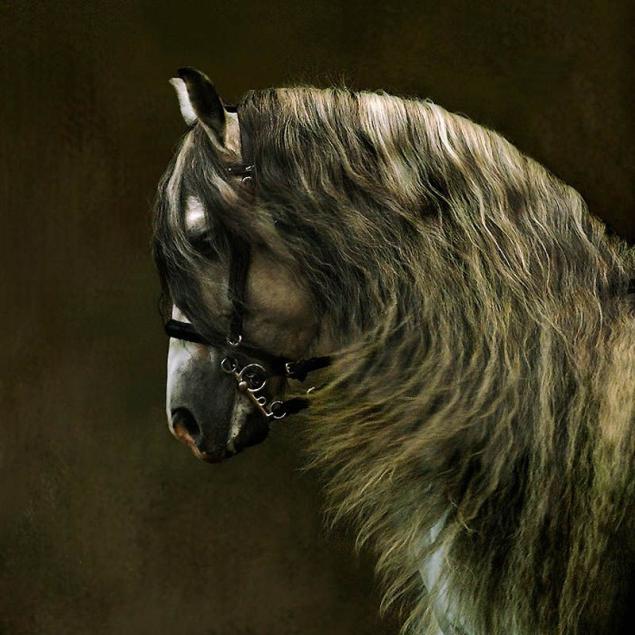
14. Andalusian horses have long, thick manes and tails. (Wojtek Kwiatkowski)
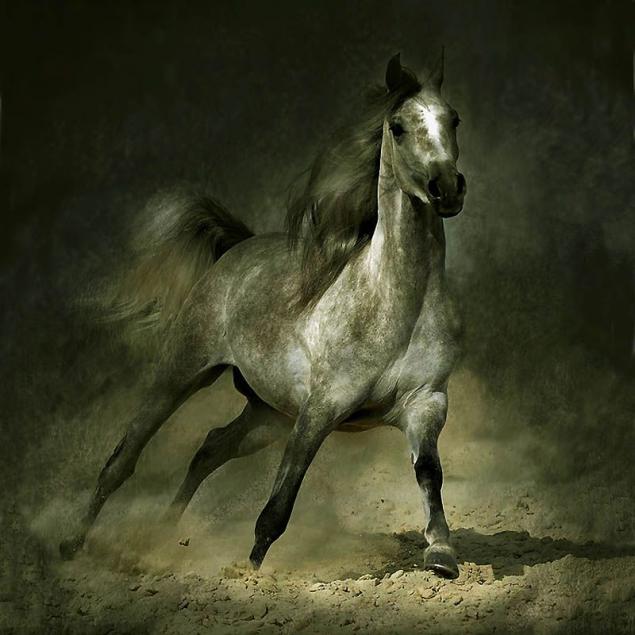
15. According to Bedouin legend, Allah created the Arabian horse from the four winds – the spirit of the North, the power of the South, the speed of the East and the intelligence of the West. (Wojtek Kwiatkowski)
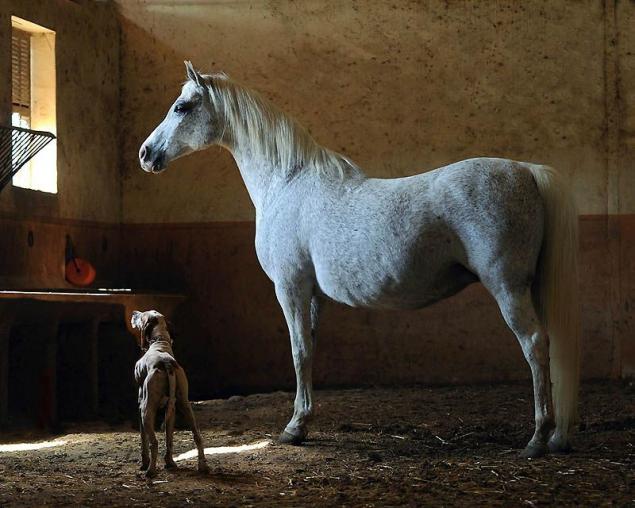
16. Arabian is one of the oldest breeds in the world. (Wojtek Kwiatkowski)
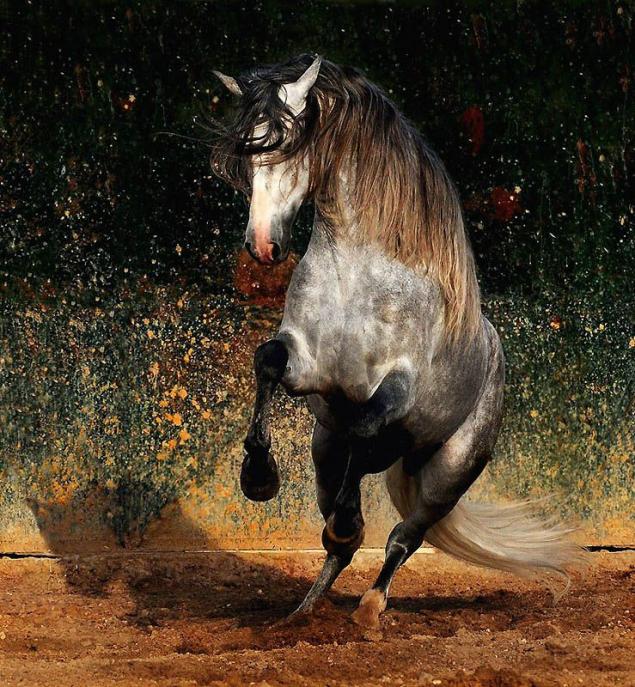
17. Andalusian horses, which are 157 – 168 cm tall, elegant and well-tailored. (Wojtek Kwiatkowski)
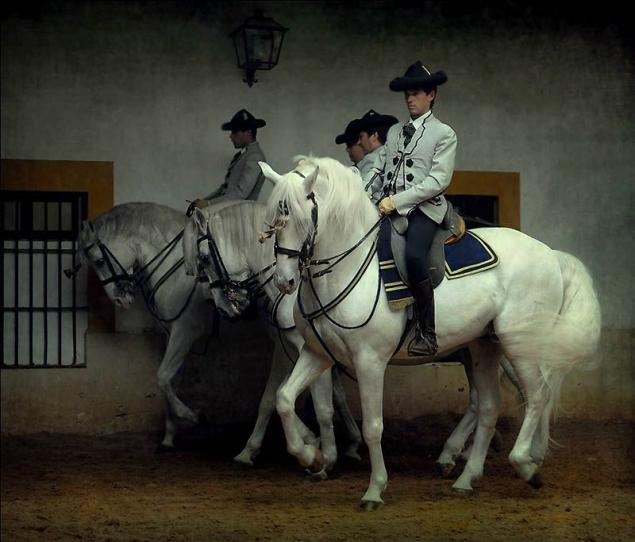
18. At the 2002 World Equestrian Games, two Andalusian horses were on the horse riding team that won the bronze medal. The same team took silver at the 2004 Summer Olympics (the photo shows the wrong team). (Wojtek Kwiatkowski)
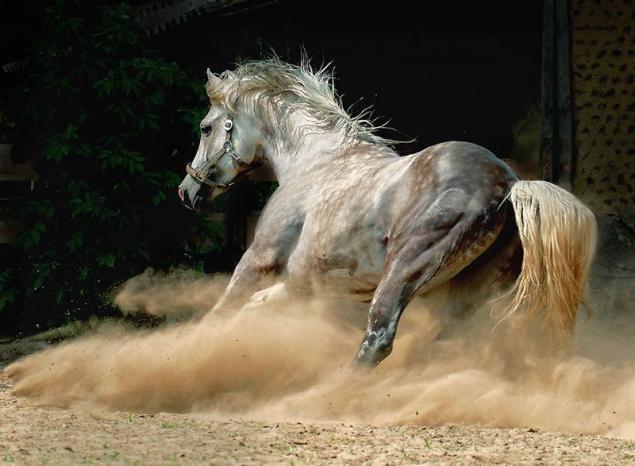
19. However, historically, Andalusian horses have also been used in cattle ranching, especially to work with Pyrenean bulls, known for their aggressive temperaments. (Wojtek Kwiatkowski)
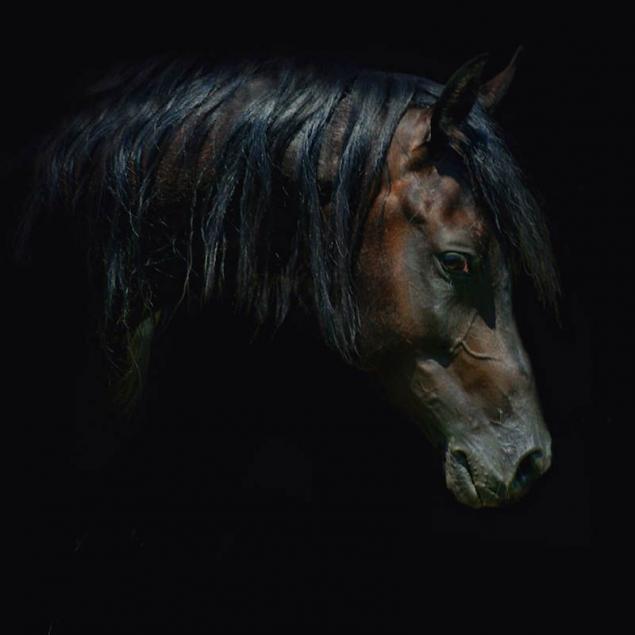
20. Horses with a clear head shape and high-set tails were depicted in the art of Ancient Egypt in the 16th century BC (Wojtek Kwiatkowski)
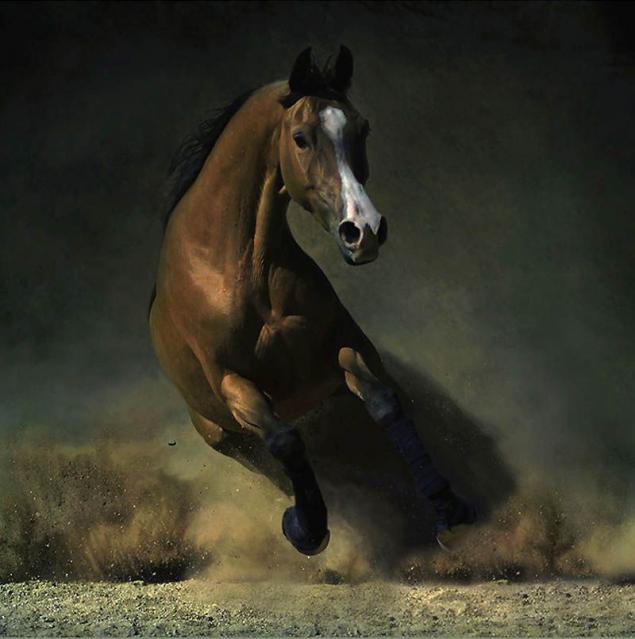
21. Arabian horse. (Wojtek Kwiatkowski)
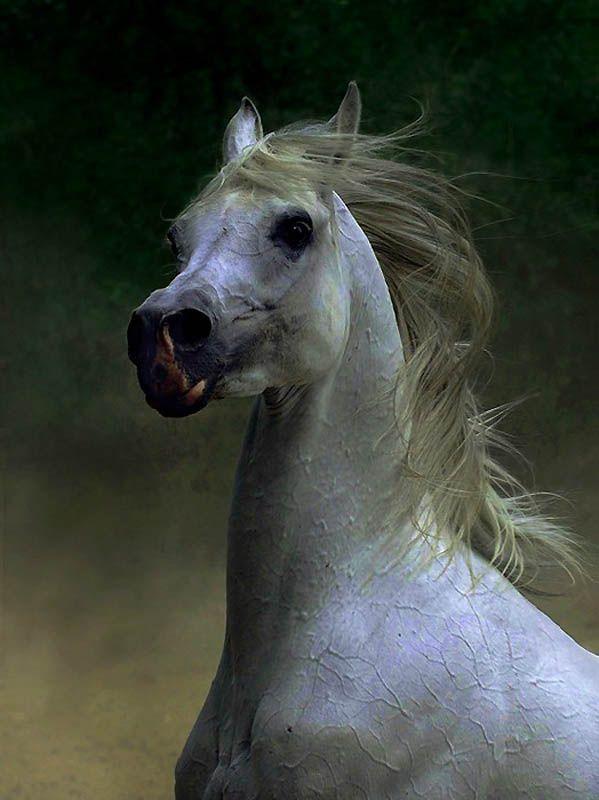
22. Today, more Arabian horses are registered in North Aemric than in the entire world combined. (Wojtek Kwiatkowski)
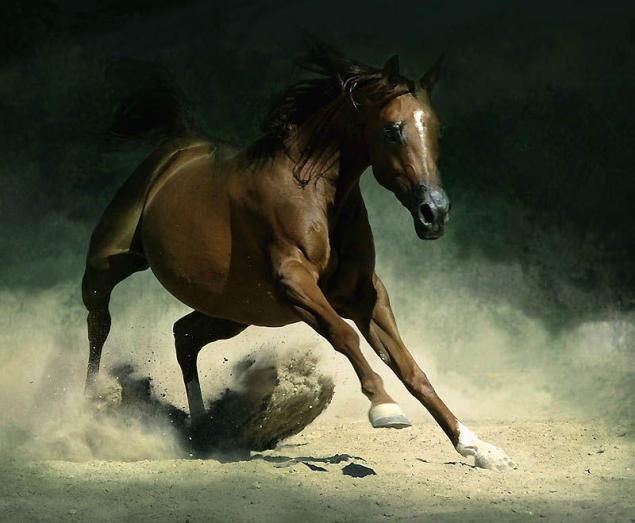
23. Several Arabian horses of Polish origin were confiscated from the Nazis and imported to the United States after World War II. (Wojtek Kwiatkowski)
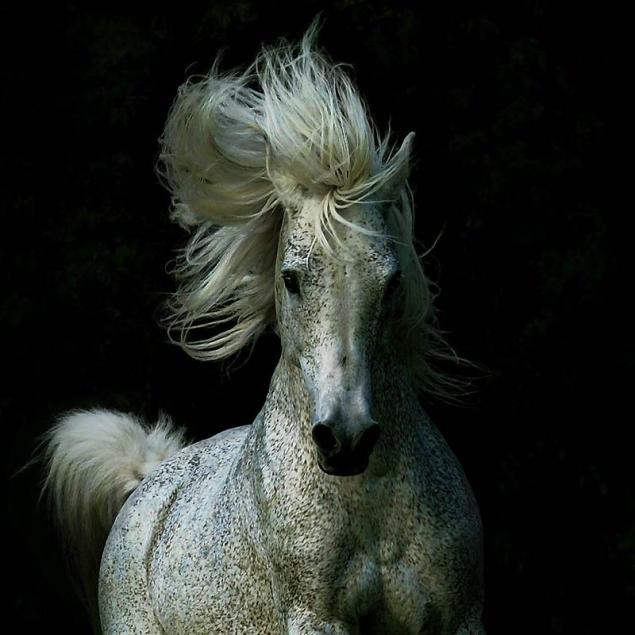
24. In the 80s, Arabian horses became a popular status symbol, and they were sold as works of art. (Wojtek Kwiatkowski)
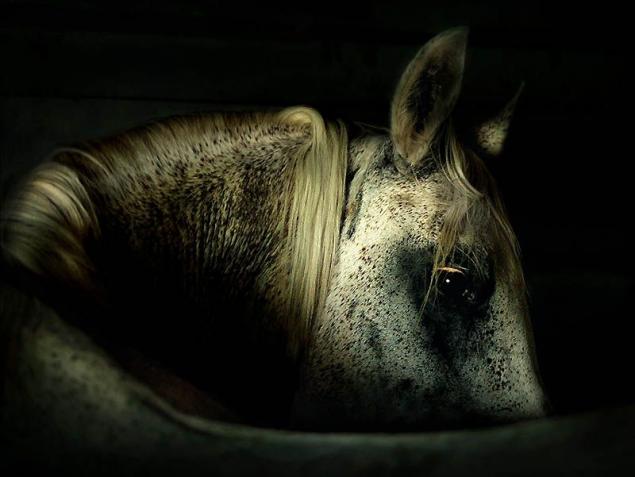
25. Prices for this breed soared in the United States after an auction in which a horse named Love Potion went under the hammer for $2.55 million in 1984, and the most expensive Arabian horse was the stallion Padrón, sold for $11 million. (Wojtek Kwiatkowski)
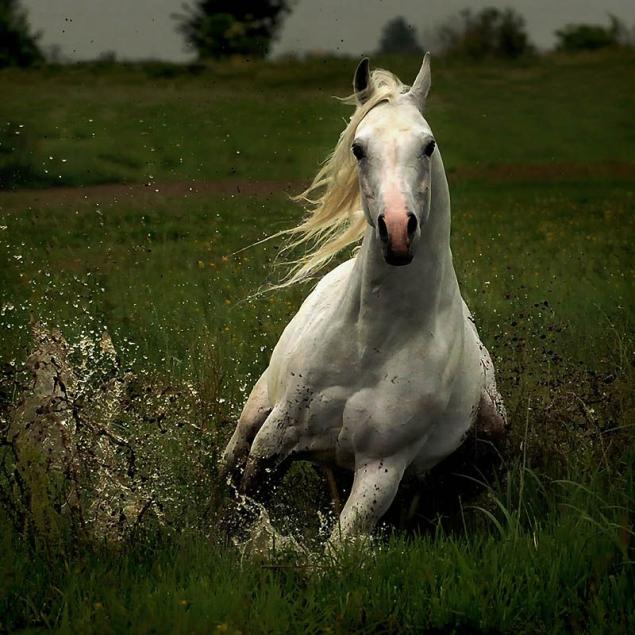
26. By 2003, a study was conducted in America, which found that 67% of purebred Arabian horses are bred for leisure riding. (Wojtek Kwiatkowski)
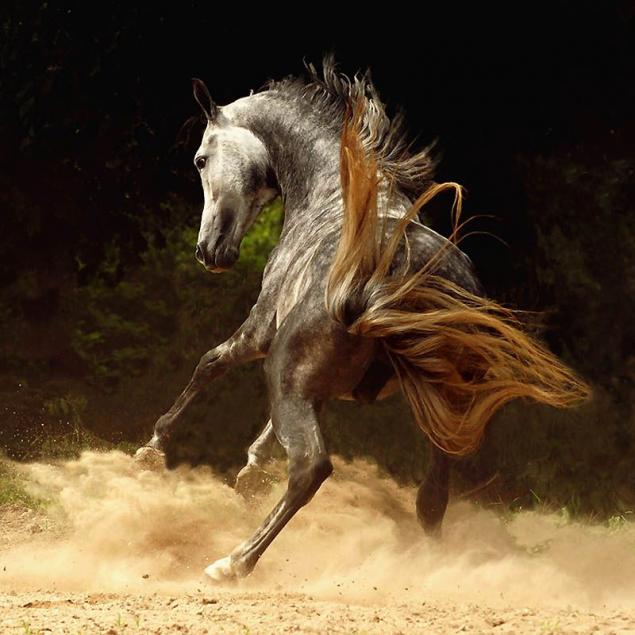
27. The Arabian horse originated in the Arabian desert, and all Arabian horses are related to this source in one way or another. (Wojtek Kwiatkowski)
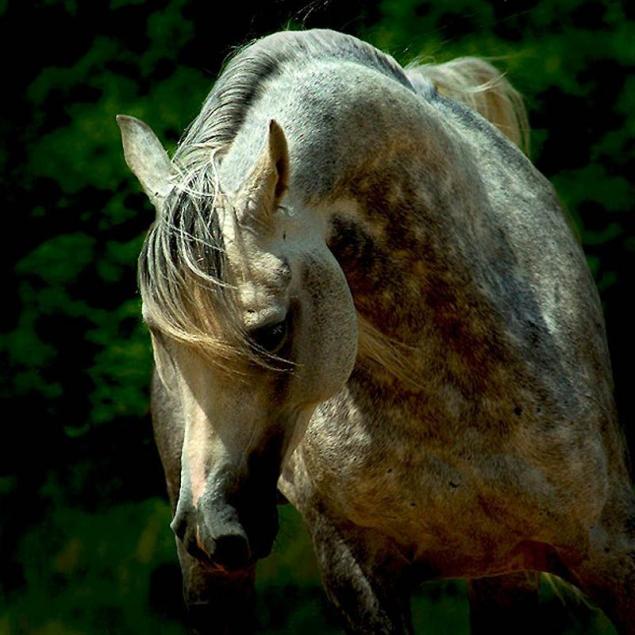
28. A thoroughbred Arabian horse is one that is registered in the Arabic book of thoroughbred horses. (Wojtek Kwiatkowski)
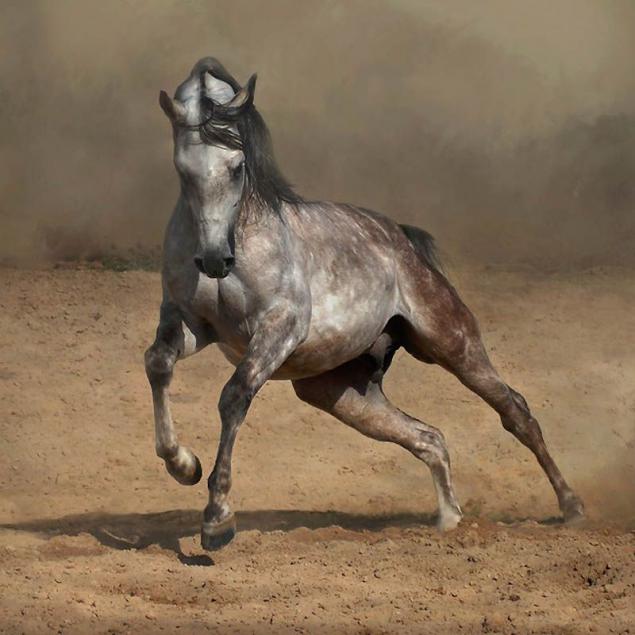
29. Arabian horses are very agile and often appear in activities such as horse racing, saddle disciplines, hunting, as well as riding, endurance races, youth competitions, the art of horseback riding, and many others. (Wojtek Kwiatkowski)
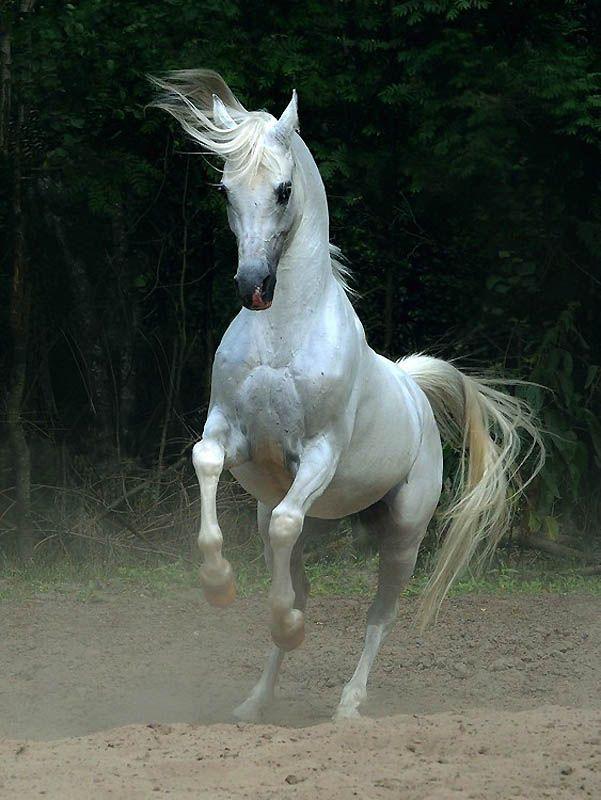
30. For those who are not interested in competitions, Arabian horses are suitable just for riding and farming. (Wojtek Kwiatkowski)
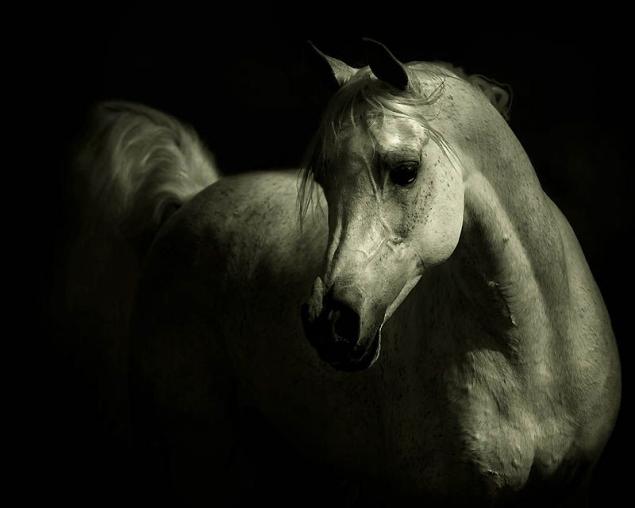
31. Arabian horses participate in a wide variety of events, including fairs, films, parades, circuses, and others. (Wojtek Kwiatkowski)
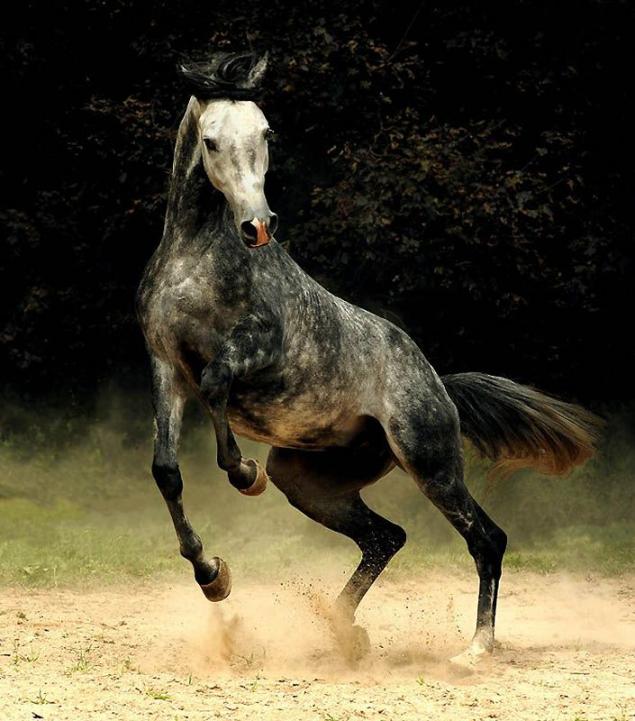
32. Arabian horses can often be seen on the emblems of individual teams. (Wojtek Kwiatkowski)
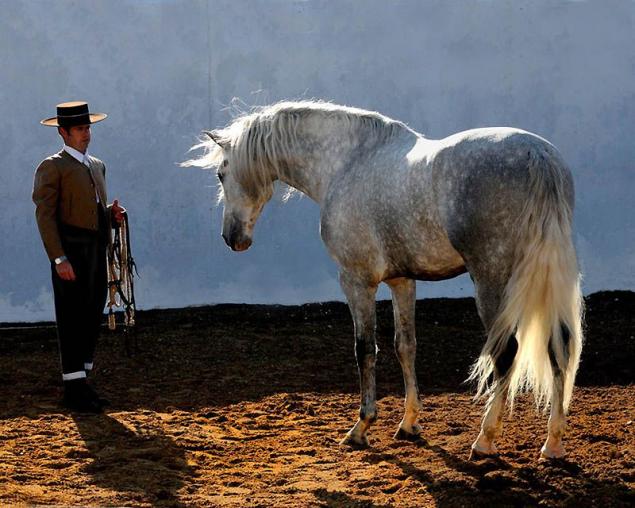
33. Andalusian horses are used for horse racing, entertainment, and exhibitions. (Wojtek Kwiatkowski)
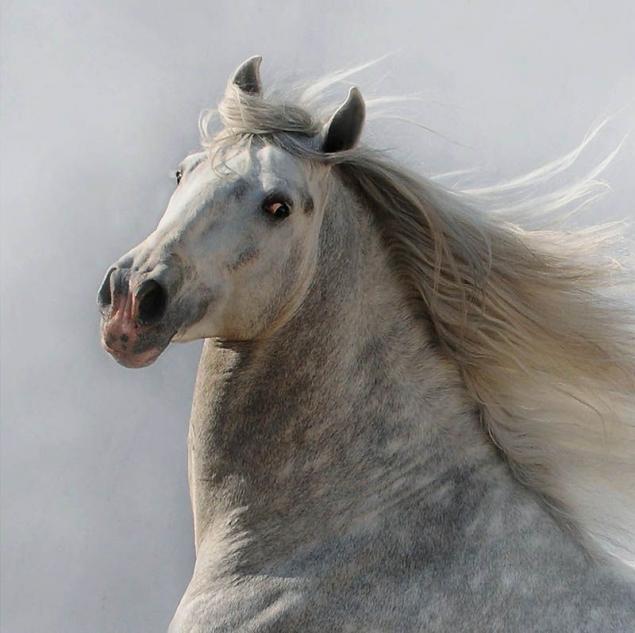
34. The majestic appearance of the Andalusian horse, with its curved neck, muscular structure, and vigorous gait, has made it a popular breed for filming, especially in historical and fantasy films. (Wojtek Kwiatkowski)
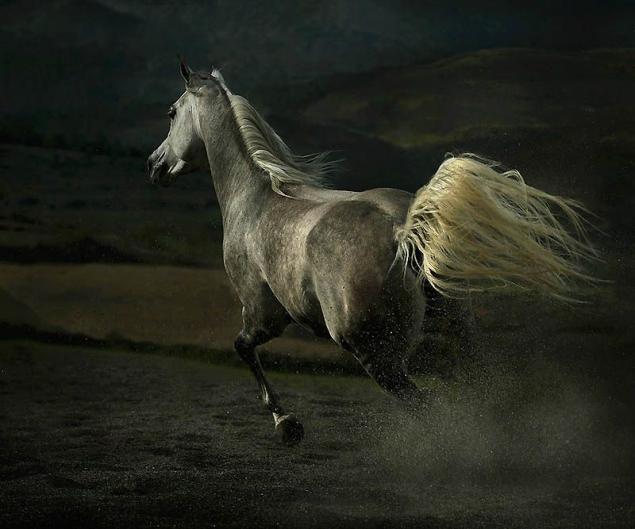
35. Arabian horses are also used in search and rescue operations and sometimes in the police. (Wojtek Kwiatkowski)
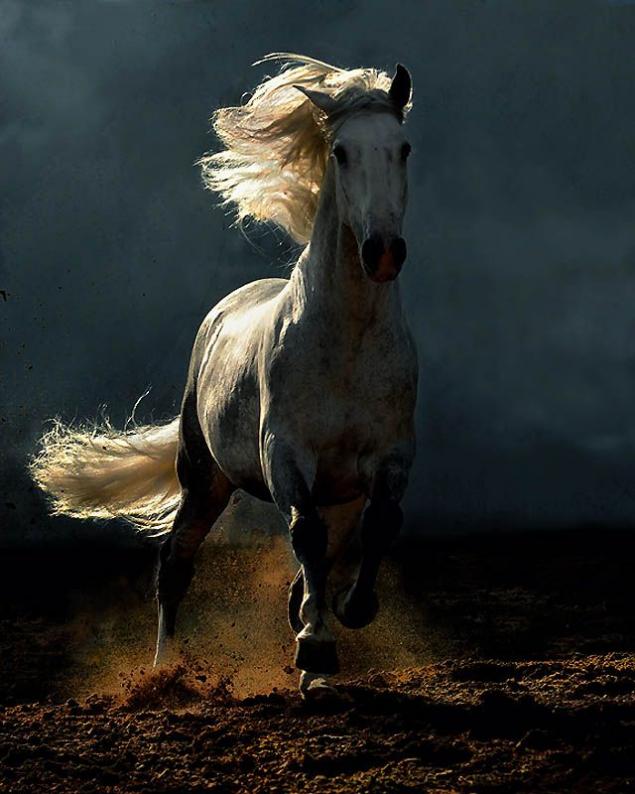
36. Andalusian horses are real stars of big cinema. They can be seen in films such as Gladiator, Interview with the Vampire, Lara Croft, Tomb Raider: Cradle of Life, and Braveheart. These horses have also appeared in films such as The Lord of the Rings, King Arthur and The Chronicles of Narnia: The Lion, the Witch and the Wardrobe. (Wojtek Kwiatkowski)
Source: bigpicture.ru