23901
Interesting facts about cartoons
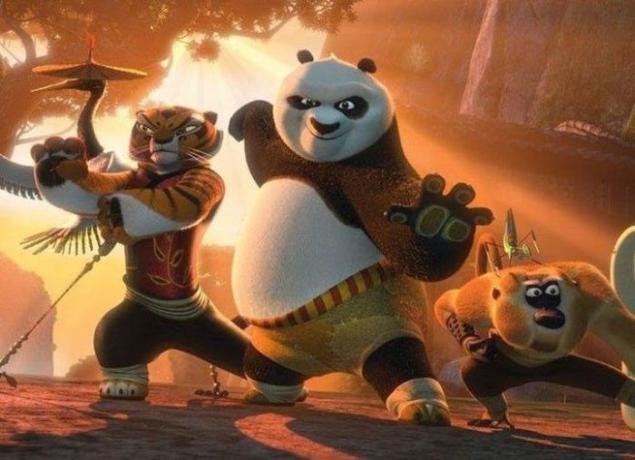
Kung Fu Panda
After watching this cartoon, you can learn a few Chinese words. For example, the names of the main characters are chosen from real Chinese words. "Shifu" means "teacher", "Tai Lung" means "great dragon", "Oogway" means "turtle". In the Chinese version of the cartoon, Master Crane was voiced by Jaycee Chan (son of Jackie Chan).
Once upon a time there was a dog
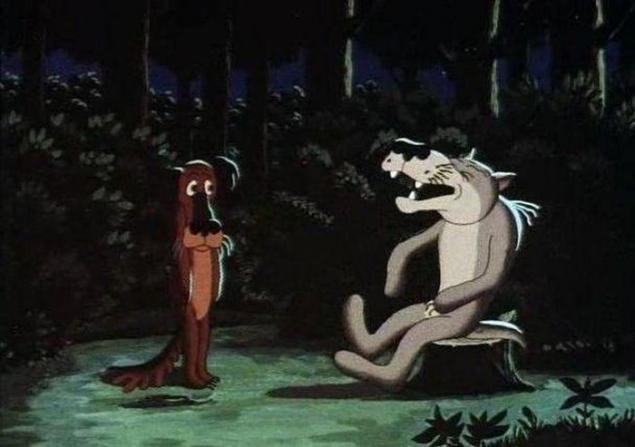
In 2005, a bronze monument to the Wolf weighing about 200 kg was erected in Tomsk. Surprisingly, the Wolf monument talks, he can pronounce eight phrases ("I'll sing right now!", "God help me!", "Well, you come in if anything!", etc.). The authors of the cartoon of the film talk about how the character of the Wolf was created. Initially, in the cartoon, he was depicted not as he is familiar to us. The fact is that when voicing the role of this character by Armen Dzhigarkhanyan, it turned out that the drawn character did not fit the voice of the actor at all, and after that the Wolf was urgently redrawn. This is how the cartoon character that we see on our screens was born.
SpongeBob
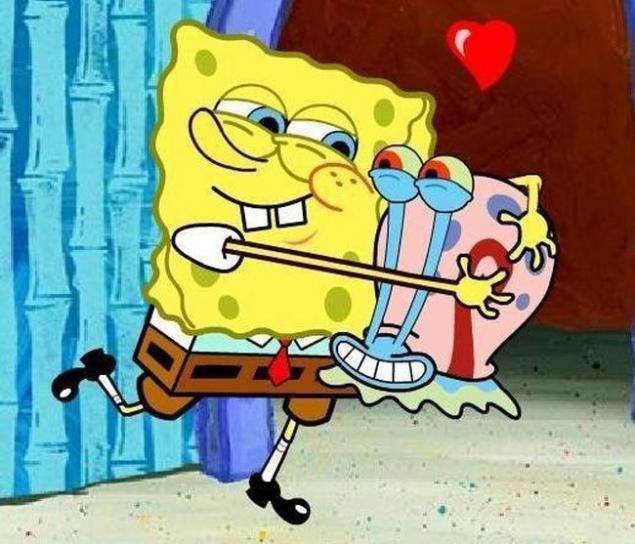
The show was originally called SpongeBoy, but since such a name already existed and was registered, SpongeBoy was renamed. Spongebob has 40 holes. Former teacher and marine biologist Stephen Hillenburg is the author and creator of SpongeBob. Stephen Hillenburg studied animation at an art school. Apparently, he created SpongeBob in his own image, because, like his character, he once worked as a cook in a seafood restaurant.
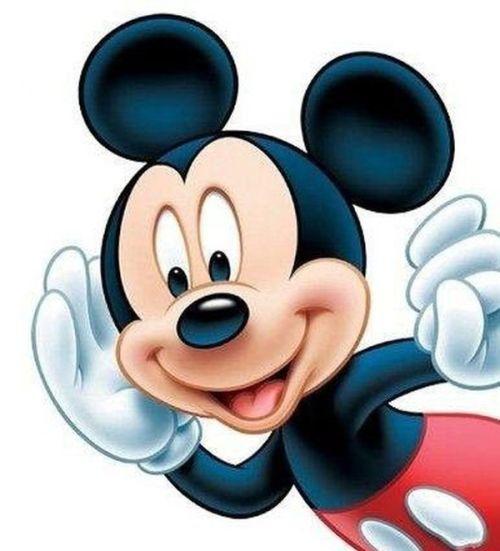
Mickey Mouse
An interesting fact is that the creator of Mickey Mouse, Walt Disney, was afraid of mice. Mickey Mouse has his own star on the Hollywood Walk of Fame. The company that created Mickey Mouse, The Walt Disney Company, is fighting for the non-termination of copyright protection for the image of Mickey Mouse, which was estimated to be worth more than three billion US dollars in 2008. Due to the fact that the company's activities were aimed at periodically renewing the terms of protection of property copyrights, Mickey Mouse never entered the public domain.
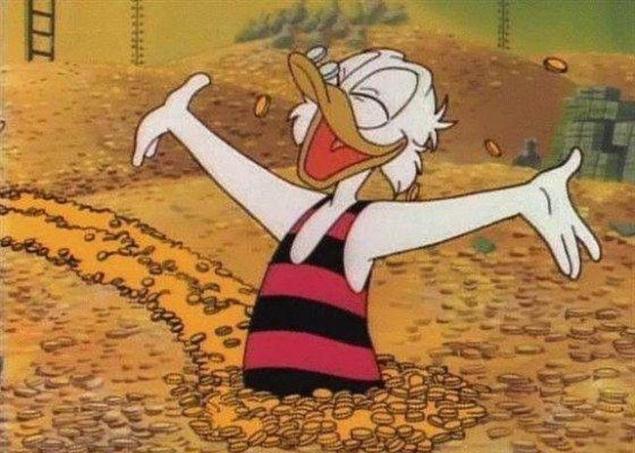
Scrooge McDuck
In 2007, the Glasgow City Council included Scrooge McDuck in the list of famous and outstanding people in the city. According to Forbes magazine, Scrooge McDuck topped the list of the fifteen richest fictional characters in 2007. The compilers of this list explained that this was due to the rise in gold prices (in 2005 and 2002, Scrooge ranked sixth and fourth, respectively).
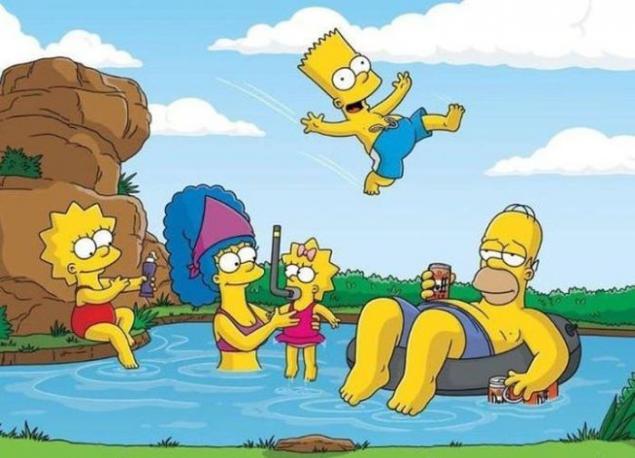
The Simpsons
In South Australia, from 1990 to 1996, beer was produced under the Duff brand. However, it was discovered that its producers had used the Simpsons title without permission, and its production was quickly shut down. At the moment, this beer is priced up to 10 thousand dollars per box, while the manufacturer cost such a box $24. In Angola, the premiere of The Simpsons was advertised with the help of the image of the "African" Simpsons family.
An Angolan advertising agency changed the appearance of the characters to look like an Angolan family. On advertising posters that were dedicated to the first screening of "The Simpsons" by an African television company, all family members are depicted as "dark-skinned" and shod in flip-flops.
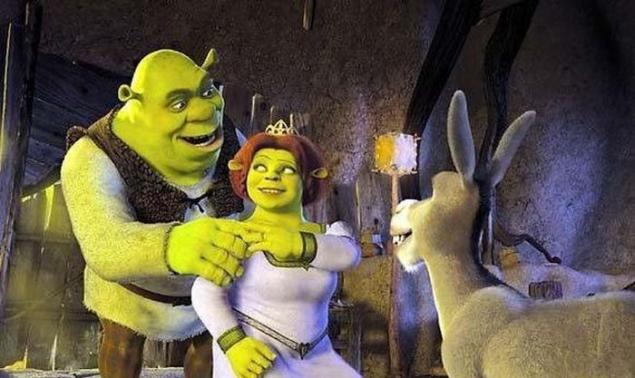
Shrek
Surprisingly, it turns out that when recording the characters' lines, the actors never saw each other - each of them worked separately, and the lines of their partners were voiced by an assistant. The animators in the cartoon modeled the movements of the Donkey based on the movements of the dog. Only one chase scene at the beginning of the film was created based on the rabbit's movements. Before showing this cartoon to the general public, it was viewed by a group of lawyers, and this was not done for their entertainment, they had to determine whether the Walt Disney Company could sue for the non-traditional use of images from their cartoons.
Madagascar
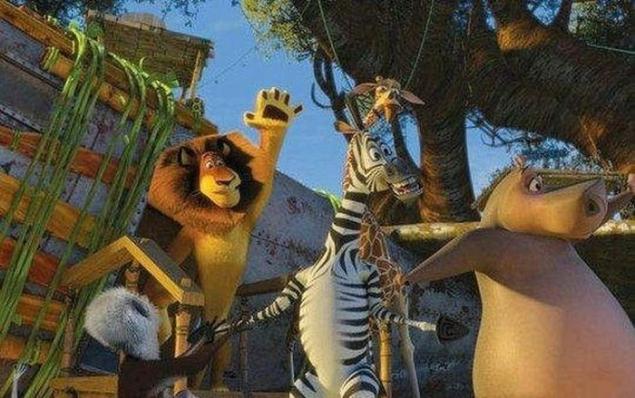
The budget of this cartoon is 78 million dollars. The Russian version is voiced by famous Russian artists - Oscar Kuchera (Marty), Masha Malinovskaya (Gloria), Alexander Tsekalo (Melman) and Konstantin Khabensky (Alex). In its original form, Marty's zebra is voiced by an African-American, according to the director's plan, his voice was supposed to give most of his phrases a certain "black" meaning with a manifestation of American satire. In the Russian translation, Marty is voiced by Oscar Kuchera, so some jokes of American origin turned out to be not very understandable to Russian-speaking people.
Volt
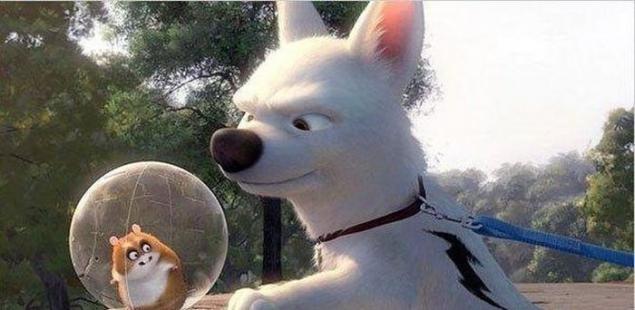
Despite the fact that images of different breeds of dogs were collected in the creation of Volt's appearance, nevertheless, the designers took the American white shepherd dog as a basis. The work on the creation of this cartoon lasted a long time, and about two or three months before the completion of the creation of this cartoon, several male animators decided not to shave until everything was finished. All the men who took part in the work on the cartoon, including the directors, decided to support them.
As a result, at the end of the work, many men grew solid beards. The creators of the film first came up with the images of the characters, found actors for voicing, and only then drew the characters based on their voices. But Rhino the hamster, or rather, his three-dimensional model in a plastic ball, was created by animators in the image of producer John Lasseter's pet chinchilla. The name of the main character sounds differently in different versions: in the English version of the cartoon, Bolt is called "Bolt" (can be translated as "Lightning"), in the Russian version "Bolt" sounds a little rude, so the authors of the Russian translation changed the name of the main character to "Volt". And they were right with the name, because there is a lightning bolt on the side of the dog.
Well, wait!
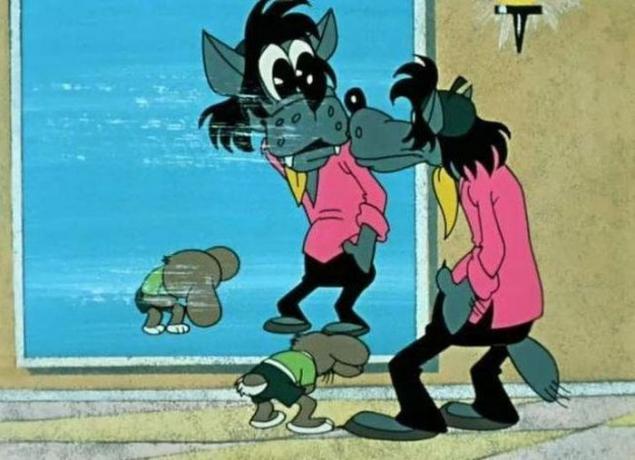
In the first issue, the appearance of the Wolf is slightly different from the version familiar to the audience. Wolf acquired his famous hairstyle and appearance only in the second episode of the cartoon. The outstanding Wolf can play the guitar (as well as the psaltery, albeit in his sleep) and sing in a hoarse voice in the manner of Vysotsky. She dances well. He skies and skates skillfully. He drives a car and a motorcycle badly. It copes much better with a truck crane, combine harvester and other similar devices.
The Wolf does not have a permanent job, this is evident throughout the film. However, according to his lifestyle (his clothes, the furnishings in his room, etc.), we can say that he meets good earnings, the so-called "sabbations", so he may well have quite expensive things for those times (a beautiful new motorcycle "Java"). But nevertheless, the Wolf also has times without money.
The return of the prodigal parrot
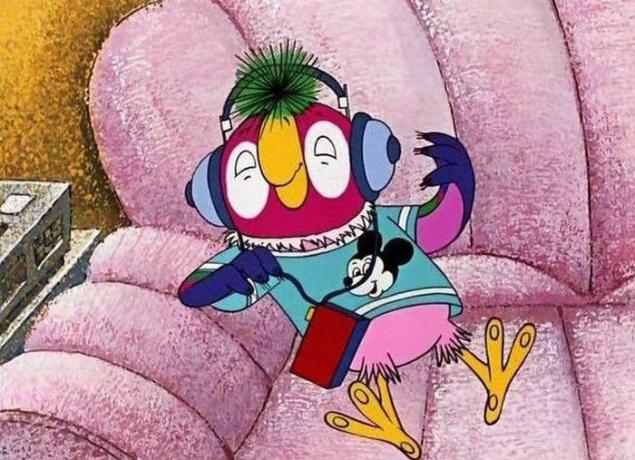
Child psychologists use the main idea of the cartoon to solve non-standard conflict situations with teenagers. The logo with the image of the parrot Kesha has long become a commercial trademark, which is enterprising by copyright holders and pirates. For example, computer video games such as "Free Parrots!" and "Kesha in the World of Fairy Tales", coloring books, and others have been created. This cartoon was so loved by both children and adults that A. Kourliandski wrote a book, which included the stories "Have you been to Tahiti?", "And we are well fed here too!" and "Lovely!"
Ratatouille
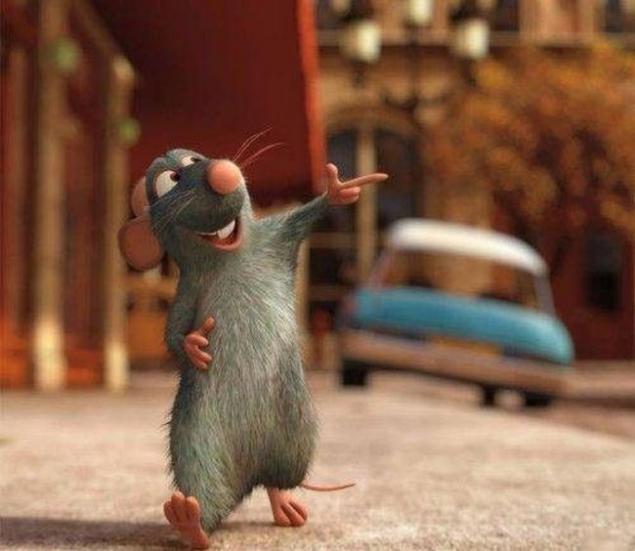
An ordinary person has about 110 thousand hairs. Remy has 1.15 million hairs, while Colette has 115 thousand hairs. In order to make the garbage heap look natural, artists photographed and examined a lot of real decay products. In total, fifteen different types of vegetable and fruit products were examined: apples, berries, bananas, mushrooms, oranges, broccoli and lettuce, which were left to rot and then photographed. Initially, the sculptor-designer made nine clay sculptures of Remy. The cartoon was nominated for 5 Academy Awards, including Best Animated Film of 2007.