2078
Travel with National Geographic
Far country, strange place, wonderful people and exotic animals. All this you will find in this issue of the visual journey with National Geographic. Note that most of the pictures are available in high resolution and can be used as wallpaper.
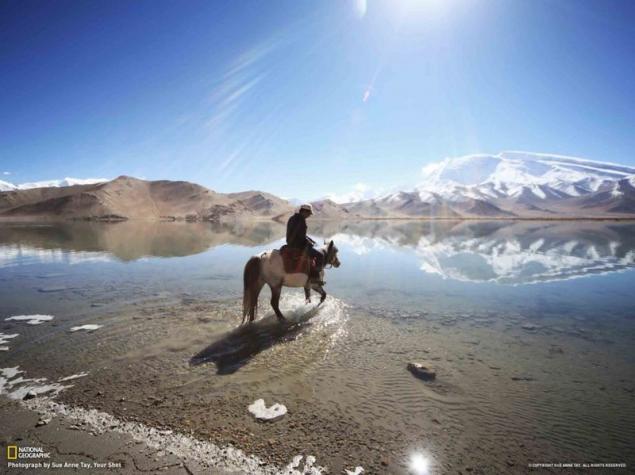
1. Located on a hill at 3657 meters, Karakul Lake in Xinjiang Province in western China - the perfect place for horseback riding and overnight stays in the tent at the lake. (Sue Anne Tay)
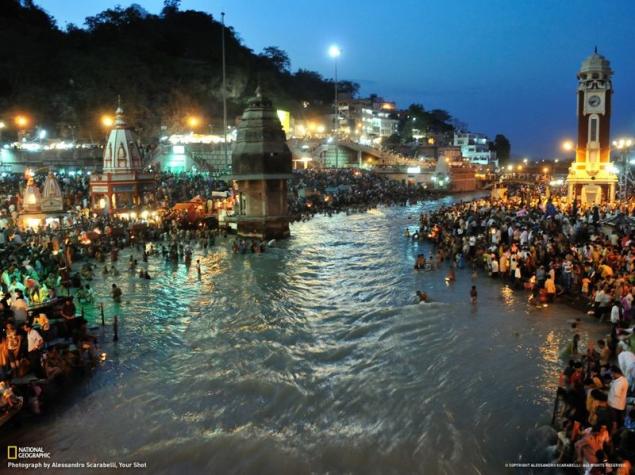
2. Millions of Hindus gathered on the banks of the Ganges in Haridwar, in the Indian state of Uttarakhand. Haridwar is considered one of the seven holy places for Hindus, where people come to believe in hope wash away their sins in the holy waters of the Ganges. (Alessandro Scarabelli)
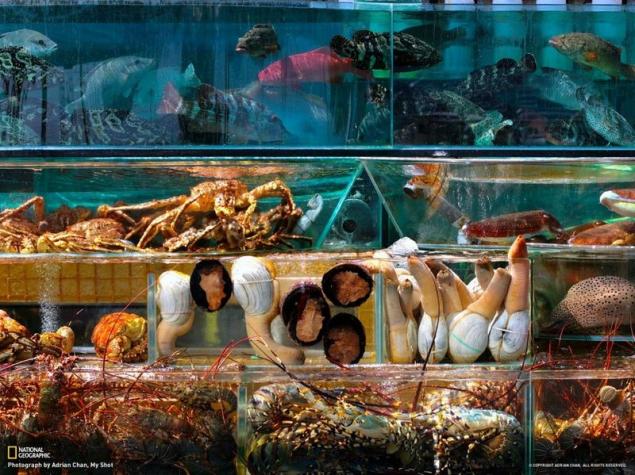
3. Fill the container with fresh delicacies seafood make the market on the pier Sai Kung in Hong Kong even more colorful. (Adrian Chan)
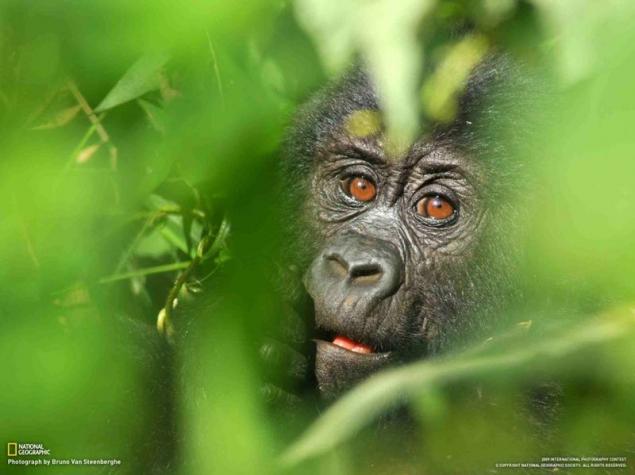
4. mountain gorillas in Bwindi Impenetrable National Park. This Ugandan park live gorillas 340 - half the total number of gorillas in the world. (Bruno Van Steenberghe)
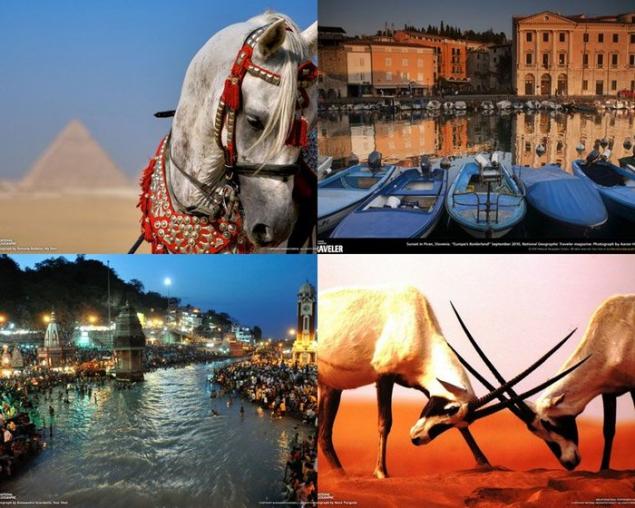
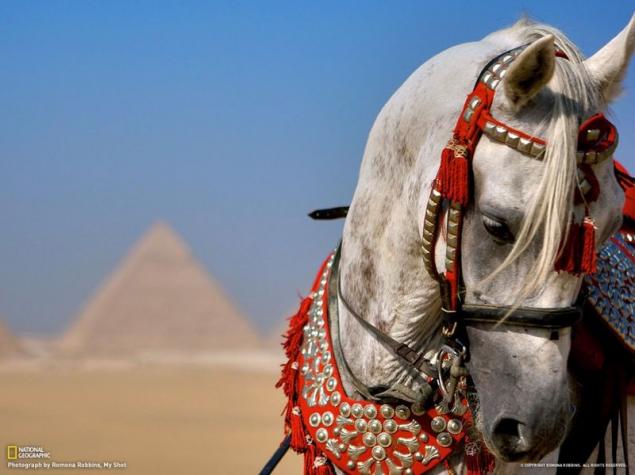
5. If the trip does not fit on a camel, visitors can go to the Giza pyramids to the Great Arabian horses. These pyramids - the great monuments of the Pharaohs - tower over the Egyptian desert for more than 4000 years. (Romona Robbins)
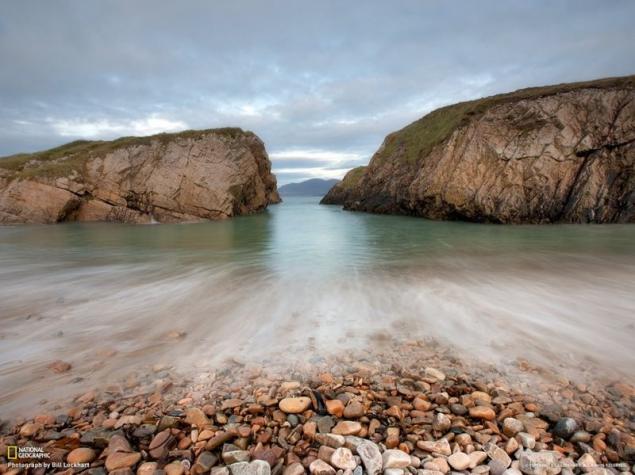
6. This picture was taken using a long exposure. Water tends to the sea through the rocky passage to the Irish coast. Ireland - the third largest island in Europe - Ilandskim surrounded by sea on the east, the Atlantic Ocean to the north and west and the Celtic Sea to the south. (Bill Lockhart)
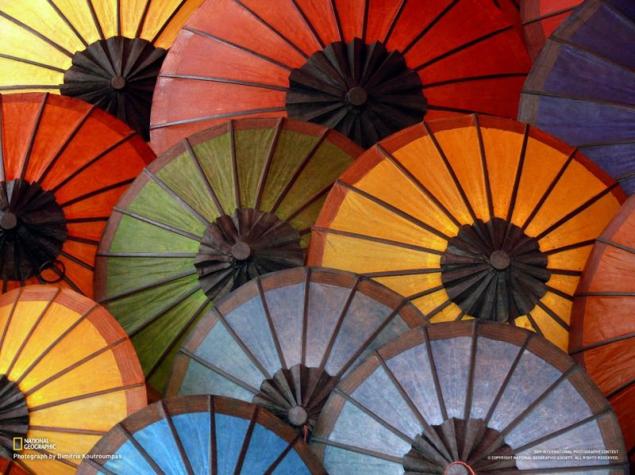
7. Rainbow of colored umbrellas in the city of Luang Prabang in Laos. (Dimitris Koutroumpas)
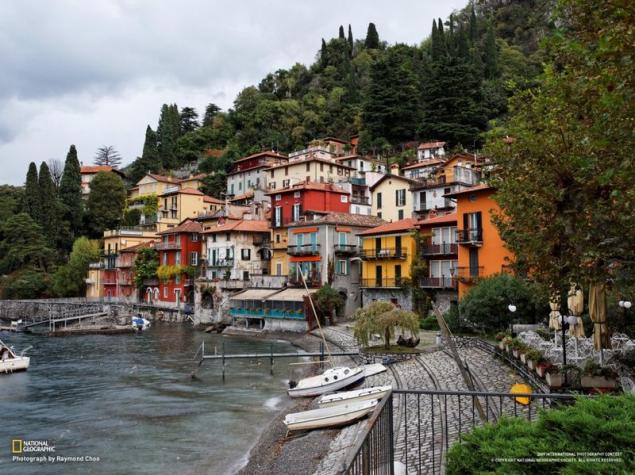
8. Bright building in a small bay in the Italian town of Varennes. Located on the shores of Lake Como in northern Italy, this quiet town is an hour away by train from Milan. (Raymond Choo)
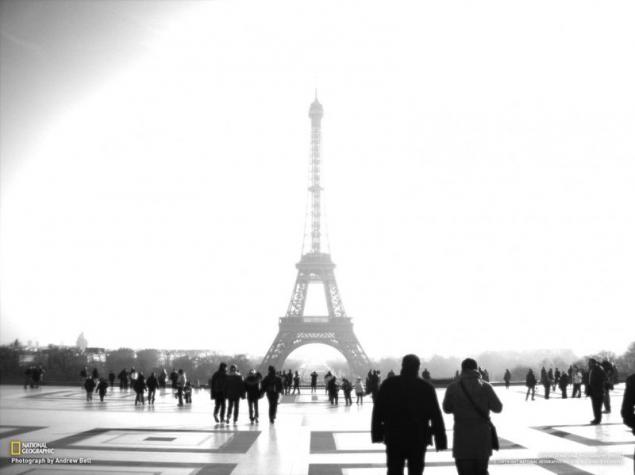
9. On a cold and bright winter day, Parisians and tourists walk the marble square at the Chaillot Palace, overlooking the famous Eiffel Tower. Built in 1889, the tower rises to 324 meters, which is equal to the height of 81-storey building. (Andrew Bell)
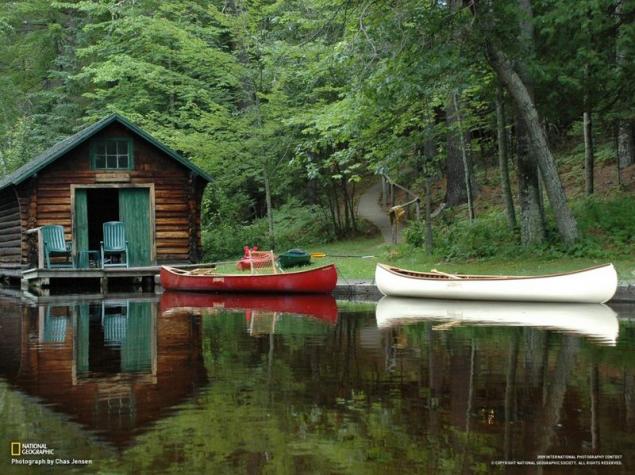
10. Canoes at boathouse for the boat on the river Boy Brule in Wisconsin. Once on the river swam Indians and European explorers, pioneers, poachers and traders, but now it is a popular destination for swimmers on boats, enjoy nature and just relax from the city. All 70 km of the river run through the woods. (Chas Jensen)
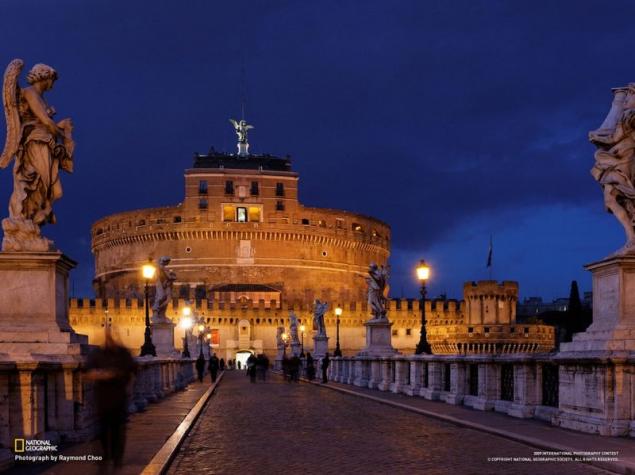
11. Pedestrian Bridge Sant'Angelo in Rome leads to Castel Sant'Angelo - a circular structure with battlements, which today serves as a museum. Built as a mausoleum for Emperor Hadrian in the 2nd century AD, the castle got its present name in the 6th century, when Rome was devouring plague, after Pope Gregory the Great had a vision of an angel sheathes hanging over the building. This vision is construed as a sign that the plague will end soon, and the statue of the Archangel Michael - the angel-savior - was placed on the roof of the building. (Raymond Choo)
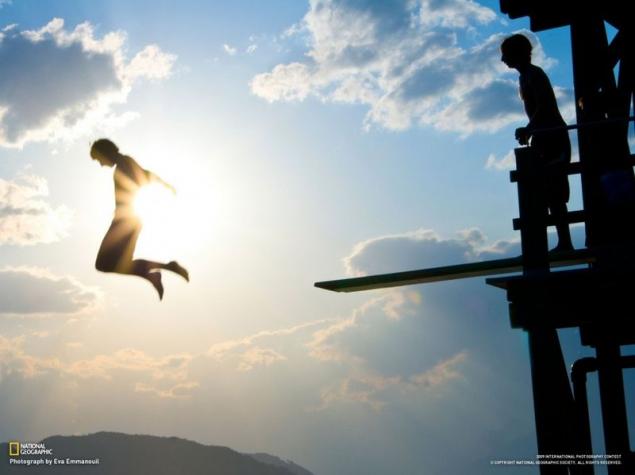
12. A boy jumps into the water of Lake Millstatt. This lake in Central Eastern Alps - one of the deepest in Austria. (Eva Emmanouil)
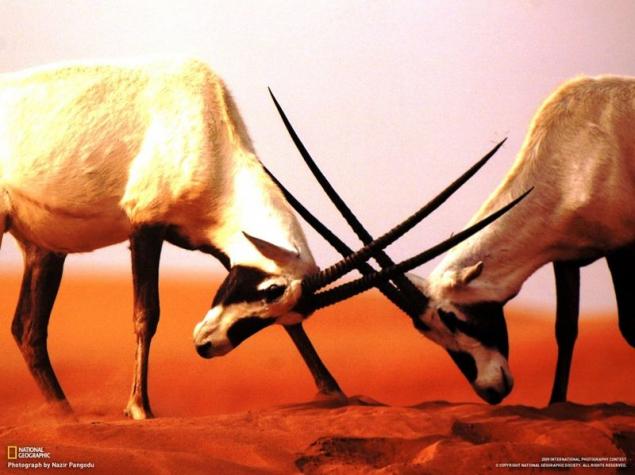
13. Two Arabian oryx are locked horns in the desert of Abu Dhabi. These animals are almost extinct in the early 1960s, but a few herds live in the Emirates due to the late Sheikh Zayed bin Sultan Al Nahyan, who bred these animals. Their horns can reach 89 cm in length and are arranged symmetrically so that the side it may seem that they have a single horn. Many believe that these animals are related to the legend of the unicorn. (Nazir Pangodu)
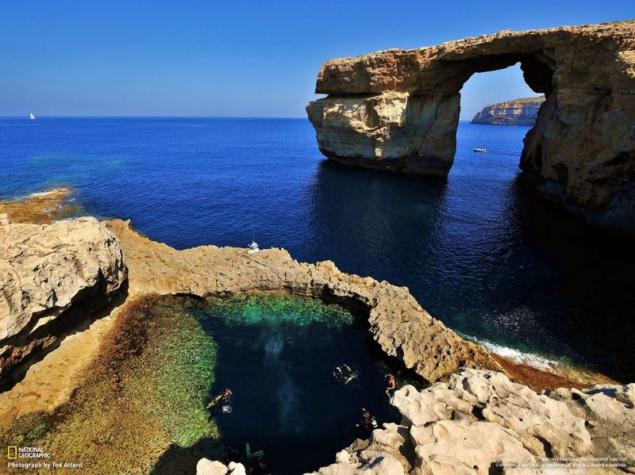
14. Azure "window" in Gozo in Malta, attracting fishermen, divers and boaters for its clear blue waters. Next to the "window" is Blue Hole - one of the most popular destinations for scuba diving in Malta. (Ted Attard)
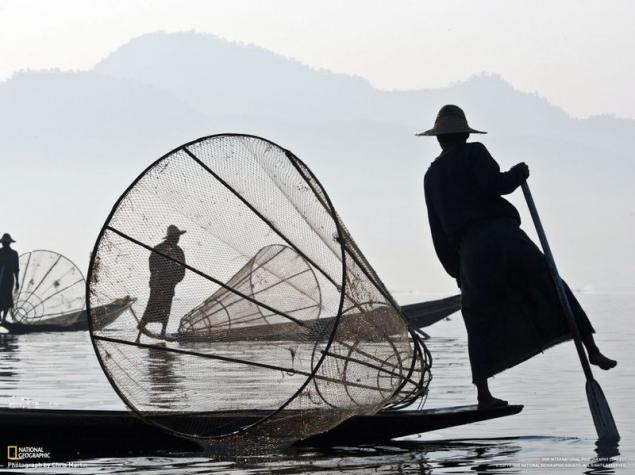
15. Fishermen on Inle Lake in Myanmar (formerly Burma). To manage such a boat, you need to be on the edge of her nose and maneuver foot. (Chris Martin)
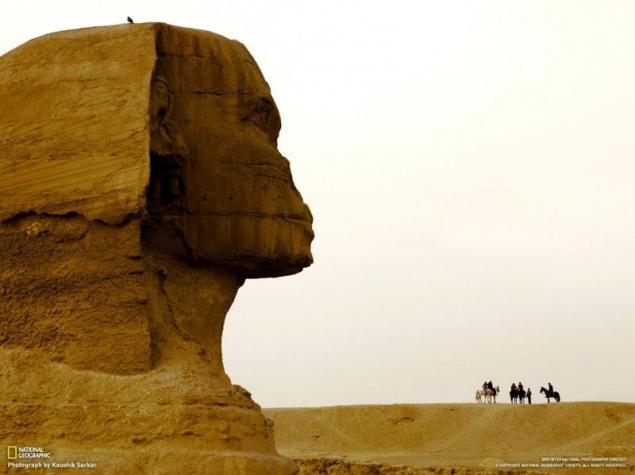
16. Bird on the Great Sphinx of Giza. Carved out of limestone, this famous figure with a human head and lion's body rises almost 20 meters. (Kaushik Sarkar)
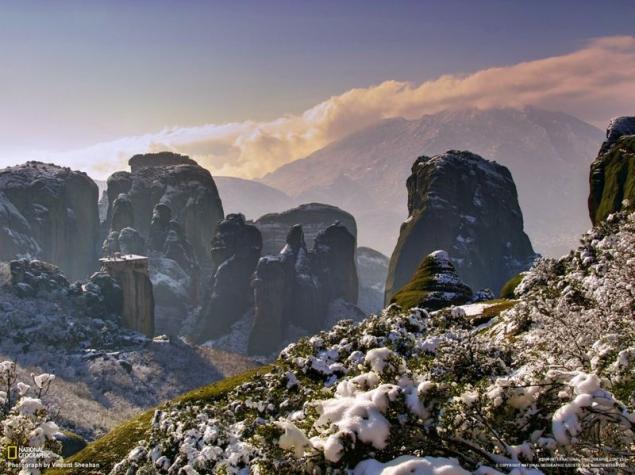
17. Snow-covered sandstone Meteora in Greece. These rocks monks built monasteries in the 15th century, they were climbing these peaks and dragged behind a stone. Meteora in Greek (a special thank-term Translation) means "suspended in the air." Several monasteries, included in the list of cultural heritage sites, are still functioning. (Vincent Sheehan)
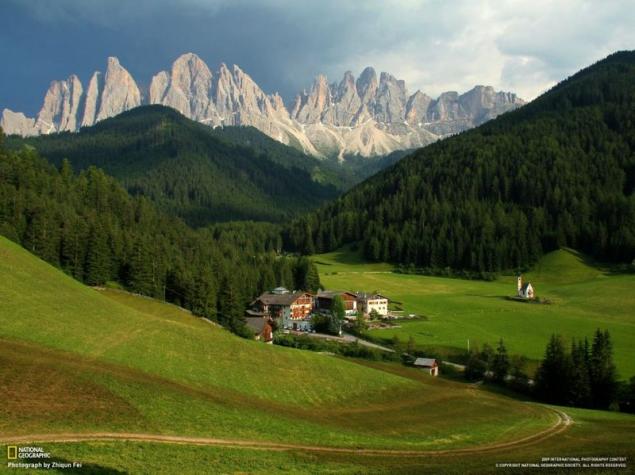
18. The Italian village wound in Val di Funes, Geisler mountains. There are several old churches, including the Church of St. John, which stands alone in the meadow. This small church in the Baroque style was built in the 1700s. (Zhiqun Fei)
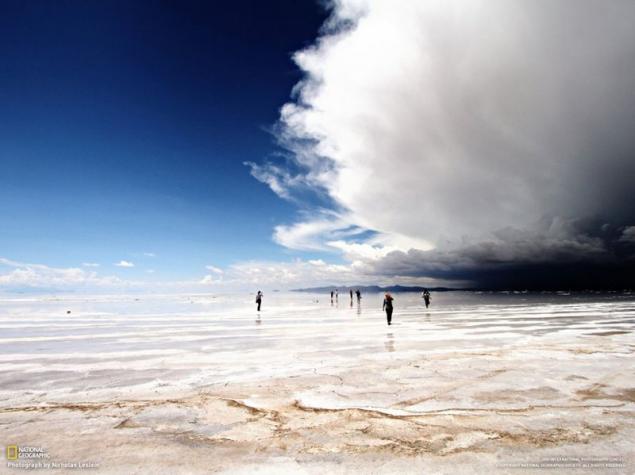
19. Storm approaching a huge salt plains Salar de Uyuni at the foot of the Andes in southwestern Bolivia. These plains are composed of salt crust covering the lake. (Nicholas Leslein)
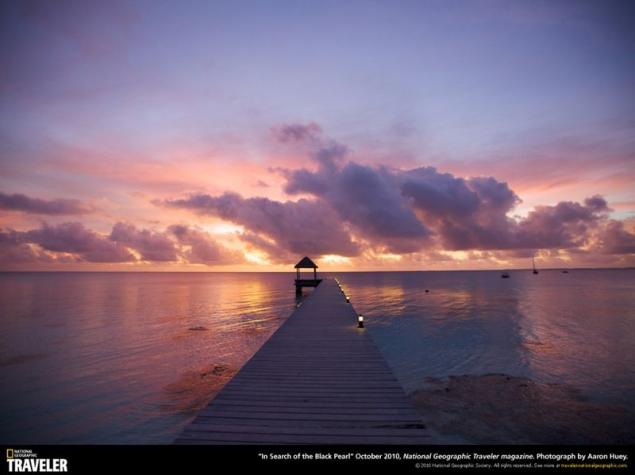
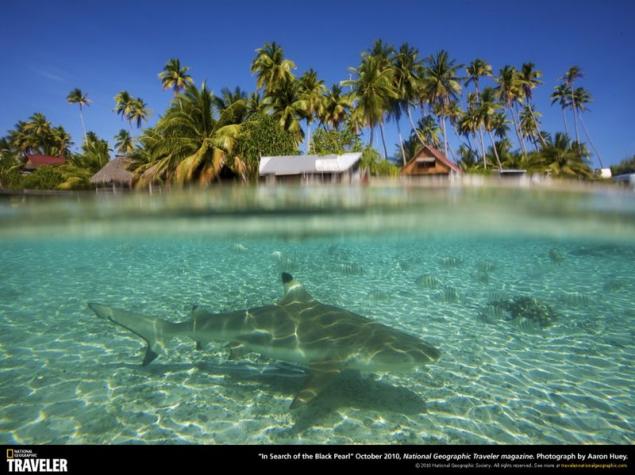
20. Seascape at the hotel «Hotel Maitai Dream» on the island of Fakarava evokes the classical vision of paradise. Writer Andrew McCarthy went to Fakarava and other islands near Tahiti to find a black pearl on the birthday of his mother. Photographer Aaron Huey followed this journey. Their common history "In Search of the Black Pearl" appeared in the October issue of the journal «Traveler». (Aaron Huey)
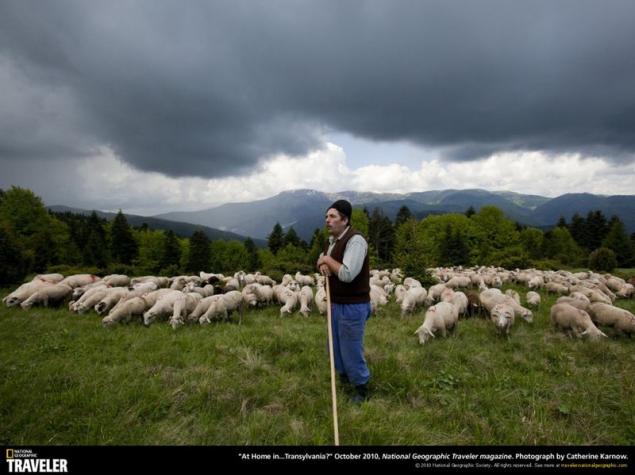
21. The shepherds graze sheep in the mountains near Bran in Transylvania, Romania. (Catherine Karnow)
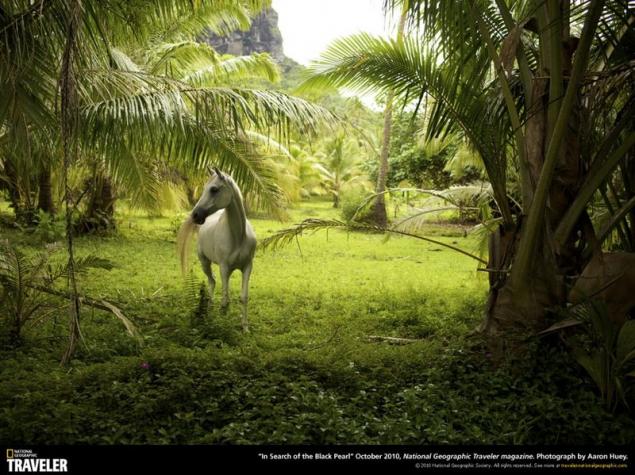
22. Located 17 km from Tahiti, Moorea pasetska white horse in overgrown green valley. Moorea - is a volcanic massif in the shape of a triangle directed to the south, cut two deep bays on the north side. (Aaron Huey)
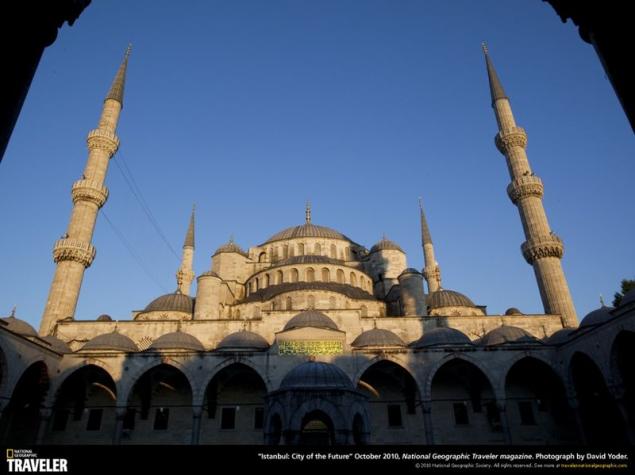
23. Blue Mosque in Istanbul, so named because of the color of the tiles, which made interior decoration, open to the public both believers and tourists. The author of the journal «Traveler» wrote in the October issue: "In this Blue Mosque there w / a display with time in Paris and Tokyo. In this Turkish metropolis of billionaires more than in any other city, except for Moscow, New York or London. " (Dave Yoder)
24. Sharks in the waters off the atoll of Fakarava, home to the Polynesian community. At this point, tourists can forget about the hustle and bustle of everyday life. Divers, armed with special equipment in local stores, waiting for the tides to freely enjoy all the diversity of the underwater world of the lagoon. (Aaron Huey)
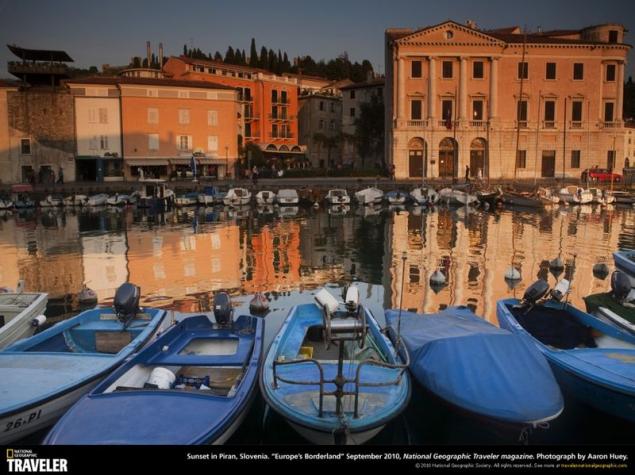
25. Harbour in Piran - one of three port cities of Slovenia. (Aaron Huey)
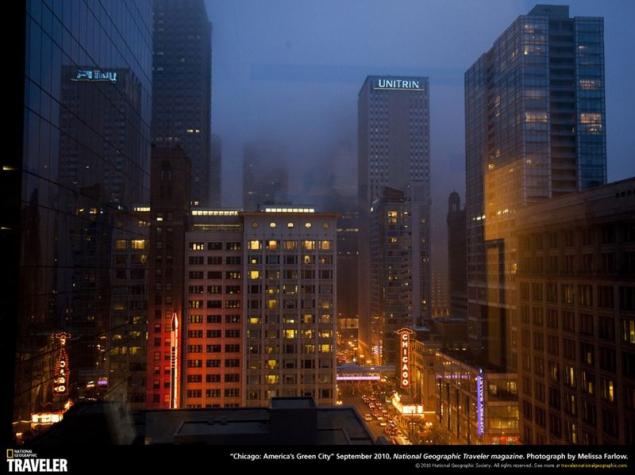
26. City lights on the street State Street in Chicago, called the windy city because of the winds blowing from Lake Michigan. To the west of the lake is located more than 200 districts and communities, and the total number of inhabitants is close to three million. (Melissa Farlow)
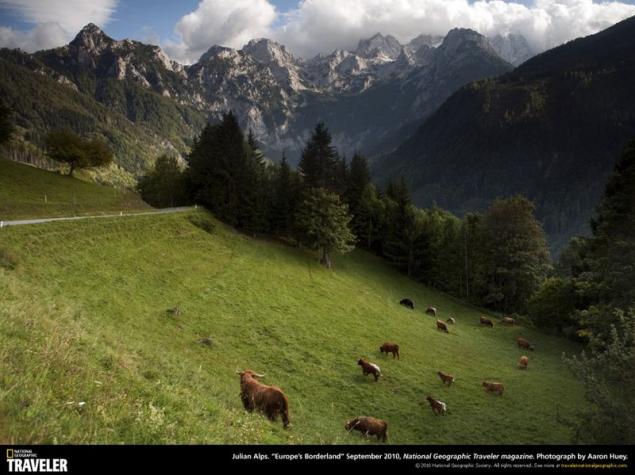
27. These rural scenes are typical of the rural parts of Slovenia. (Aaron Huey)
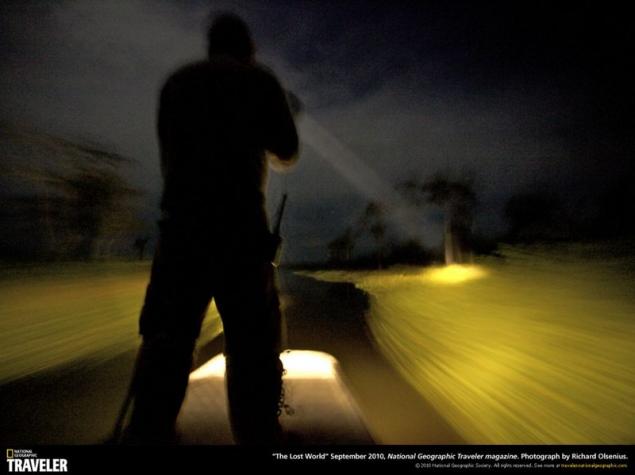
28. During the night journey down the Amazon in Peru boat-filled algae skiff cuts water moving to a cloud of insects. (Richard Olsenius)
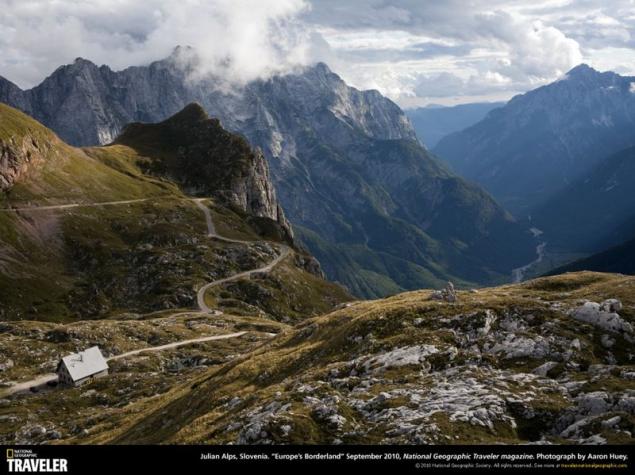
29. Wonderful elevation of serenity and privacy await you at the cottage Mangartom in the Alps on the border of Slovenia and Italy. (Aaron Huey)
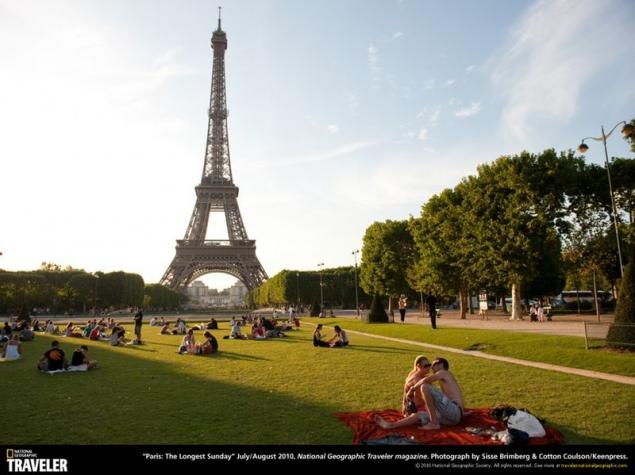
30. The famous Eiffel Tower dominates the Champs de Mars, which hosted many important events, including the World Expo 1889, and for which the Eiffel Tower was built. (Sisse Brimberg & Cotton Coulson)
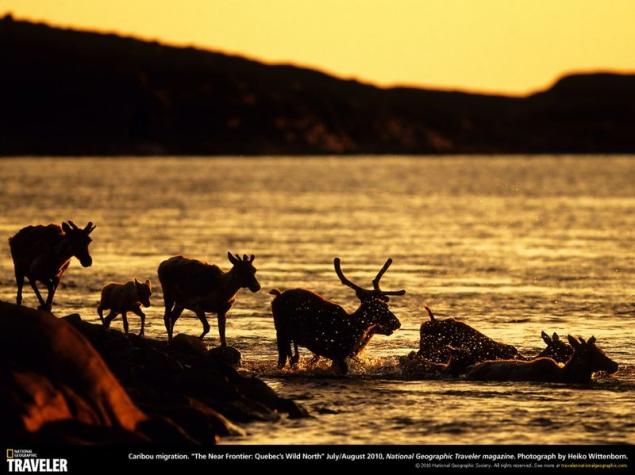
31. Gold-plated setting sun caribou lead their cubs on the river puvirnituq. For centuries, the caribou were an essential element of the survival of the local tribes of Eskimos, as they are the main source of food and materials for making clothes. Caribou meat - the main dish of the Eskimos and the amazing quality of the wool makes it important commodity during the harsh winter. (Heiko Wittenborn)
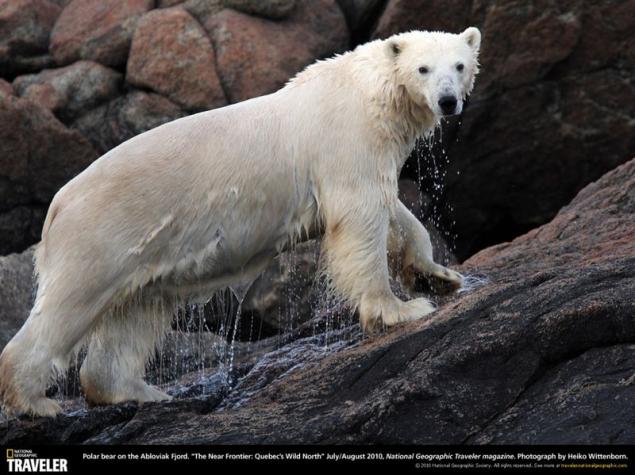
32. A polar bear just climbed out of the water by the fjord Abloviak. Abloviak - one of the few places in Nunavik, where you can admire this endangered species. Another place - Akpatok island, north-west of the fjord Abloviak in Ungava Bay, where the writer Christa Costas managed to see six polar bears in one day. (Heiko Wittenborn)
via source