11693
Pencil production
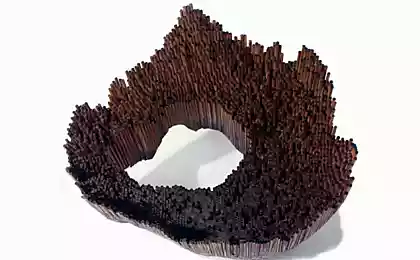
Among other things, during production, the pencil goes through 83 technological operations, 107 types of raw materials are used in its manufacture, and the production cycle is 11 days. If you look at all this from the side of a whole line of products, then a complex established production with careful planning and control is depicted.
Let's go...
In order to see with our own eyes the process of producing pencils, we go to the Moscow Krasin Factory. This is the oldest pencil production in Russia. The factory was founded in 1926 with the support of the government.
The main task of the government was to eliminate illiteracy in the country, and for this it was necessary to make stationery affordable. After the collapse of the Soviet Union, the Krasin factory remained the only manufacturer of pencils in the CIS with a full production cycle. This means that the factory produces everything - from the lead to the final product - pencils. Let's take a closer look at the process of making pencils.
For the production of pencils, the factory receives specially treated and laid linden boards. But before they are used, it is necessary to make writing rods.
2. Let's go to the workshop for the manufacture of pencil rods. Writing rods are made of a mixture of clay and graphite. The preparation of the necessary mixture begins with such technological installations where clay is crushed. The crushed clay is sent by conveyor to the next production site.
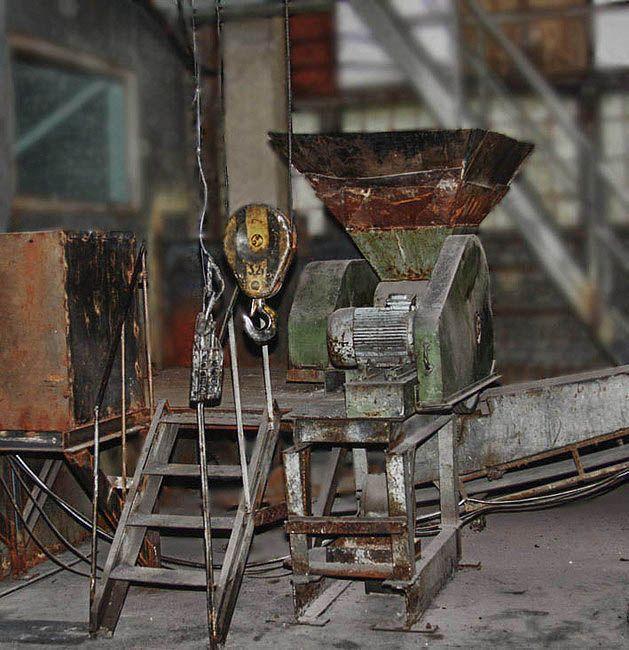
3. In the next section, special mills are installed, where clay is finely ground and mixed with water.
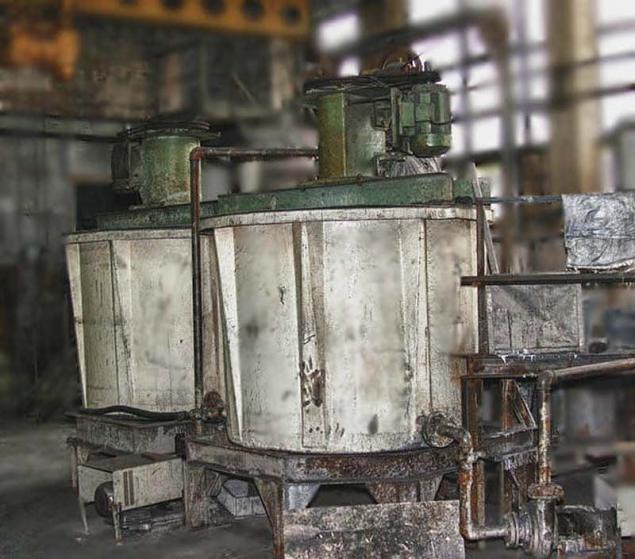
4. Installations for the preparation of a mixture of clay and graphite. Here, the mixture for future rods gets rid of impurities and is prepared for further processing.
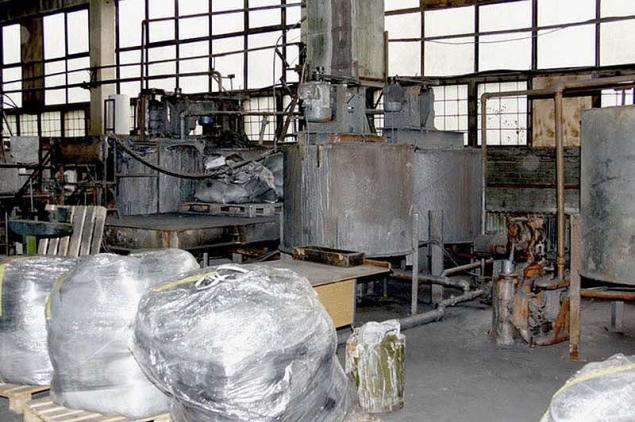
5. It is worth noting that only natural substances are used in the production of leads, which allows us to consider the production environmentally friendly. Mixture pressing unit. Cores are obtained from the resulting semi-finished products. In fact, the production has no waste, since they reuse it.
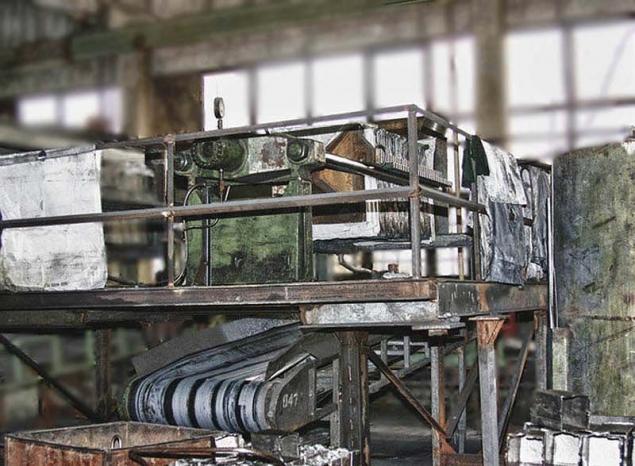
6. At this production site, the cores themselves are obtained, but in order for them to get into the pencil, a number of technological operations will be carried out on them.
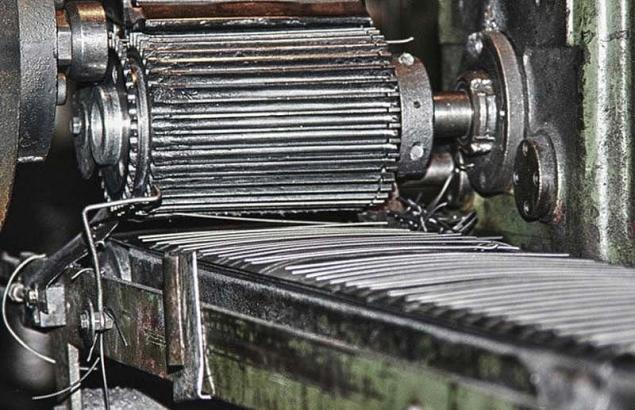
7. The technology of core production itself resembles extrusion. The carefully prepared and mixed mass is squeezed out through a special stamp with holes.
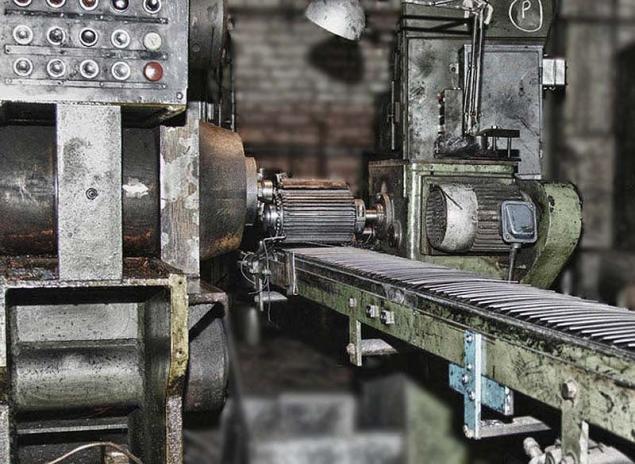
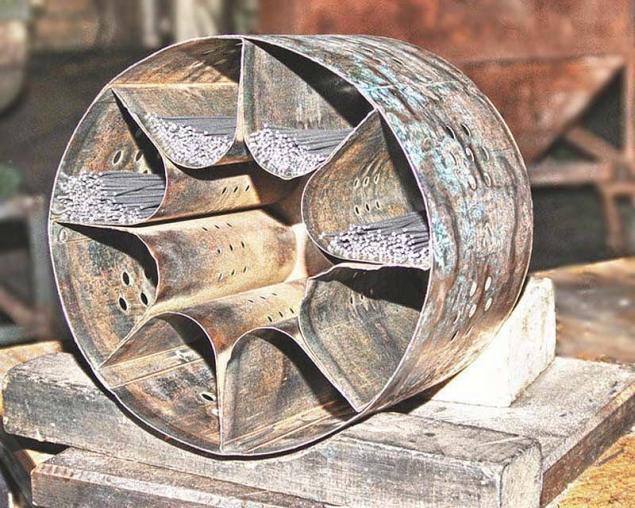
8. After that, the blanks for the writing rods are placed in a special container.
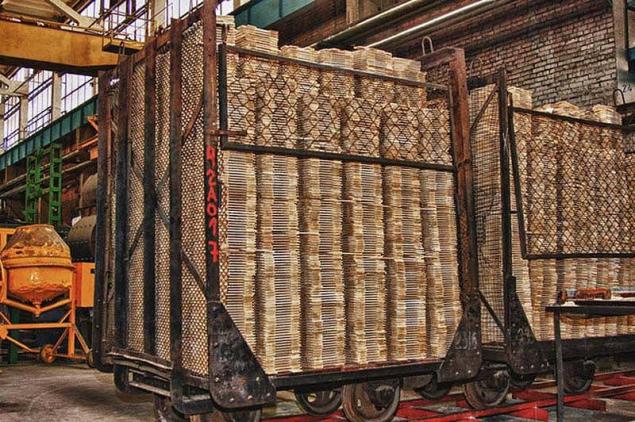
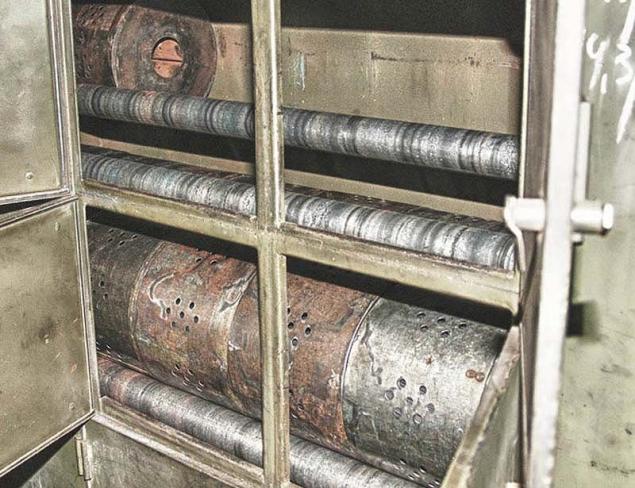
9. And dry in a cabinet for 16 hours.
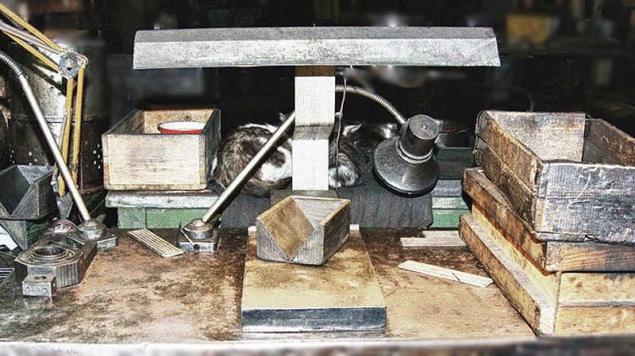
10. After that, the rods are carefully sorted by hand.
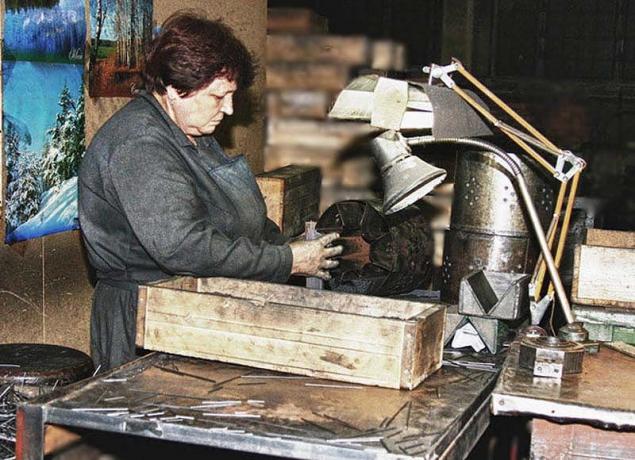
11. This is what the core sorting workplace looks like. This is a very difficult and painstaking work. Cats sleep behind the table lamp.
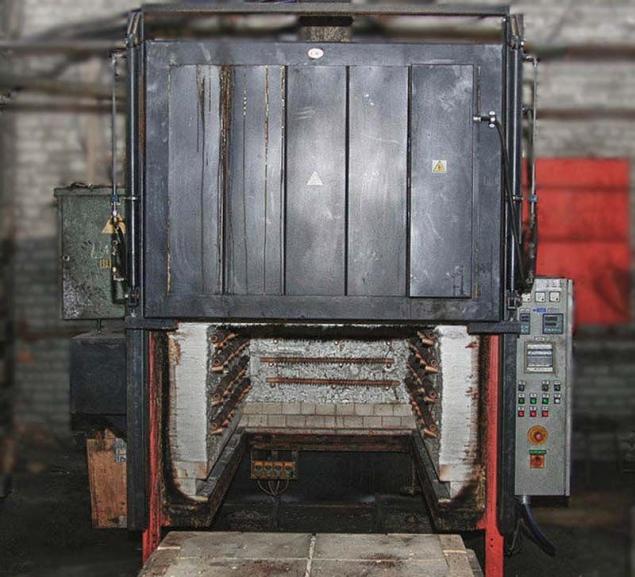
12. After sorting, the cores are calcined in a special cabinet. The annealing temperature is between 800 and 1200 degrees Celsius and directly affects the final properties of the core. The hardness of the pencil depends on the temperature, which has 17 gradations - from 7N to 8V.
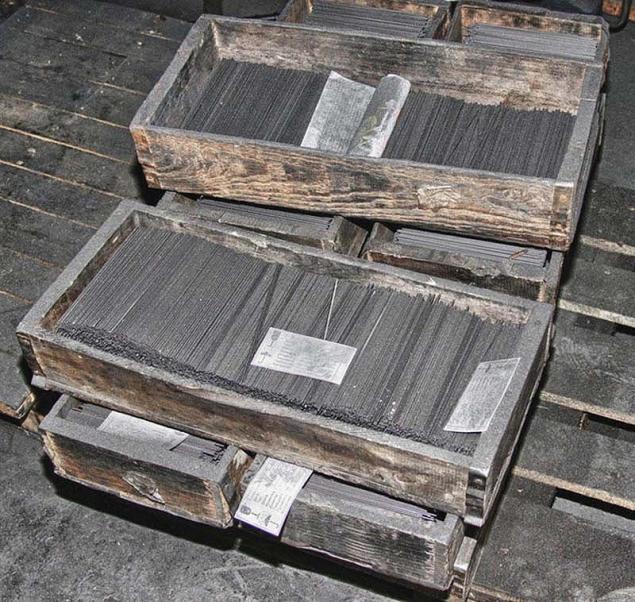
13. After annealing, the cores are filled with fat under special pressure and temperature. This is necessary to give them the necessary writing properties: the intensity of the line, the ease of gliding, the quality of sharpening, the ease of erasing with an eraser. Depending on the required hardness of the rod, lard, confectionery fat or even beeswax and carnauba wax can be used. Output of the core production site.
14. After that, the rods go to assembly. These are the machines used to prepare pencil boards. Grooves are cut in them for the installation of writing rods.
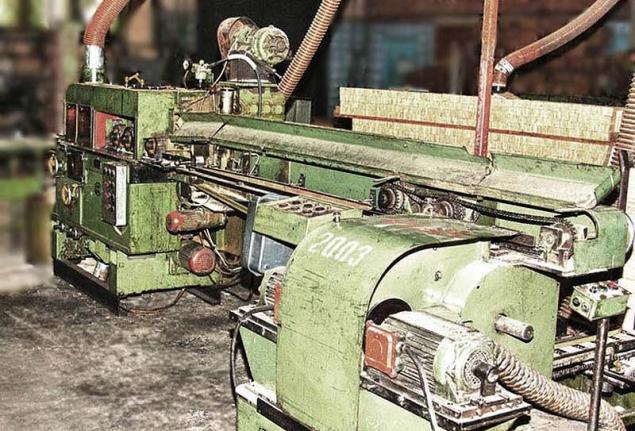
15. The cutting part of the machine grinds grooves in the boards.
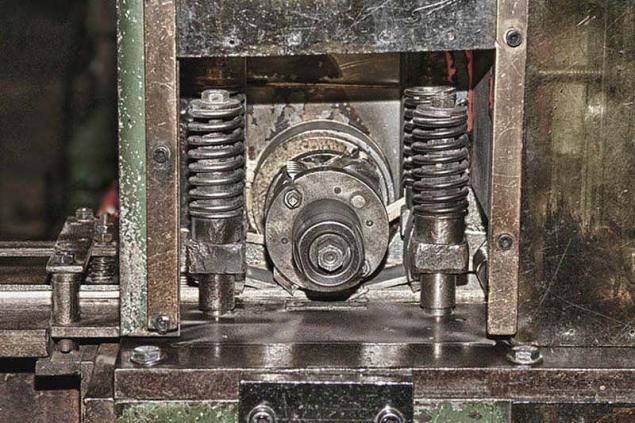
16. The planks automatically go into such a cage.
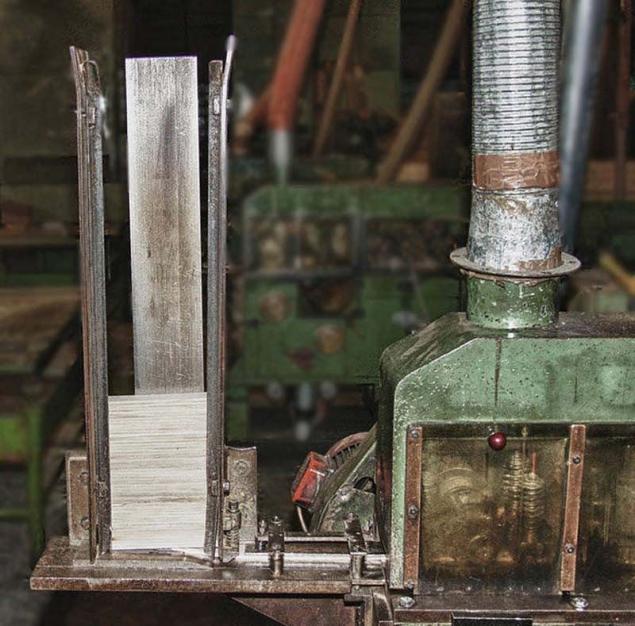
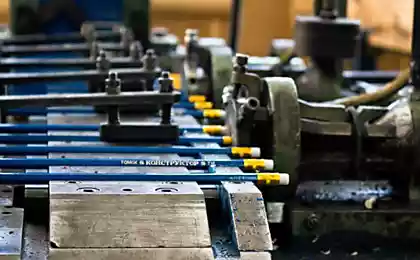
17. After that, on another machine, the rods are placed in pre-prepared boards.
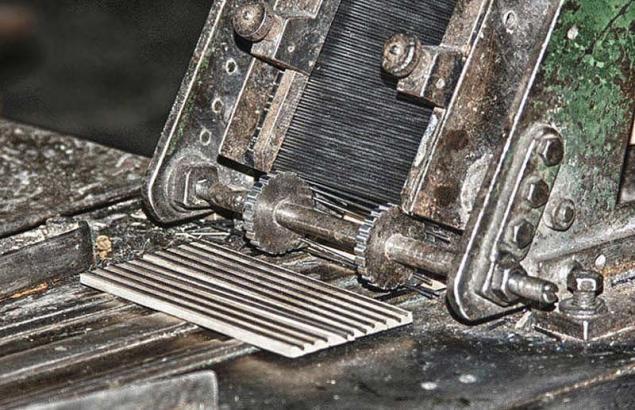
18. After laying, the halves of the boards are glued together with PVA glue, and they are left to dry under the press. The essence of this operation is that the rod itself is not glued to the boards. Its diameter is larger than the diameter of the groove, and in order for the structure to close, a press is needed. The rod will hold in the wood not due to glue, but due to the tension of the wooden shell (a specially created prestress in the design of the pencil).
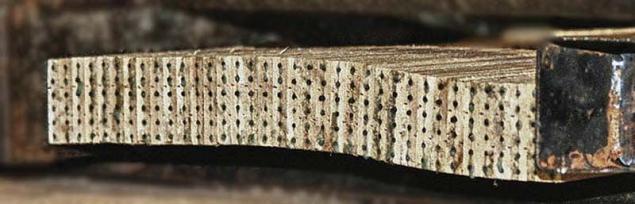
19. After drying, the workpiece is sawn with special cutters into separate pencils.
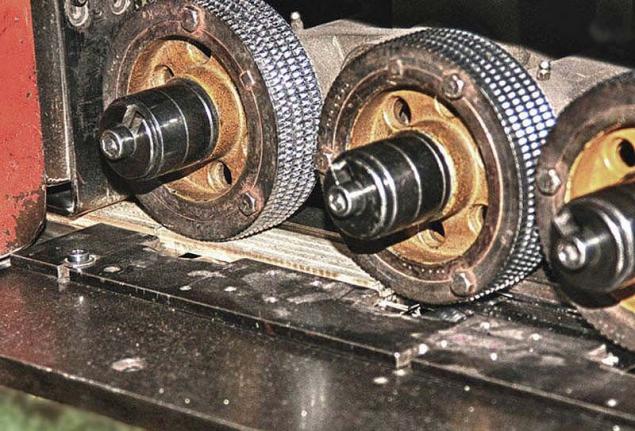
20. Pencils are gradually sawn in several processing cycles.
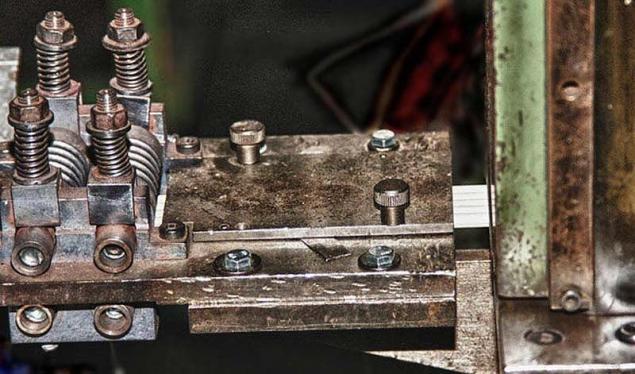
21. The output is ready-made, but not colored pencils.
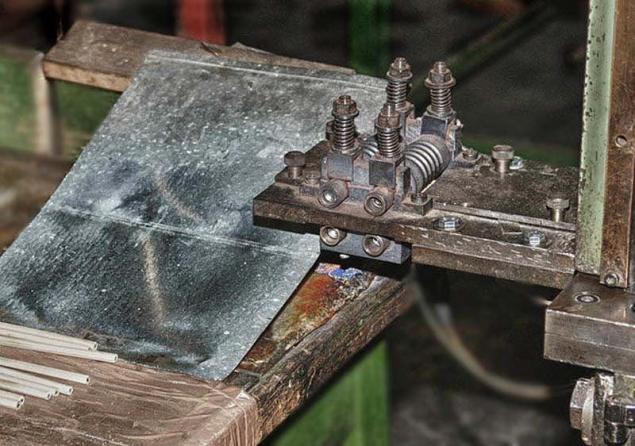
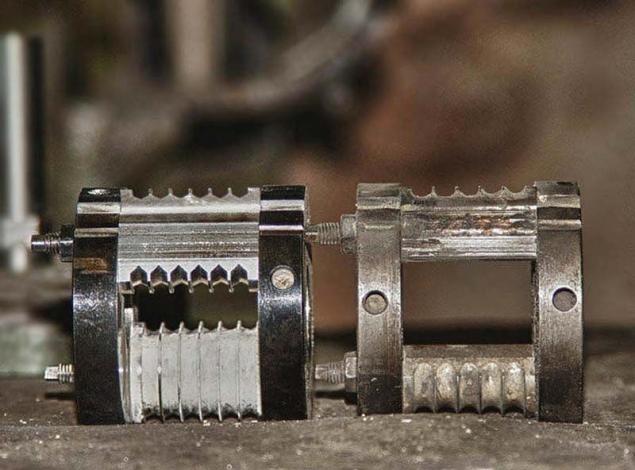
22. Already at this stage, the shape of the pencil is laid due to the type of profile of the cutting cutter.
23. Next, the pencil surface is primed on special lines. When dyeing pencils, enamels made at the factory itself are used. These enamels are made from components that are safe for humans.
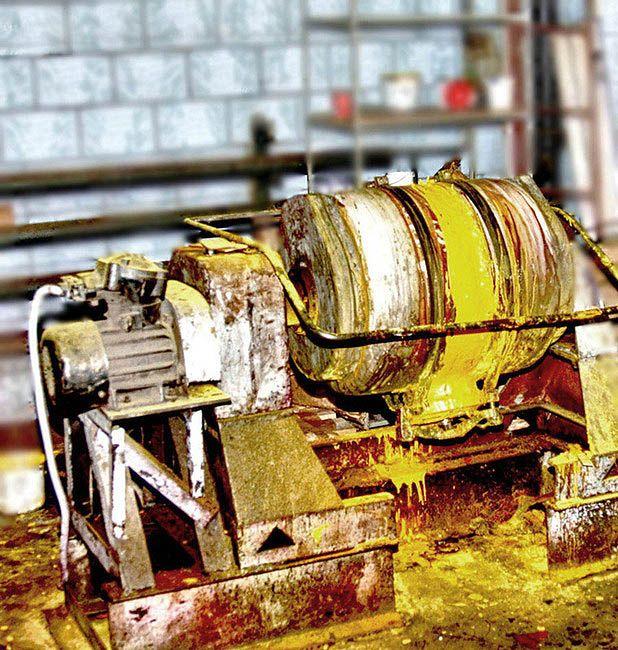
24. Line for painting pencils.
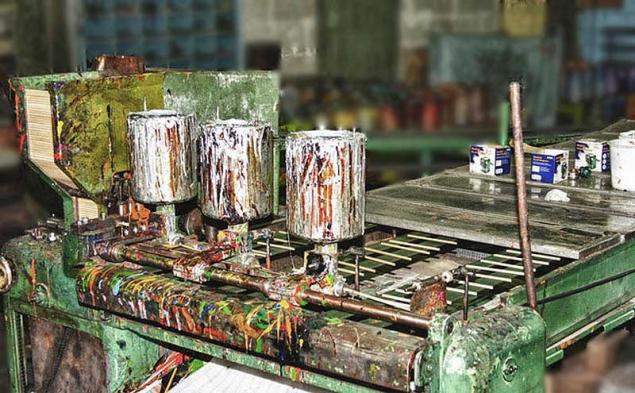
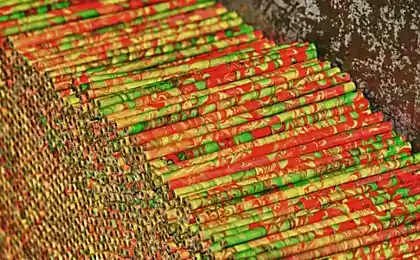
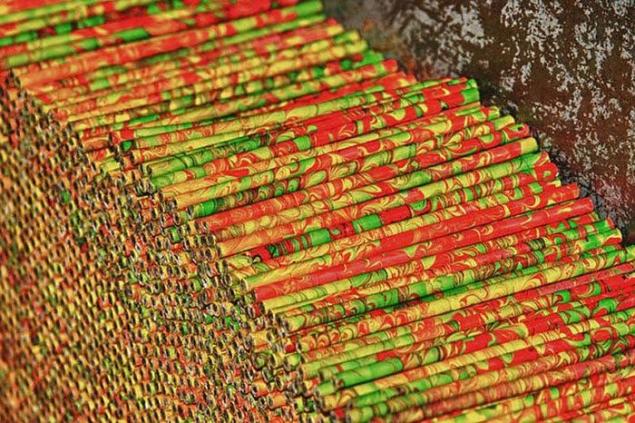
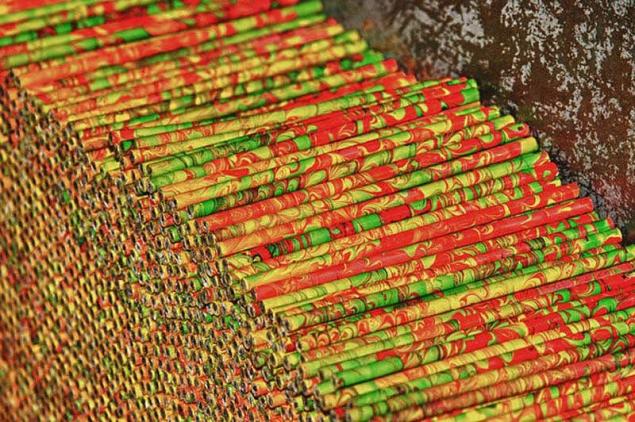
25. I think we've seen gift pencils stained with colorful streaks many times in stores. It turns out that in order to paint them this way, a whole specially developed technology is used. Here is a small fragment of the process of painting them.
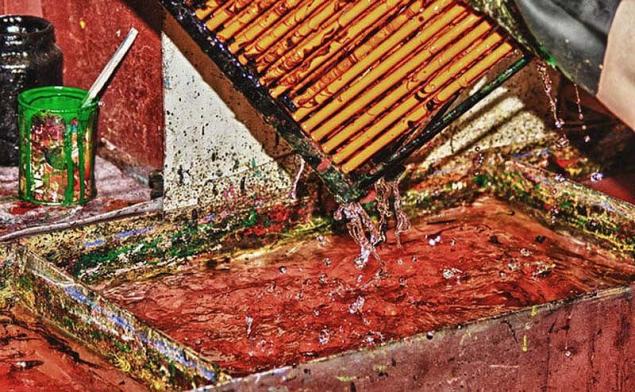
26. When visiting the paint shop, I happened to see a batch of pencils for the delivery of a new model to the government of the Russian Federation. The tip of the pencil symbolizes our national flag. Pencils dry in a special technological framework. The regularity of the rows looks very unusual and attractive.
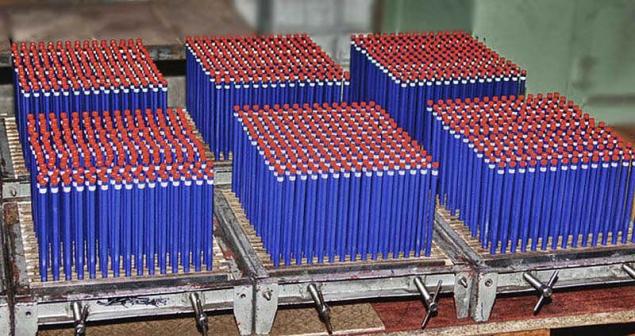
27. After painting, the pencils are placed in batches for shipment to the next parts of the factory.
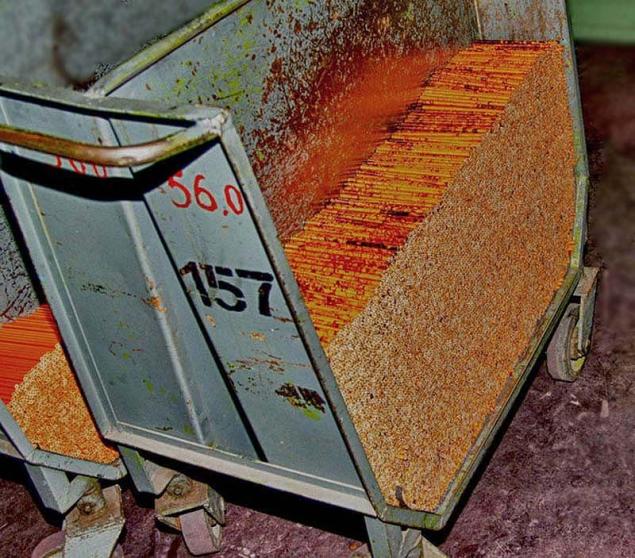
28. It is a great pleasure to look at thousands of pencils painted according to the factory's proprietary technology. This is a very unusual sight.
29. Next, the final mechanical operation is carried out on a special machine — the machining of the ends.
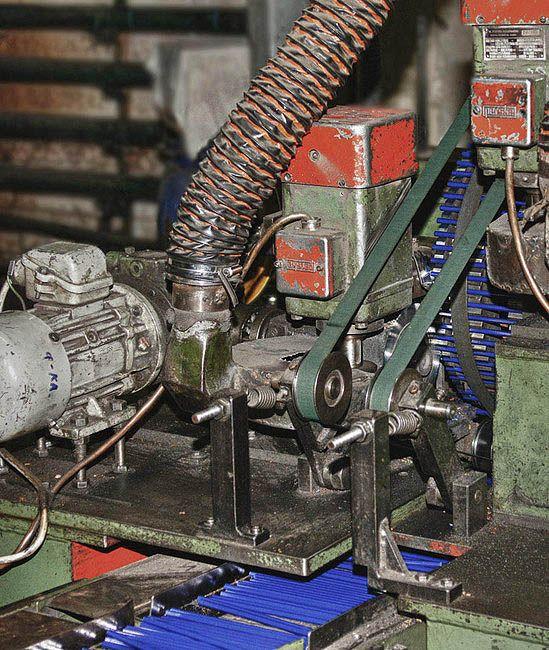
30. Surface finishing processing line.
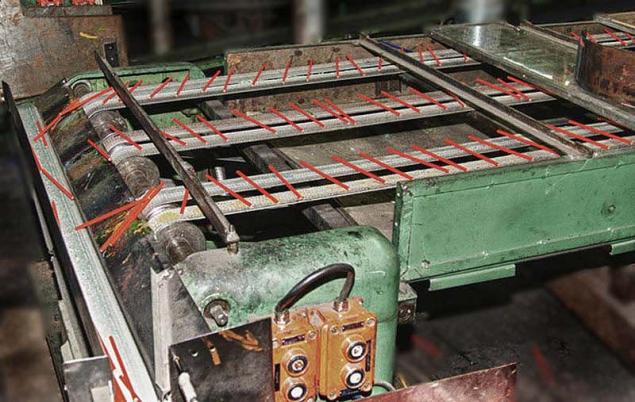
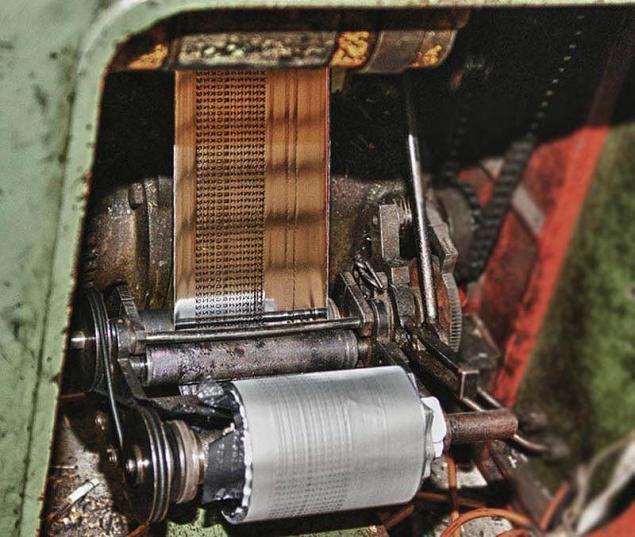
31. Next, the pencil is marked on a special machine using a special stamp, which is applied to each pencil through a foil tape.
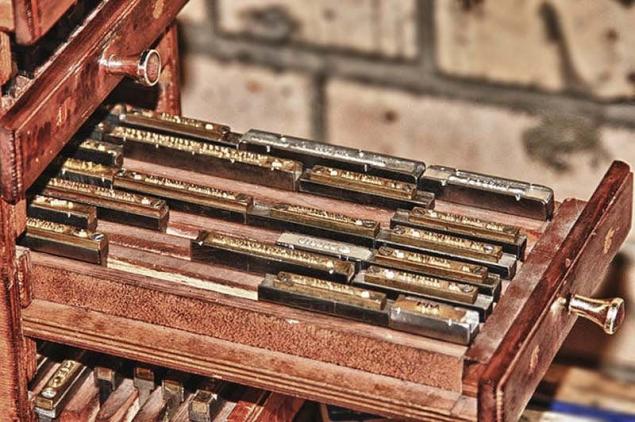
32. Locker for storing stamps. Stamps for the entire range of products are stored here.
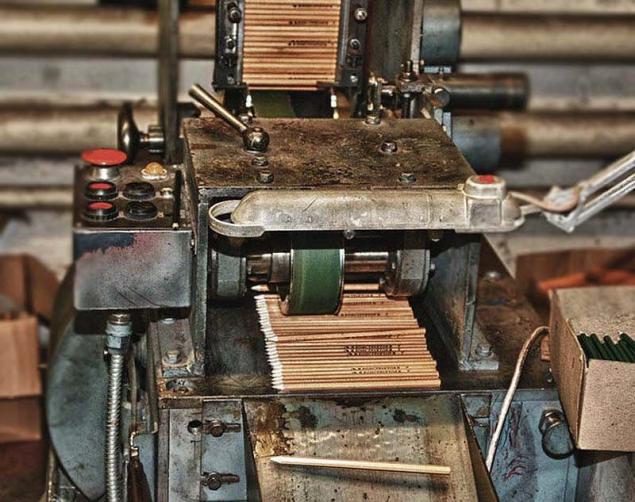
33. If necessary, pencils shall be sharpened on a special machine before packing. The photo shows the intermediate stage of sharpening. I was amazed by the speed of the machine. Pencils fell into the tray in a continuous stream. I immediately remembered all my personal unsuccessful attempts to sharpen pencils. From these memories, this machine began to inspire even more respect.
34. The factory also produces such interesting oval-shaped pencils used in construction and repair.
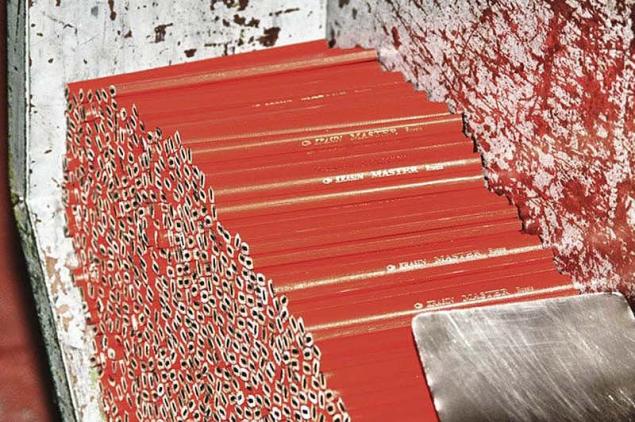
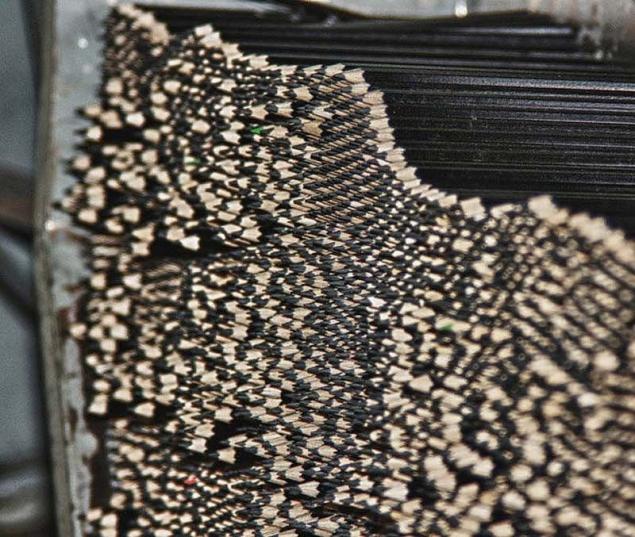
35. Arrays of folded pencils look very unusual and attractive. You won't see this anywhere else.
36.
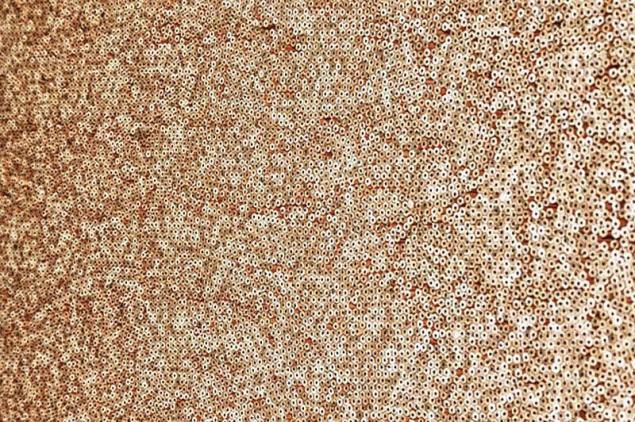
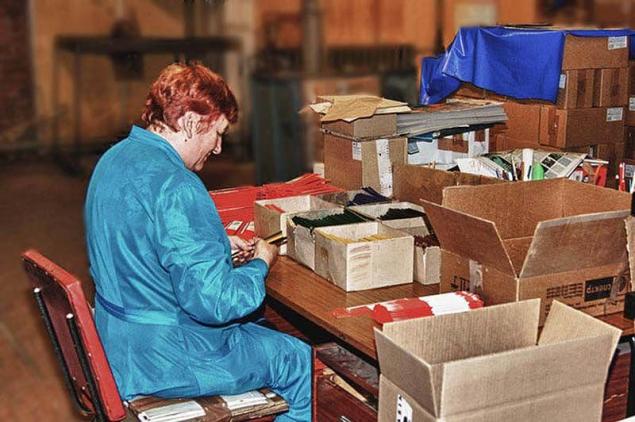
37. In the packaging area, pencils are sorted and packed by hand. There is a special atmosphere here. People work quietly and silently. Many workers have more than 40 years of continuous experience in the factory.
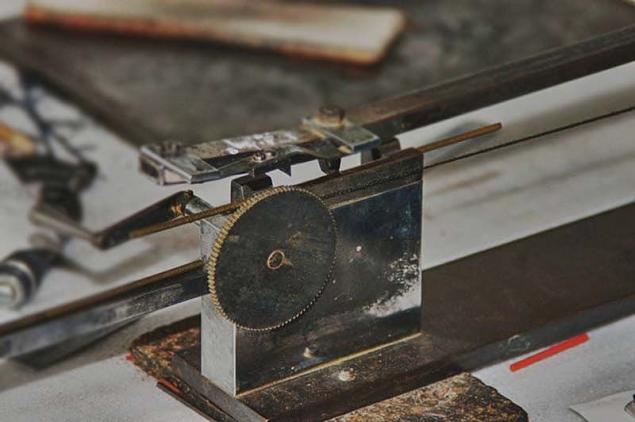
38. The factory has its own equipped laboratory, in which products are tested during the entire production cycle and new production technologies are worked out. The picture shows the Amsler device for determining the fracture resistance of writing rods.
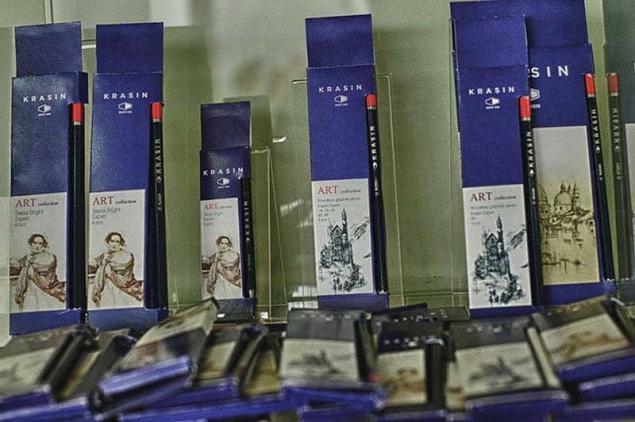
39. Before leaving, I went into the room with demonstration stands of the factory's products. The factory's emblem evokes some kind of nostalgia. After all, these pencils are familiar to each of us from childhood. The factory produces several product lines. A professional series of pencils for artists, decorators and designers.
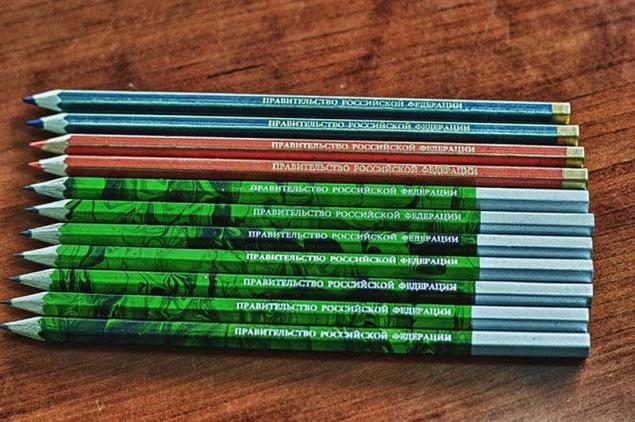
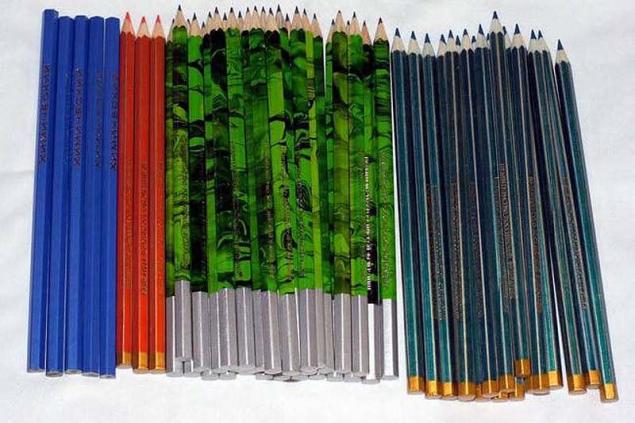
40. Samples of pencils supplied to the government of the Russian Federation. For the design of the pencils, a drawing was chosen to match the color of standard malachite table utensils of employees of the government of the Russian Federation. But in addition to this, they have other differences from ordinary pencils: firstly, their shape is made with maximum regard for the ergonomics of the adult hand, and in addition, they use a special rod of the "lumograph" type for notes in the margins and in the diary, it is not smeared by hand, but is well erased with an eraser without damaging the paper.
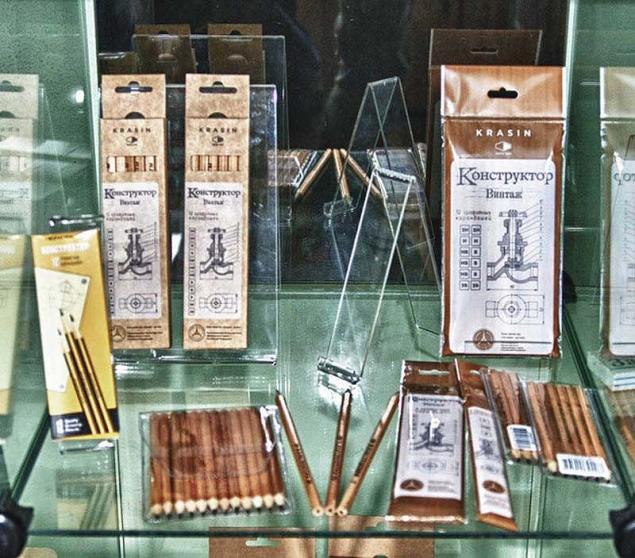
41. Pencils for engineering drawing:
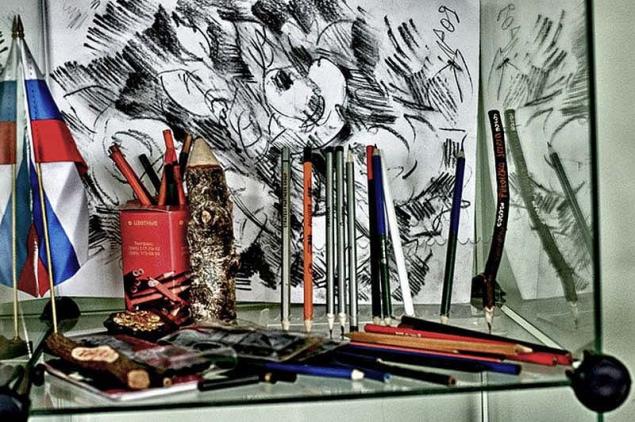
42. Original souvenir products of the factory.
43. The factory visit was very exciting and informative. It was very interesting for me to see how much original technology and work is put into the manufacture of such a seemingly simple object as a pencil.
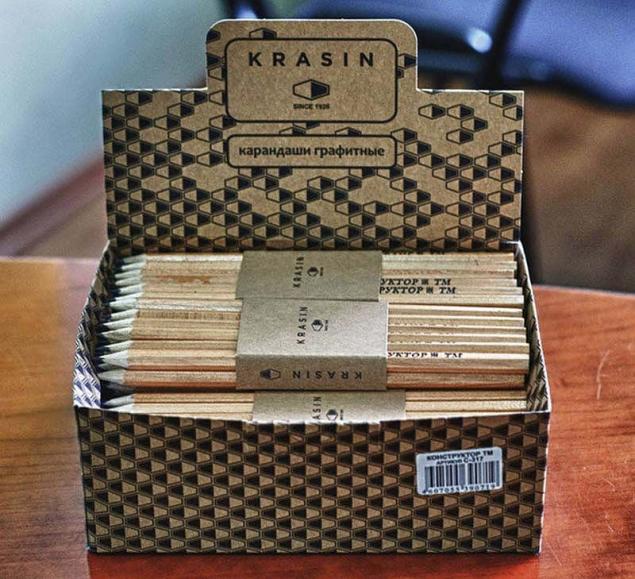
44. I would like to express my deep gratitude to the Chief Production Technologist Marina for her help and explanation of technological processes in production. At the end of the visit to the factory, its management presented the editorial office of Ridus with its branded pencils, including those supplied to the government of the Russian Federation.
Source: sdelano-u-nas.livejournal.com