2576
Hiroshima and Nagasaki: 65 years of tragedy
This year marks 65 years since the day when the first in the history of the atomic bomb dropped on the Japanese city of Hiroshima, and then another bomb destroyed the port city of Nagasaki.
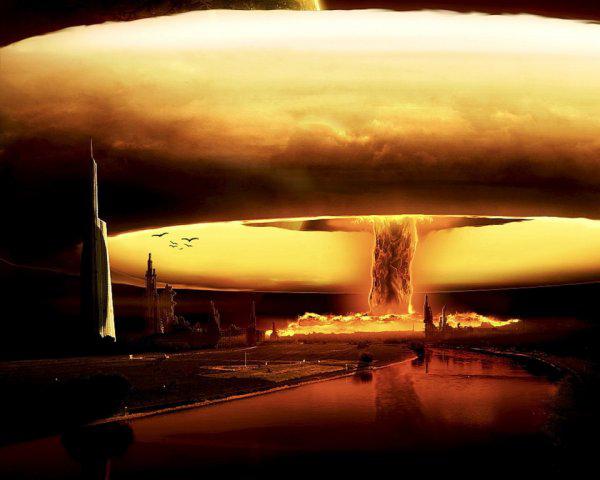
August 6, 1945 at 8:15 am during the Second World War bomber US B-29 "Enola Gay" dropped the atomic bomb on Hiroshima, Japan. About 140 000 people were killed in the explosion or died in the following months. Three days later, about 80 000 people were killed when the United States dropped another atomic bomb on Nagasaki. Japan surrendered on August 15, marking the end of World War II. So far, the bombing of Hiroshima and Nagasaki remains the only case in the history of the use of nuclear weapons. The US government has decided to drop bombs believing that this will accelerate the end of the war and eliminate the need to conduct long bloody battle on the main island of Japan.
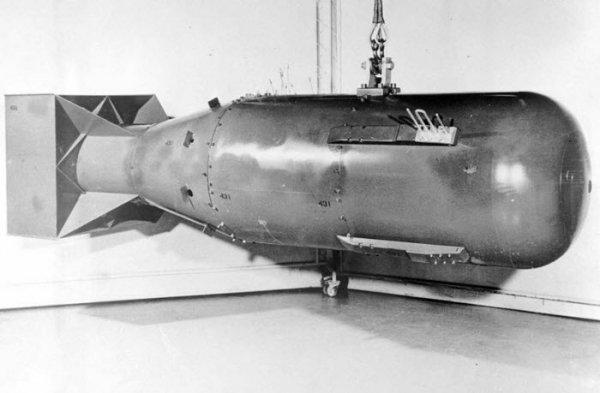
In this photo released by the US government in 1960, captures the layout of the atomic bomb "Little Boy» (Little Boy), which was dropped on Hiroshima on August 6, 1945. The size of the bomb was 3, 2 m in length and 73 cm in diameter, weight - 4 tons, and the power of explosion reached 20 000 tons of TNT.
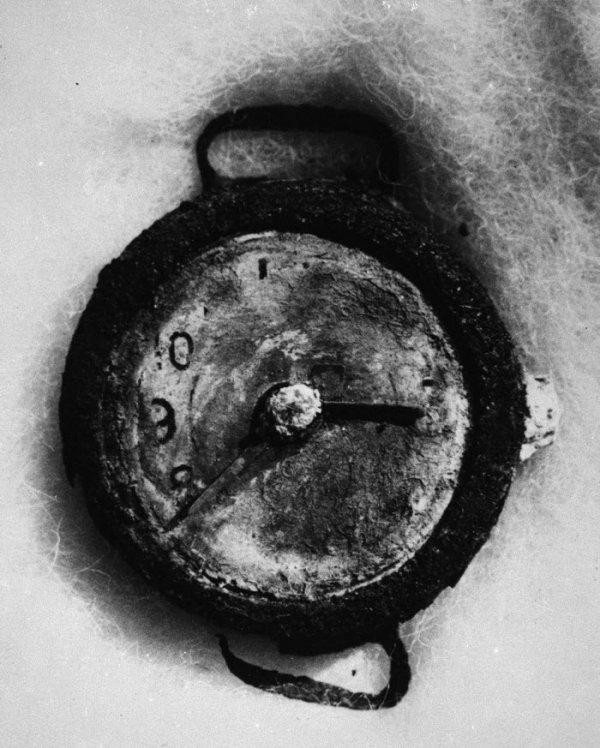
Watches, which were found among the ruins, we stopped at 8:15 am August 6, 1945 - the explosion of the atomic bomb in Hiroshima.
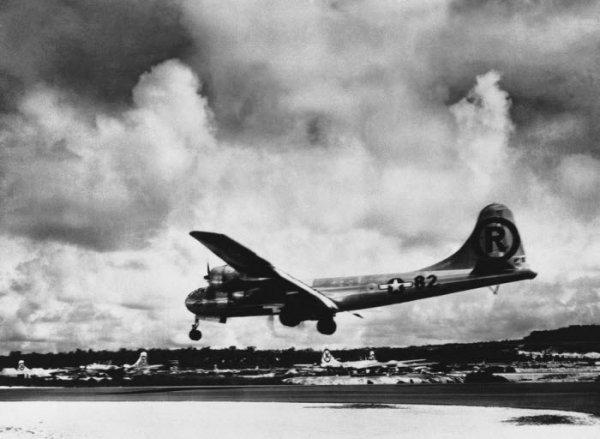
Flying Fortress "Enola Gay" landing on the base on the island of Tinian after the bombing of Hiroshima August 6, 1945.
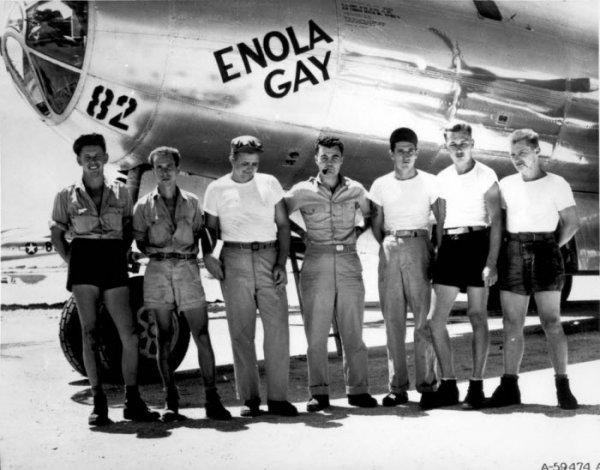
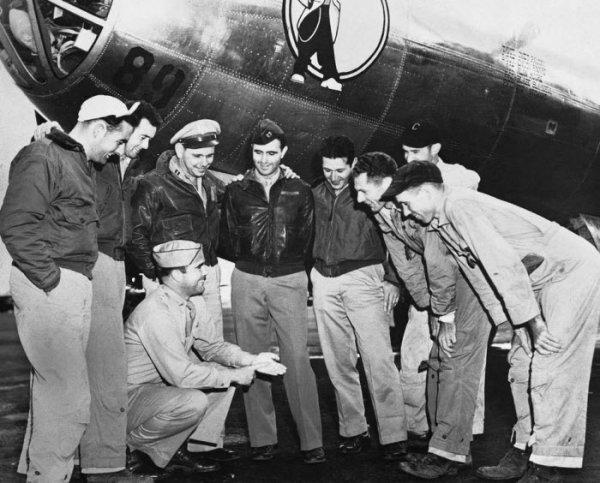
In this photo taken on the Mariana Islands and the provision of the US Air Force ground crew captured B-29 bomber "Enola Gay", with which was dropped on Hiroshima atomic bomb "Little Boy" August 6, 1945. The pilot Colonel Paul Tibbets B. is in the center. This was the first case in the history of the use of nuclear weapons during the war.
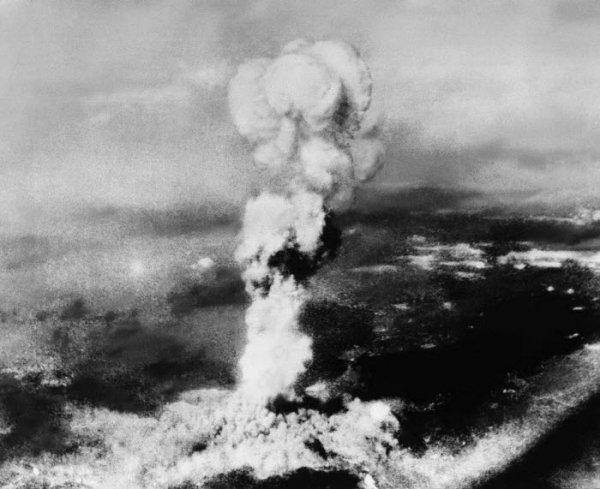
Smoke rises above Hiroshima August 6, 1945, after at her atomic bomb was dropped.
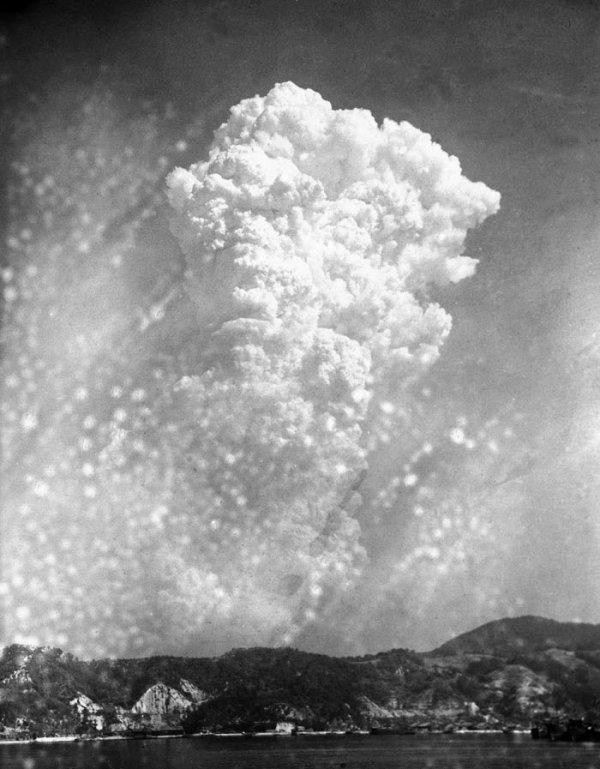
In this photo taken from Yoshiura on the other side of the mountains to the north of Hiroshima, Japan, is seen smoke rising after the explosion of the atomic bomb in Hiroshima, August 6, 1945. The photograph was taken by the Australian engineer. Notice the spots left on the negative radiation, which almost destroyed the picture.
Survivors of the explosion of the first atomic bomb ever used in warfare, expect ambulance in Hiroshima, Japan, Aug. 6, 1945. The explosion immediately killed 60,000 people, tens of thousands died later from radiation exposure.
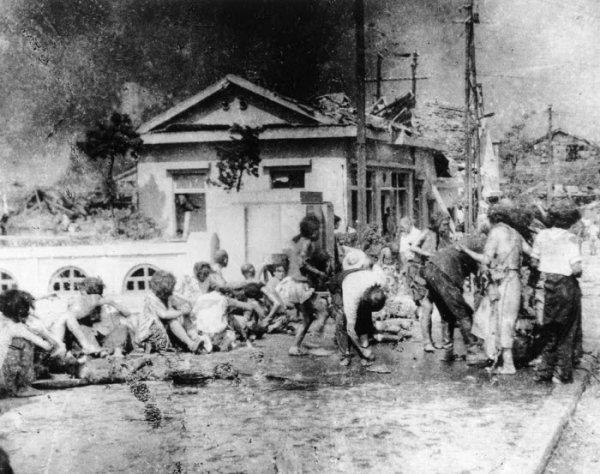
Military physicians provide first aid to survivors shortly after the US dropped the first bomb ever used in military action on the Japanese city of Hiroshima August 6, 1945. The explosion immediately killed 60,000 people, tens of thousands more died later from radiation exposure.
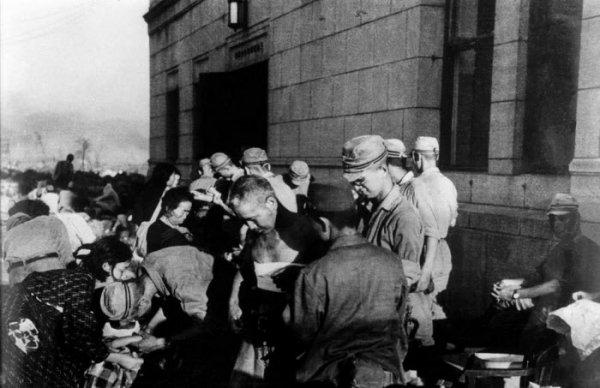
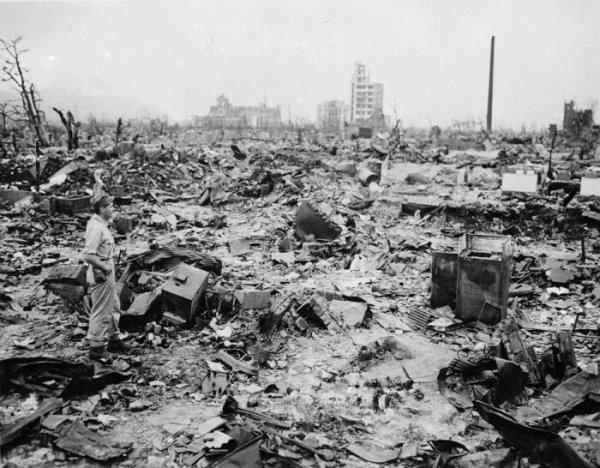
Ruins - all that was left after the explosion of the atomic bomb in Hiroshima, Japan, Aug. 6, 1945. US President Harry Truman gave the order to use nuclear weapons capacity of 20 000 tons of TNT to speed up Japan's surrender and complete the Second World War. Japan surrendered on August 14, 1945.
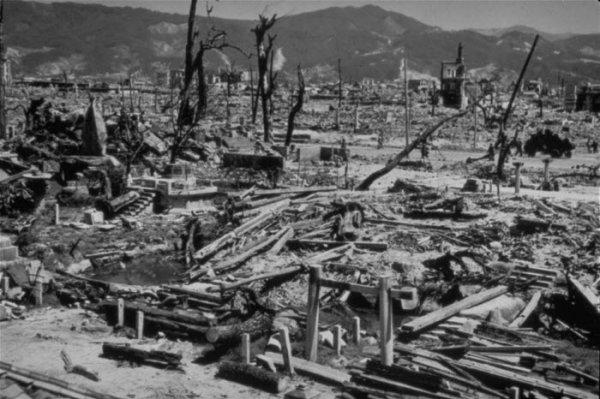
Pall of smoke spreading over the ruins of Hiroshima, Japan, August 7, 1945, the day after the explosion of the atomic bomb.
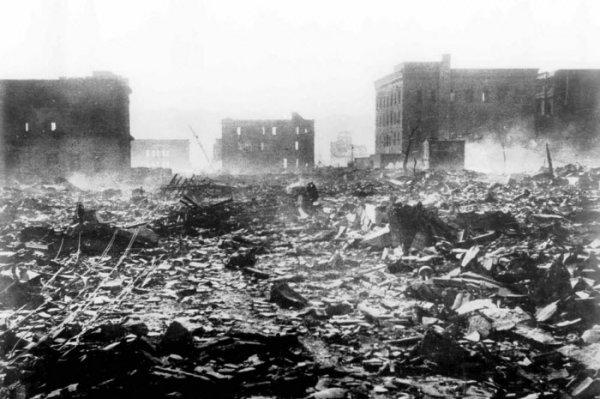
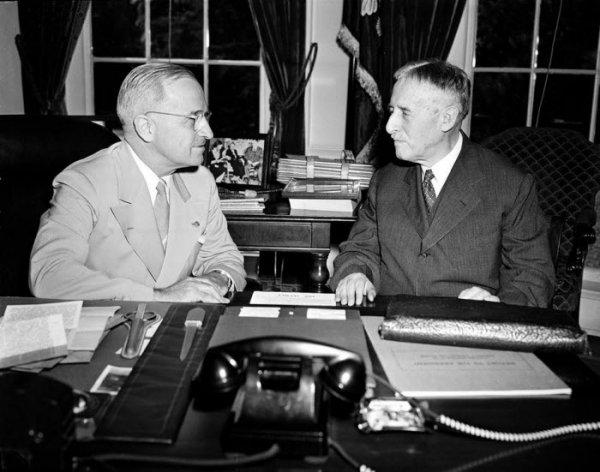
President Harry S. Truman (left) sits at his desk in the White House with the Minister of War Henry L.Stimsonom after returning from the Potsdam Conference. They talk about the atomic bomb dropped on Hiroshima, Japan.
In this photo, the Japanese city of Hiroshima visible frame of the building, standing among the ruins of August 8, 1945.

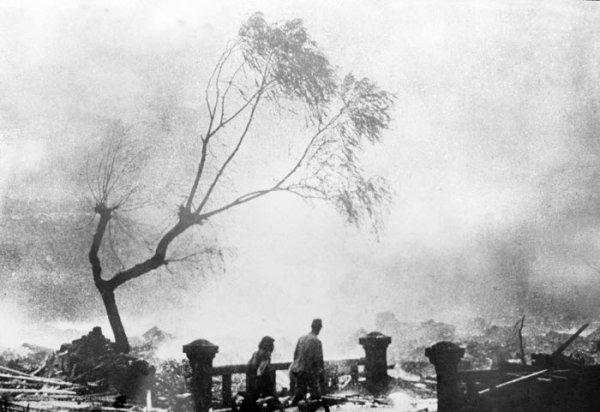
People who survived the atomic bombing of Nagasaki, are among the ruins, while in the background a raging fire Aug. 9, 1945.
Crew members «The Great Artiste» B-29 bomber that dropped the atomic bomb on Nagasaki, gathered around Major Charles W. Sweeney in North Quincy, Massachusetts. All crew members took part in the historical operations. From left to right: Sergeant R. Gallagher, Chicago; Staff Sergeant AM Spitzer, Bronx, New York; Captain C.D. Albury, Miami, Florida; Captain J.F. Van Pelt, Jr., Oak Hill, West Virginia; Lieutenant F. J. Olivi, Chicago; Staff Sergeant E.K. Buckley, Lisbon, Ohio; Sergeant AT Dehart, Plainview, Texas, and Master Sergeant JD Kuharek, Columbus, Nebraska.
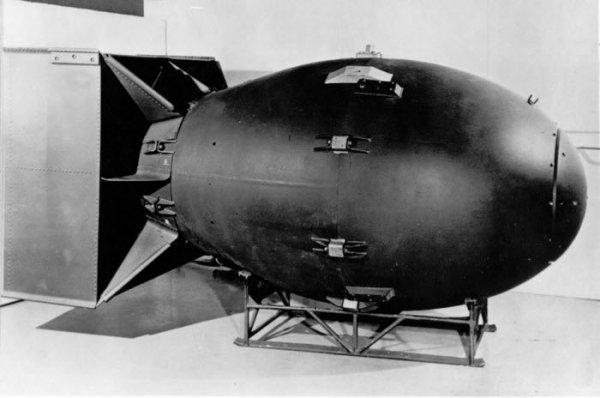
This image layout atomic bomb exploded over Nagasaki, Japan, during World War II, was published by the Commission for Atomic Energy and the US Department of Defense in Washington, December 6, 1960. Bomb "Fat Man» («Fat Man») had a length of 3, 25 m and a diameter of 1, 54 m, it weighed 4 to 6 tons and the power of the explosion reached about 20 kilotons of TNT.
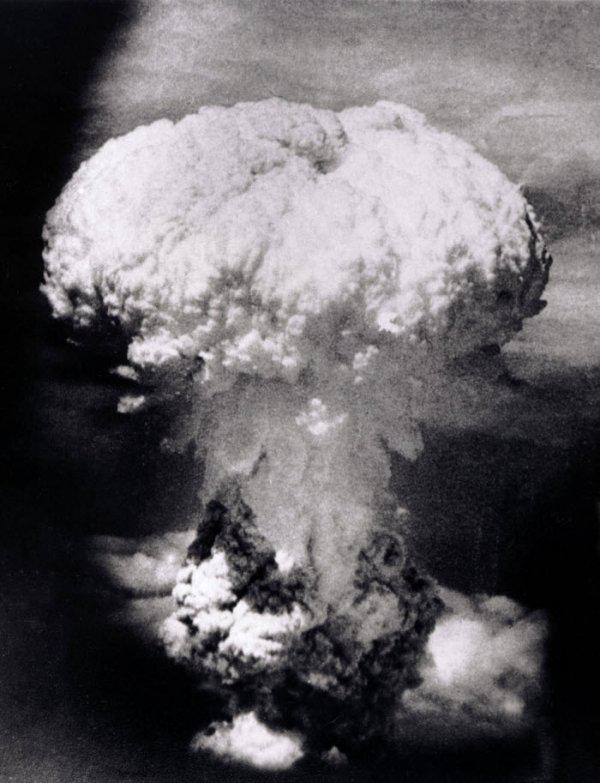
A huge column of smoke rises into the air after the second atomic bomb ever used in warfare, exploded in the port city of Nagasaki August 9, 1945. By a bomb dropped bomber, B-29 Bockscar Air Force US Army immediately killed more than 70,000 people, tens of thousands more died later from radiation exposure.
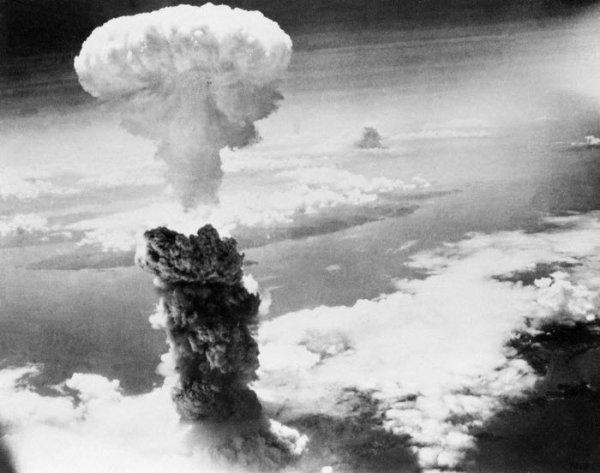
A huge mushroom cloud formed over Nagasaki, Japan, after the United States bomber dropped an atomic bomb on the city of 9 August 1945. The blast killed 70 000 people, thousands more died later from radiation exposure. Nagasaki nuclear attack occurred three days after the United States dropped the first ever atomic bomb on the Japanese city of Hiroshima.
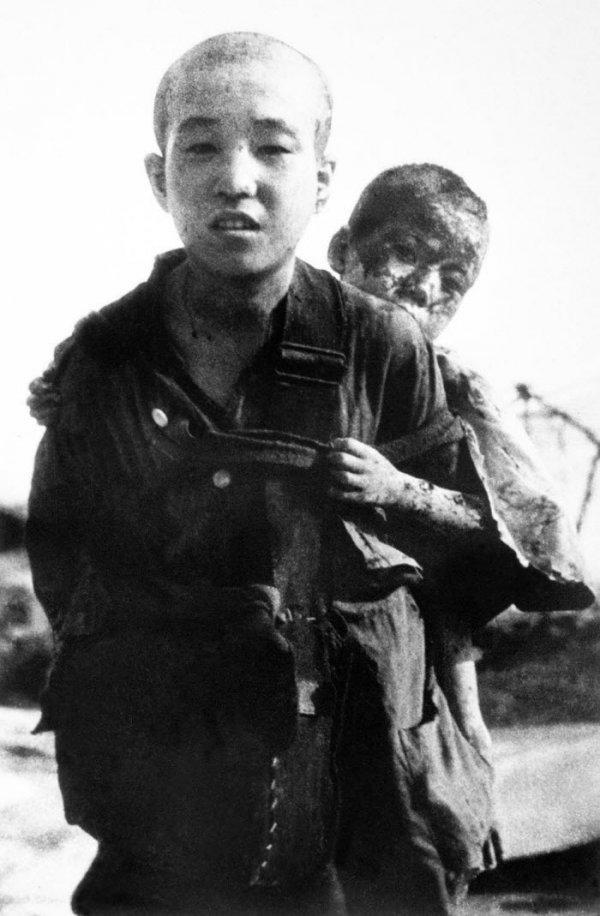
A boy carries on the back of his brother, received burns, August 10, 1945 in Nagasaki, Japan. These photos are not made public by the Japanese military forces, but after the war they were shown the world press UN staff.
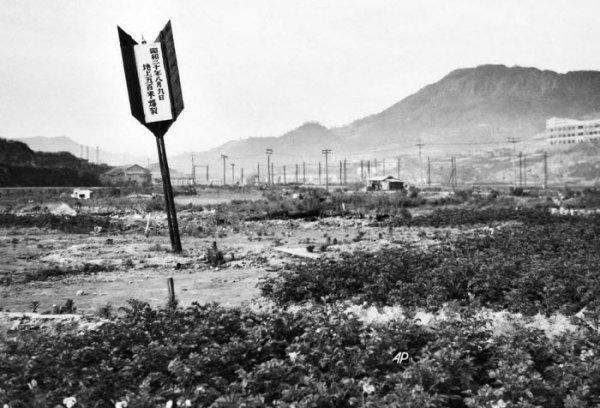
Arrow was installed in a place where the atomic bomb dropped in Nagasaki, August 10, 1945. Most of the affected area is empty to this day.
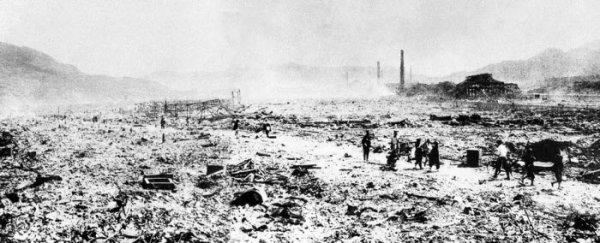
Japanese workers remove debris on the devastated area in Nagaski, an industrial city in the south-west of the island of Kyushu, after August 9 at him atomic bomb was dropped. In the background you can see the photos of the chimney and lone building on the front - the ruins after the bombing of Nagasaki. The picture was taken from the archive of the official Japanese news agency Domei.
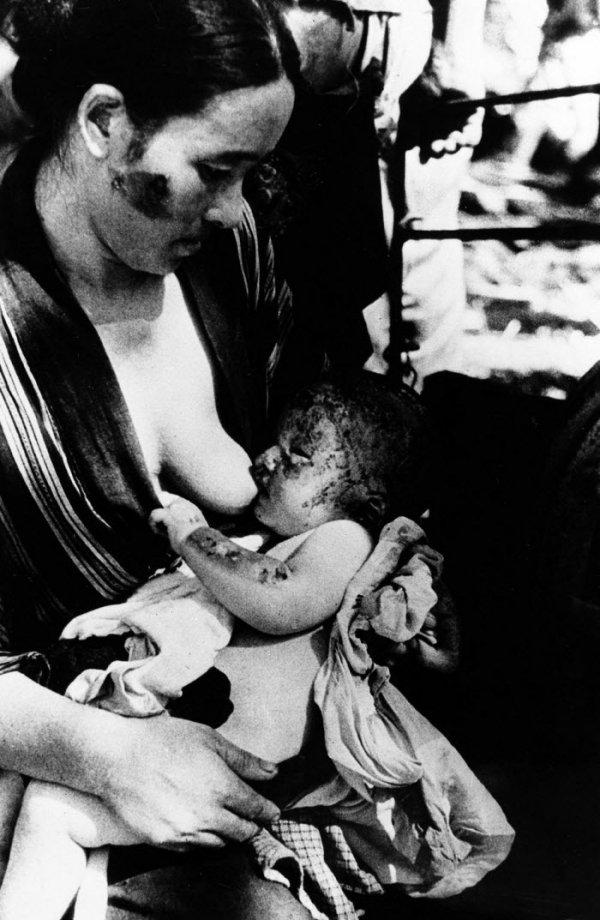
Mother and child are trying to live on. Picture taken August 10, 1945, the day after on Nagasaki, Japan, the bomb was dropped
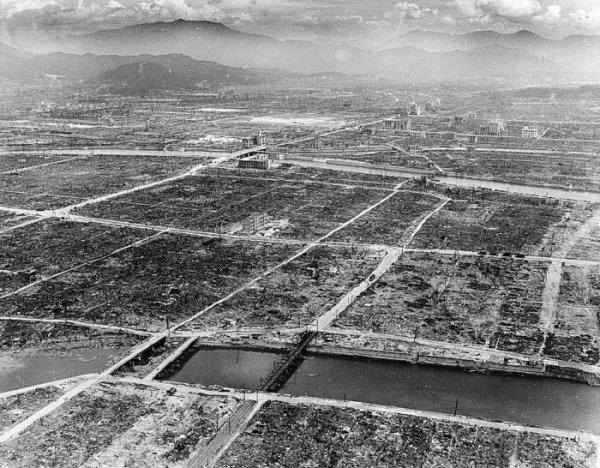
Several buildings and bridges of steel and concrete remained intact after the United States dropped an atomic bomb on the Japanese city of Hiroshima during World War II, as seen in this photo taken on September 5, 1945.
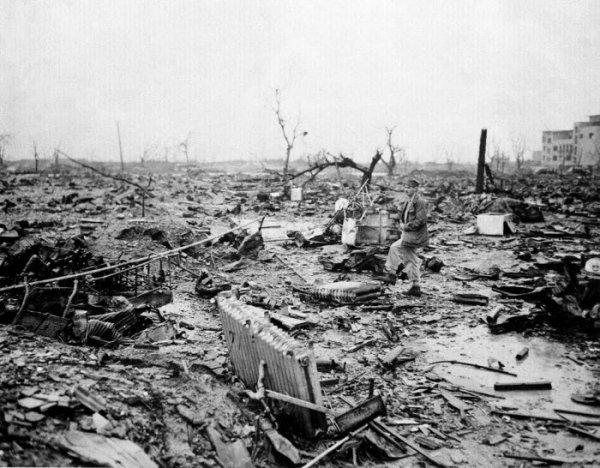
Allied journalist examines the ruins of Hiroshima, Japan, a month after the August 6, 1945 exploded the first atomic bomb.
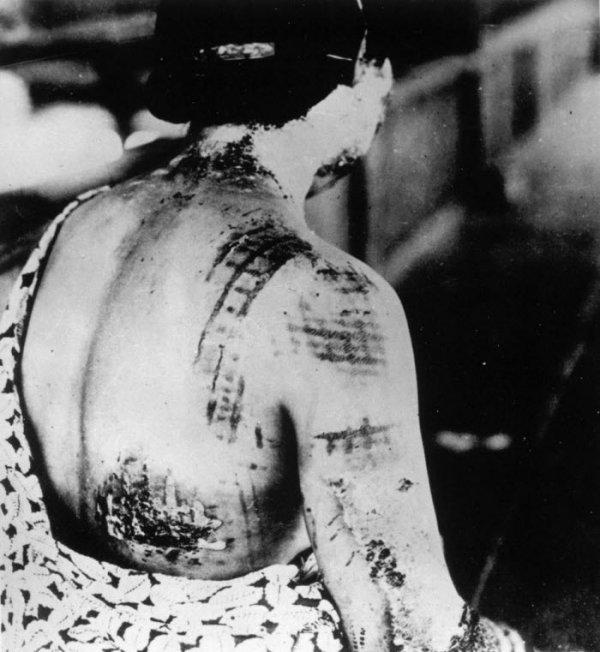
The victim of the explosion of the first atomic bomb ever used in warfare, is in otdelenii1 th Military Hospital in Hiroshima. Thermal rays released by the explosion burned contours clothes on his back this woman.
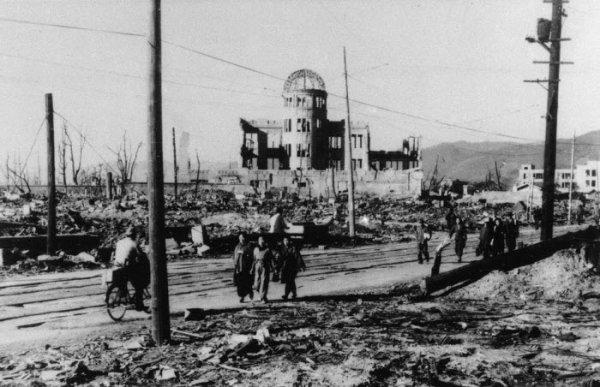
The area around the Sangyo-Shorei-Kan (Centre for Trade Facilitation) devastated Hiroshima after the atomic bomb 100 meters away in 1945.
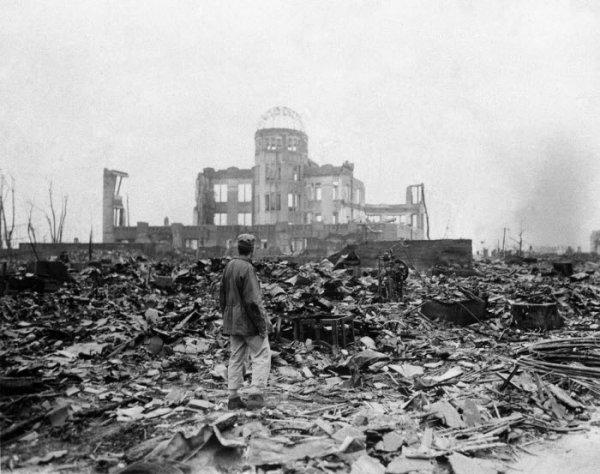
Allied correspondent stands among the ruins before the frame of the building, which used to be the city's theater, in Hiroshima September 8, 1945, one month after the first atomic bomb ever used in military action was dropped by the United States to speed up the surrender of Japan.
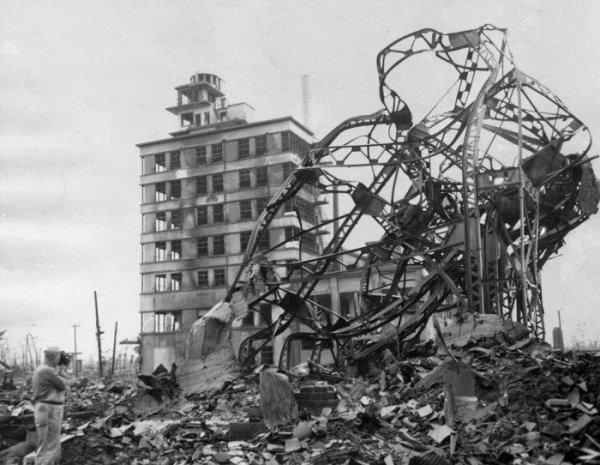
Twisted steel reinforcement and destroyed building visible in the ruins to destroy the earth after the explosion of the atomic bomb over Hiroshima. Picture taken September 8, 1945.
Only a few buildings left standing in the devastated Hiroshima, the Japanese city, which was razed to the ground by the explosion of the atomic bomb, as seen in this photo taken on September 8 945 years.