865
Radio telescope DKR-1000
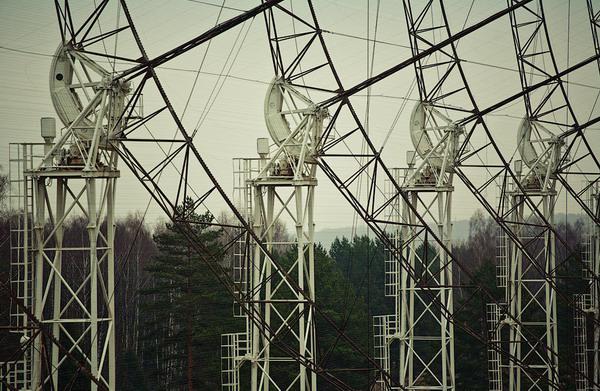
Radio telescope DKR-1000 - radio telescope of the meridian type unfilled aperture, consists of two antennas North-South and East-West, located in the shape of a cross. This tool is working only east-west direction.
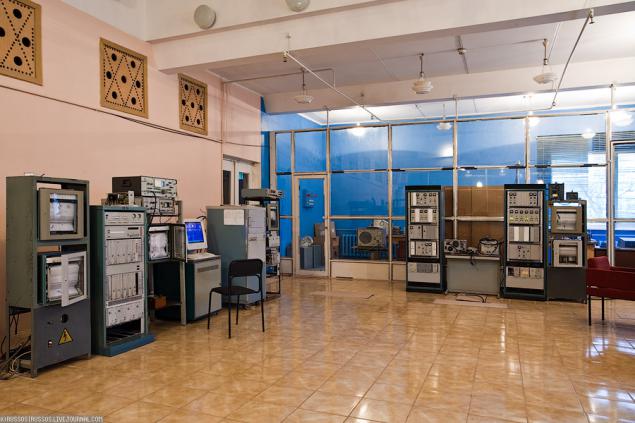
The detached house is situated remote telescope control, receiving and fixing equipment.
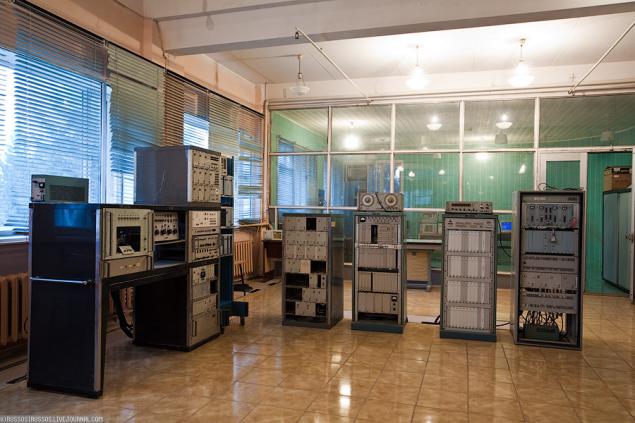
Appointment of equipment for me remains a mystery, but the rack smotrjatsja beautiful.
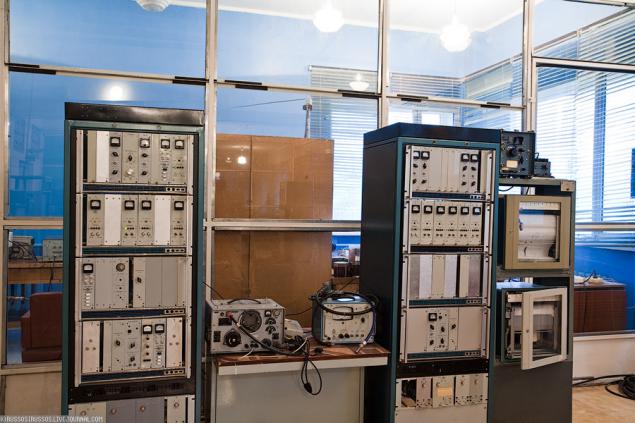
With the advent of FM-radio listening space it has become more difficult. Ether provides strong interference.
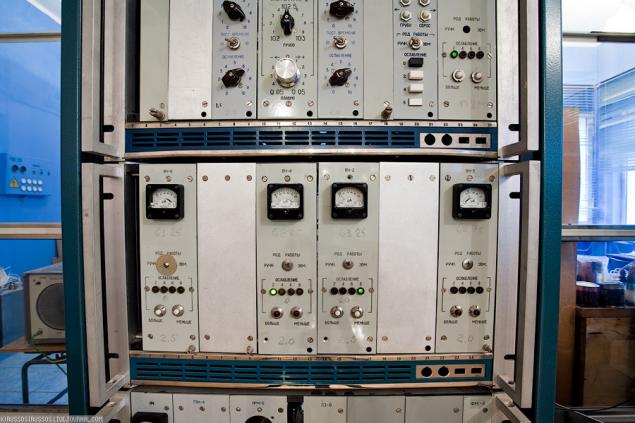
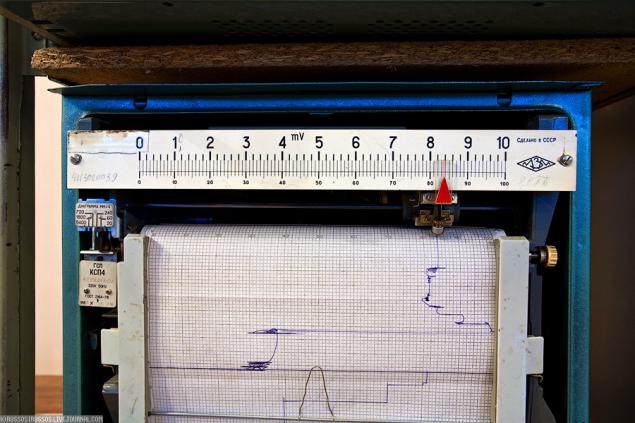
On the recorder - a signal received from the DKR-1000. Paper only to control operation. The data, which then operate radio astronomers, is digitized on the usual hard drive on a PC.
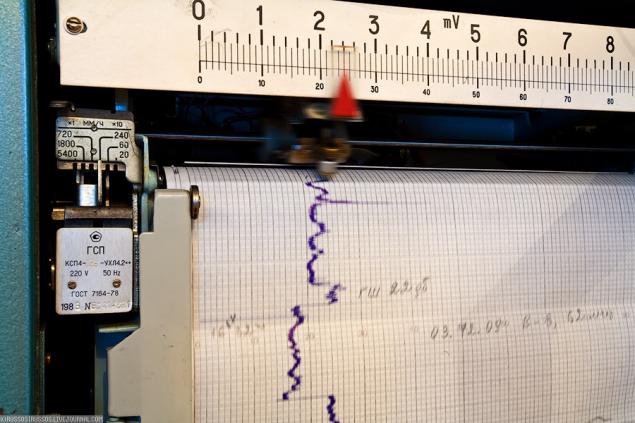
Some broken recorder.
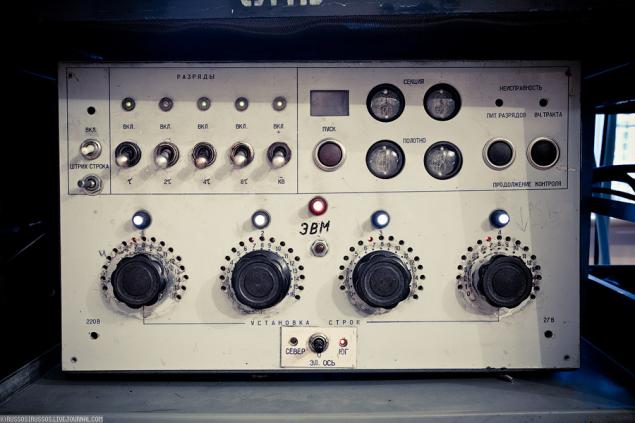
Computers More precisely, not the computer, and a small antenna control unit BSA - allows you to change its direction in the sky in the "manual" mode (a set of toggle switches and knobs on the panel), or - in the management of a computer (now just and indicator lights of its work) . Previously, the marking of computers hidden M-6000 (70 years), then - MERA-125 (80s) now is the usual personalka. But the inscription itself a marker on the block - How to write it in the '70s, so it was left ...
Spacious, clean and tidy. All the people with whom we spoke there, could talk for hours about their favorite business. And how to tell! I really enjoyed this tour.
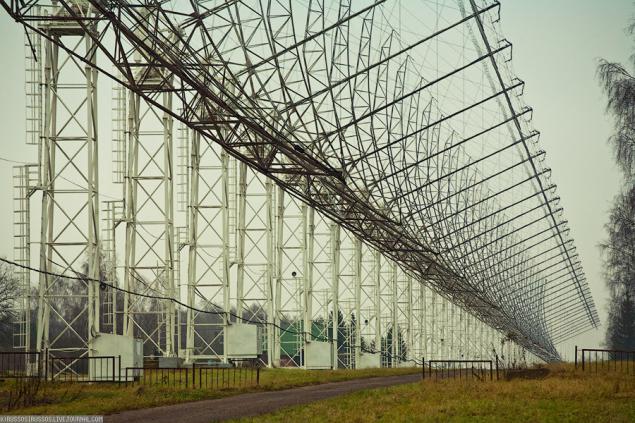
Range cruciform-meter radio telescope in 1000 (LSC-1000) consists of two antennas: mobile axis East-West (pictured) and fixed South-North.
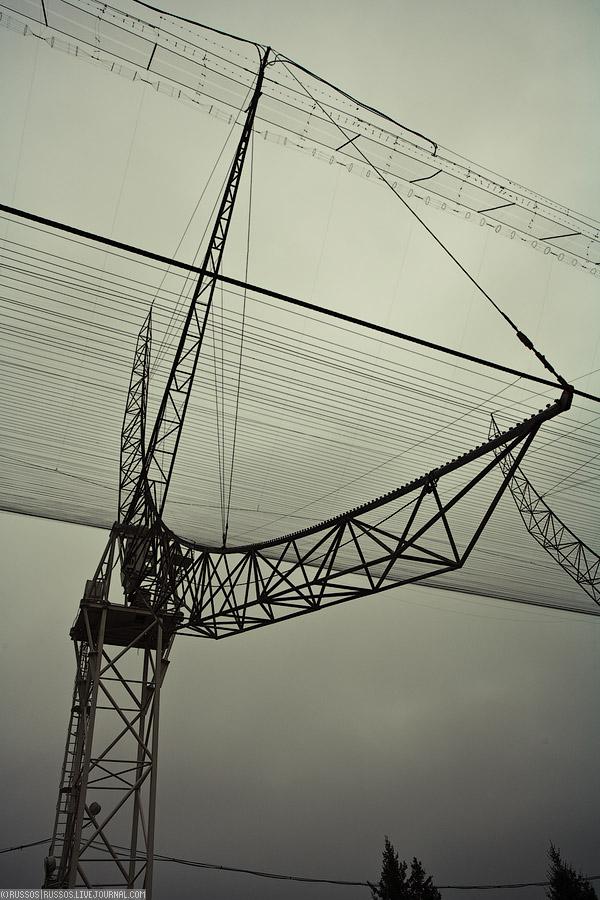
Aerial East-West consists of 37 towers with a 40-meter parabolic farms. Some incredible sight from the film of the future. Especially when you go on the machine under these farms.
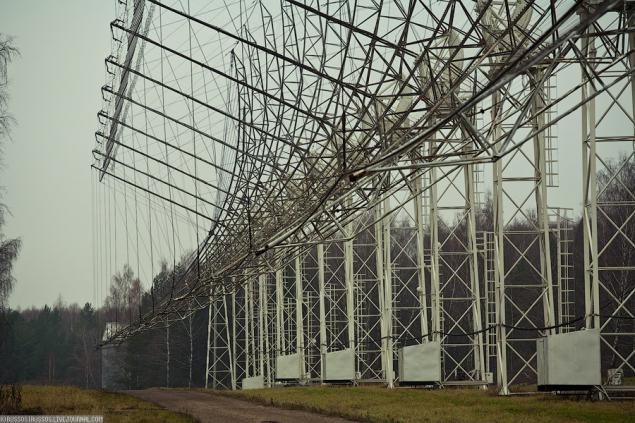
Between them taut wire, which form a mirror reflector.
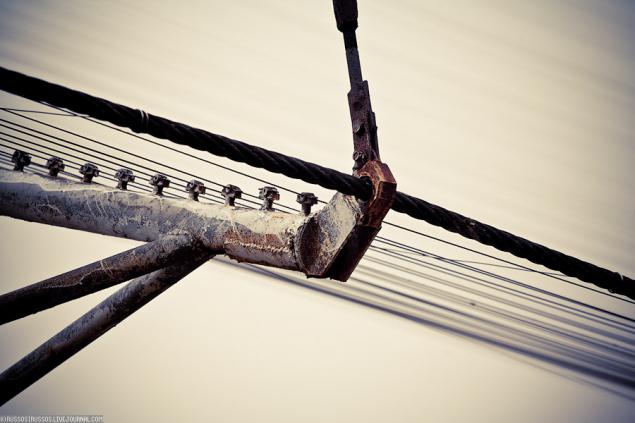
Along the focal lines are located wide-range of both antennas irradiators, allowing to observe at wavelengths of 2, 5 to 10 m.
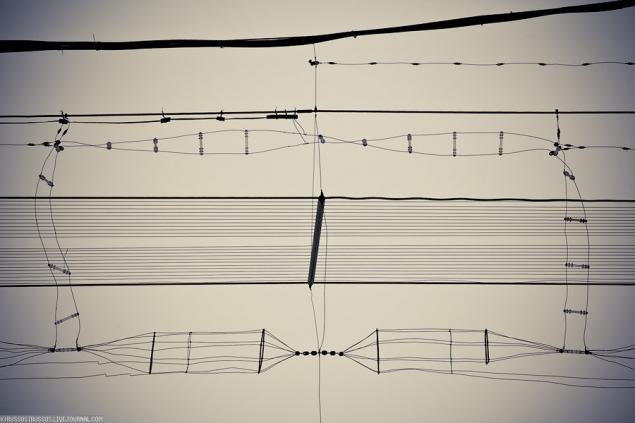
This view of the broken antenna North-South. In the city of Pushchino walks two bikes. First that some local biological institute poison chemicals and dangerous microbes air and municipal sewage; and - that the telescope illuminates unfortunate inhabitants. The fact that any telescope only receives a signal and no one remembers. But in spite of the alleged risk of brain damage, the house is already built butt. Which, of course, it is not quite good effect on the quality of reception
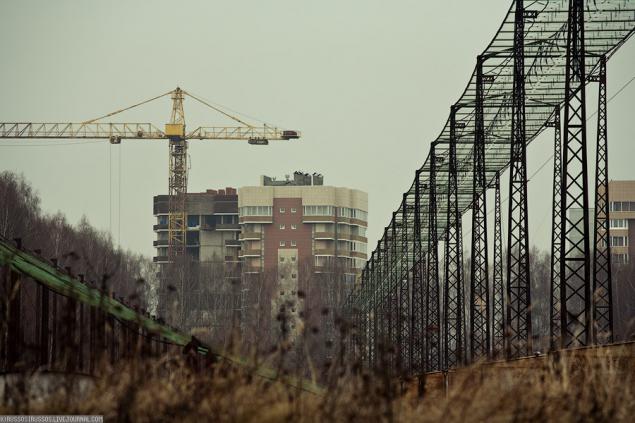
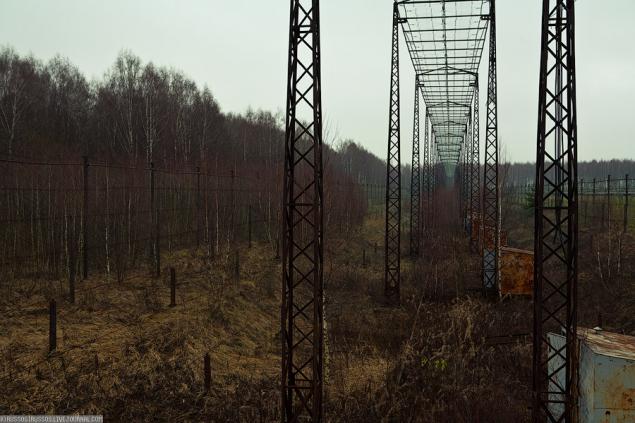
This antenna is the "South-North". It is a fixed reflector on the surface of the earth. At the end of the 90s it was stolen by non-ferrous metals. Since not used.
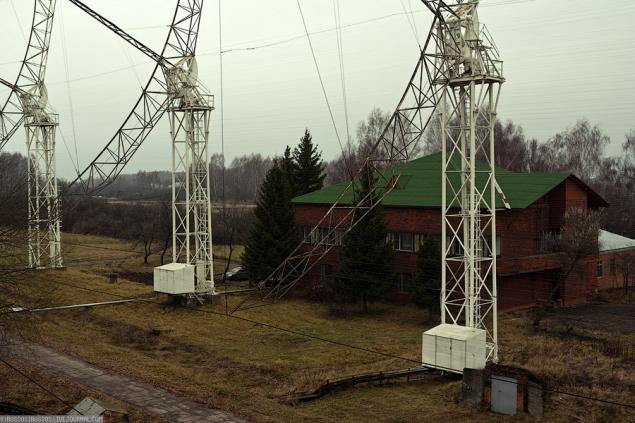
House Control DRC-1000. By the way, we were told that when the Ostankino tower burned down, it was the best time for observation - signal was very clean.
Insulator radiator.
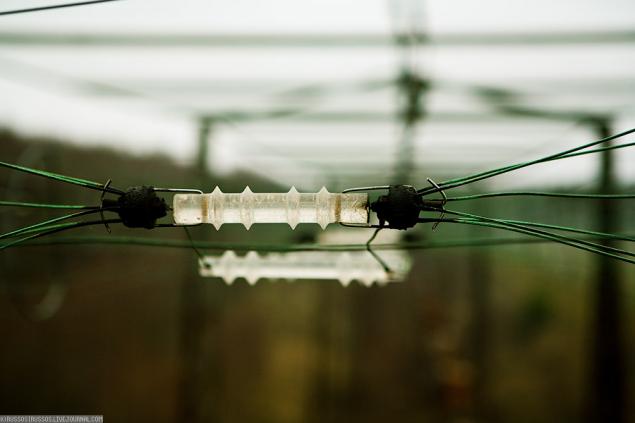
All the copper wires, so under the influence of the environment oxides and covered with a green patina.
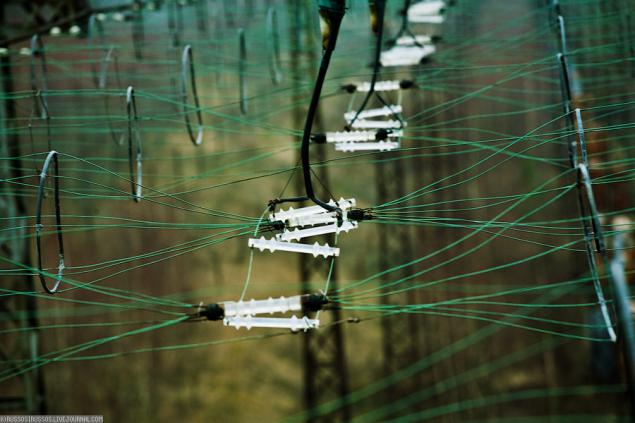
A long string of green wires, insulators and irradiators.

As I understand it, the restoration of this axis is not planned.
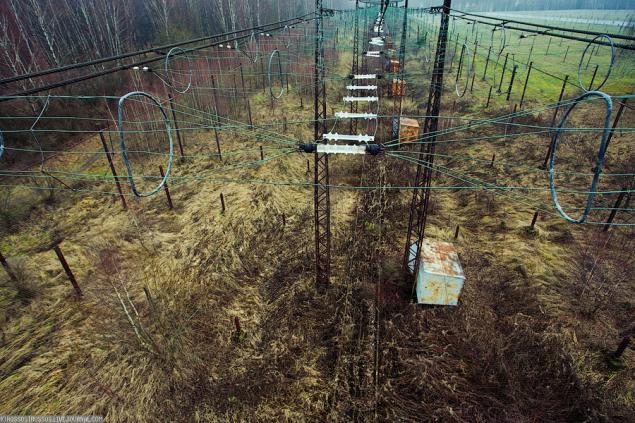
Elevation changes the whole structure kilometer turn mechanisms simultaneously in all 37 masts.
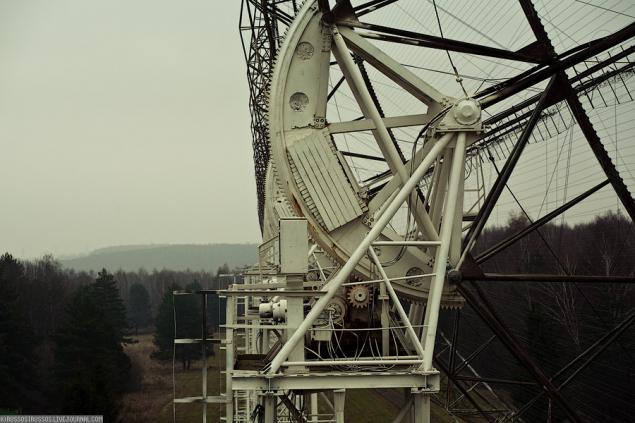
The gear reducer drive pitch control. Rotation is fairly slow, because all 37 motors must work synchronously. The amount of out of sync displayed on the control panel management.
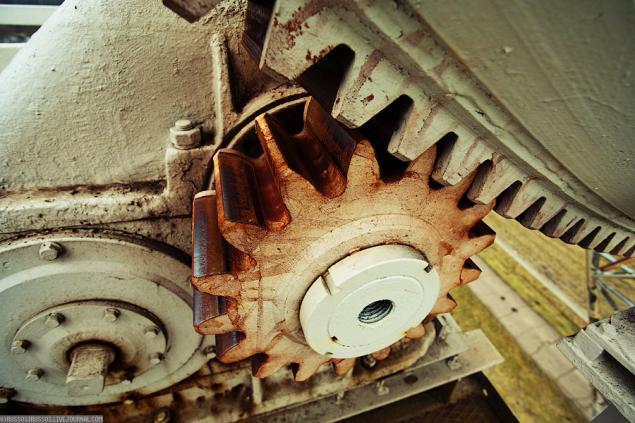
The building is huge. My car seems small beetle on the background kilometer ranks masts.
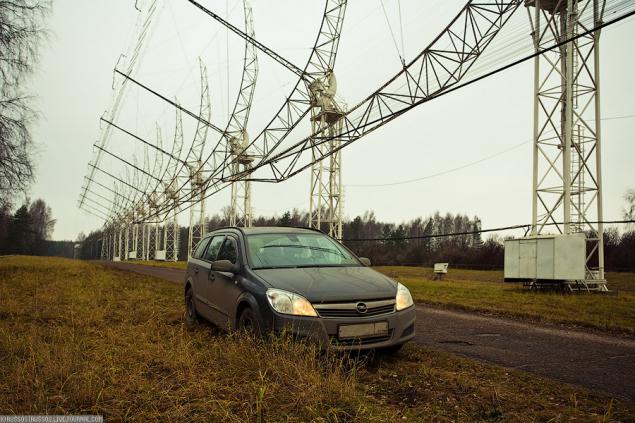
In wet and windy day, you can observe a rare phenomenon - a telescope "sings". Wind confused in the reflector portion of the wire and get the incredible sound effect. Sort of modulated howling wind, and quite loud. Said Sergei Bondarchuk arrived to record the sound for "War and Peace", and the same sound used Andrei Tarkovsky in his "Stalker».
via russos
Source: ">