9522
The worst nuclear disaster in the history of mankind (72 photos)
The explosion at the Chernobyl nuclear power plant occurred at 1:23 a.m. on April 26, 1986, resulting in a radioactive cloud that covered most of Europe. According to experts, from 15,000 to 30,000 people became victims of the consequences of the accident. More than 2.5 million Ukrainians have health problems related to the Chernobyl accident, about 80,000 receive pensions.
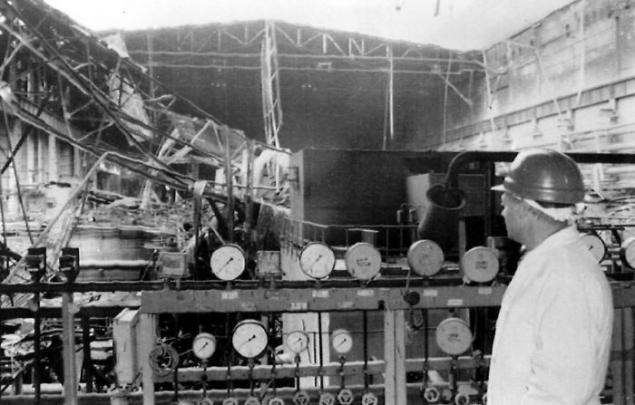
An engineer examines the destruction in the reactor control room at the Chernobyl nuclear power plant, on October 13, 1986, a Sunday after Friday's fire destroyed the roof. This is the second disaster in a year after the accident that occurred on April 26, 1986. Environmentalists demanded an immediate shutdown of the reactor and the closure of the plant.

Four of the thirty cows that died during a stop at the Pontebba checkpoint on the Italian-Austrian border lie in a freight car in Pontebba, Italy, Tuesday, May 7, 1986. The cows were sent back to Poland after an inspection revealed that the animals were victims of radiation contamination from the accident at the Chernobyl nuclear power plant in the Soviet Union.
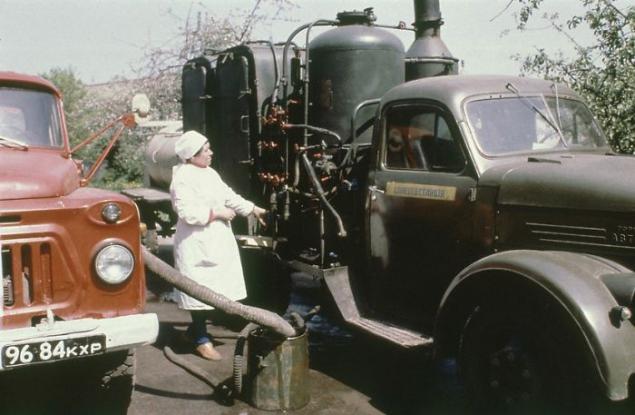
On May 9, 1986, in Kiev, Soviet technicians prepare a tank with a special solution for the disinfection of people exposed to radiation, as well as their clothes and equipment after the accident at the Chernobyl nuclear power plant.
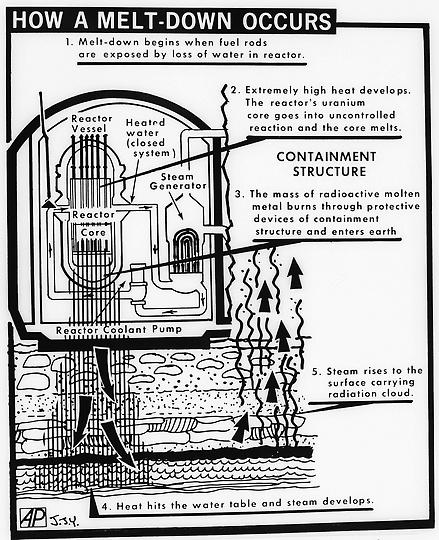
May 9, 1986, Friday. Graph depicting the process of nuclear fuel meltdown. It is believed that the molten fuel could hardly have made it into the groundwater, even if it passed through the floor of the reactor. This is what American nuclear engineers say.
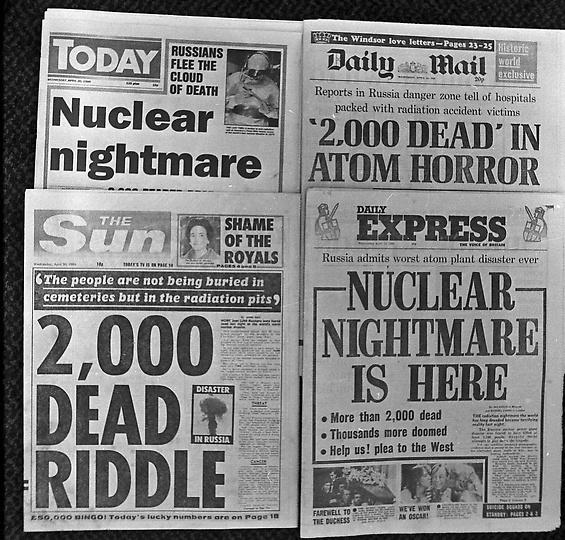
These are the editorials of the morning editions of four British newspapers that talk about the accident at the Chernobyl nuclear power plant in Ukraine, Soviet Union.
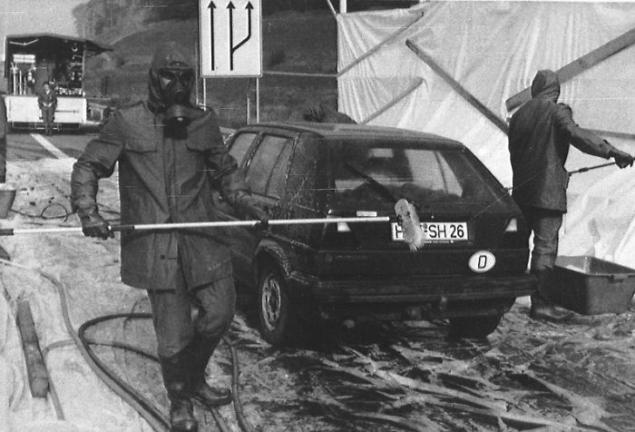
Firefighters in protective suits wash a West German car near Herleshausen on the border with East Germany, on May 3, 1986, after the car arrived from Poland and was contaminated with radiation after the Chernobyl nuclear accident.
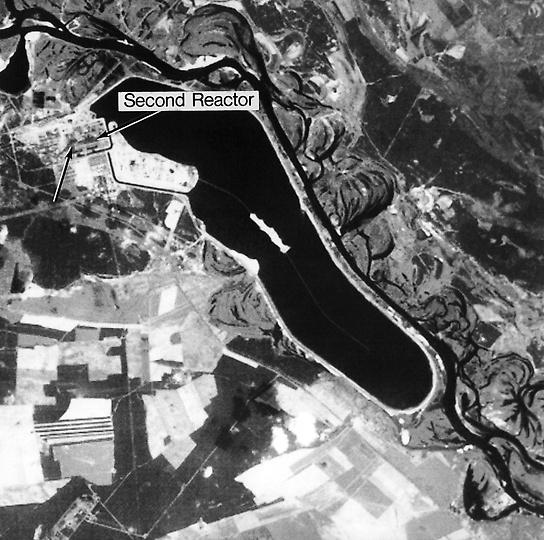
April 29, 1986. The photo of the Chernobyl nuclear power plant was taken from the Landsat 5 satellite. The water body in the center of the photo is a cooling pool.
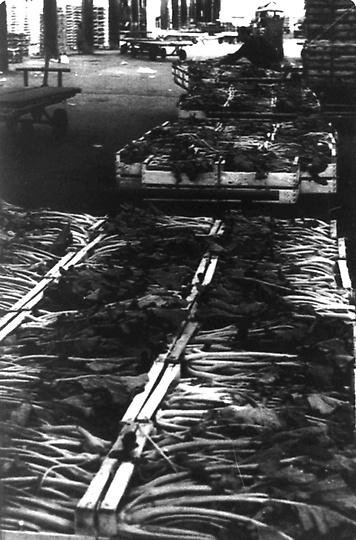
Boxes of unsold fresh vegetables and fruits at a vegetable market in Milan on May 3, 1986. After the accident at the Chernobyl nuclear power plant in the Soviet Union, the Ministry of Health banned the consumption of raw milk and fruit. This ban was in effect throughout Italy for two weeks as a precautionary measure; however, fruit and vegetable trucks continued to arrive in Milan as usual, although the markets were closed to visitors.
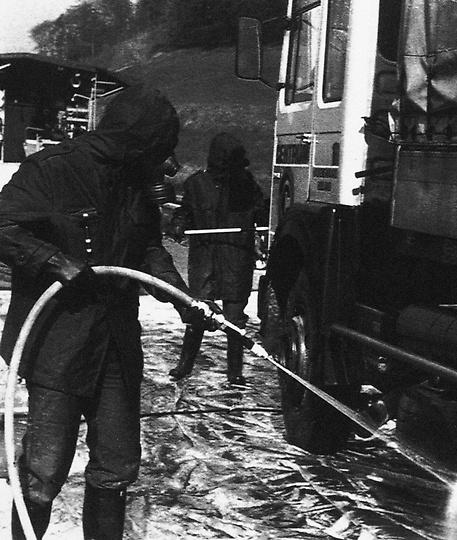
A Dutch truck arriving from Eastern Europe is washed with a decontamination solution by firefighters after it arrives at Herleshausen on the border with East Germany, Friday, May 3, 1986. In total, ten trucks were decontaminated on this day. The rest were sent back.

Workers at the Milan Food Market, the largest of all food markets in Italy and one of the largest in Europe, are destroying fresh fruits and vegetables that arrived in Italy on Saturday, May 3, 1986, fearing radiation contamination from the Chernobyl nuclear accident in the Soviet Union. After the accident, the Ministry of Health banned the consumption of raw milk and fruit.
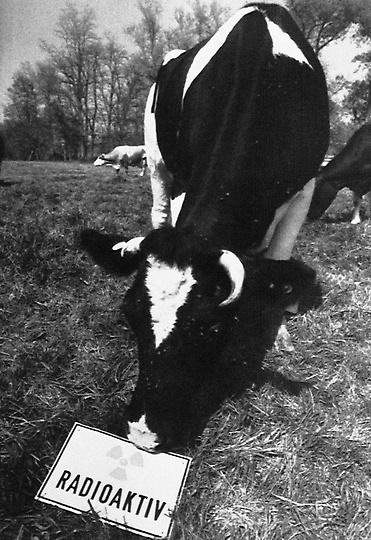
May 5, 1986. Although health ministry officials in West Germany warned farmers to keep livestock locked in sheds after the Chernobyl nuclear accident in the Soviet Union, many ignored the warning. This cow from Michelstadt, West Germany, may have been exposed to radiation contamination.
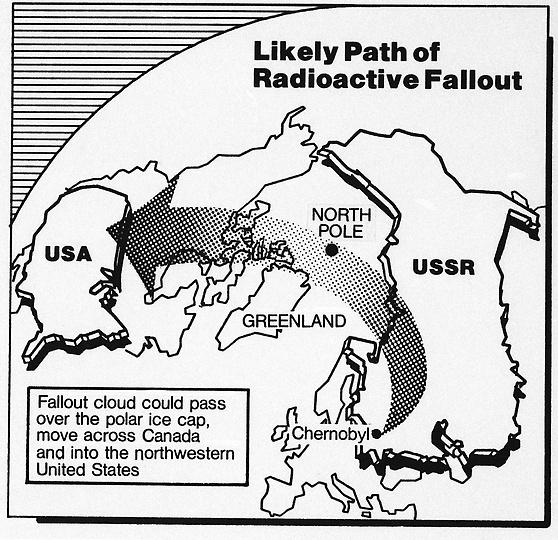
April 29, 1986. Experts say that the radioactive cloud after the accident at the Chernobyl nuclear power plant in the Soviet Union may reach the Arctic Circle, pass over Canada and the northwestern United States. However, it was argued that the radiation dose would be too low to cause serious harm to public health.
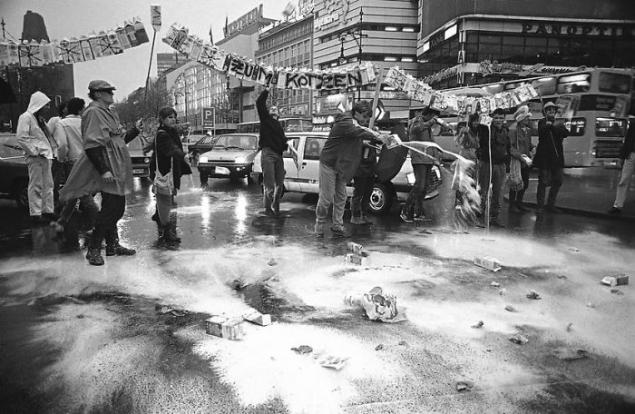
Youth from West Berlin pour milk out of cartons on May 11, 1986, to protest the possible radioactive contamination of milk and other foodstuffs. An increase in radiation levels in food was noted in Berlin after the accident at the Chernobyl nuclear power plant in the Soviet Union. The inscription on the banner reads: "may cause poisoning."
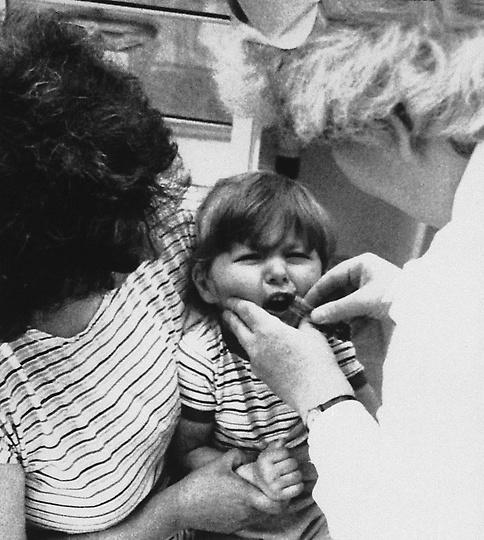
The iodine solution was used as a possible counteraction to radiation contamination. A nurse administers it to a three-year-old girl held by her mother at a children's medical clinic in Warsaw, on April 30, 1986.
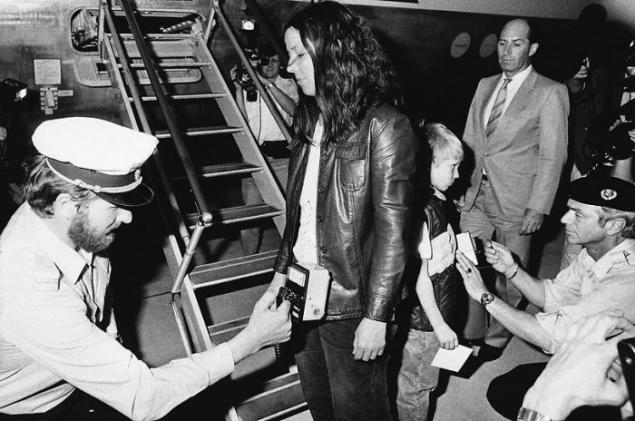
Wednesday, May 1, 1986. 64 passengers arrived aboard a special Austrian Airlines flight from Minsk, Soviet Union. All of them must pass the control of the level of radiation contamination as soon as they leave the plane at the airport in Vienna. Most of the passengers were relatives of Austrians who worked in the Soviet Union, however, journalists claimed that there were 20 Germans among them.
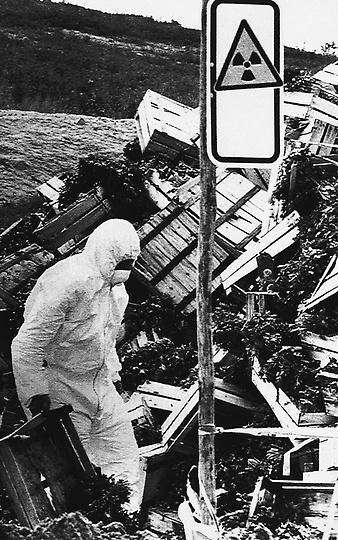
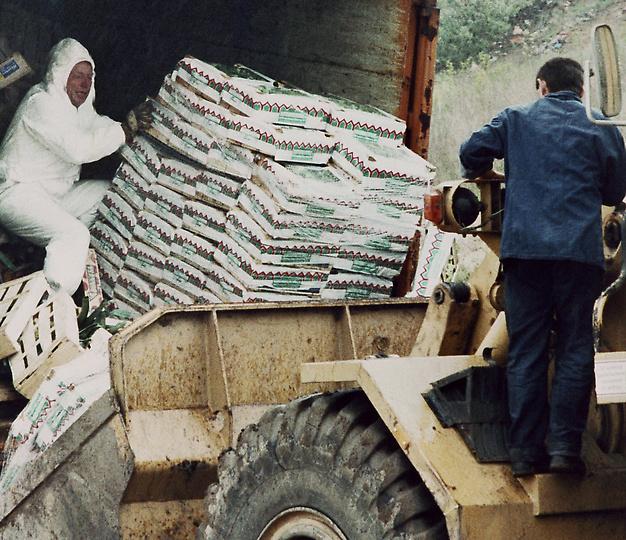
May 7, 1986. Under a radiation warning sign, a garbage man in West Berlin stacks boxes of vegetables and fruit that may have been contaminated. After the accident, the Ministry of Health banned the consumption of raw milk and fruit.
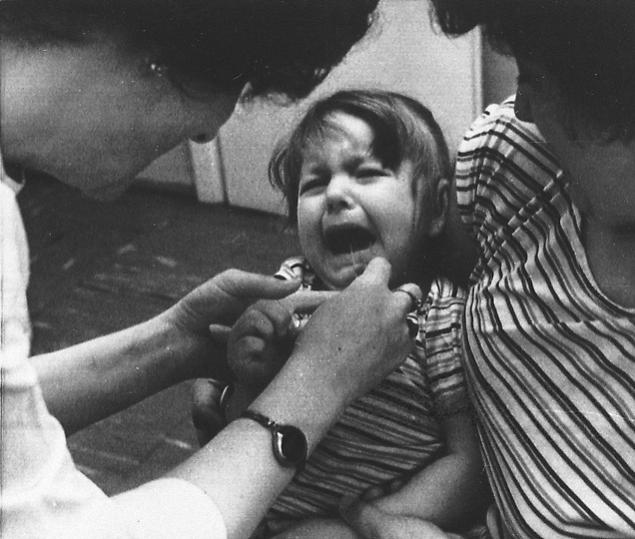
An iodine solution as a possible countermeasure to radiation contamination is administered to a three-year-old girl held by her mother at a children's health clinic in Warsaw, on April 30, 1986.
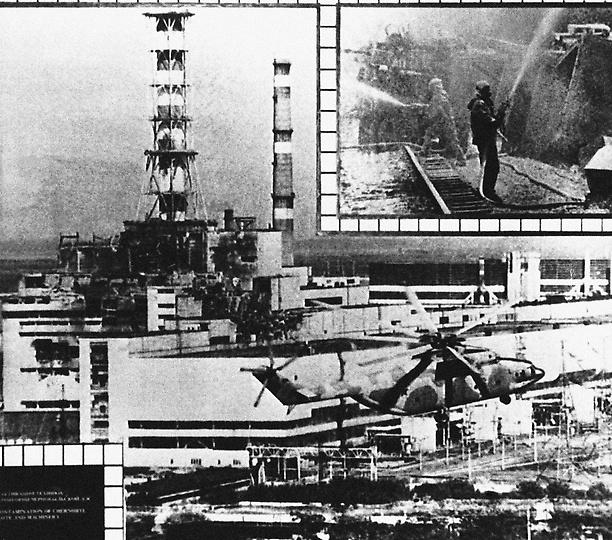
Vienna, Austria, 25 August 1996. Nuclear experts from the International Atomic Energy Control Agency open a five-day meeting on the Chernobyl nuclear accident in the Soviet Union. The photo shows the Chernobyl nuclear power plant and firefighters at work.

Image of the collapsed roof of the Chernobyl nuclear power plant, damaged in a fire. Broadcast of Russian television, October 12, 1991, Moscow. The fire occurred the day before on Friday.
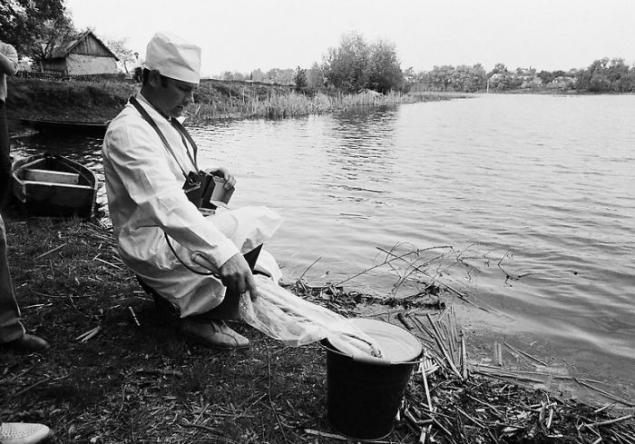
Checking for radiation contamination of water collected in a stream near Kiev, May 9, 1986. Inspections were carried out every hour after the accident at the Chernobyl nuclear power plant in the Soviet Union.
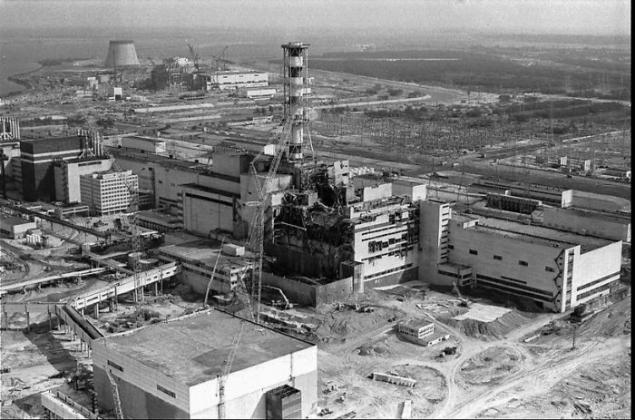
1986 year. Aerial view of the Chernobyl nuclear power plant in the Soviet Union. The destruction caused by the explosion of the fourth reactor on April 26, 1986, as a result of which radioactive substances were released into the atmosphere, is clearly visible. Ten years after the accident, the plant was still operating due to an acute shortage of electricity in Ukraine.

The photo was taken from a helicopter. Aerial view of the Chernobyl nuclear power plant, in particular the fourth unit, which exploded on April 26, 1986. The fire lasted 10 days, Russia, Ukraine and Belarus were exposed to radiation contamination. A report released in September by the World Health Organization announced that 4,000 people had died as a result of the accident, although in fact we are talking about much higher deaths. Ukraine claims that health problems after the accident began in 2.4 million of its citizens, including 428,000 children
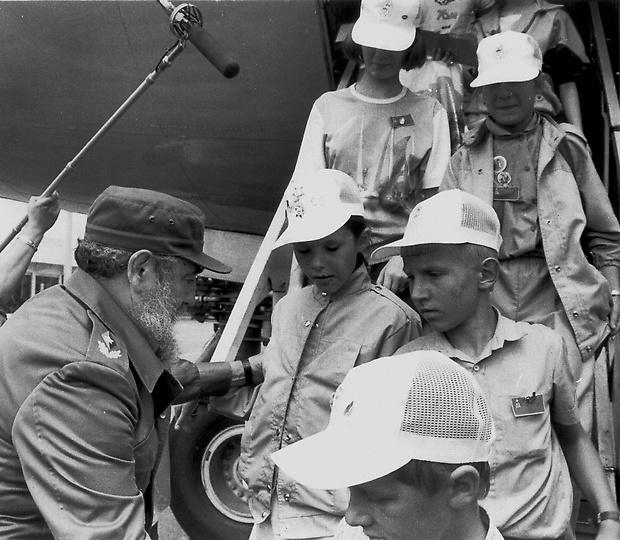
Cuban President Fidel Castro (left) receives a group of children from Belarus after the Chernobyl nuclear accident at Havana International Airport, July 2, 1990.
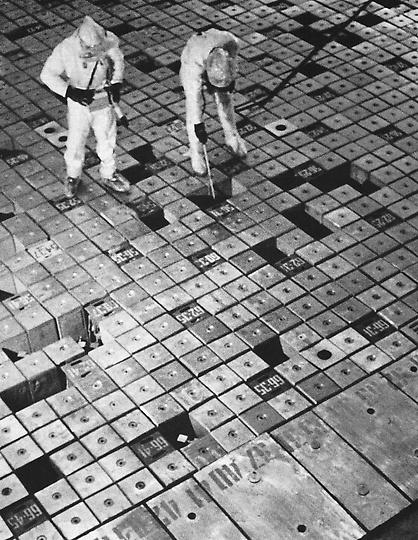
Photo from the February issue of the Soviet version of Life magazine, showing the first power unit of the Chernobyl nuclear power plant. The photo was taken on April 29, 1986. The Soviet government admitted that the plant was damaged in the accident, but the details were not specified.
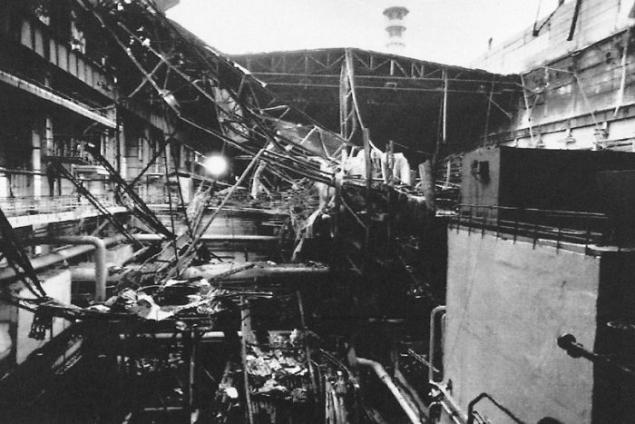
Part of the collapsed roof of the Chernobyl nuclear power plant, damaged in the fire. The photo was taken on Friday, October 13, 1991, during a media visit to the site. On Sunday, work was resumed at the station.
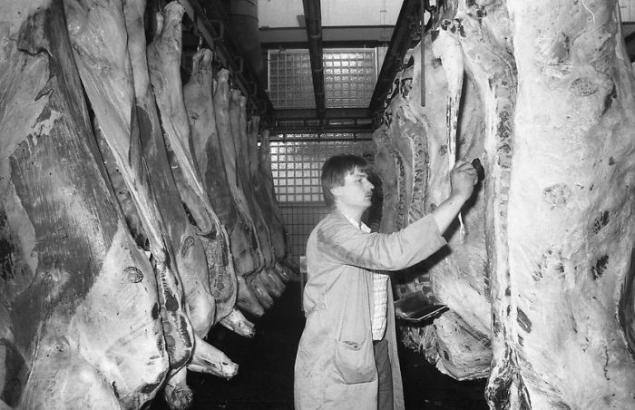
A worker stamps animal carcasses at a slaughterhouse in Frankfurt am Main, West Germany, on May 12, 1986, as a sign that the meat is fit for consumption and free of radiation. After the accident at the Chernobyl nuclear power plant, all meat was subjected to such a check.
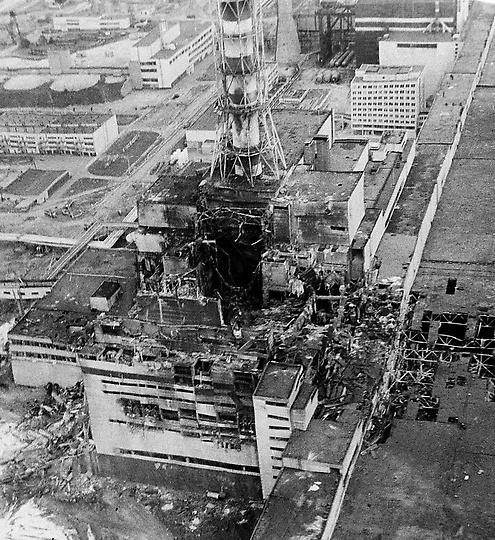
April 1986, a few days after the accident. Aerial view of the Chernobyl nuclear power plant.
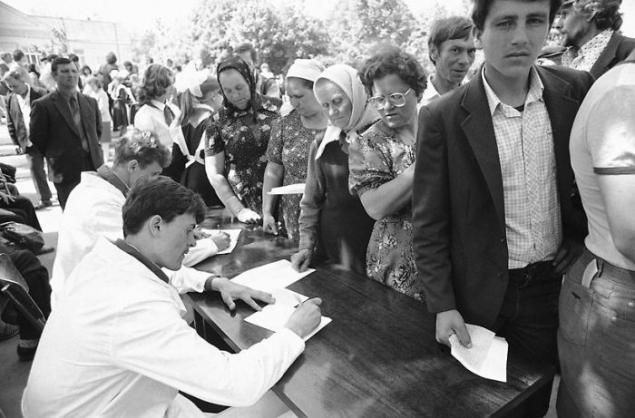
May 9, 1986. Residents of Kyiv are being tested for radiation contamination after the accident at the Chernobyl nuclear power plant.

1992 year. An abandoned village in the Gomel region due to radiation contamination.
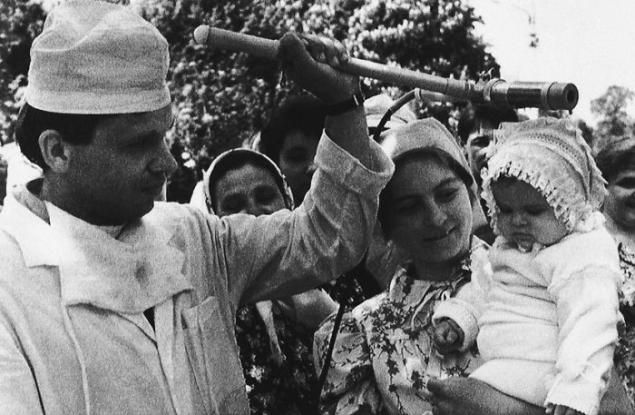
The population living near the Chernobyl nuclear power plant is checked for radiation contamination near Kiev at the Kopelovo collective farm, on May 11, 1986. The photograph was taken by a foreign photographer during a visit organized for foreign media by the Soviet government to demonstrate how the problem was being solved.
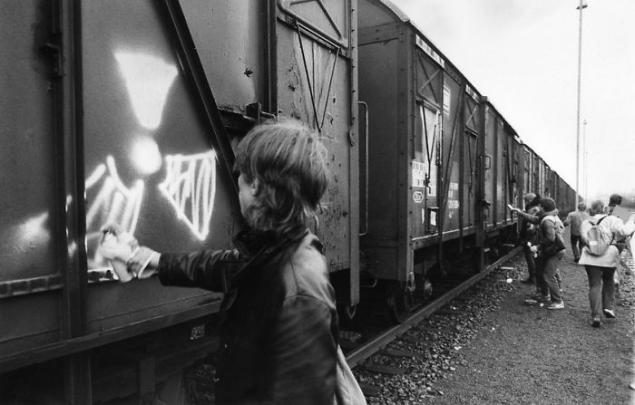
Bremen, Northern Germany, February 6, 1987. Activists put stamps on wagons with contaminated milk powder. The milk arrived in Bremen to be sent to Egypt. It was carried out after the accident at the Chernobyl nuclear power plant.

A few days have passed since the explosion of the fourth reactor. A Swedish farmer in a protective suit destroys fodder contaminated by radiation as a result of the accident at the Chernobyl nuclear power plant.

May 5, 1986, Wiesbaden. A boy looks at a notice attached to the locked gate of the children's playground, "The playground is closed." All playgrounds were closed by decision of the city council a week after the accident at the Chernobyl nuclear power plant due to an increase in the level of radiation contamination from 124 to 280 becquerels.

Chairman of the Presidium of the Supreme Soviet of the USSR Mikhail Gorbachev (center) and his wife Raisa Gorbacheva (second from left) talk to officials at the Chernobyl nuclear power plant on February 23, 1989, during their first visit to the site of the disaster.
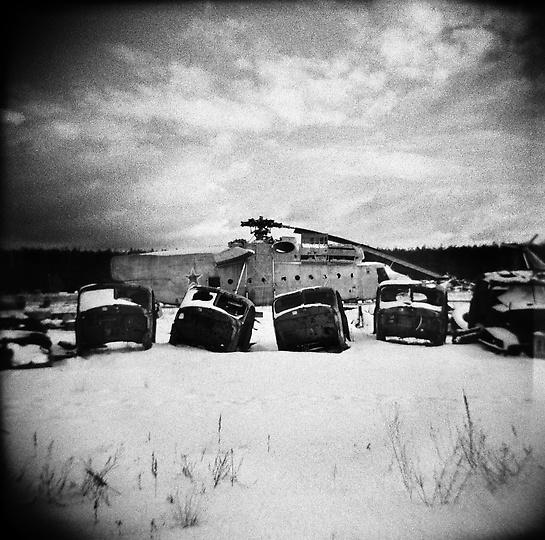
Equipment, cars and helicopters exposed to radiation contamination during the liquidation of the accident at the Chernobyl nuclear power plant lie in the open air near the village of Posokha, on January 31, 2006. For the period from April 27 to May 5, more than 30 military helicopters participated in extinguishing the fire in the reactor. In total, 2400 tons of lead and 1800 tons of sand were used for extinguishing. Tanks, helicopters and all equipment that was in the possession of the army of the Soviet Union and participated in extinguishing the fire were left in the open air.
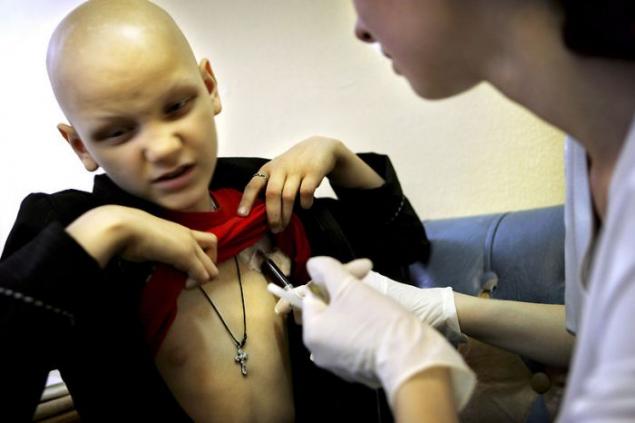
Children's Hospital in Kyiv, Tuesday, April 18, 2006. A Ukrainian doctor takes a blood test from seven-year-old Maria Burlak, a cancer patient. According to Greenpeace, more than 90,000 people have died of cancer as a result of the Chernobyl nuclear accident, contrary to a UN report that estimated 4,000 victims. Accurate information about the health consequences of the most serious accident of the twentieth century is still not available, even though twenty years have passed since the disaster.
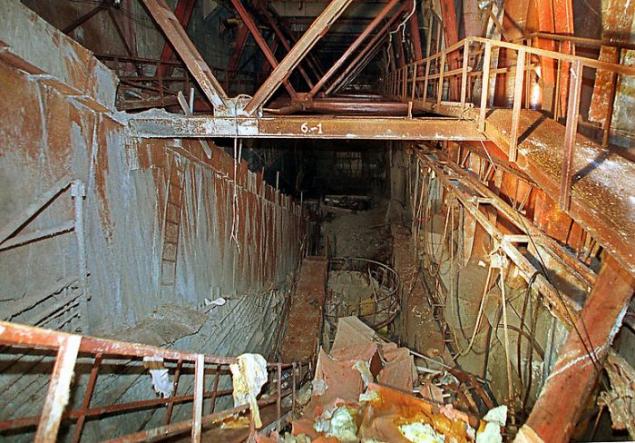
Collapsed beams and destroyed concrete supports inside the sarcophagus above the fourth reactor of the Chernobyl nuclear power plant on November 10, 2000. The Geiger counter records the level of radiation inside the sarcophagus at 80,000 micro-roentgen per hour, which is 16,000 higher than the natural level.
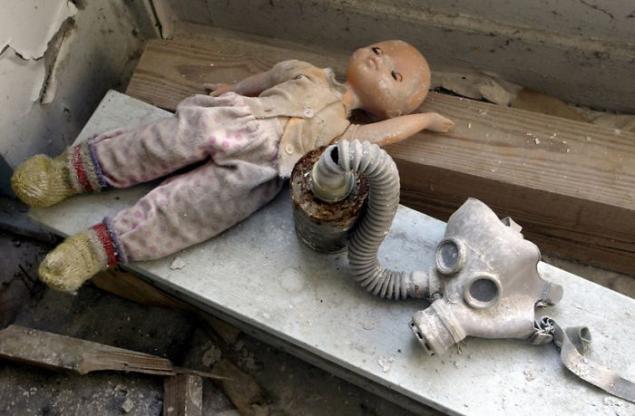
A doll and a gas mask covered in radioactive dust in an abandoned kindergarten in the ghost town of Pripyat, on March 10, 2006, Ukraine. The city of Pripyat, next to the Chernobyl nuclear power plant, was built for the plant's workers. All its residents were evacuated within hours of the accident on April 26, 1986. Within two months after the accident, 29 people from among the workers who took part in its liquidation died.
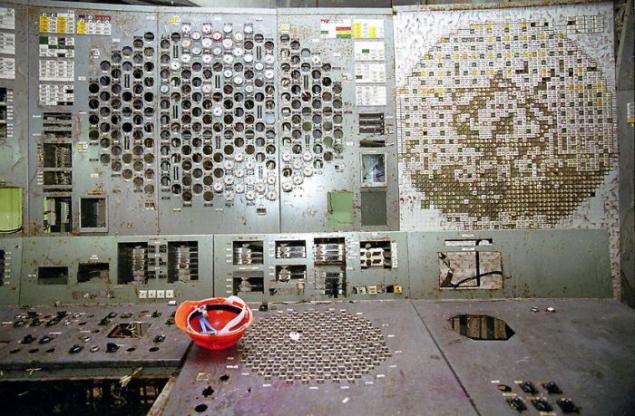
Photo from April 14, 1998. Control panels in the destroyed fourth block. 20 years have passed since the catastrophe that affected millions of people and took astronomical sums to eliminate.

Measurement of radiation levels in the Belarusian village of Vorotets on the territory of the 30-kilometer exclusion zone around the Chernobyl nuclear power plant. A quarter of the Belarusian territory was contaminated, and tens of thousands of people were evacuated in 1986 after the accident.
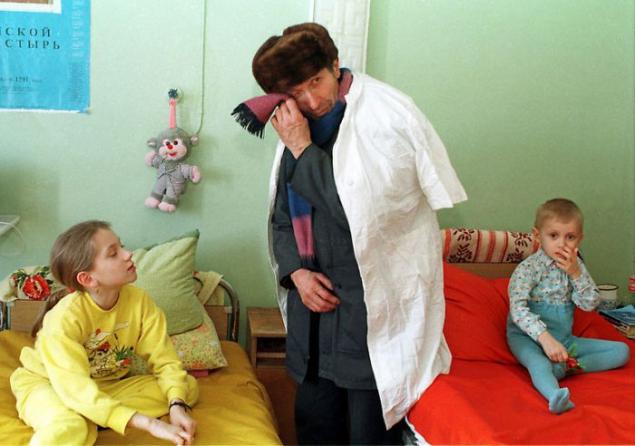
Ivan Kalenda wipes away tears as he visits his three-year-old son, Vitya, right, at the Children's Cancer Hospital in Gomel, 300 kilometers southwest of Minsk, Belarus, on March 19, 1996.
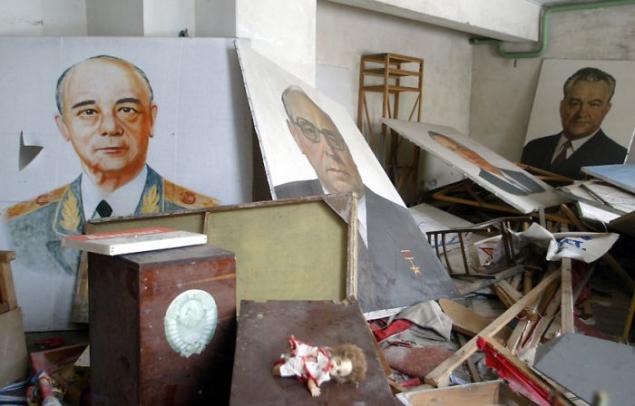
Dust-covered portraits of Soviet statesmen at a club in the ghost town of Pripyat, on April 10, 2006. The portraits were prepared for the May Day demonstration.
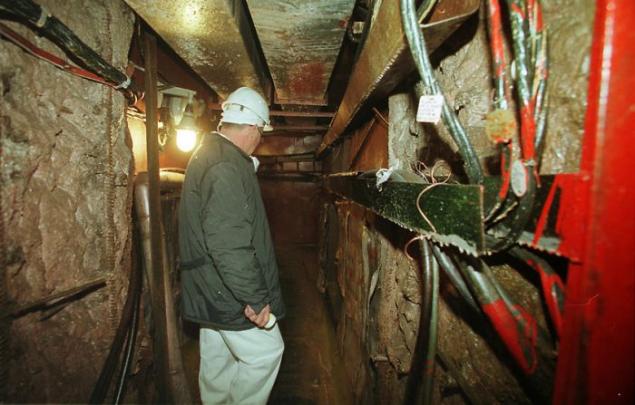
Dark passages in the sarcophagus over the fourth power unit of the Chernobyl nuclear power plant.
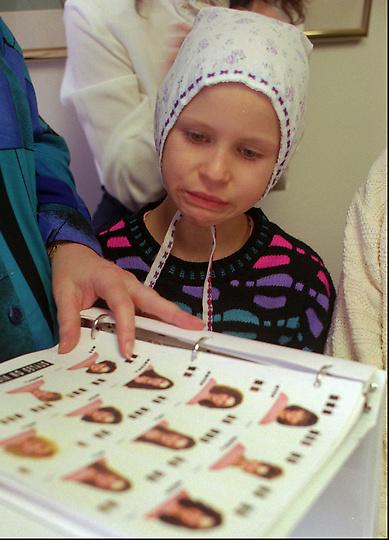
Seattle, Tuesday, August 27, 1996. Eight-year-old Olga Osterozha from Druzhnoye, Belarus, chooses hairstyles from a hairdresser's album before a hair transplant that is part of a program to help children affected by the Chernobyl nuclear accident. Olga lost her hair at the age of four. Olga and her sister Tanya, who is eleven years old, live in a foster family near Seattle.
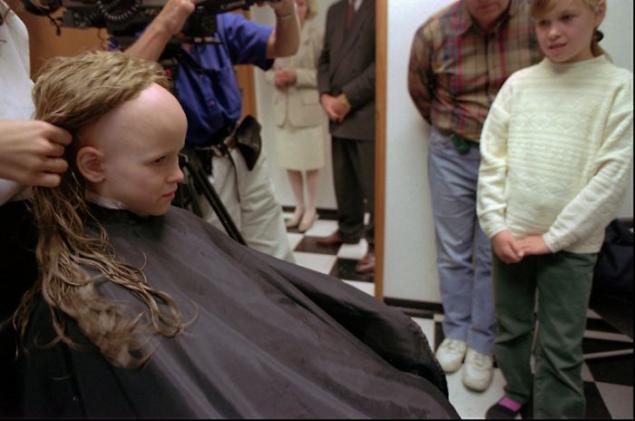
Eight-year-old Olga Osterozha from Druzhnoye, Belarus, watches as her sister Tanya's hair is implanted.

April 17, 2006. A patient at the Institute of Endocrinology, intensive care unit. The patient underwent surgery due to thyroid cancer. Thyroid cancer in Ukraine is officially recognized as a consequence of the accident at the Chernobyl nuclear power plant.
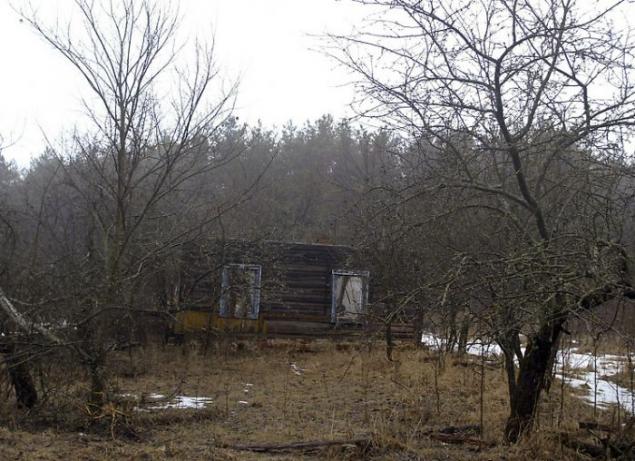
March 30, 2006. An abandoned house in the ghost village of Redkovka, 35 kilometers from the Chernobyl nuclear power plant. Despite the fact that most of the residents were evacuated after the accident at the Chernobyl nuclear power plant, some chose to return to their old homes, explaining that they could not adapt to life in a new place.
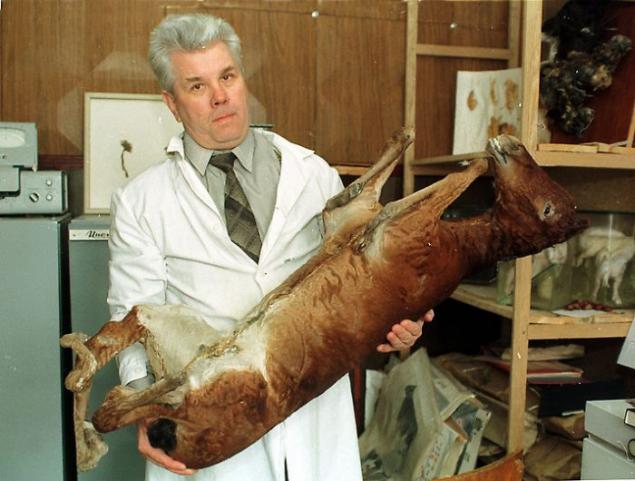
March 11, 1996. Vyacheslav Konovalov, a professor of biological sciences, shows a stuffed mutant mule in his laboratory in Zhytomyr, 120 kilometers west of Kyiv. It collects an exposition of stuffed animals and mutant plants. The professor is a man with oddities and has been wearing a leaden protective apron under his clothes since the accident.

Seven-year-old Maria Burlak, a cancer patient, at a children's cancer hospital in Kiev, on April 18, 2006.
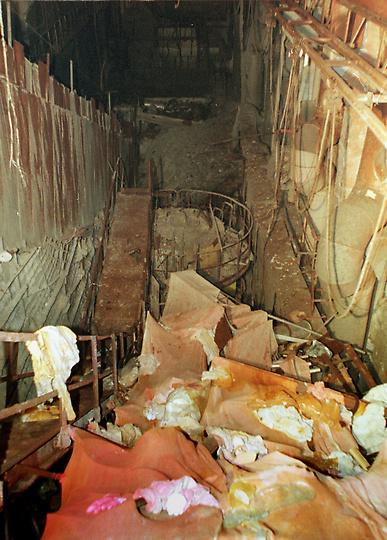
The fourth reactor of the Chernobyl nuclear power plant. The hardened foam, lead, and boron powder that the helicopters dropped in an attempt to prevent a nuclear reaction. In a hastily built sarcophagus, the radiation level reaches thousands of roentgens, and the lethal level is already 150 roentgens.
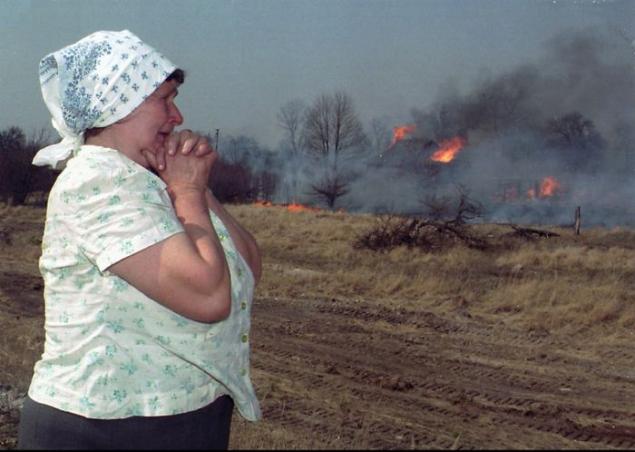
Tuesday, 23 April 1996. A woman looks at a fire in the small village of Krasny Gorodok, ten kilometers from the Chernobyl nuclear power plant. The fire in five villages lasted seven hours, and huge amounts of toxic substances were released into the atmosphere.
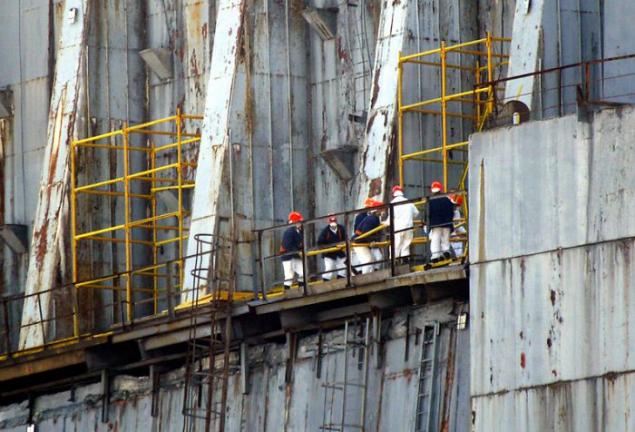
April 10, 2006. Designers in protective masks and suits are working to strengthen the collapsing sarcophagus over the fourth reactor of the Chernobyl nuclear power plant. Due to the high levels of radiation, workers work in shifts, and the shift can last from four to fifteen minutes.
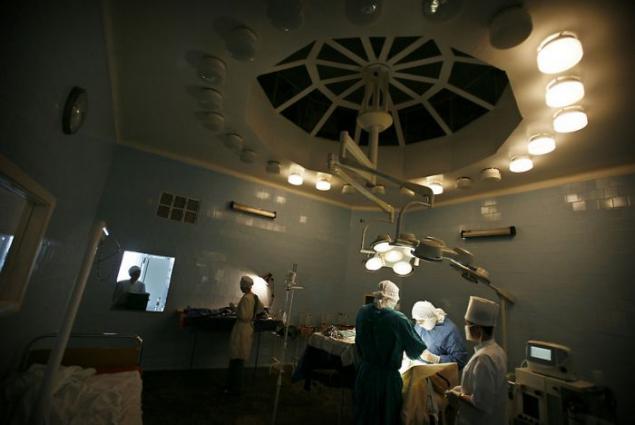
Surgery for thyroid cancer in a Kiev hospital, April 6, 2006. The incidence rate has increased rapidly since the accident at the Chernobyl nuclear power plant.
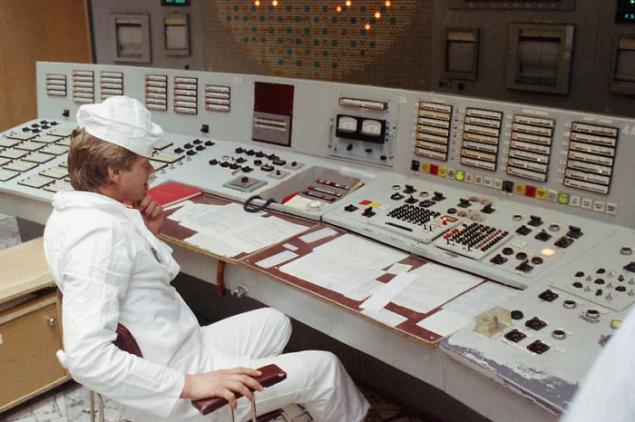
Pripyat, Ukraine, July 1988. Monitoring of the readings of the devices that control the operation of the reactor. In 1988, the reactor exploded and at least 31 people were killed.

Children's toys and gas masks covered in radioactive dust are seen in a kindergarten in the ghost town of Pripyat, on March 10, 2006.
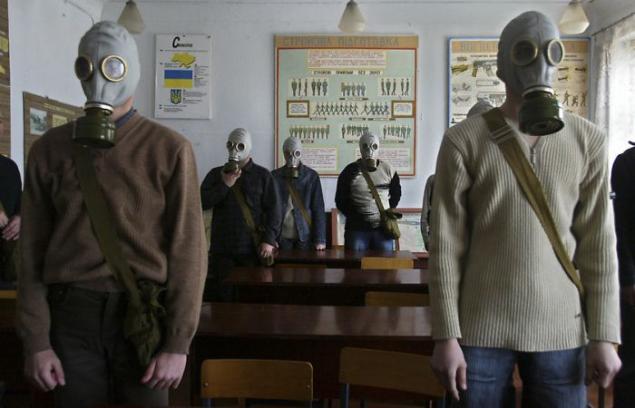
Schoolchildren wear gas masks during a pre-conscription lesson in Rudo near the exclusion zone around the Chernobyl nuclear power plant, Monday, April 3, 2006.
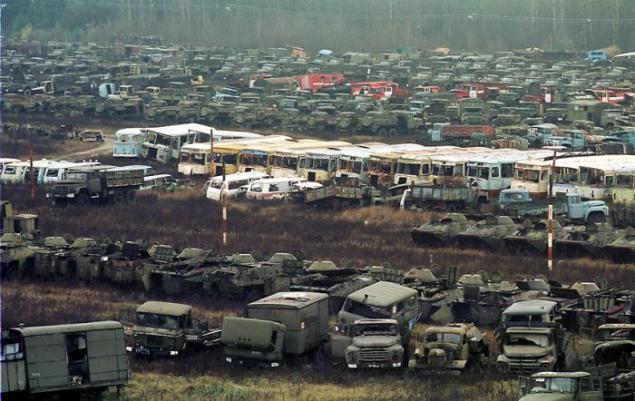
November 10, 2000. Contaminated equipment near Chernobyl.
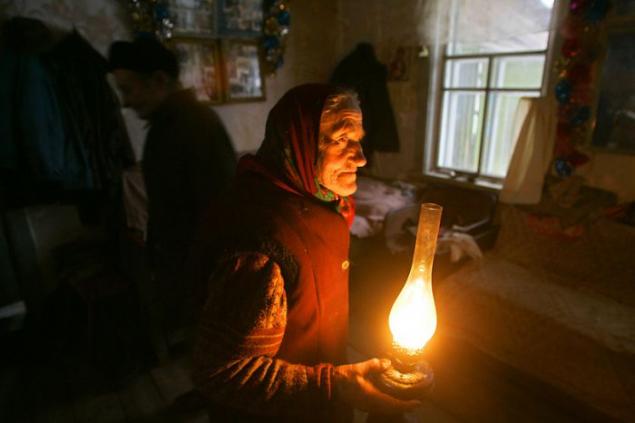
Saturday, 18 February 2006. Ivan and Elena Muzychenko use a kerosene lamp to light the house - there is no electricity in the village of Bartolomeevka, located 330 km southeast of Minsk. Twenty years after the accident at the Chernobyl nuclear power plant, residents returned to many abandoned villages in Belarus - the government issued a decree that black soils should not remain uncultivated, and the threat of radiation contamination was allegedly artificially inflated.
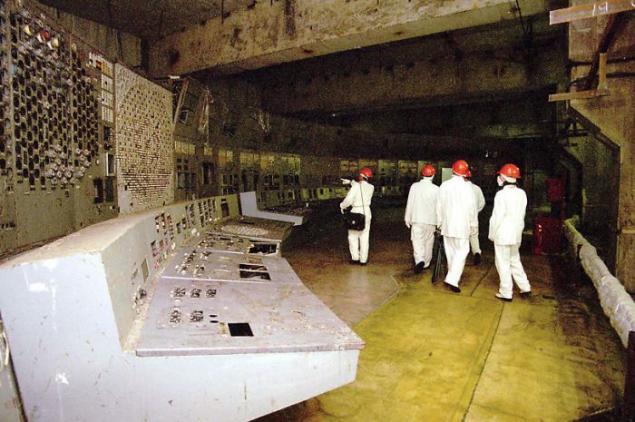
April 14, 1998. Workers at the Chernobyl nuclear power plant walk past the control panel of the destroyed fourth unit.
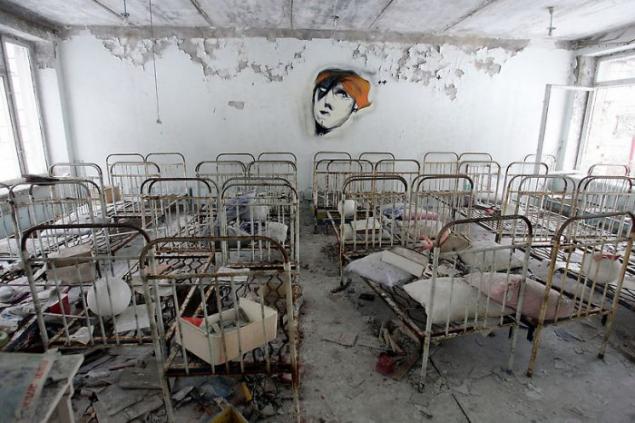
A bedroom in a kindergarten in the ghost town of Pripyat, on February 27, 2006.

A children's attraction in the ghost town of Pripyat, photographed on May 26, 2003. In total, there were 45 thousand residents in the city, who were evacuated in the first three days after the accident at the Chernobyl nuclear power plant.
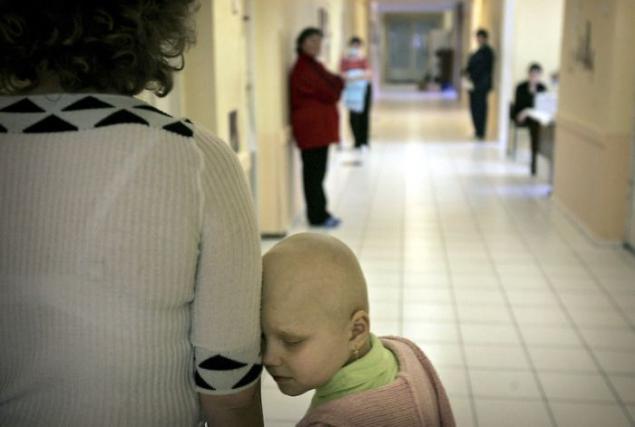
Tuesday, 18 April 2006. Vika Chervinskaya, an eight-year-old Ukrainian cancer patient, with her mother in a children's cancer hospital in Kyiv.
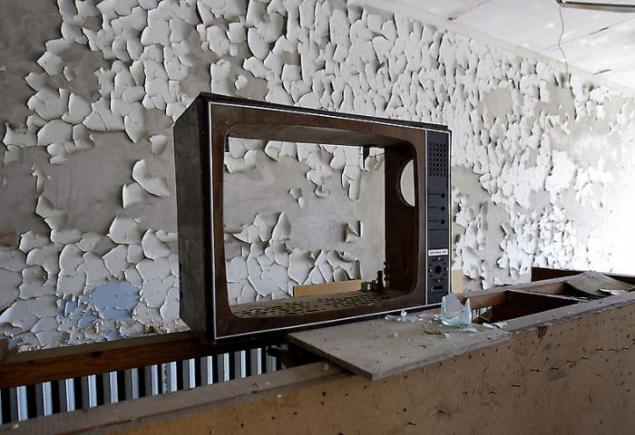
May 26, 2003. The skeleton of a TV in a hotel room in the ghost town of Pripyat.
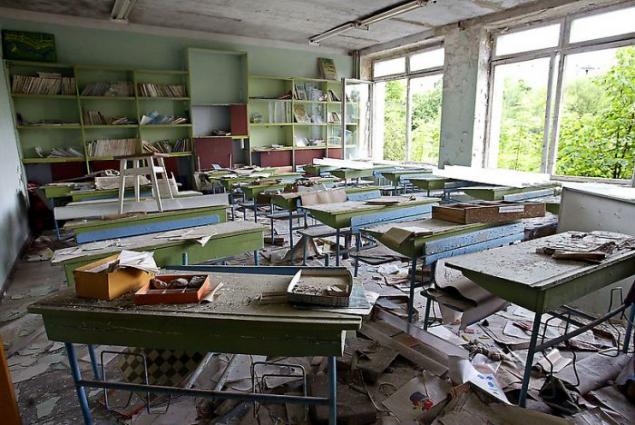
A class at a school in the ghost town of Pripyat, on May 26, 2003.

Alexei Salamon, 16, is one of the players on the U.S. hockey team that won a silver medal at the World Championship in 2004. The young man, born with deformed lower limbs, became an orphan in childhood, and soon his legs below the knee were amputated. Alexei's injury is a consequence of the accident at the Chernobyl nuclear power plant.
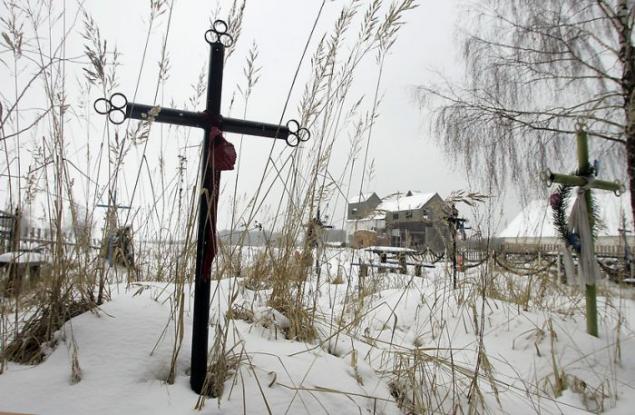
February 18, 2006. A cemetery in the Belarusian village of Belyaevka, 330 kilometers southeast of Minsk. This is one of the many villages whose residents were evacuated after the accident at the Chernobyl nuclear power plant.
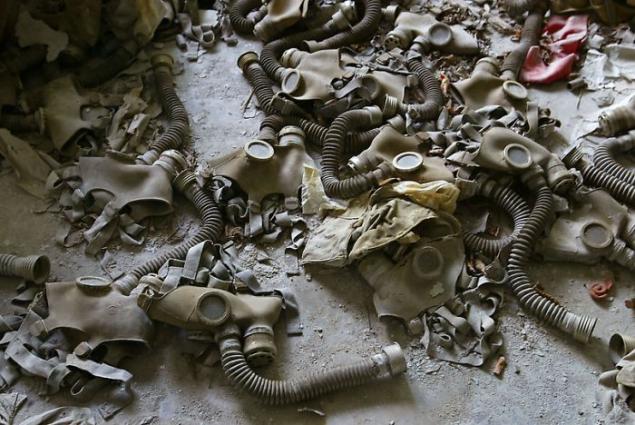
May 26, 2003. Gas masks on the floor of a classroom in a school in the ghost town of Pripyat, near the Chernobyl nuclear power plant.
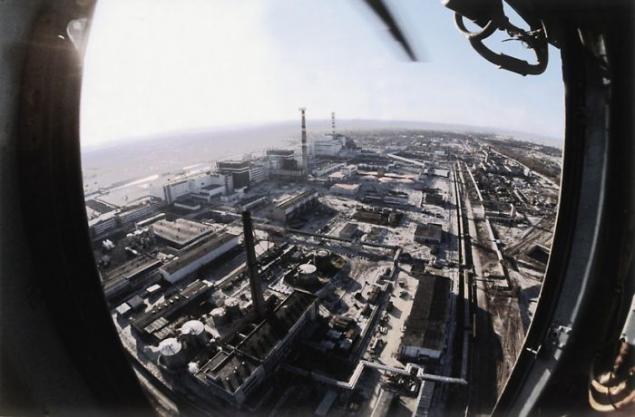
December 31, 1986. Aerial view of the Chernobyl nuclear power plant.
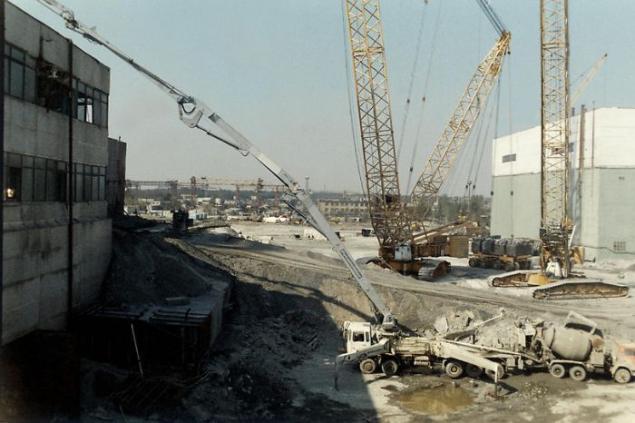
December 31, 1986. Repair work at the Chernobyl nuclear power plant.
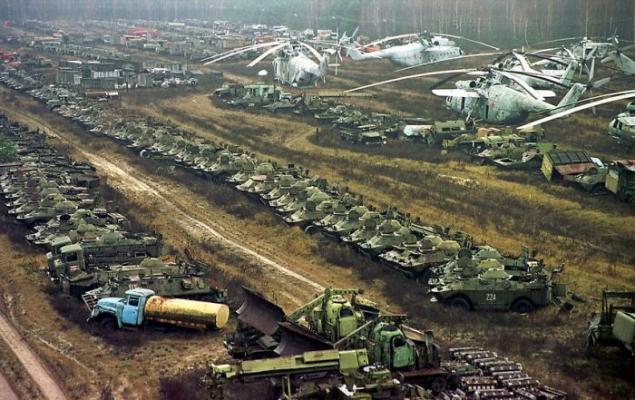
A cemetery of contaminated vehicles near the Chernobyl nuclear power plant. November 10, 2000.
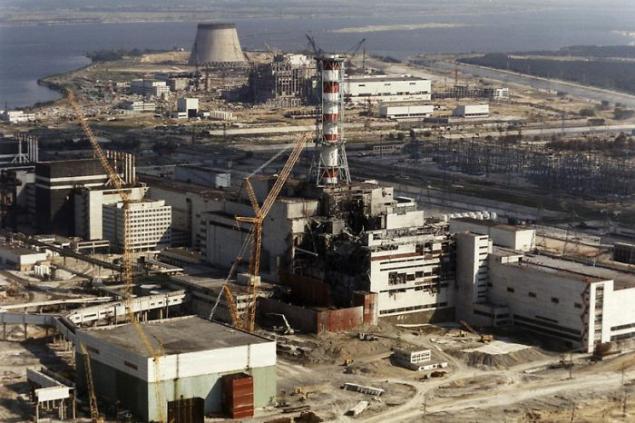
October 1, 1996, repair work at the Chernobyl nuclear power plant.