1975
The plant "Engine", Tallinn, Estonia
Today drove past, I wanted to tell the story of one of the biggest factories of the former city of Tallinn. It's about the plant "Motor».
On it I worked for my grandparents and my father.
Gallery is 50 and a bit of text information.
Information taken from these sources:
Source
Dmitri Strakhov
The birth of one of the large enterprises of Tallinn, what throughout the XX century was the plant "Engine", was August 25, 1897, when Emperor Nicholas II in Tsarskoye Selo signed a royal decree on the establishment of a capitalist joint-stock company «Motor».
In the summer of next year in the July 18, 1898 St. Petersburg hosted the first meeting of shareholders of "engine" which Revel was elected as the place where the plant will be built, and the chairman of the Ryazan-Ural Railway and St. Petersburg Industrial and Commercial Bank Ivan Efgrafovich Adadurov became president of the company "Engine". At the same time we identify and first leaders of the future plant. The main director of "Drive" was a former director of the Riga similar enterprises "Phoenix" Augusts Augustovich Kruger and directors were appointed by General Ivan Antonovich Derfelden citizen Revel John Karlovich Effelbeyn.
The following month, on a hill Revel Lasnamyagi appeared surveyors who began preparations for the construction of the plant. Place for him was very well chosen. On one side is Lake Ülemiste with the Tartu post road and on the other - a railway line connects the town with St. Petersburg and limestone deposits.
August 17, 1898 in a solemn ceremony was laid the cornerstone of the factory "Engine." From Riga with Krueger arrived skilled workers and technical staff, under whose leadership on the plot size of 131 hectares construction work began. Rumors about the construction of "big factory" swept all the counties and Estonia sunk even to the islands, attracting peasants to work. According to eyewitnesses, on the construction of "Drive" employs more than 8,000 people.
By the end of April 1899 at the plant appeared boiler (15 boilers), the engine room, casting, turning, metalwork and carpentry workshops, a smithy, a private train station, sawmill and other objects. On the territory of the plant was laid own railway line total length of 20 kilometers, which connects to the highway Revel - Petersburg. By May 1, 1899 technical personnel was 70, and in the trade office was occupied by 55 employees.
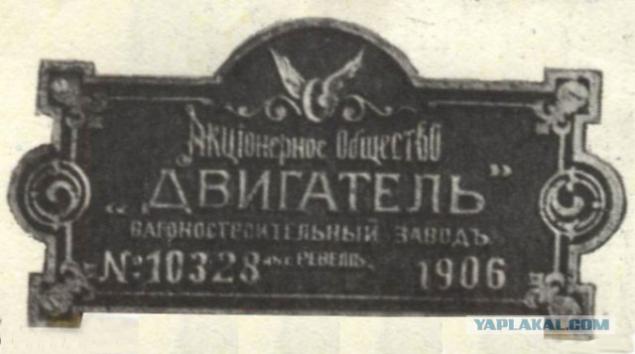
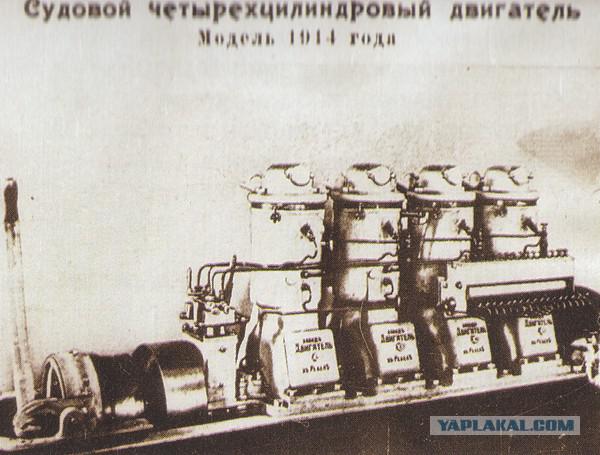
By 1911, it added a new range of products, which rescued the "engine" before the First World War. In parallel with the repair of locomotives, as well as the manufacture and repair of cars, the factory began to produce internal combustion engines such as "Eagle" and "Atlant».
With the independence of Estonia, which was decorated in 1920 Tartu peace, for "Drive", as for most of the major companies in the country, came hard times. Economic relations with Russia, a major supplier orders, virtually broke, which caused a reduction of almost 90% of workers. As a result, as of 1921 there remained 427 people.
Production of the plant before the First World War.
The company has tried to find a customer in Estonia, in particular to produce carriages for Tallinn tram, but not renting rooms or small local orders are not saved from all growing debts. As a result, in 1926, after the next meeting of shareholders bonds Factory "Motor" in the amount of 70 million marks were given to Estonian banks for debts, and cover the rest of the debt was laid not only the property of the plant, but the entire issued and even unfinished products.
Attempts to find the owners of the factory orders in Lithuania and even in France, have not been successful. May 29, 1931 "Engine" was put up for auction and purchased by the director of similar enterprises from Riga F.Kyatte, and a week later the Minister of Economics of Estonia M.Pung granted permission to create a new public joint-stock company «Eesti Dvigatel» («Estonian Engine") in composed of, among others, shareholders and son entered the President Konstantin Pats Victor.
Under the Charter, the purpose of "Eesti Engine" was "the production of any land, water and air vehicles, in the manufacture of various machines and engines." However, the only not involved in the "Estonian engine." There were manufactured shovels, basins, soap, shoe cream, buttons, handbags and other products of consumer goods, and industrial premises rented to small businesses.
The Second World War ended for the "engine" in 1944, when Estonia left the German troops. Retreating, they destroyed and burned most of the buildings at the plant, damaging communications, engineering networks, water supply, sewage, heating and electricity businesses. In 1947 it took place a rebirth of the plant "Engine", which is in the middle of the XX century became one of the largest enterprises in Soviet Estonia.
The building of the plant in the Soviet era
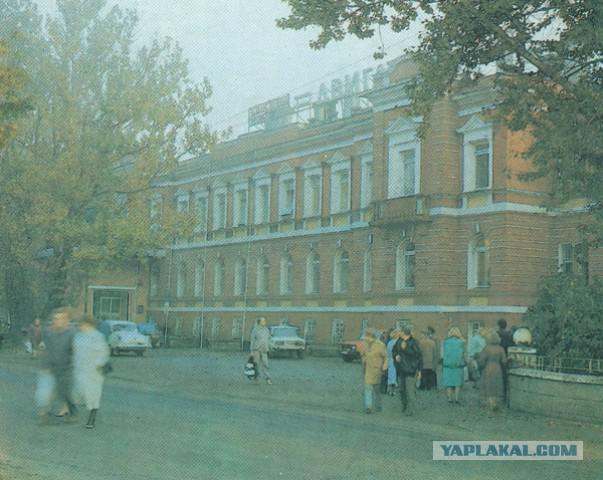
Today the street Suur Sõjamäe just outside Tallinn Airport is developing an advanced innovation center Ülemiste City. Advanced apparently because the price per sq m of business space soars to the heavens, and innovative because it sounds beautiful. The territory of the former factory "Engine" quickly changing the face. Today, however, even here in the busiest day is much quieter than the day of the famous "engine." So, a small excursion into the past.
"Engine" was created in the late 19th century as a car-building factory.
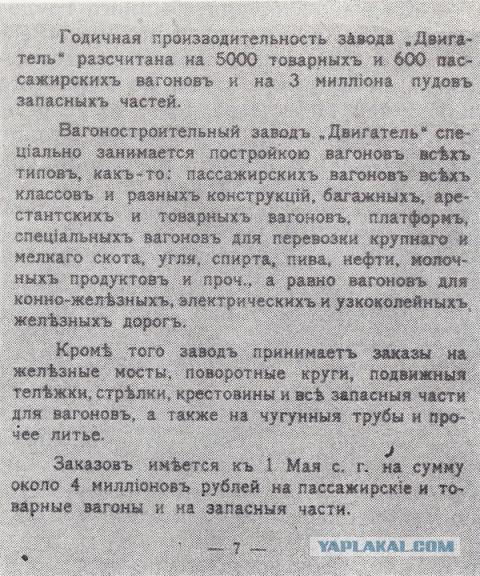
After the war, the company was included in the system of military-industrial complex, so in the following years of work, all information about it was strictly classified.
The building of the factory clinic. Today, the health care here only reminds the dentist's office.
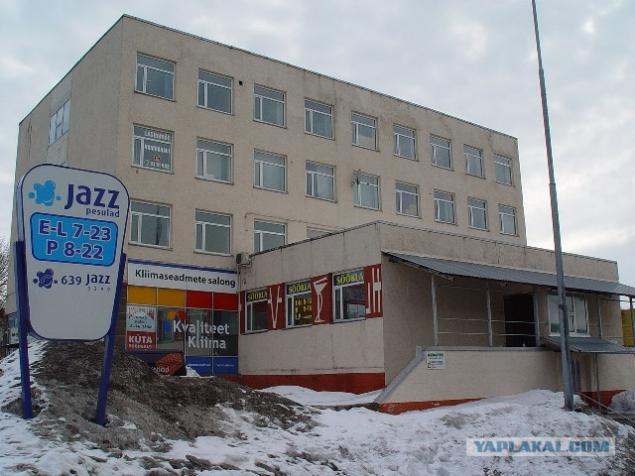
Fire Department. Instead of the large windows in the center of the gate once stood.
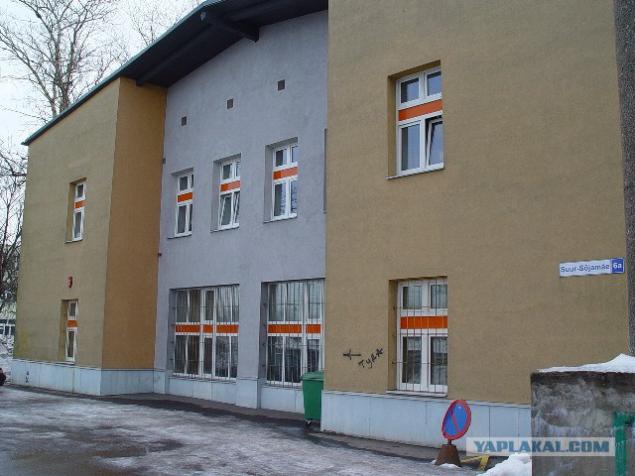
The plant employs more than 5,000 people. Work went on around the clock, 12-hour shifts. The whole area was surrounded by a high fence with barbed wire and guarded well. Entrance - exit through the checkpoint, inspection of personal belongings and other delights of the regime of property.
The building data center - now a private institute.
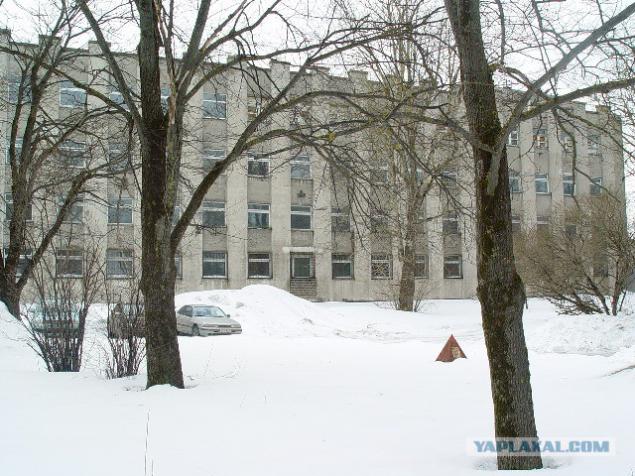
Building HR
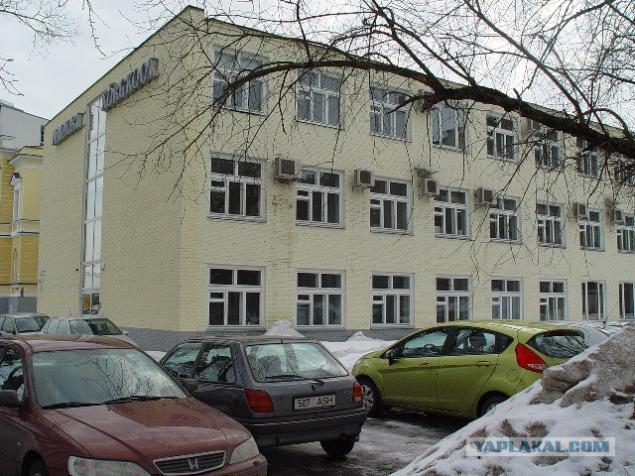
The main office of the plant - the same private school. During the renovation of the building in the 2002nd was found in the attic of the German form of the time of World War II.

Behind this door was placed military registration table, where workers "engine" could get from your army.
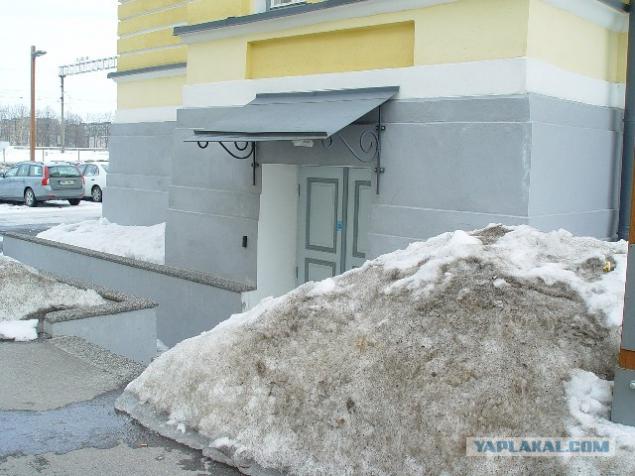
The former fourth shop. It also produces filters for nuclear power plants
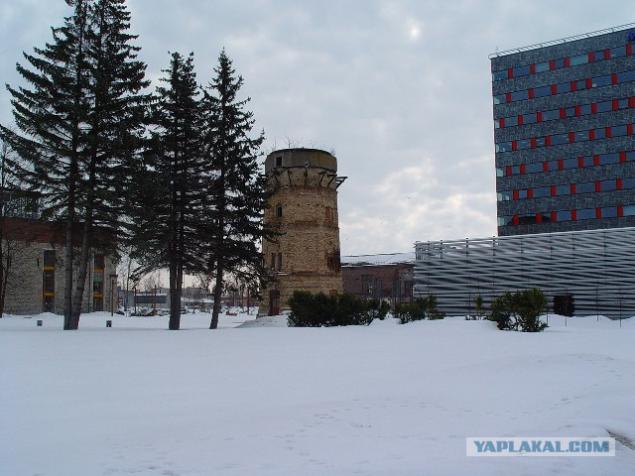
Old water tower. Next to it was once the dining room.
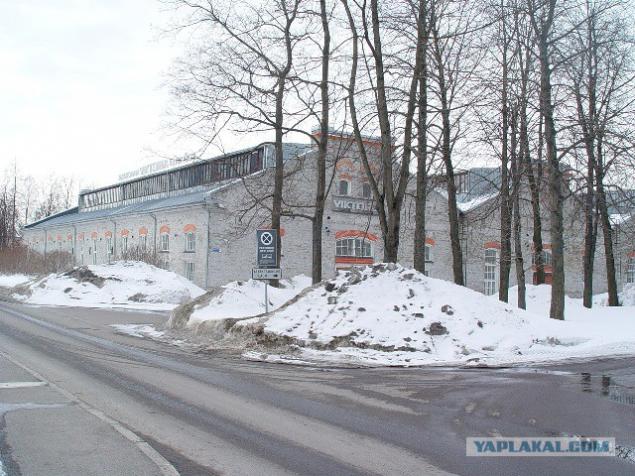
5th workshop - woodworking. It was manufactured boxes for finished products and other structures for transporting large items.
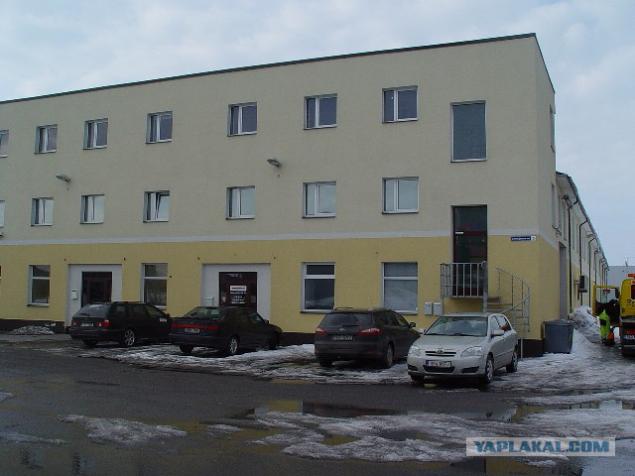
Repair shop
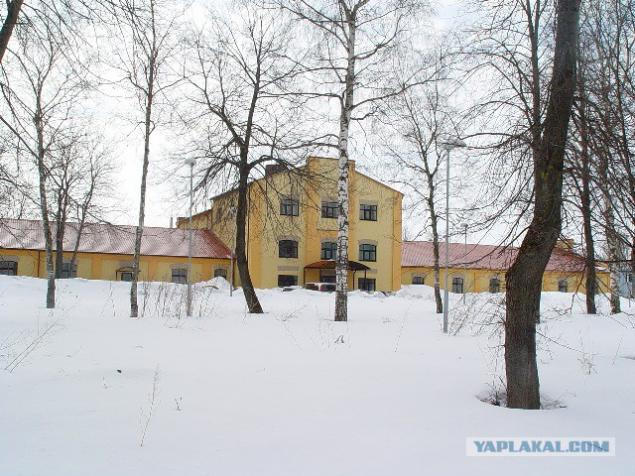
CPL - central laboratory
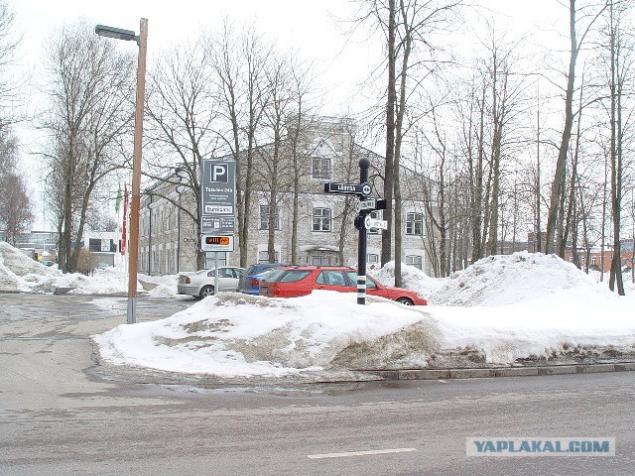
Tool shop
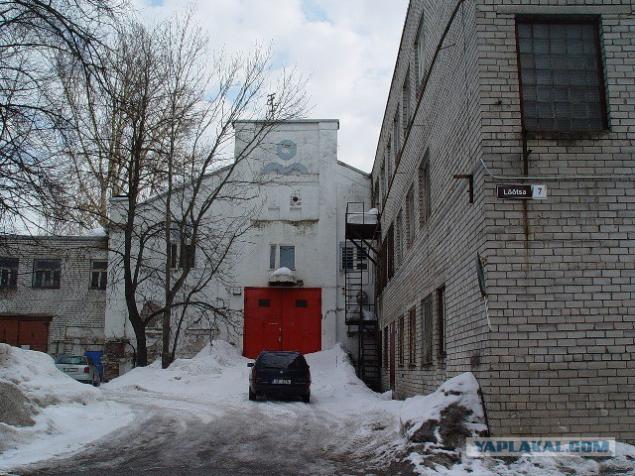
And in this concrete ring once graced Lenin.
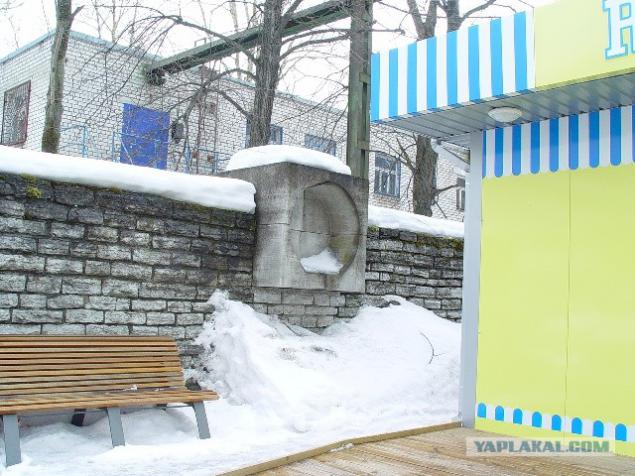
For booth - seventh shop tool.
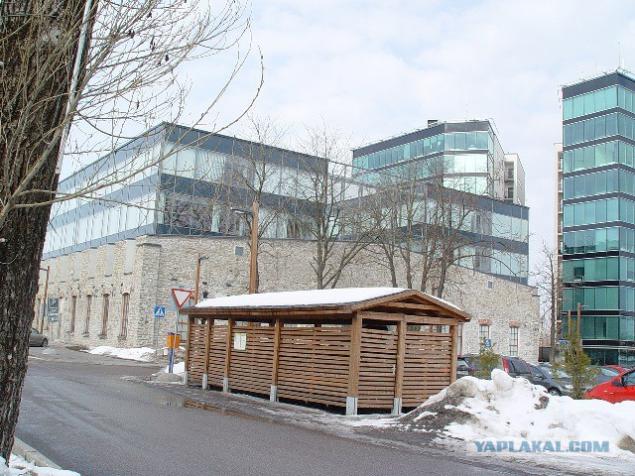
The building in the photo - it tseh.V third section of the spacecraft collected. On-site parking was a 10th shop (car repair) and the shop where finished products were tested in a vacuum.
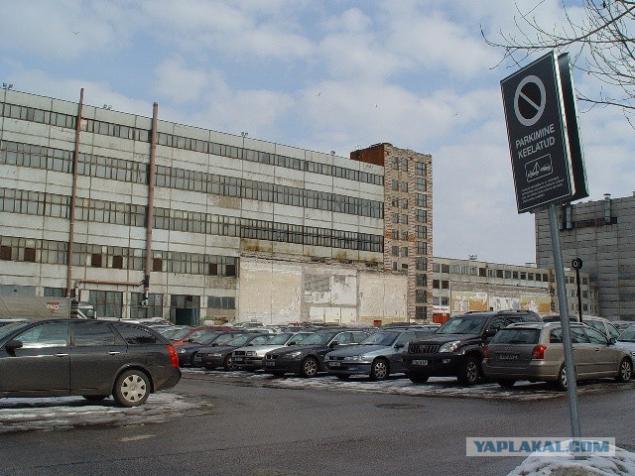
First shop. Assembly shop designs for nuclear reactors.
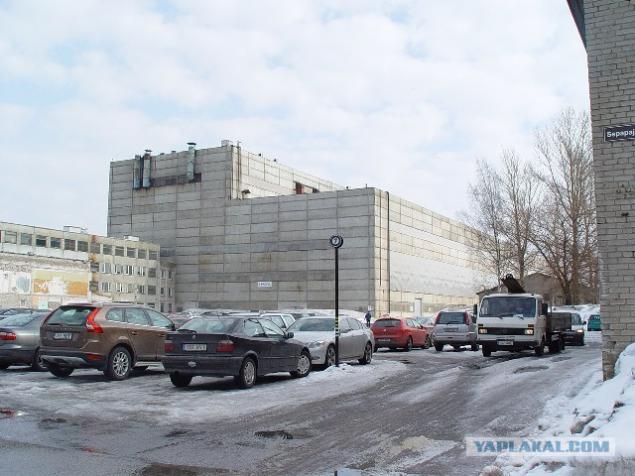
Second shop. Manufacturing of parts for nuclear reactors. And keep the inscription - Glory to the CPSU!
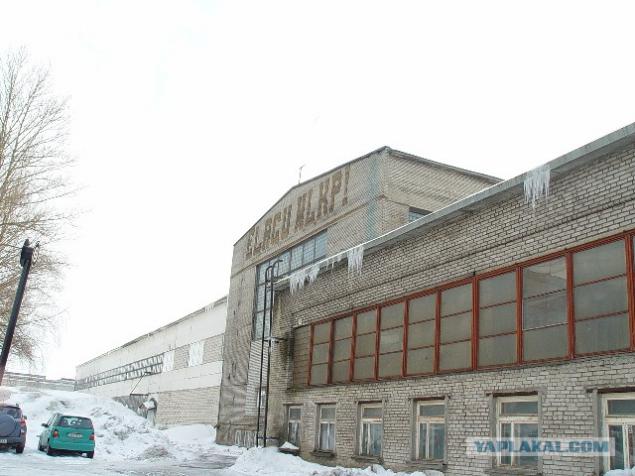
17th shop. Turning
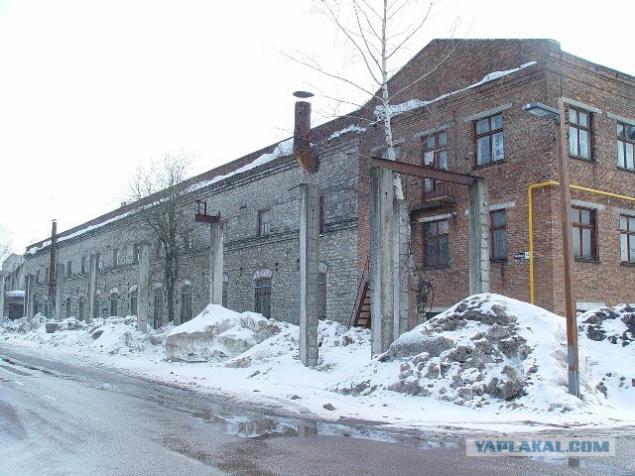
The shop, which produced mobile NPP "Pamir»
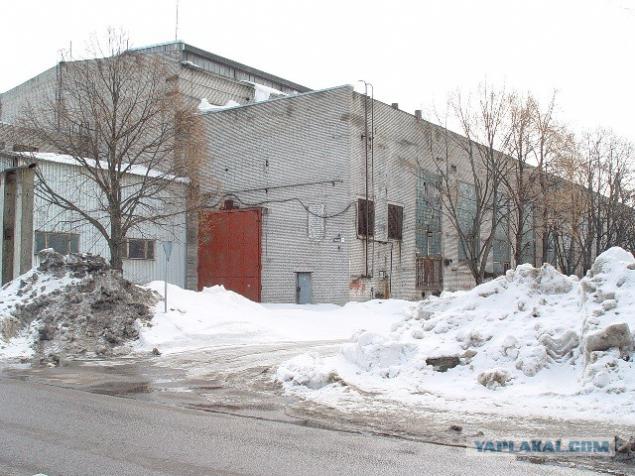
Building in the center - sawmill
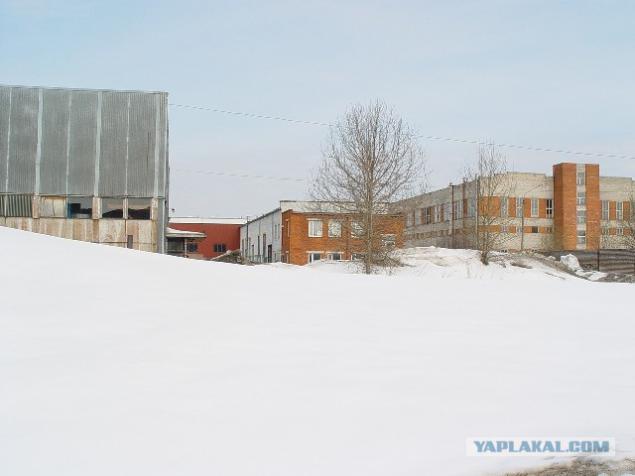
Electroplating
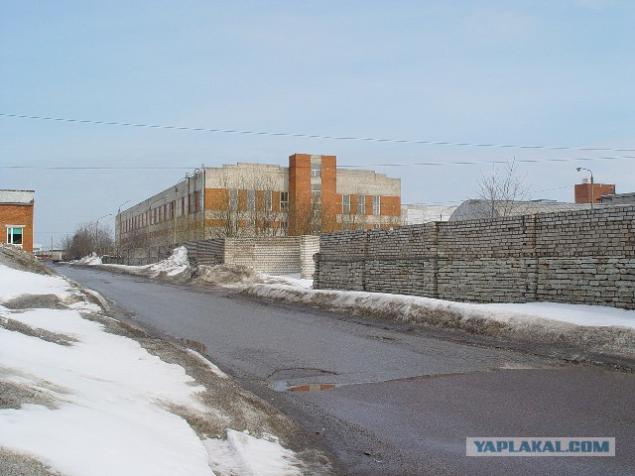
The workshop for the manufacture of engines of nuclear submarines
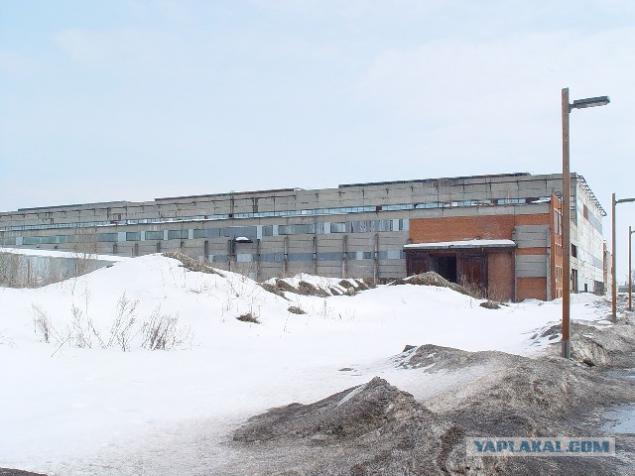
Foundry
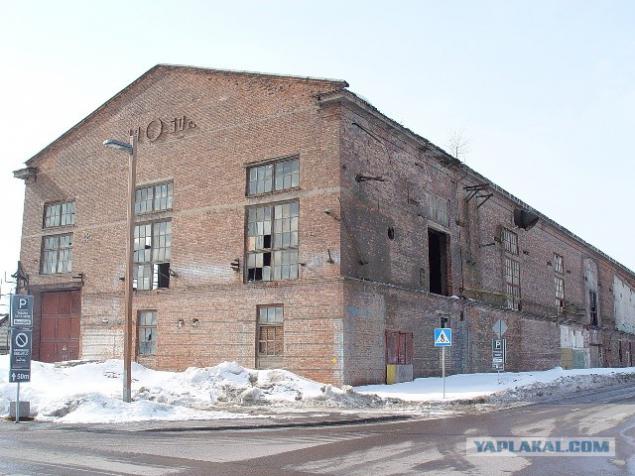
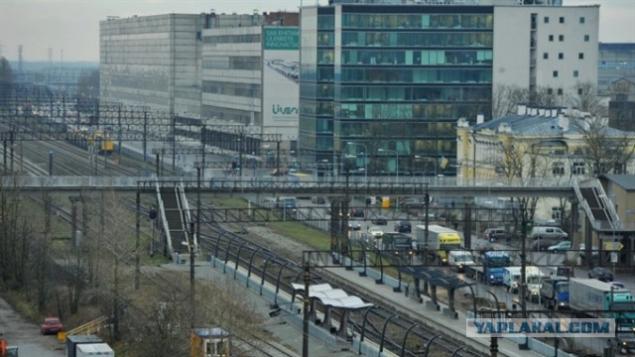
After 2 years, the plant will be destroyed, and instead will build another manifestation of European innovation - a kind of modern district.
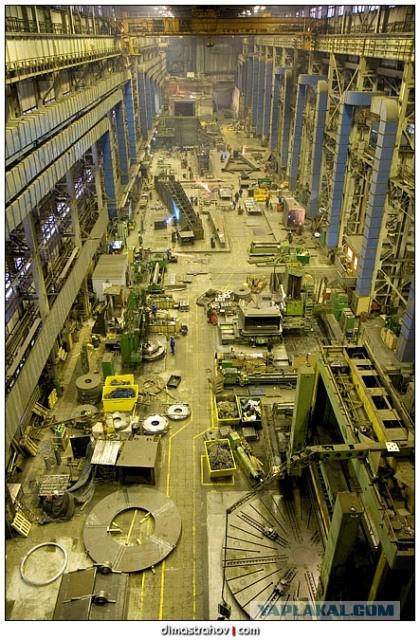
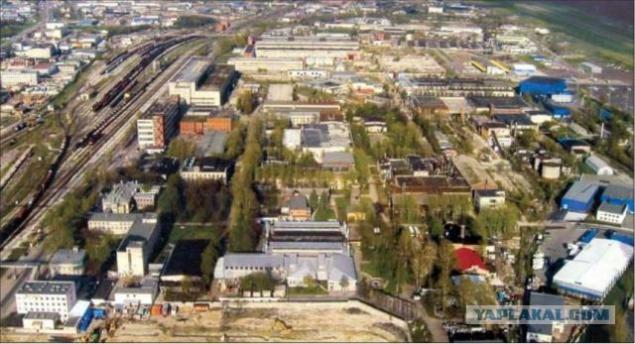
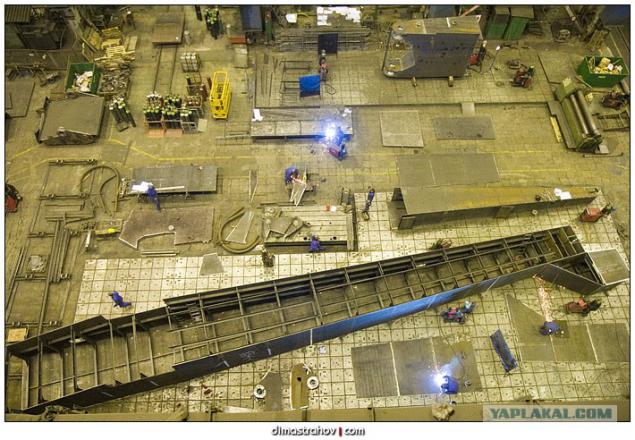
Aerial view of the plant.
Giant press
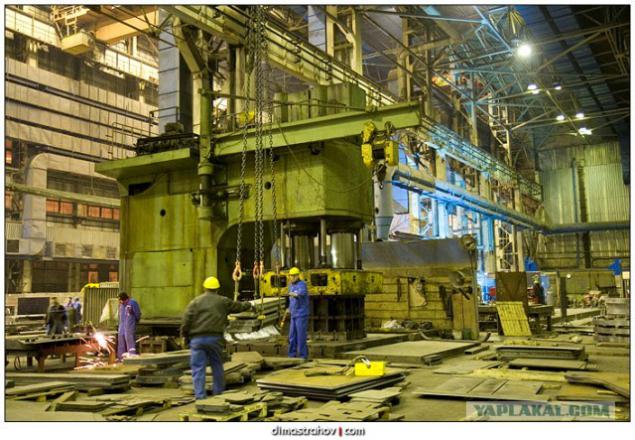
Users design the huge cock of the components of assemblies.
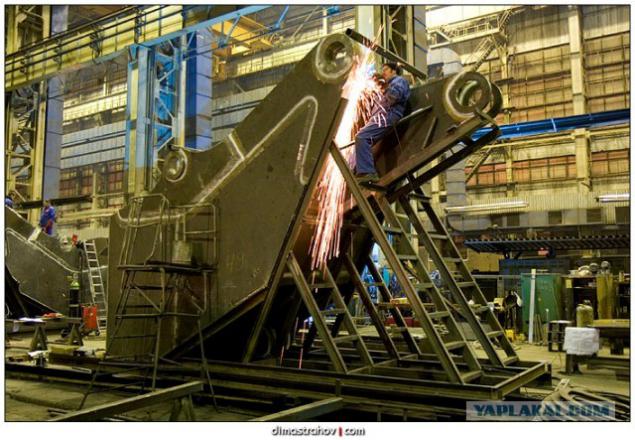
Closer
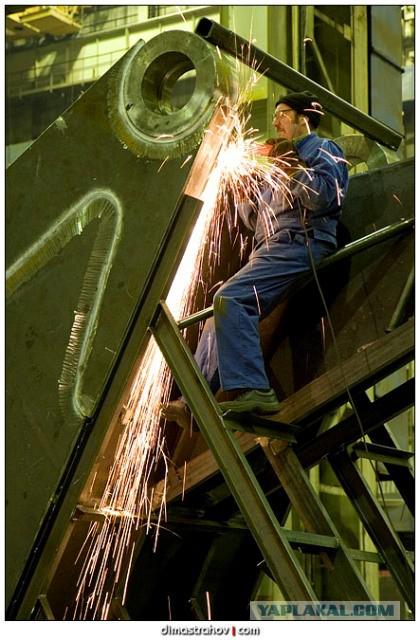
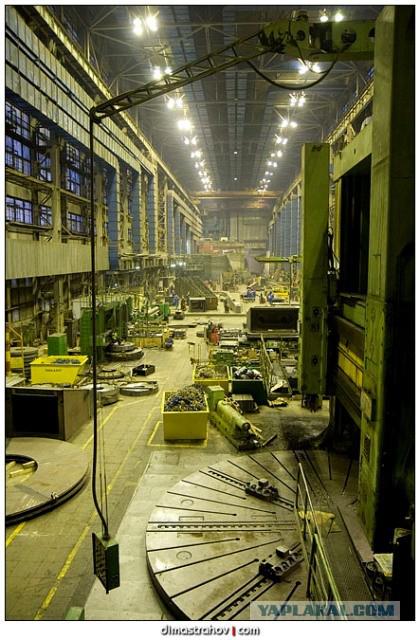
Inside, everything great
Inside a giant boom
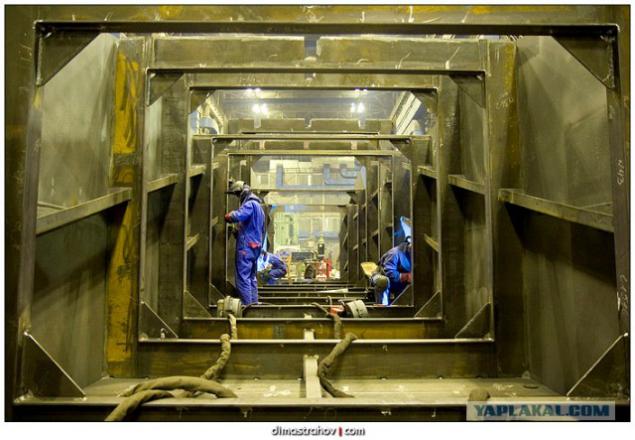
Employee
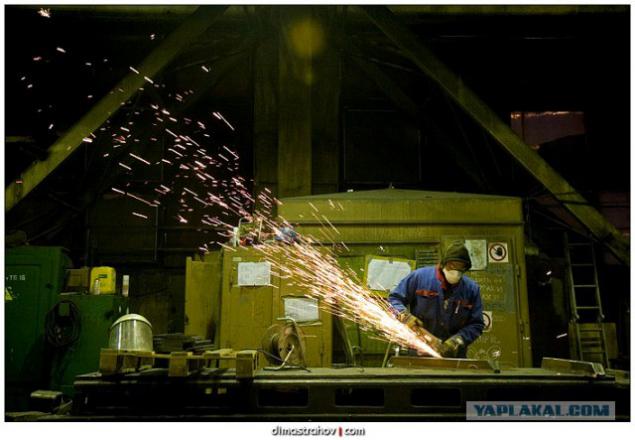
Welder
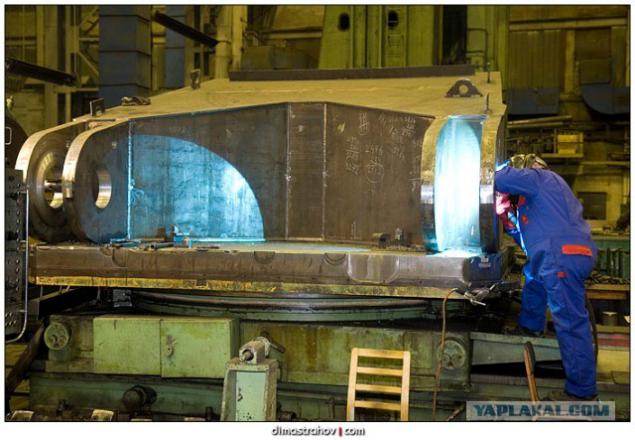
Turning stanochek.
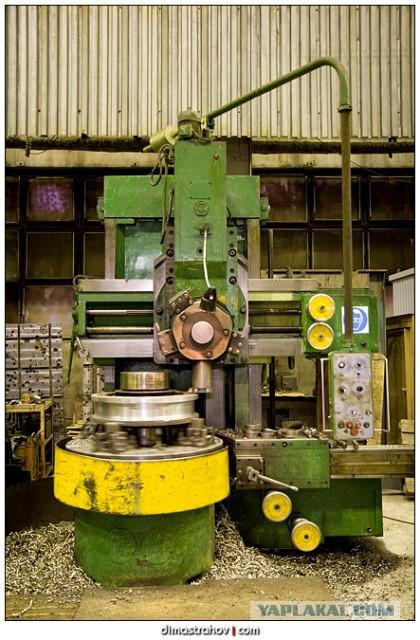
Another turning stanochek.
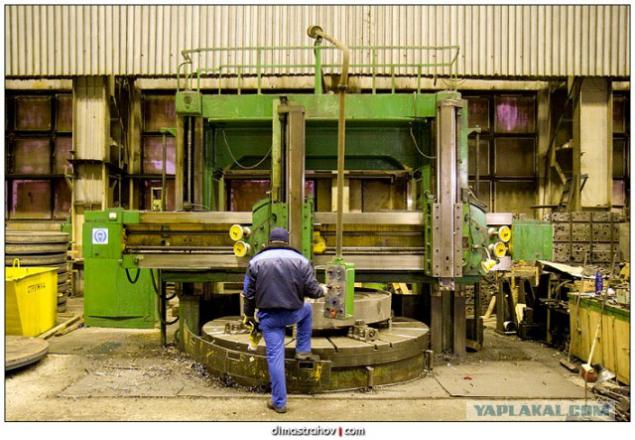
Side
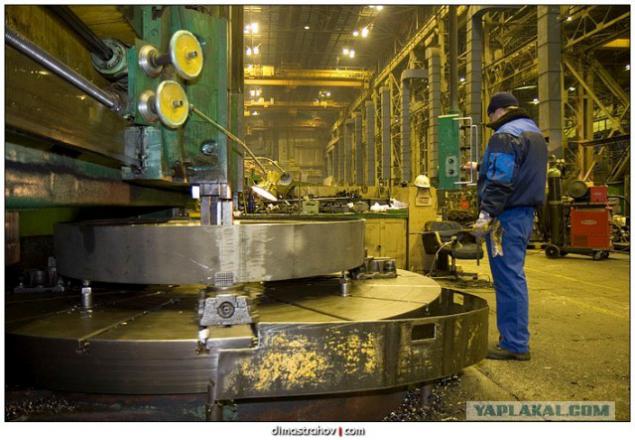
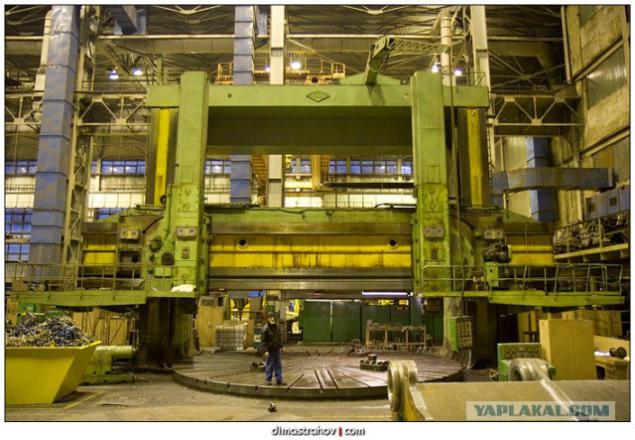
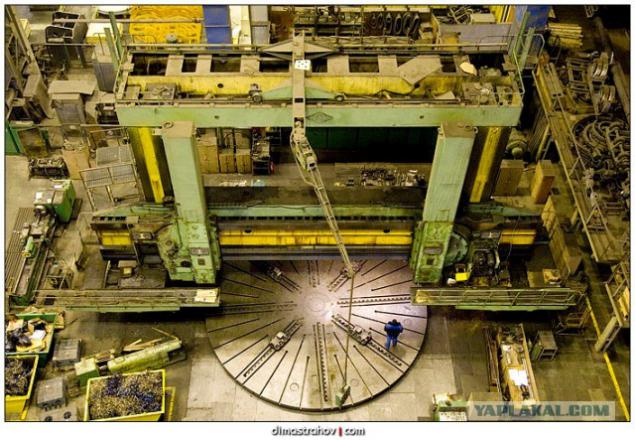
And this is the "smallest" stanochek!
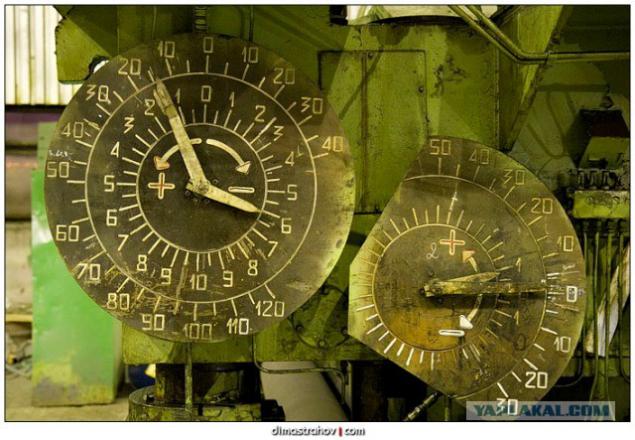
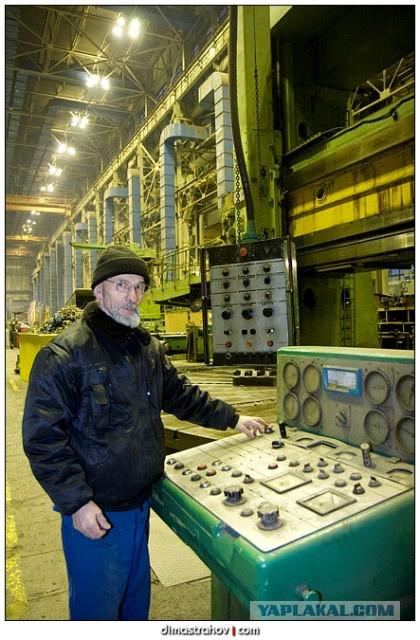
Remote management of the smallest stanochka.
"Smallest" stanochek / side view.
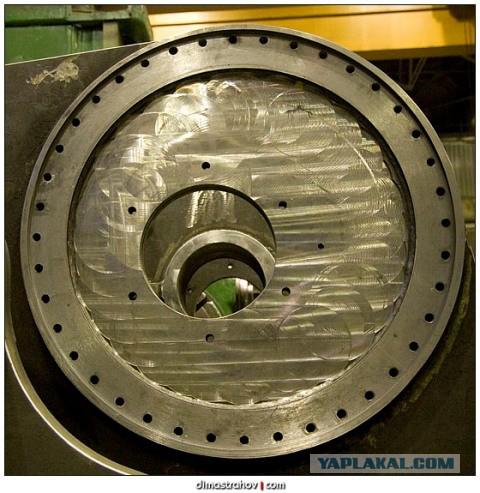
Flange. Big! Sorry nothing to compare.
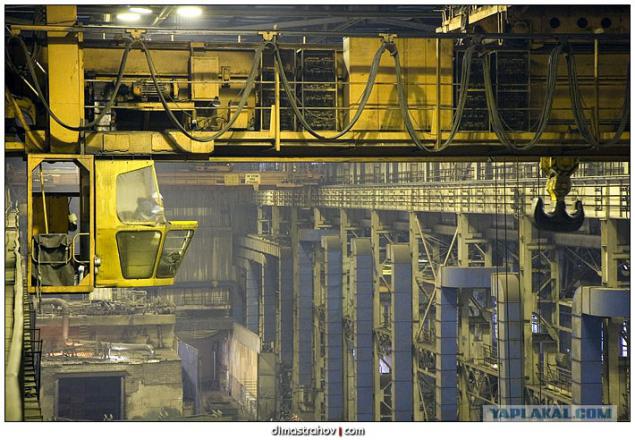
Working crane
"Smallest" stanochek top view.
Crane boom top view
Well, the last, that's how it all looks now
Source: ">