1783
The habitable underwater laboratory Aquarius
Because of this issue, you'll learn how to a depth of over 18 meters, researchers live and work underwater laboratory Aquarius, the world's only manned underwater laboratory, which is located off the coast of Florida.
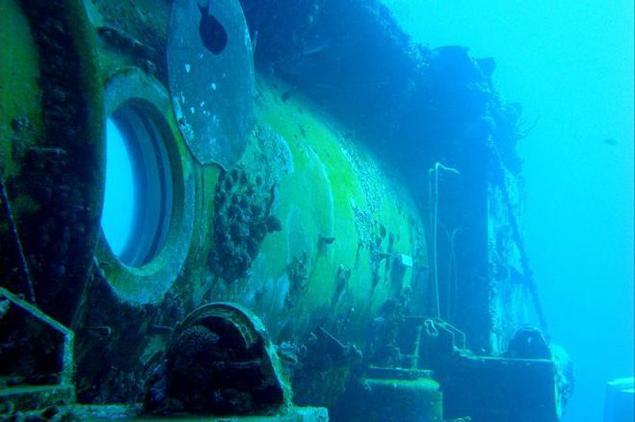
In this photo taken Nov. 15, 2010, divers approach the underwater laboratory Aquarius. The laboratory is a metal construction, firmly attached to the sea floor near a large coral reef, located a few kilometers from the island of Key Largo off the coast of Florida.
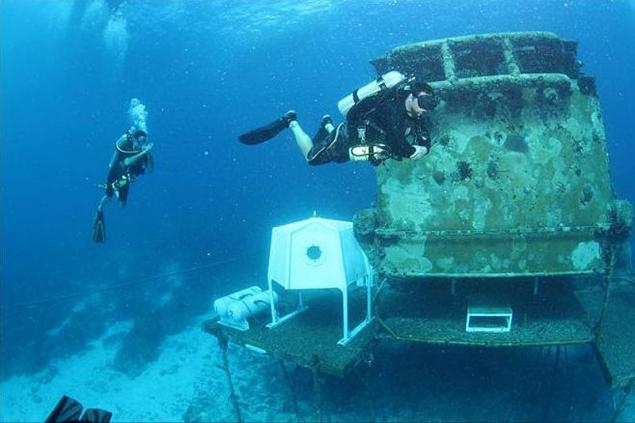
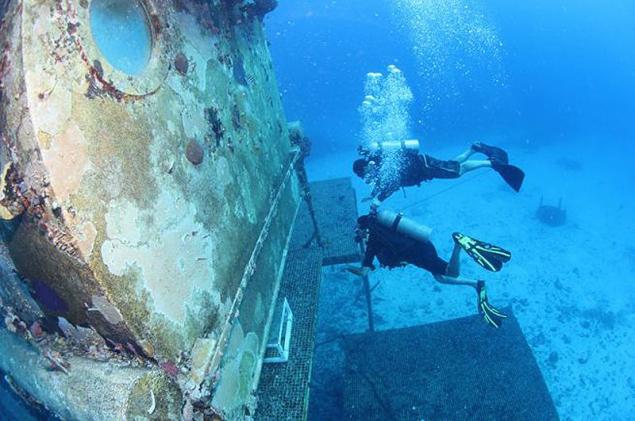
Preparations for entry into the laboratory "Aquarius" via a special gateway. The laboratory belongs to the federal agency within the Ministry of Trade of the USA - National Oceanic and Atmospheric Administration.
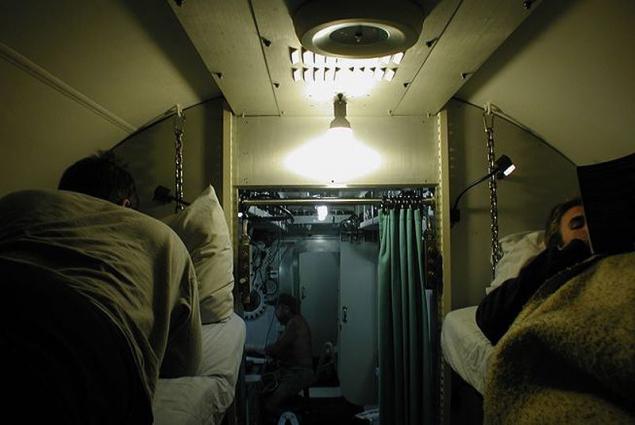
Scientists working in the laboratory, "watches" for 10 days, during which they live, eat, sleep in a room the size of a school bus. The "Aquarius" only six beds and one shower. From the outside world inhabitants laboratory connects wireless communication, in addition, there is a telephone and a computer.
Mark Hay, Sc.D. from the Georgia Institute of Technology, during his mission to "Aquarius". Its tasks are to develop methods to protect from extinction the majority of animal species inhabiting the reef. The emergence of the laboratory, "we are not just from time to time visit the reef, we can live right on it," says Mark.
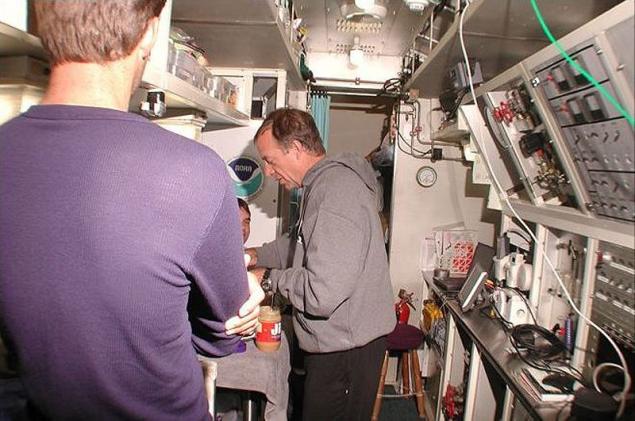
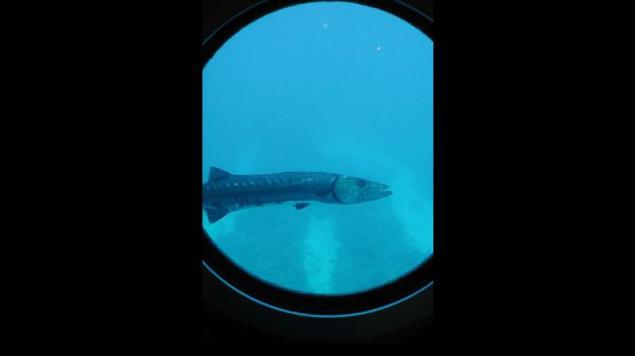
From the lab offers amazing underwater species. For example, the window may look yellow clown fish, while the nearby hunting toothy barracuda. "We like being in an aquarium on the contrary - the air bubbles with the windows" - says Saul Rosser, head of the laboratory.
Similar to the white building near the pinnacle of the lab - a toilet. The inhabitants of "Aquarius" come to the shore to him and standing defecate, while breathing air from a special air pocket. Moreover, all waste directly into the ocean swim.

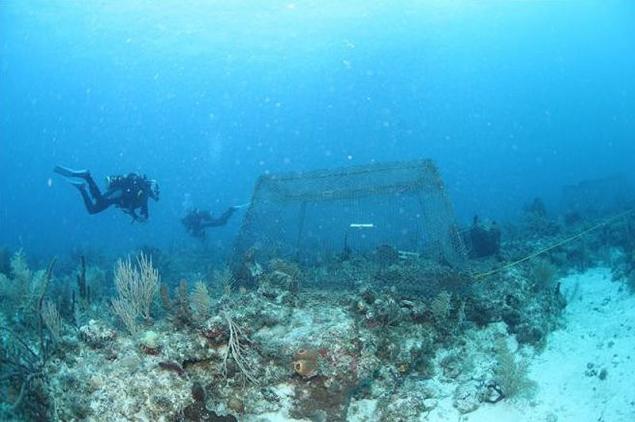
Team Dr. Hay built a large underwater cages like this in the center of the picture, in order to run to different types of herbivores underwater inhabitants. "It is important not simply to plant herbivores on the reef, but also to comply with their right balance. If there is at least one species, it quickly will fly to hell "- says Dr. Hai.
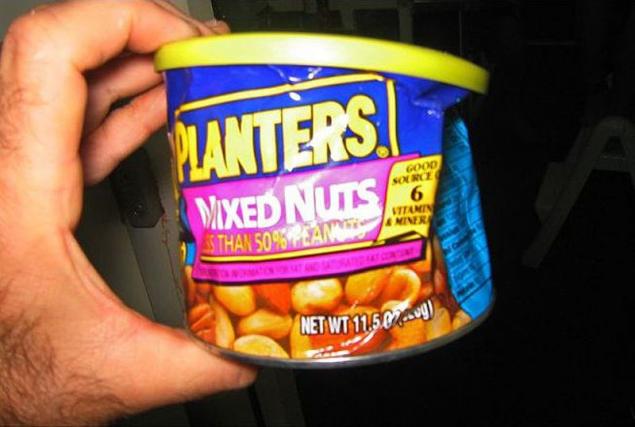
Pressure on Aquarius above normal atmospheric pressure on the banks. Therefore, fizzy drinks that bring scientists here, almost foaming at the opening, while, as the cans of food, jars of nuts like this, are deformed under the influence of high pressure. Also changing timbre of voice and whistle in a more dense air laboratory is much more difficult than on land.
One of the manholes of Aquarius, which today is the only functioning underwater lab.
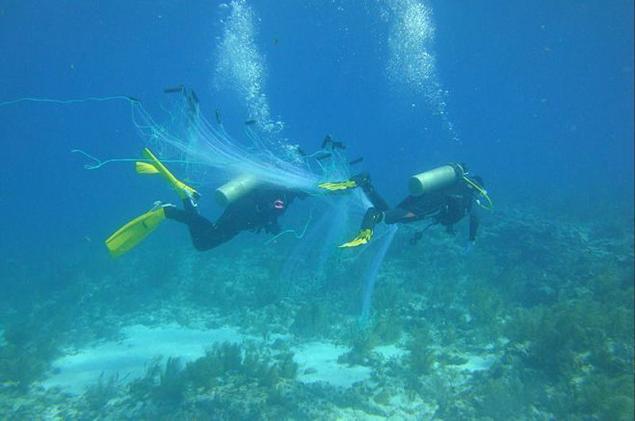
Researchers snare to catch fish for their experiments. Dr. Hay and his colleagues caught parrot fish and surgeon fish, which is placed in a cell.
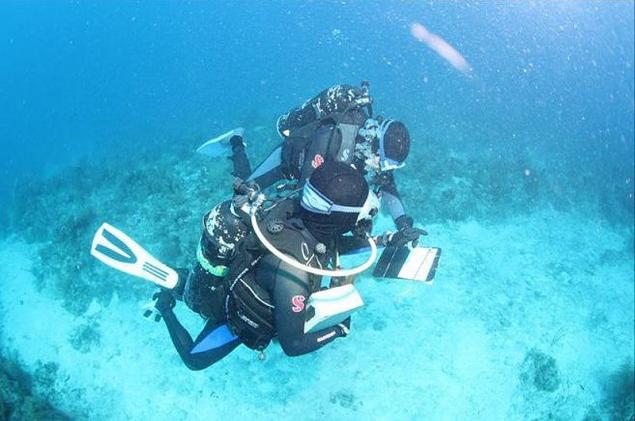
Over the next 10 months, the researchers plan every 6 weeks to check the health of coral inside the cells with different kinds of fish. "By manipulating a few basic types of fish, we can help the reef to survive," - says Dr. Hai.
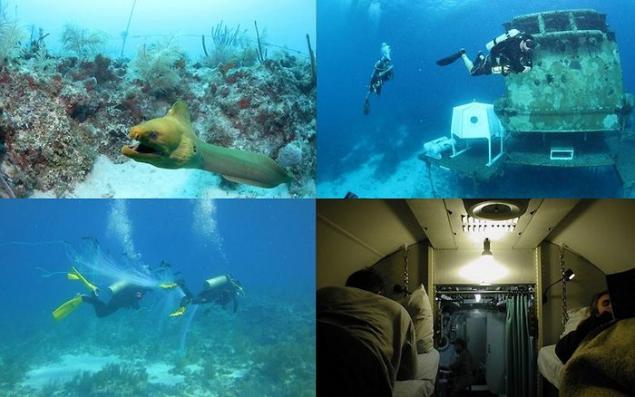
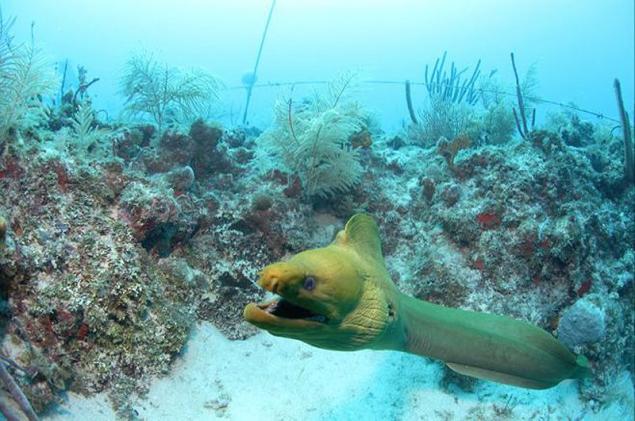
During the past going beyond laboratory scientists have a hard time closing up holes in the cells. When the fish was first placed in a cell, it flows into the depression. It attracts sharks and other predators such as moray eels (pictured). "Moray can penetrate the cell like a rocket," - says Dr. Hai.
via bigpicture.ru