10192
Strange animals discovered in museums
Every year, scientists discover new species of living creatures that once lived on our planet.
However, there is one surprising point: the remains of the found animals lie on the shelves in museums for many years before one of the researchers takes care of them and proves that this is a representative of a species unknown to science.
Let's take a look at these creatures found.
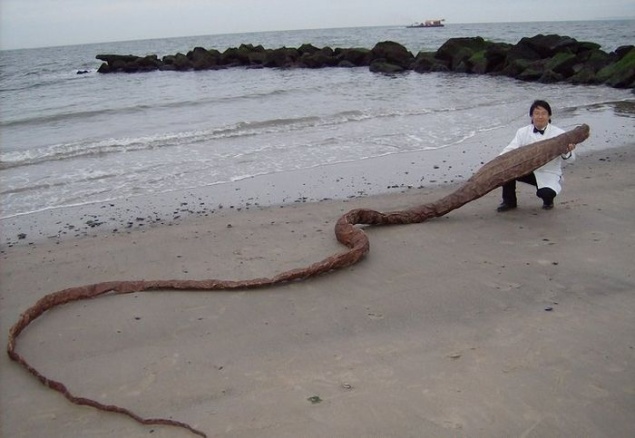
1) Barosaurus
It would seem, how can you not notice a 24-meter beast? His fossilized skeleton was kept in the museum for a long time without much attention. In 2007, scientists reported a new discovery, or rather, the discovery of a new species of dinosaur called Barosaurus, which has a long neck, which was hiding within the walls of the Royal Ontario Museum in Canada. His individual bones were scattered in different collections until they were joined together.

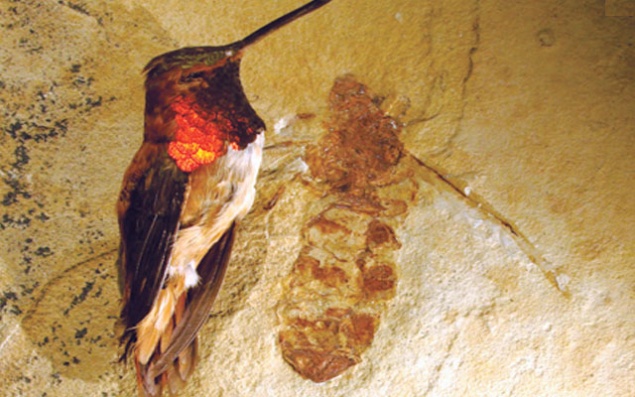
2) An ant the size of a hummingbird
Hummingbird is a small bird. However, the hummingbird-sized insect is quite impressive. Fossils of a long-extinct ant species of incredible size were stored in the Denver Museum of Nature and Science until scientists reported a new discovery in 2011. The giant insect was named Titanomyrma lubei.
3) A new species of xenoceratops.
Paleontologist Vann Langston Jr. discovered intriguing fossil fragments during excavations in Alberta, Canada, back in 1958, but he did not have enough time to study them, so the fragments ended up on the shelf of the Canadian Museum of Nature in Ottawa and were safely forgotten.
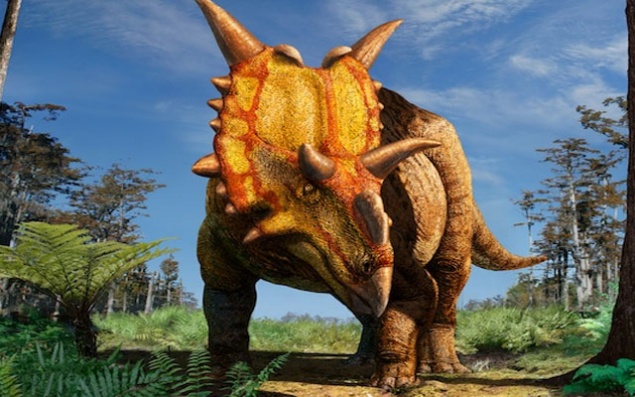
In 2003, David Evans, a paleontologist at the Royal Ontario Museum, and his colleagues noticed the strange fragments and examined them. It was immediately clear that scientists were dealing with a new species of dinosaur, Xenoceratops foremostensis.
4) The Missing Link in the Fish Chain
The strange ancestor of the flounder can probably explain how these strange creatures evolved. It was not discovered at the bottom of the ocean at all, but among the unidentified fossils of the Natural History Museum in Vienna, Austria, researchers reported in June 2012.
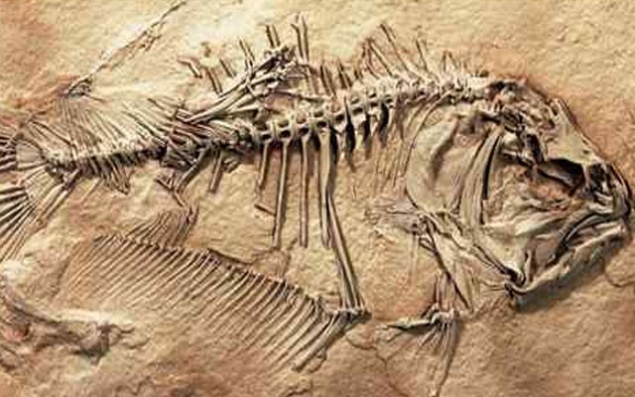
The 50-million-year-old fish Heteronectes had special eyes that could partially move around the head, but did not have the ability to move to one side like the modern flounder.
5) The Oldest Crocodile
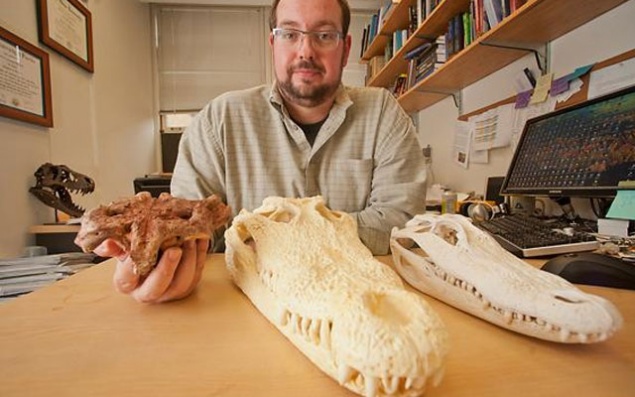
Dubbed the "shield crocodile" for its flat head, the crocodile Aegisuchus witmeri is the oldest ancestor of the modern crocodile, which was discovered in Africa. Initially, samples of the fossilized remains of this creature were found in Morocco, which were then sent to the same Royal Ontario Museum and lay on a shelf for several years before scientists paid attention to them.
6) Parasitic wasps
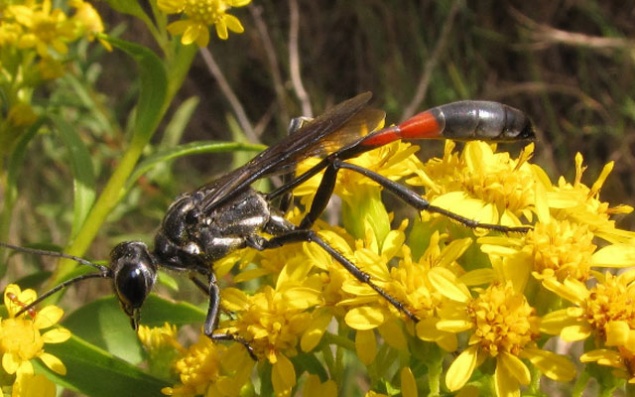
Sometimes the presence of a large number of unknown species helps to identify and classify them. In October 2012, scientists studied 1,549 unknown parasitic wasps found in Guatemala, Honduras, Ecuador and Nicaragua and found a huge variety, including 177 different species. Previously, only 14 species of these parasitic wasps were known.
Source: p-i-f.livejournal.com