12113
Special Effects in Cinema: Back to the Future Trilogy
The 1980s turned out to be rich in cult films. A year before Back to the Future, the first Terminator was released, later there were Aliens, Predator, RoboCop and many others. In almost all the films of Robert Zemeckis, one of the authors of the idea of time travel in a car, there is a cozy atmosphere of a good fairy tale, which began with the project with the comically crazy Doc Emmett Brown and the hero of Michael J. Brown. Fox.
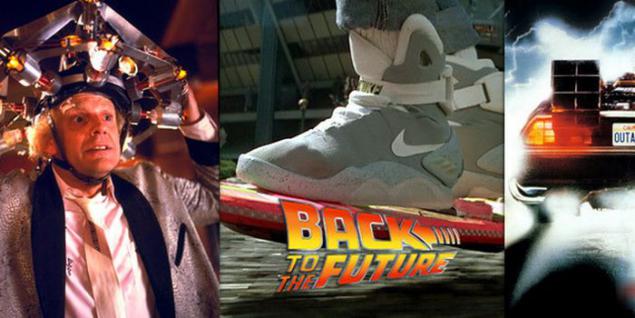
The Back to the Future trilogy is deservedly called a cult, and for many it still remains one of the nostalgic bridges to childhood or youth. Today, let's take a closer look at the most notable episodes of the trilogy and find out how they were filmed.
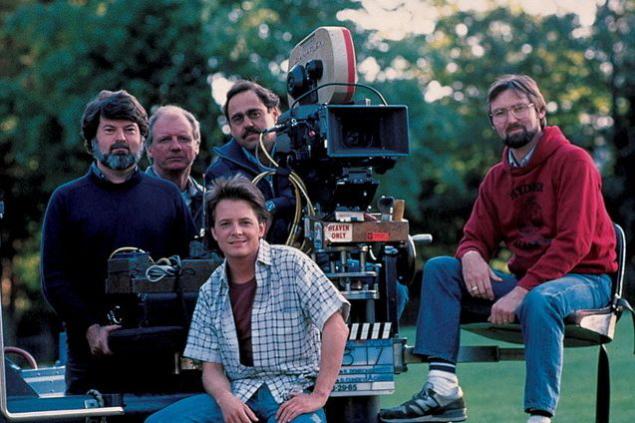
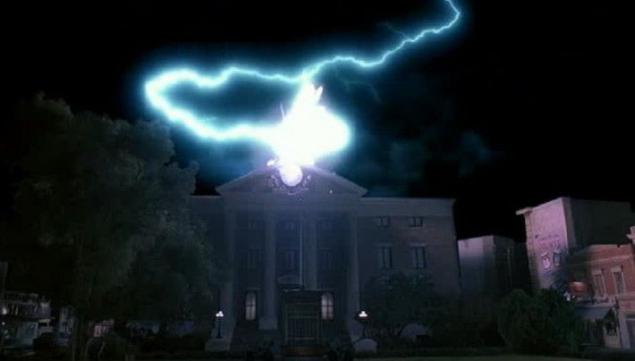
By the time the filming of the first film began, director Robert Zemeckis had already gained a reputation as a master of adventure productions thanks to the film "Romancing the Stone". Hollywood bosses trusted him and spared no expense. And yet, special effects in the film were not used so often - only three dozen times, and almost all of them are related to the car. The visual effects, which were added to the film just a couple of weeks before its release, were created by employees of George Lucas' Industrial Light & Magic studio. They added computer-drawn flashes that accompanied the transition from one time period to another, as well as lightning in one of the final episodes.
By the way, there could be no lightning at all. The original version of the scenario assumed that Doc and Marty would find the energy necessary for time travel during nuclear tests in the Nevada desert. However, then the managers calculated that for such filming of just one small episode, more than a million dollars would be needed (about two current million dollars adjusted for inflation).
One of the main "chips" of the film and the symbol of the entire trilogy was the DeLorean DMC-12, on which the main characters travel in time. They say that at first the script featured some kind of abstract laser installation in the dock's office. Then someone's imagination suggested: getting into the past and the future is most spectacular in the refrigerator! Fortunately, this idea was abandoned, fearing for the health of thousands of kids, who, after the release of the film, will probably try to try out the magical properties of the refrigerator at home.
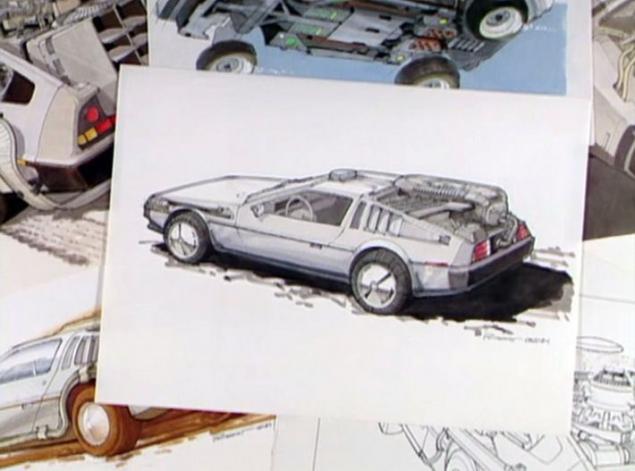
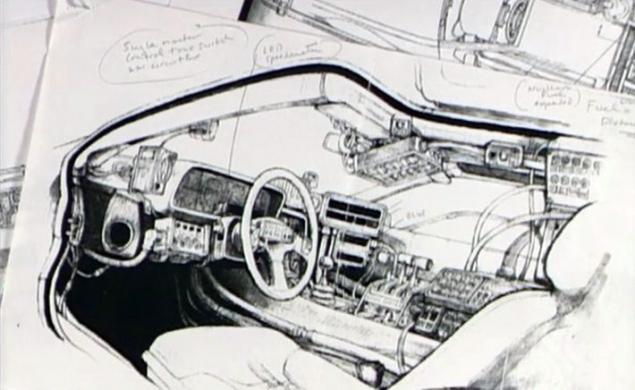
Why was the DeLorean DMC-12 chosen for the role of a time machine? Perhaps the explanation in the film comes from the mouth of the doc himself: if you make such a thing out of a car, why doesn't it look stylish? Of course, do not forget that the stainless steel of the DeLorean body has a beneficial effect on the vortices of the flow of time. Robert Zemeckis' team also decided that DMC-12 is very similar to an alien ship and fits perfectly into a humorous episode when a family of farmers finds a time machine in their hangar and mistakes it for a UFO.
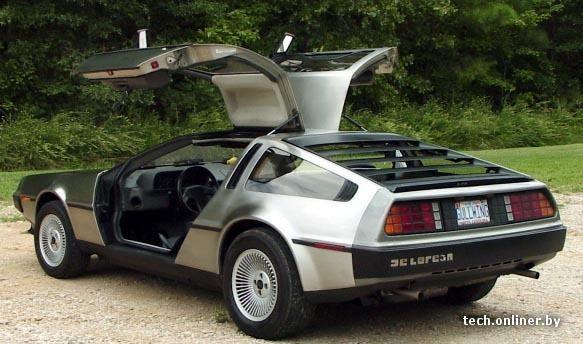
Real serial DeLorean DMC-12
Movie version of the DeLorean DMC-12
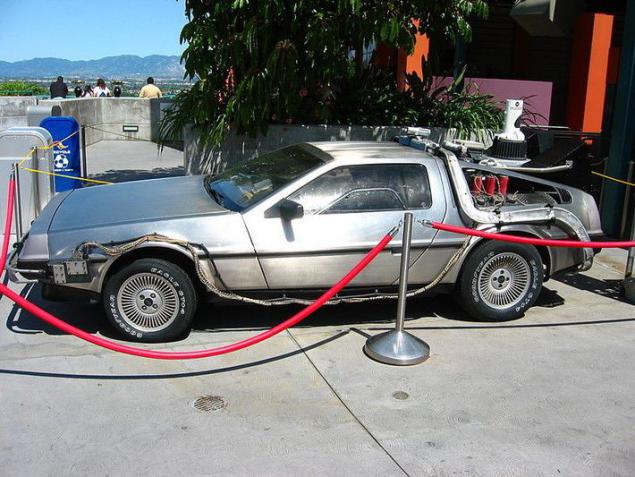
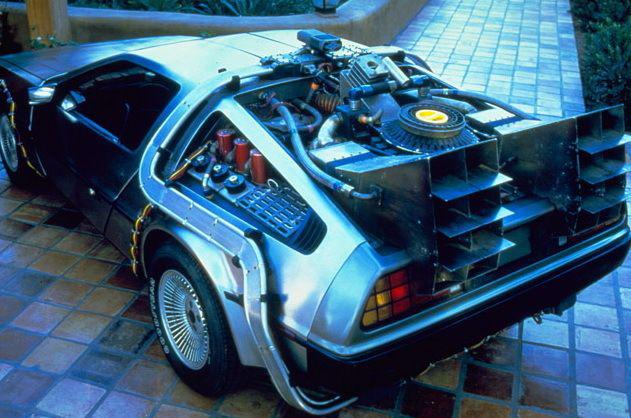
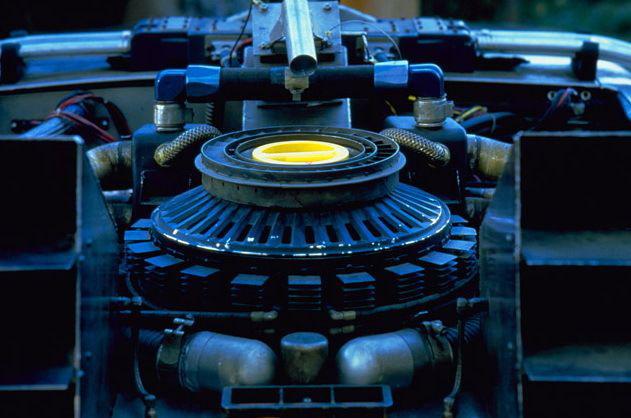
The DeLorean DMC-12 is a real-life sports car produced from 1981 to 1983. The design of the car was so unusual for that time that there was almost no need to give it additional "futurism" for the film. Except that they attached a "nuclear reactor", or rather an element of the body of an old Dodge Polaris, and hung it with aircraft parts found in a landfill. In total, the filmmakers needed three copies of the DeLorean, each of which worked 100% on the set.
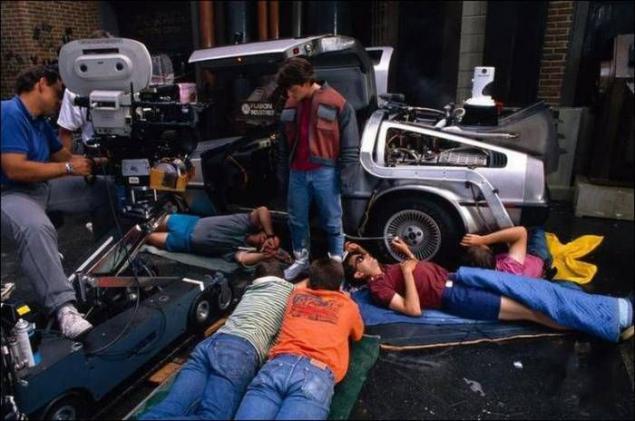
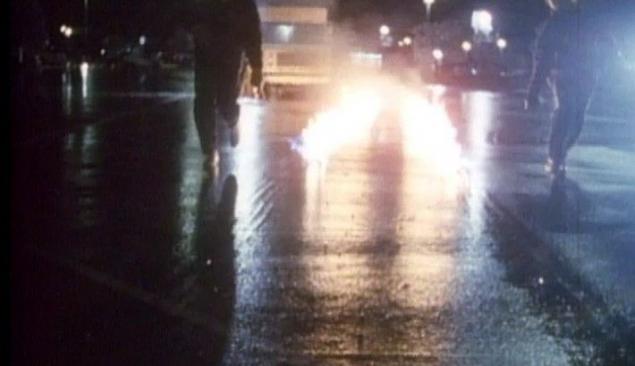
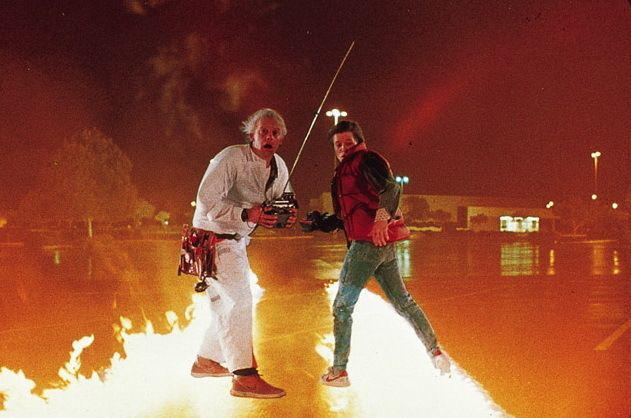
Nitrogen was used to create the frost effect of a car that had just returned from a trip - the DeLorean was literally frozen. The fire trails left by the rushing car are ordinary spilled fuel, which was ignited manually. The filmmakers decided to use these relatively cheap effects, although a version with a stretching and shrinking like a rubber band DeLorean was considered for a long time. But in the end, such a special effect was abandoned: it was expensive to make, it took a long time, and even today it would probably look hopelessly outdated.
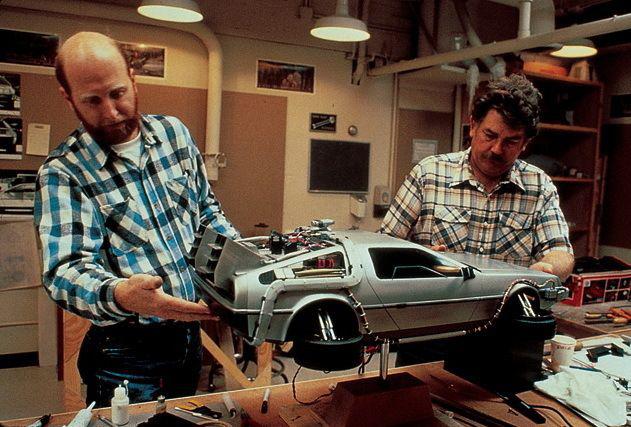
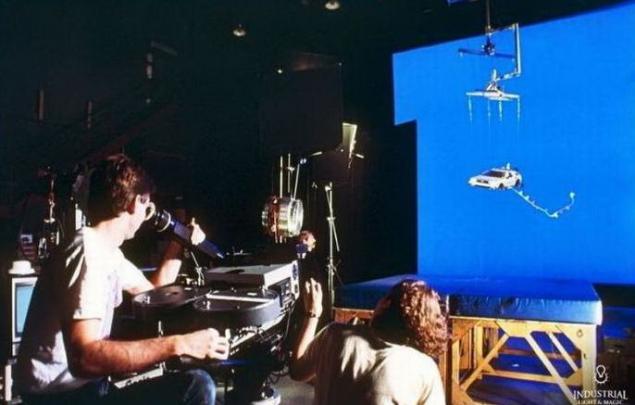
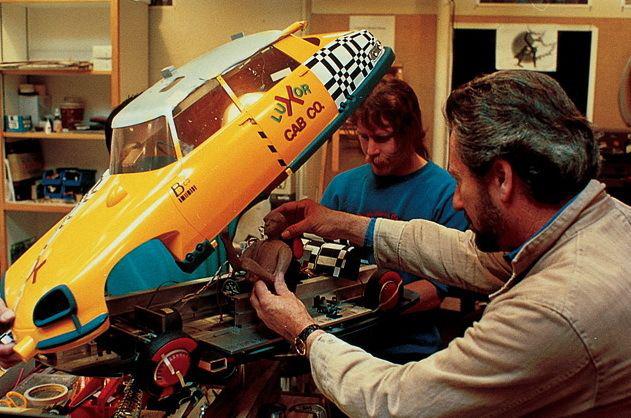
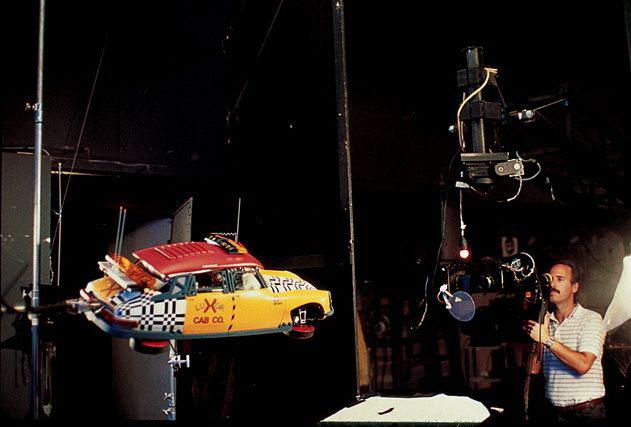
"Adult" cars could not do without toy doubles. Filmmakers have created several scaled-down layouts of DeLorean. It is they, suspended in the air on a special sleeve, who glide against the background of a blue screen, in the place of which the necessary video fragments were then superimposed. The same technique was later used on the set of the second and third parts of the trilogy - all flying cars and trains were dubbed in a toy format, which is much more convenient for filmmakers to work with.
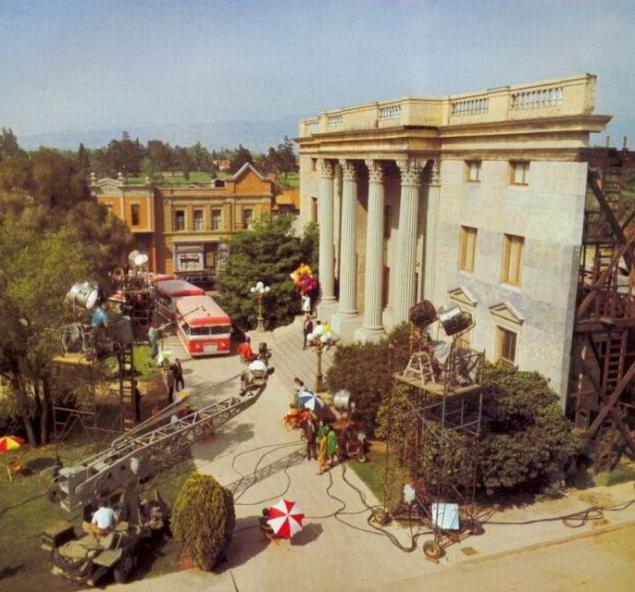
One of the biggest items of expenditure was not toys and not a trio of "charged" DeLoreans, but scenery. The entire town of Hill Valley is not related to any of the real-life settlements and was created in the outdoor pavilion of Universal Studios. Millions of dollars were spent to create the scenery of the central square with all the buildings provided for by the script. In the first part, the brand new facades were first used to shoot scenes that took place in the 1950s. Only towards the end of the filming period, the scenery was specially aged to show the present, that is, the mid-1980s.
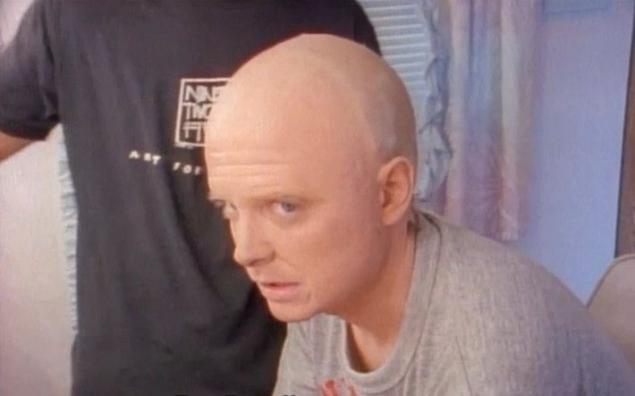
The second part of the trilogy was the most saturated in terms of the presence of all kinds of visual effects in the frame. No wonder, because the main characters spend most of their screen time in the future. And the actors had a hard time this time. Michael J. Fox was especially unlucky. In one of the episodes, he had to play an aged Marty, as well as his son and daughter. The problem is that they all had to be present in the frame at the same time. The actor's makeup for each of the three characters took about four hours. First, the role of the father was filmed, then the son, and finally the daughter. Then the resulting shots were simply superimposed on each other - so it turned out to be the illusion that three people were sitting at the same table at the same time in the kitchen. All the props that got into the frame were glued in advance so that after editing they would not "jump" from place to place on the film.
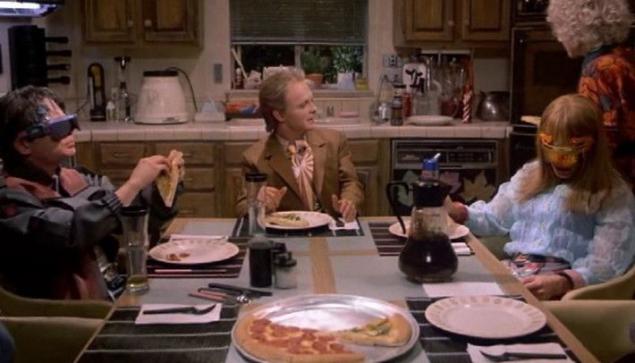
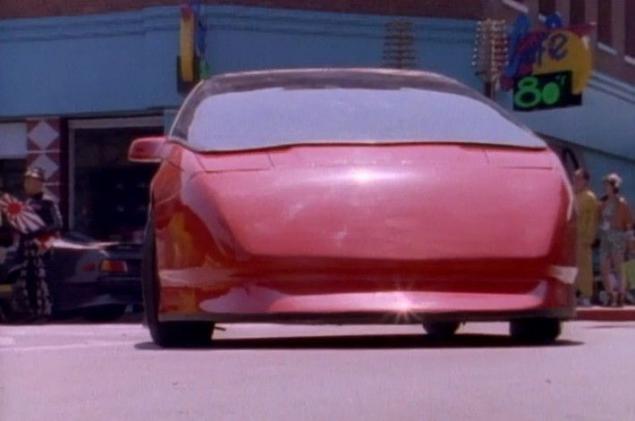
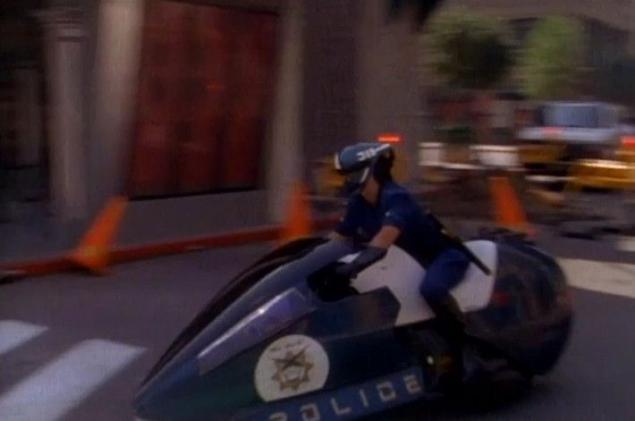
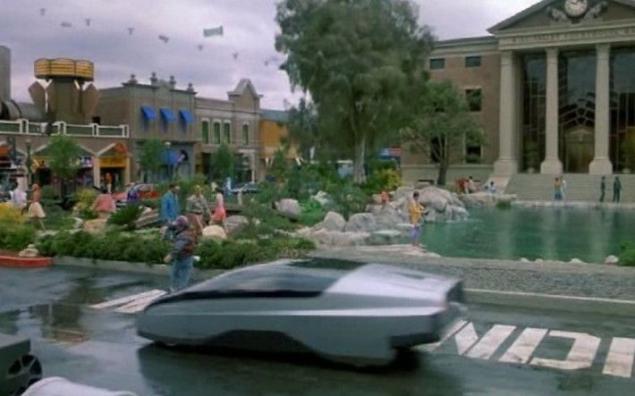
When creating the Hill Valley of 2015, filmmakers did not want to follow the trend of the 1980s to depict the future in gloomy colors a la Orwell. "Back to the Future 2" is much more optimistic and colorful. Robert Zemeckis paid a lot of attention to the fleet of the future. In order to save a little, it was decided to borrow several ready-made models of cars from already released science fiction films. For example, in different episodes, you can see the car from Blade Runner and The Last Star Fighter. There are also many concept cars in the film, modified by the Ford Probe and Mustang.
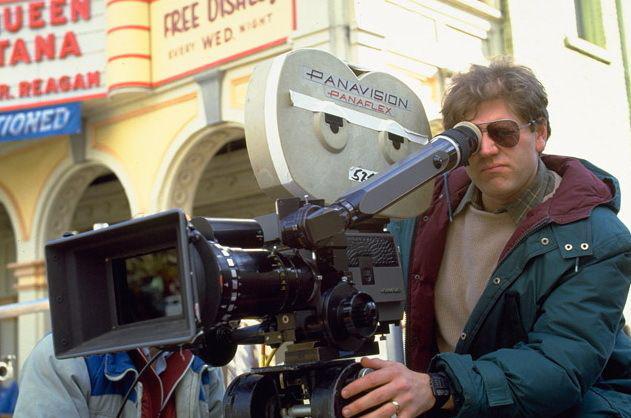
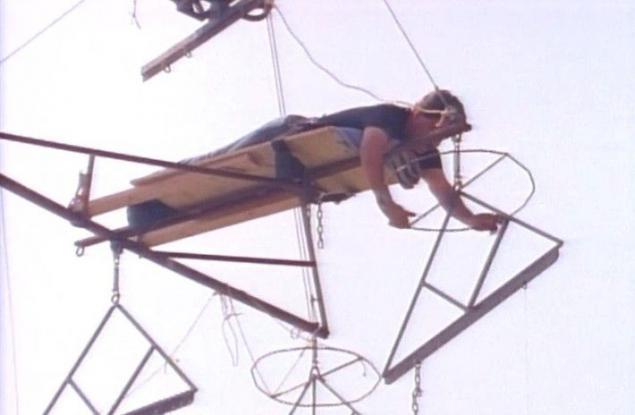
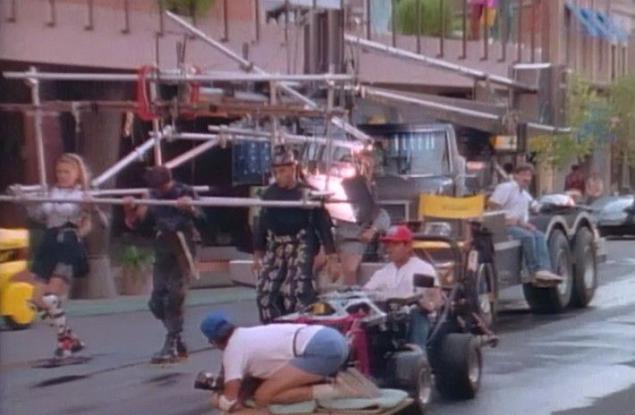
Robert Zemeckis was very reluctant to reveal the secret of the hoverboard. He even joked (with a serious face!) that it was an ordinary skateboard, only without wheels, and it was kept in the air by a magnetic field. Such things, they say, are already being produced in the strictest secrecy, but the film crew managed to get a couple of them with incredible efforts. In reality, everything was much more complicated. When Marty or the rest of the "hoverboarders" were shown above the knees, the usual "rides" on skateboards were shown on the screen. To create the effect of easy sliding over an uneven surface, the entire area of the town was covered with plywood sheets. In some scenes, the main character was ridden on a simple cart.
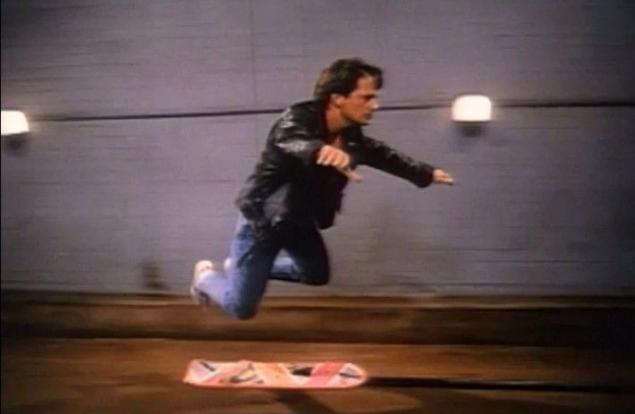
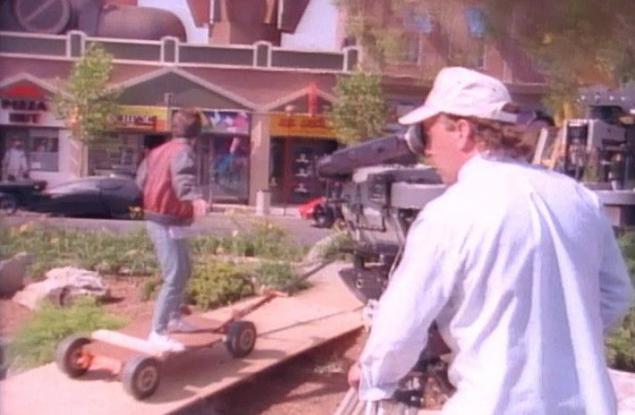
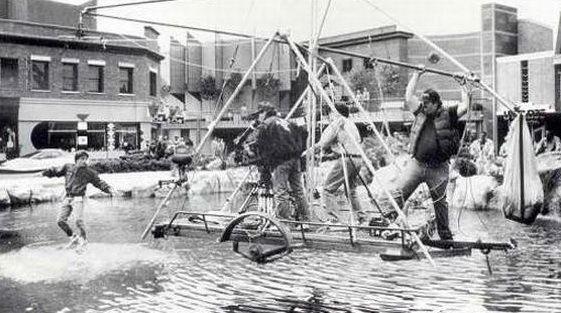
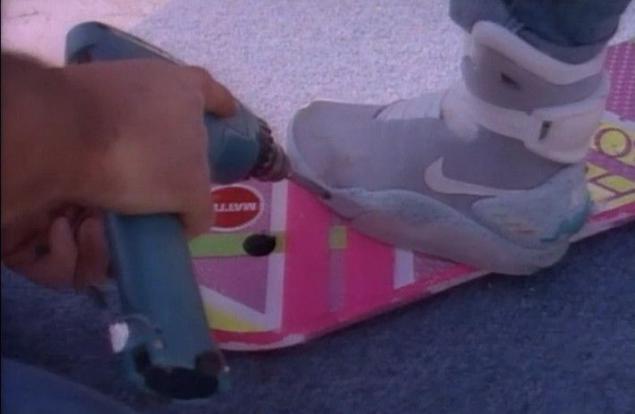
In addition, engineers had to come up with a complex system of belts attached to a crane. Actors were hung from their belts, and they almost really flew in the air. Most of all, the audience was impressed by the shots when the actors were shown below the knees, with hovering hoverboards and feet on them. To film these episodes, shoes were tightly screwed to the boards, the characters of the film were put on a special installation and driven while the whole action was filmed by the camera.
But the flying cars in the scene when Marty enters the city of the future were added in layers, just like in Photoshop: first, the trajectory of one car was worked out in detail, then another, etc. In the end, all the models were shot on a blue background, as required by Robert Zemeckis, and "glued" with the outdoor shots.
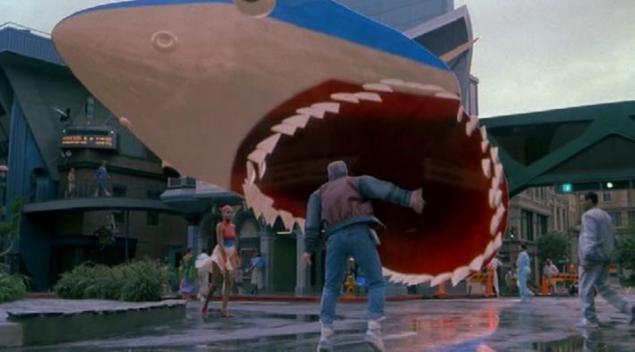
One of the few truly computer-generated special effects in the film is a virtual shark from the poster that "bites" the protagonist. Michael J. Fox had to play the fright on his own, he did not see any sharks. The effect itself was added much later to the already filmed material.
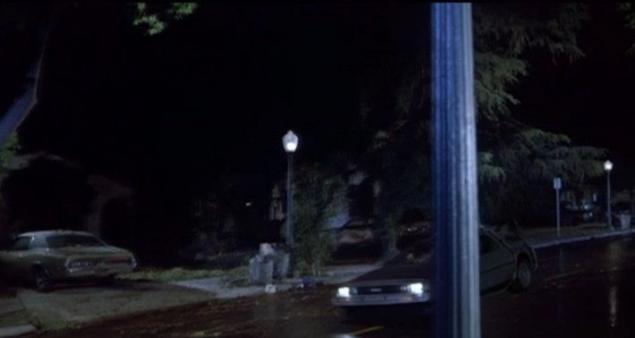
Most of all, special effects specialists are proud of the moment the flying DeLorean lands. Here they faced a difficult task - to make sure that the viewer did not notice the catch. The fact is that at first in the frame we see a hand-drawn model that lands smoothly, and now in front of the viewer's eyes there is already a completely real car with Marty and a doc inside. The scene turned out to be so real that even the most attentive "film critics" would not be able to consider the moment of transition of the hand-drawn DeLorean into the present. In this, the film crew was helped by a lantern, which successfully separated the car before and after the "transformation". The employees of George Lucas' studio sweated a lot, combining shots, as well as the play of light and shadow.
The third part of Back to the Future was filmed in the traditions of a western, and there was almost no place for special effects in it. But the picture was at the mercy of dozens of the best Hollywood stuntmen, who were happy to fight, ride horses and jump on train cars.
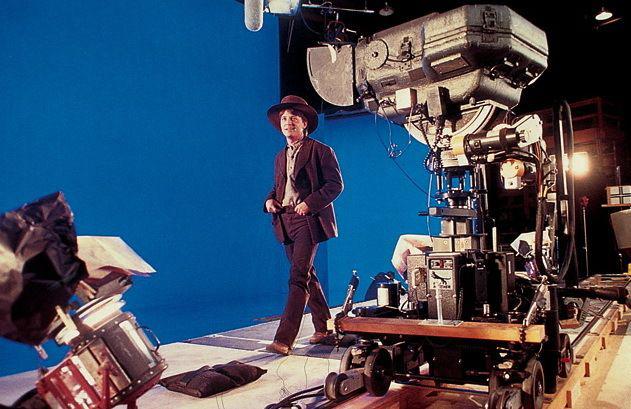
This time, the lion's share of filming had to be moved from Universal's outdoor pavilions to Monument Valley, an almost red desert with individual towering cliffs. Just what you need for a film about cowboys and time travel!
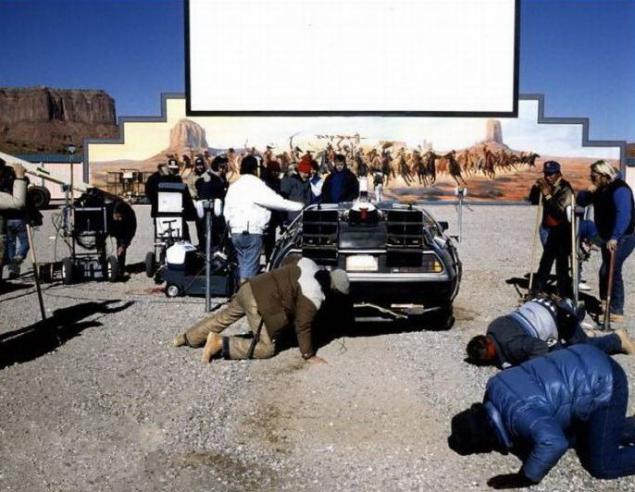
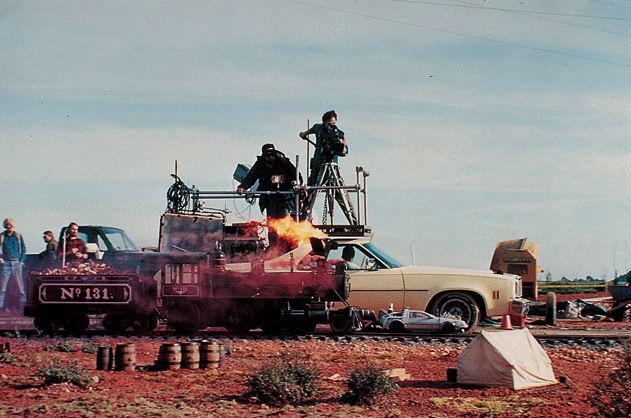
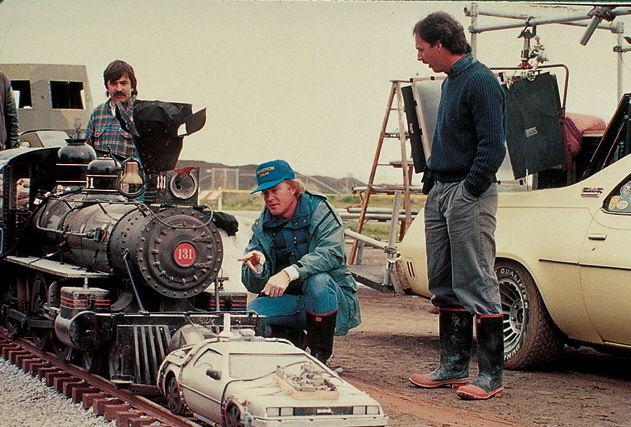
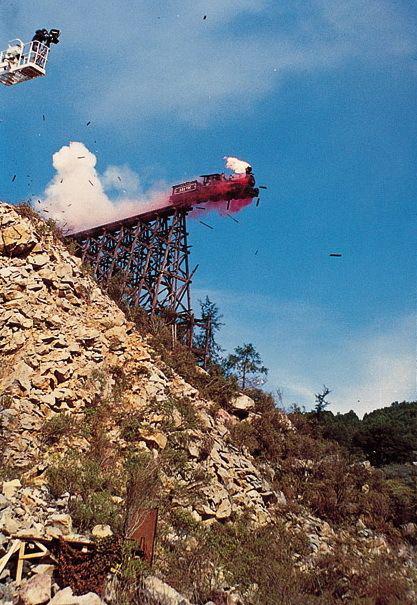
From a technical point of view, the hardest thing in Back to the Future 3 was the episode with the train. Firstly, many stunts were performed at high speed and were dangerous to the lives of the actors. Secondly, the film crew had to throw the ancient steam locomotive off the unfinished rails at all costs. It was unrealistic to do this with a real train, so Robert Zemeckis resorted to a proven trick - he removed a reduced copy of the locomotive. They worked on the model for about two months, and then they stuffed it with explosives, dispersed it along rails specially built for it and destroyed it in a couple of seconds.
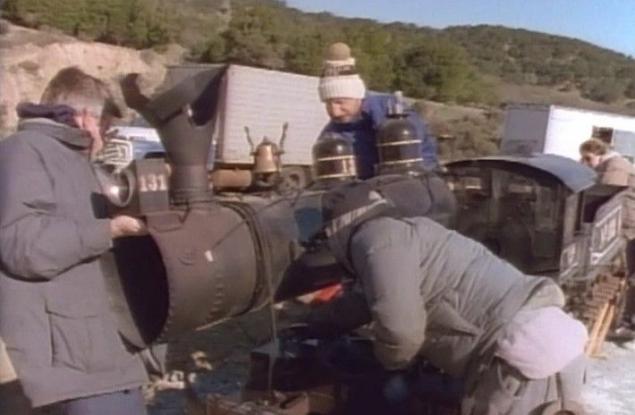
In the scene where the DeLorean is still intact accelerating in front of it, many shots were shot backwards - in reality, the locomotive is going backwards. This was done primarily for security reasons. Who knows, maybe the car with Michael Fox inside will derail?
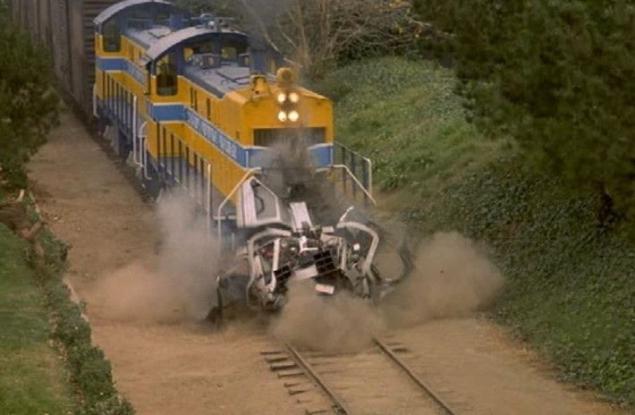
When Marty finally returns to his own time, the DeLorean rides on the working train tracks. Trains passed through them a couple of times a day, and during this time the car had to be derailed.

A spectacular end to Marty's adventures was put by the episode with the destruction of the time machine. The director sacrificed a real car to the train, not a mock-up, so on the screen we see the wreckage of a serial DeLorean DMC-12 flying away from a collision with a locomotive. To prevent the car from moving off the rails, it was "weighted" with wet sand. For greater effect, the car was stuffed with dynamite, sawed off in several places and blown up just at the moment when the train collided with the DeLorean.
Robert Zemeckis stopped in time and did not make a series like Star Wars out of the trilogy. The audience, who enthusiastically accepted Back to the Future, demanded, asked and even begged to make a fourth film about the adventures of Marty and Doc. It remains to be hoped that none of the current Hollywood bosses will come up with the idea of spoiling the impressions of the good old franchise with some kind of remake.
Source: news.21.by