1650
Pollinators of our Earth
They pollinate plants of the planet Earth and more than 200 000 species.
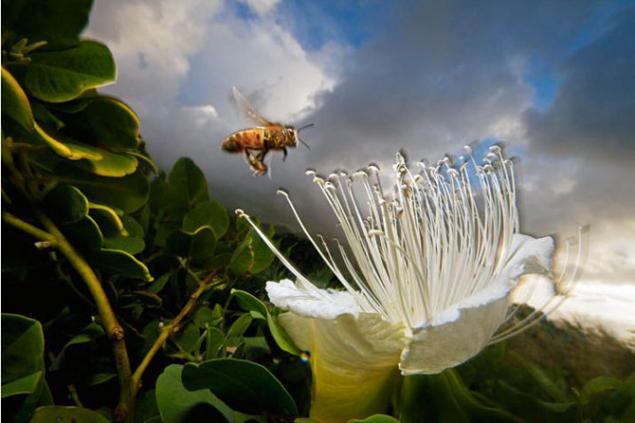
Sunset on Kauai. The fragrance of a rare flower attracts a hungry bee. Apis mellifera Bee sits on a flower Capparis sandwichiana, Hawaii.
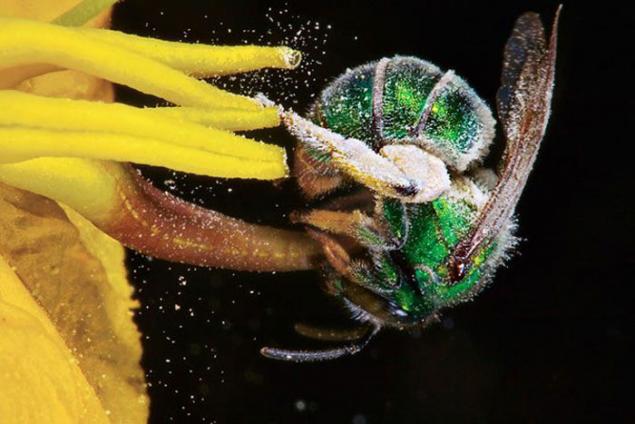
Arizona galliktida pollinates night flower belladonna. Vibration body bee pollen allows freely settle on a flower, contributing to pollination. Agapostemon sp. on a flower Solanium rostratum, Arizona.
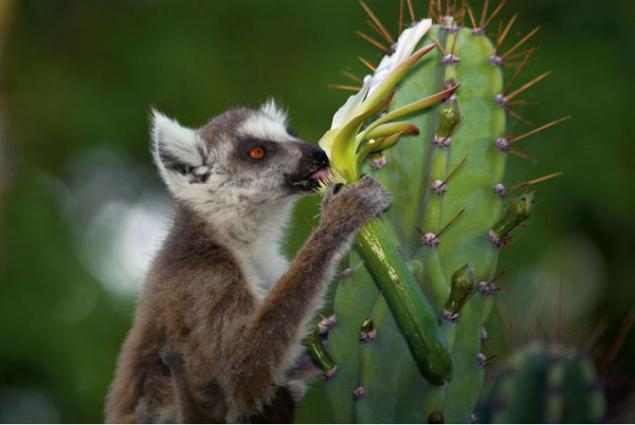
Madagascar lemur gnaws cactus. He will carry the pollen on the legs and face. Lemur lemur catta eating cactus Cereus hildmannianus, Madagascar.
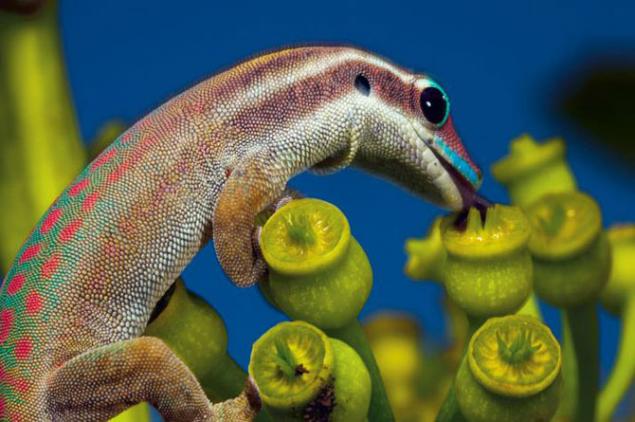
Day gecko drinking nectar from the flower tree. Insectivorous lizards rarely act as pollinators - only on the islands, where the limited number of predators. Day Gecko Phelsuma ornata on the tree Gastonia mauritiana, Mauritius.
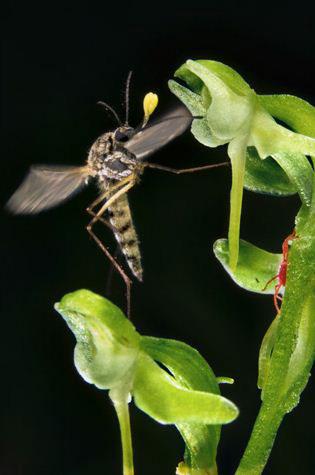
Mosquito on a flower orchid. Aedes sp. on a flower Platanthera obtusata, Minnesota.
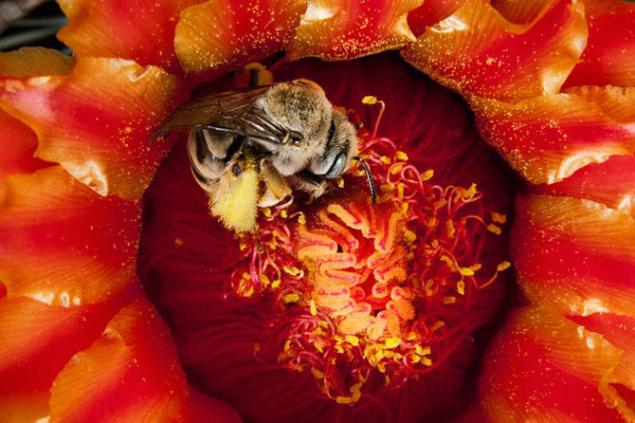
Cactus bee on ferrokaktuse perepurovom, Arizona.
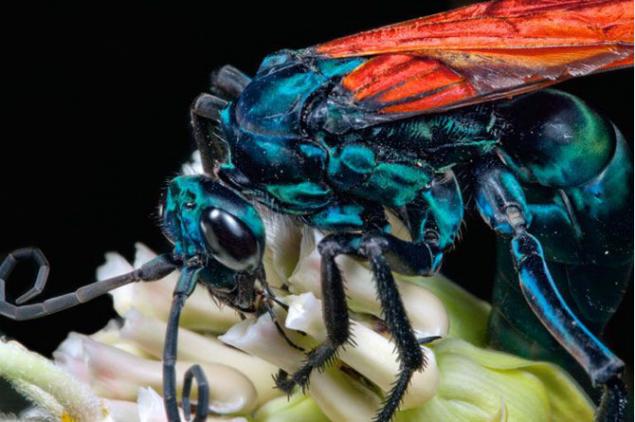
Bees often act as pollinators, but not limited to. Tarantulopodobnaya Wasp on Euphorbia corolla.
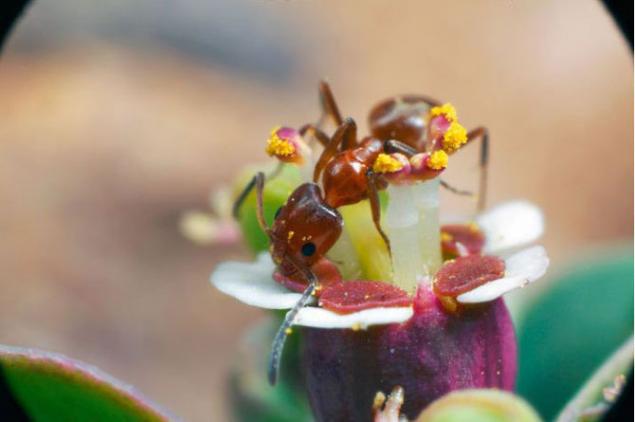
Perekresnoe pollination is not guaranteed if the ant carries pollen from plants Chamaesyce sp., Since pollen can get on another plant species. Arizona.
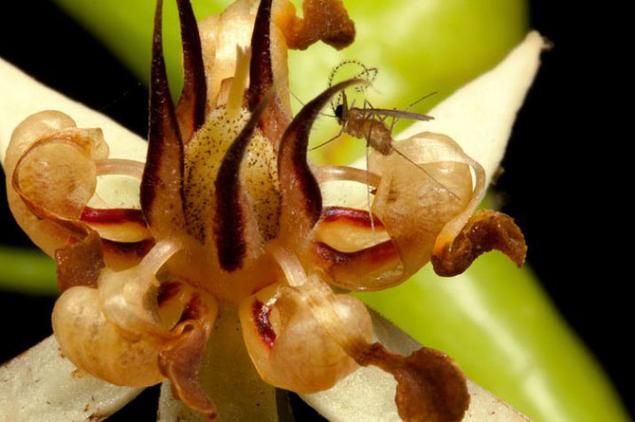
Mosquito-Dergun collecting pollen from flower of cocoa, putting head into the depths of the petals, which are contained pollen and nectar.
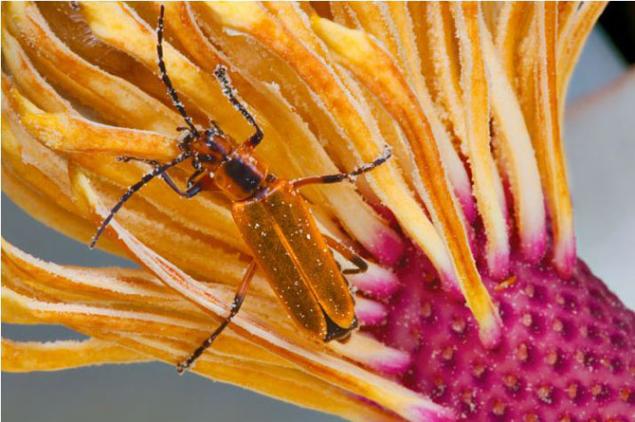
Very often carry pollen beetles. Beetle soldier beetle in flower magnolia, its odor attracts him.
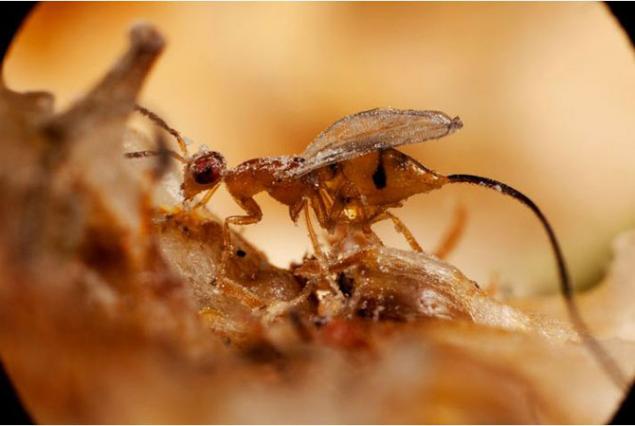
Wasp parasite inside the flower of the fig tree Ficus insipida going to lay eggs. She did not pollinate the flowers - it is, in fact, the hunt for pollinators, Hidden inside. But in this there is a plus - pollinating insects do not stay long in one flower, hurrying to get away from predators.
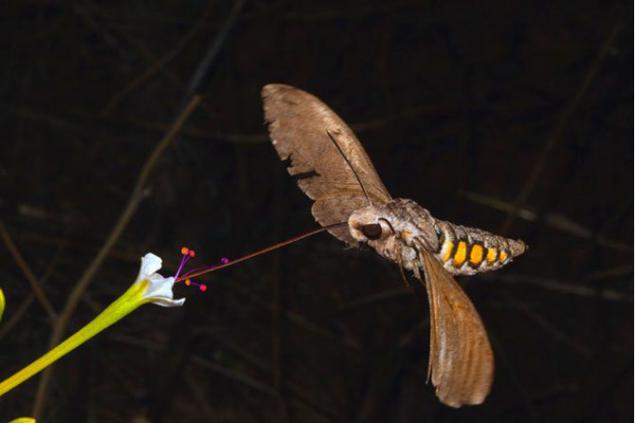
Hyles euphorbiae in brumgansii fragrant flower. Hyles-pollination produces night.
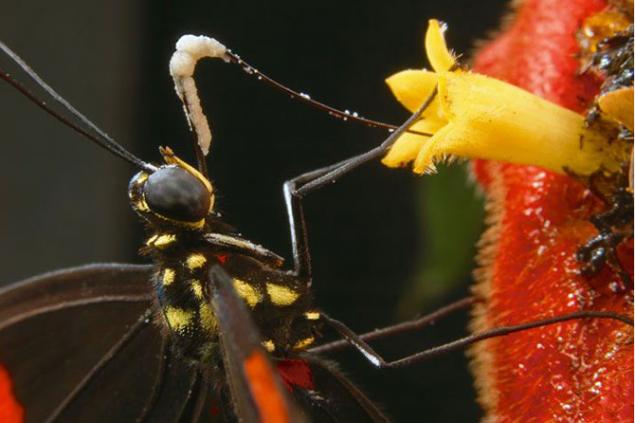
Heliconius erato in flower Psychotria poeppigiana, Panama. Most butterflies only drink nectar, but it also carries pollen. Amino acids contained in pollen, extend the life of insects.
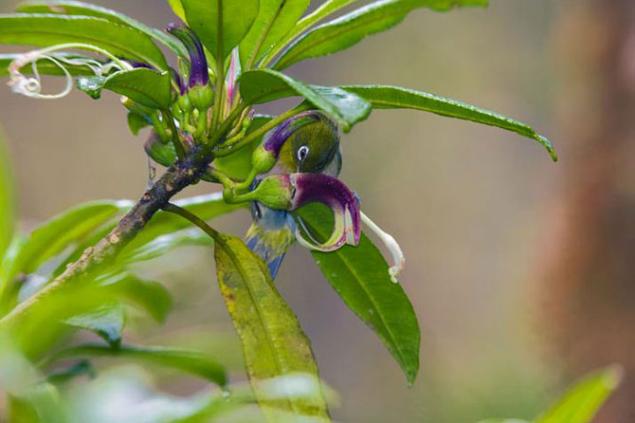
Ferruginous Duck in Hawaii steals nectar from a flower plants haha'aiakamanu. Pollen then wakes up just to the ground.
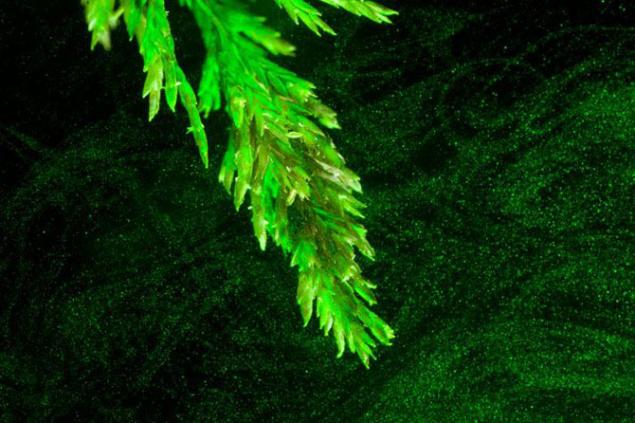
Particles of pollen in the light of the laser. Scientists at the University of California, Berkeley, conducted an experiment to see how the pollen is transferred between plants by air currents.
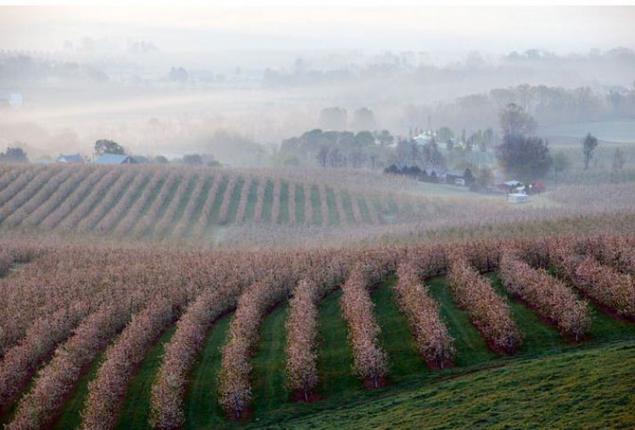
Spring apple orchards in the mists of Pennsylvania. Each year, the owner of Gardens John Leroux leases 180 hives in which the lives of several million bees. They pollinate area of hundreds of hectares. "This is a necessary measure," says Leroux.
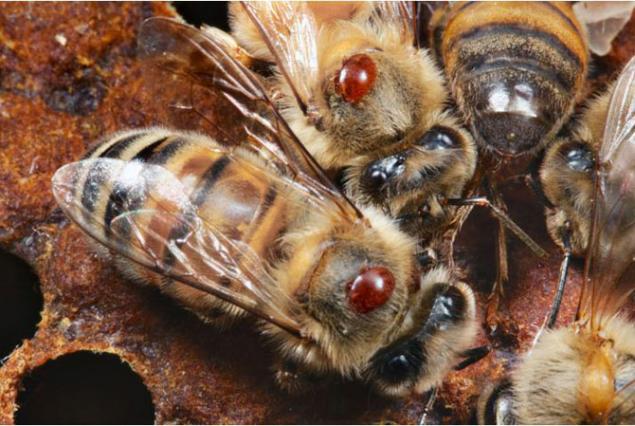
In 2010, scientists reported that a possible reason for the rapid extinction of bees, which began in many countries in 2006, is united viral and fungal diseases. But this conclusion has been questioned, and the final decision is still pending. Jeff Petis, American scientist, believes that "It's all about some complex interaction processes, the essence of which we can not yet understand." From the virus, meanwhile, suffer and bees Varroa mite, which are the best pollinators of plants in the world.
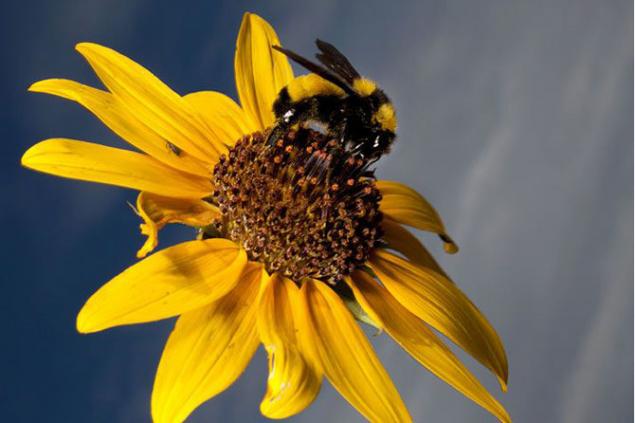
Bumblebee drinking nectar sunflower in Arizona. Many species of bumblebees is now on the verge of extinction.
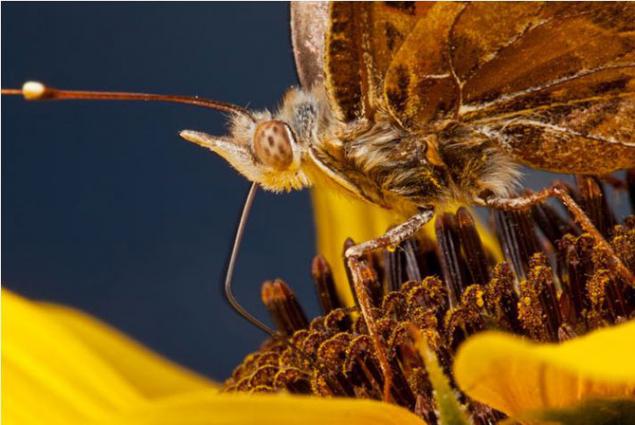
The proboscis and legs attract pollen like a magnet - thus pollinating plants in Arizona butterfly Nymphalidae. Then the insect will fly to another flower.