806
People in the photo (28 photos + text)

They expected to be the first hoped and believed in it, but in vain, the first to the South Pole reached the other, a month earlier.
No one knows exactly when this picture was taken. Judging by the flag behind them - this is January 18, 1912, the day when the British expedition Royal Navy officer Robert Scott appeared at the southernmost point of the planet.
On that day, Scott wrote in his diary: "The Norwegians ahead of us - Amundsen was the first at the Pole! The monstrous disappointment! All flour, all the hardships - and for what? I'm horrified to think of the way back ... "Scott fears were not in vain. The way back was the last of all, who is depicted in this photograph. The first, falling into an icy crevasse, Edgar Evans died - he was sitting right in the picture.
The rightmost of the challenges - Captain Lawrence Oates froze his feet and not to force the already barely alive friends to drag it out for yourself, just walked away from the camp.
"There was a blizzard. He said, "I'll go take a walk. Maybe not soon be back. " He went out in the snow, and we never saw him again. We knew that poor Oates comes to death, and tried to dissuade him, but at the same time aware that he acts like an honorable man and an English gentleman, "- wrote in his diary, Scott.
March 21, 1912 Captain Robert Scott, Dr. Edward Wilson (standing far left) and Lieutenant Henry Bowers (seated on the left in the picture) as close approached the base camp food stores - until he was only eighteen kilometers. At that time a violent snow storm, which made it impossible to move forward. The English ran out of food and fuel. Nine days they could not get out of the tent and left to die in it.
Scott found the strength to write twelve letters to relatives and friends, mothers and wives of fallen comrades.
"We knew that we were going to take risks. Circumstances have turned against us, and so there is no reason to complain. After all, we've been on the pole and die with dignity. But if we are willing to give their lives for this cause, for the honor of their country, I appeal to his countrymen with the request: for God's sake, do not leave our loved ones. " These were the last words of a British naval officer Scott.
Eight months later, a special rescue expedition found their bodies in the snow-covered tent.
Having learned about the tragic death of a British expedition, Amundsen said, "No one better than I would not be able to pay tribute to the heroism and courage of our brave British rivals, as I am fully able to assess the danger of this terrible business. Courage, fortitude, strength, they could not hold ».
But the most surprising - is that these base camps have survived to the present day. And they preserved as if their inhabitants is about to return after their toils discoverers.
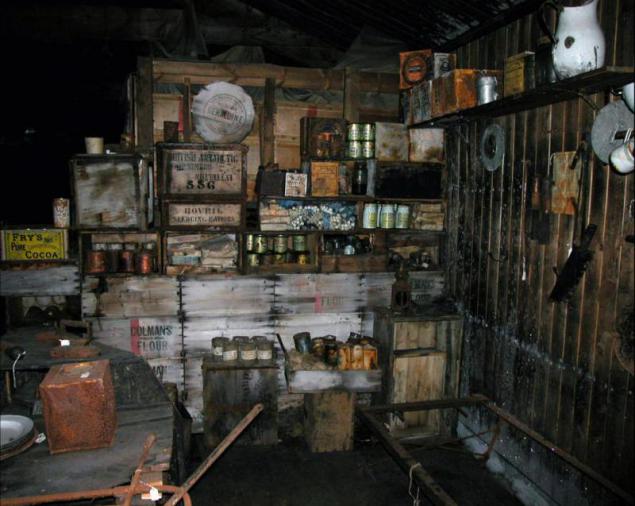
Scott Base, from which his expedition left November 1, 1911.
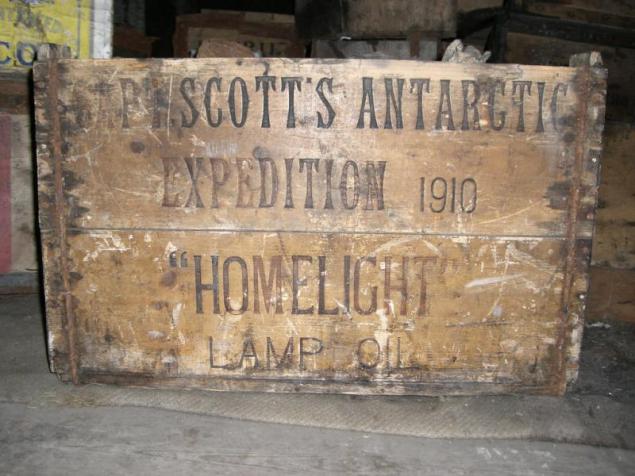
The hut was built of wood and insulated with dried seaweed. After the death of Scott's expedition, she served as the base for another researcher - Ernest Shackleton, who in 1914 came out here in Trans-Antarctic Expedition.
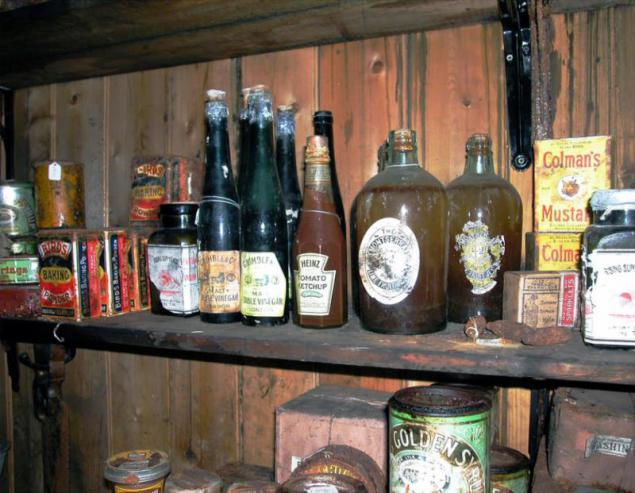
All stocks of both expeditions, they did not take with him, and left lying on the shelves.
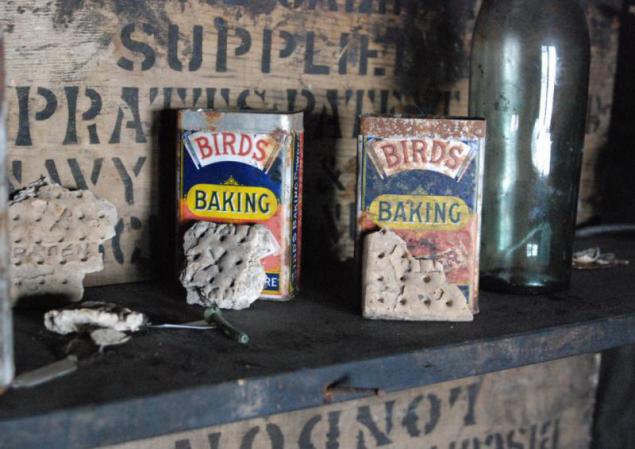
Crackers. Overdue for 100 years, but they say delicious.
Canned sauce, onion
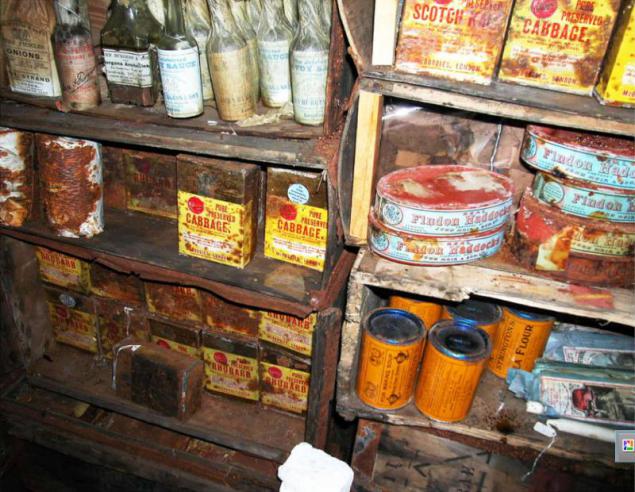
And almost unchanged for 100 years, ketchup. I wonder whether the taste changed?
Dark room. Pictures dried after development, but because no one took.
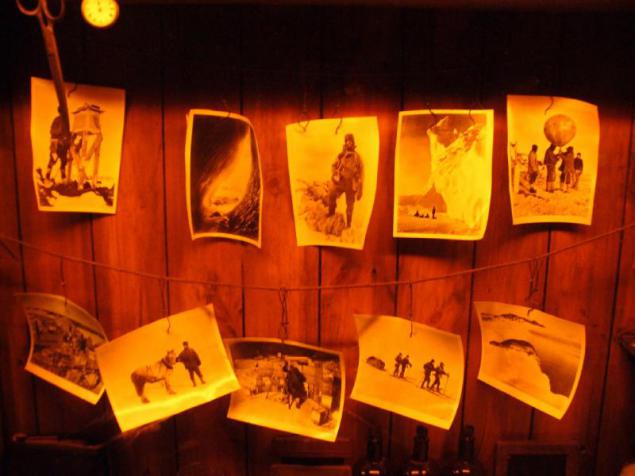
The picture shows one of the main reasons for the failure of the expedition: a pony, which Scott used instead of dogs. It turned out that the pony to Antarctica adapted badly. Well, Scott was an Englishman ...
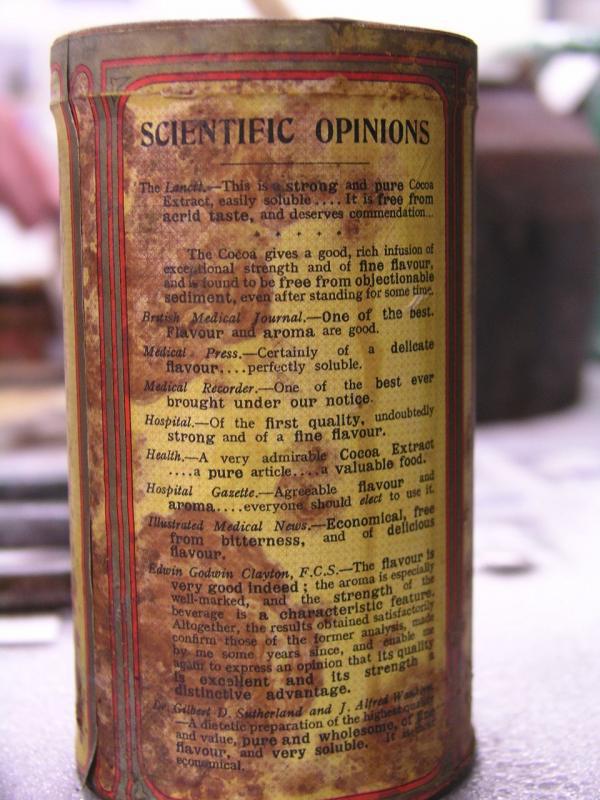
Oil lamps, and of course, cocoa.
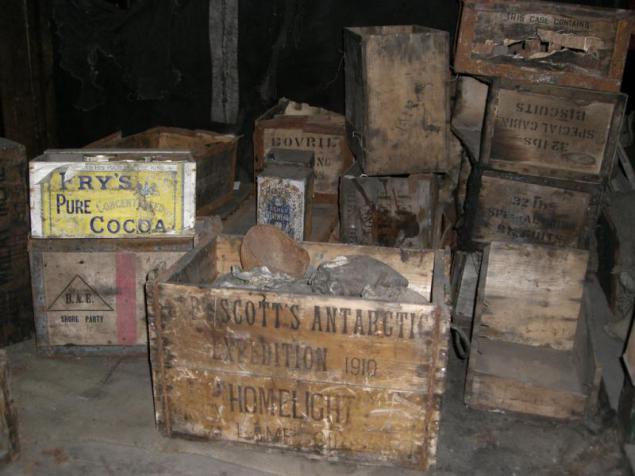
Dog food. Not simple, and naval dog food.
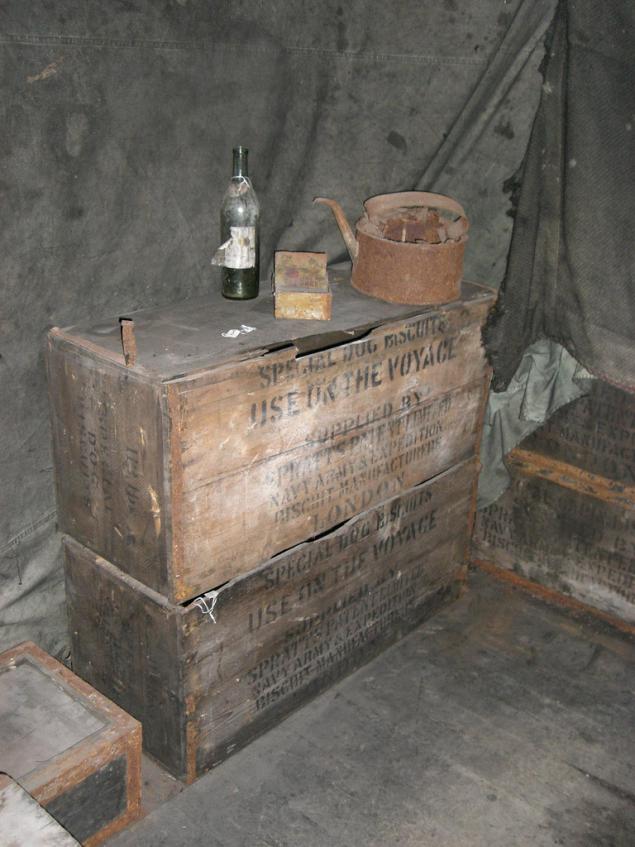
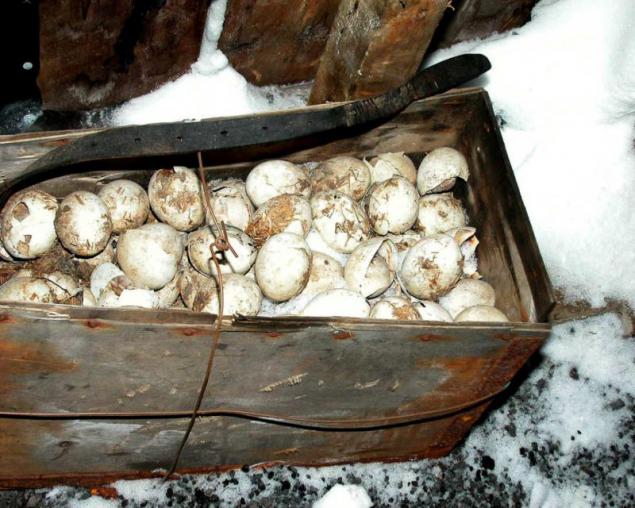
And that - not for the stocks of eggs bacon and eggs, and the eggs of the emperor penguin. They are going to send to England: the fauna of Antarctica if anyone has not been studied.
Kettles and oil reserves.

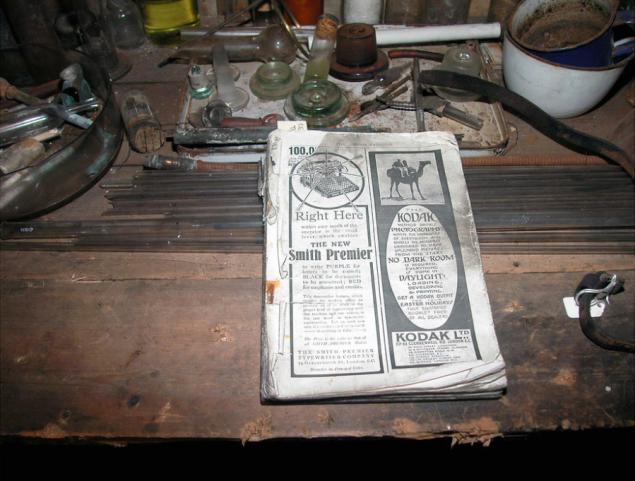
Kodak catalog of long-forgotten year. We have minimized the production of the film, but there is still advertise glass photographic plates.
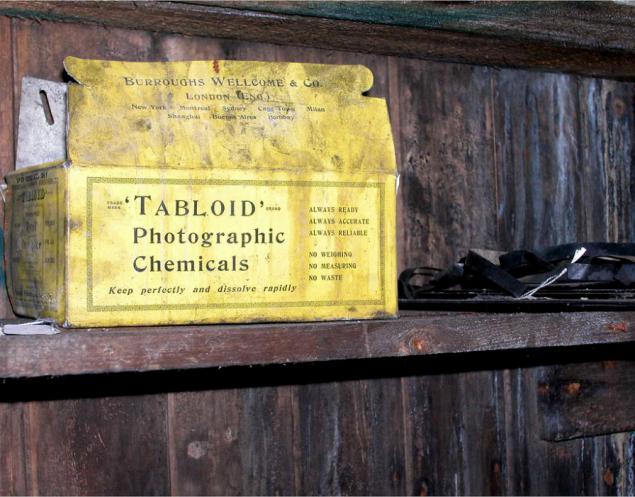
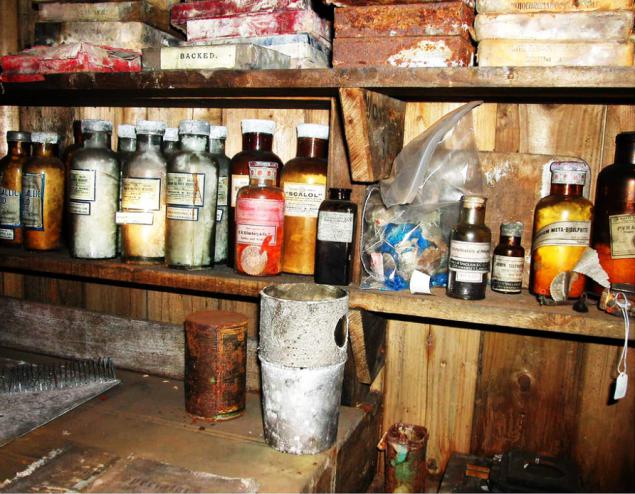
Medications? Fotoreaktivy? Who today plead ...
And this - another camp, camp Shackleton - for it is written just above.
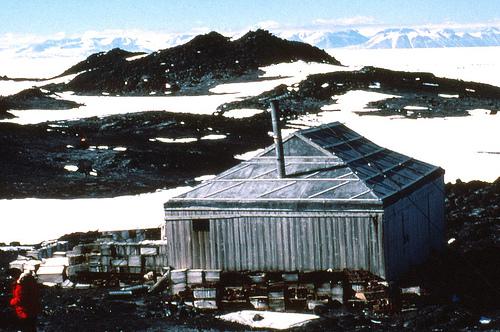
Shackleton's expedition landed in Antarctica January 1, 1908, and at 3 months built a fairly thorough asylum, including stables for ponies (ponies again!)
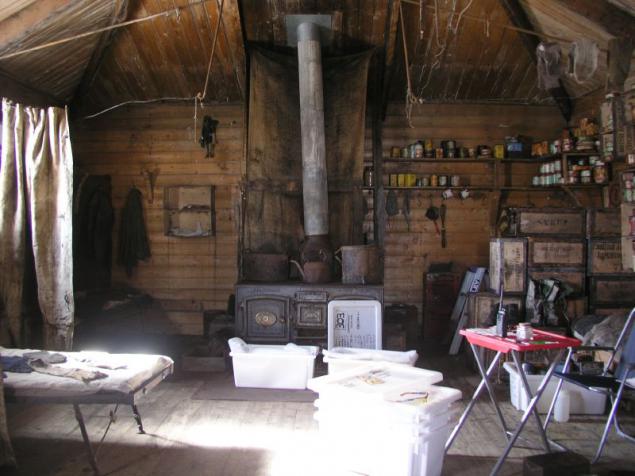
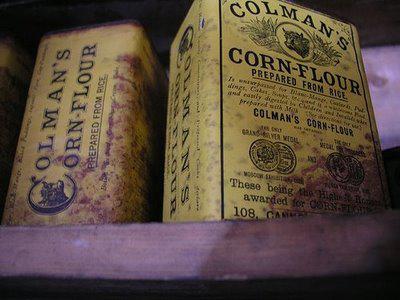
Products are also remained on the shelves.
And on a rope over the stove are still waiting for the home dry, although holey socks.

Some supplies and equipment later was moved, and today is exhibited Fund AHT. These are the keepers of the history of Antarctica.
Matches
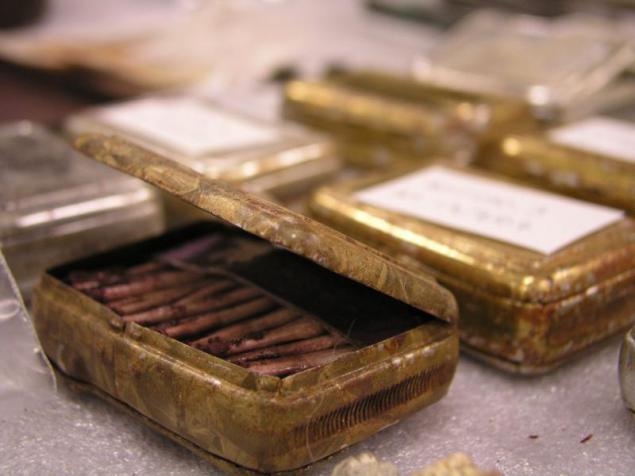
Cookies

Grass shoes. For thermal insulation. It seems that they can not imagine how cold in Antarctica.
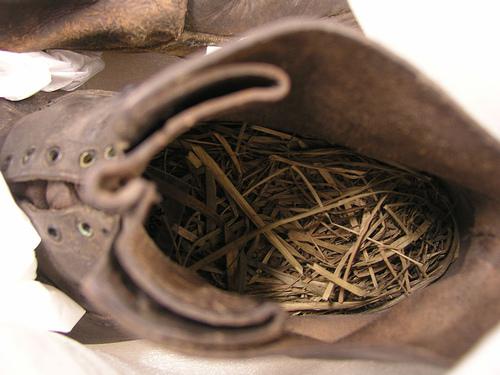
Useful products:
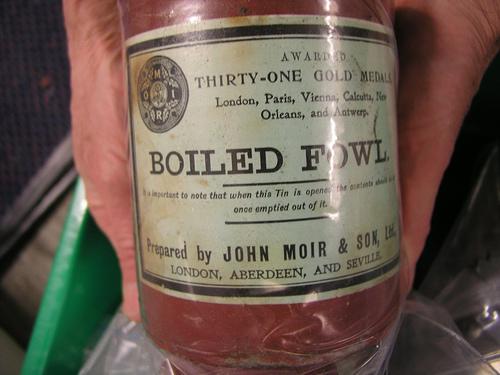
Poultry meat in its own juice
Candles - especially for hot climate (what a smile of fate!)

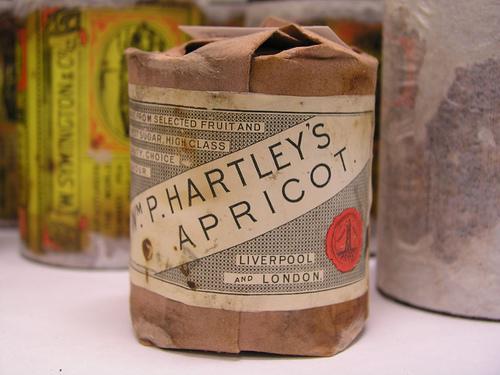
Apricot (dried, apparently)
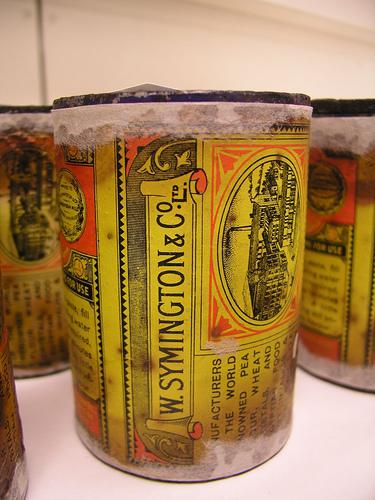
Peas.
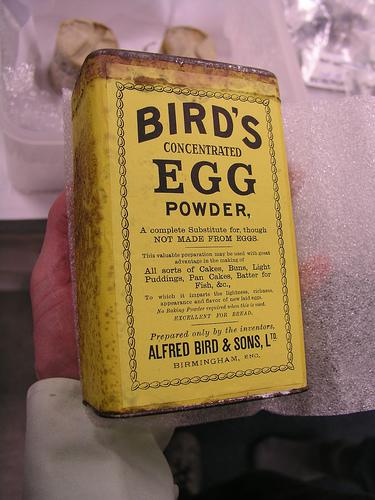
Egg powder is egg
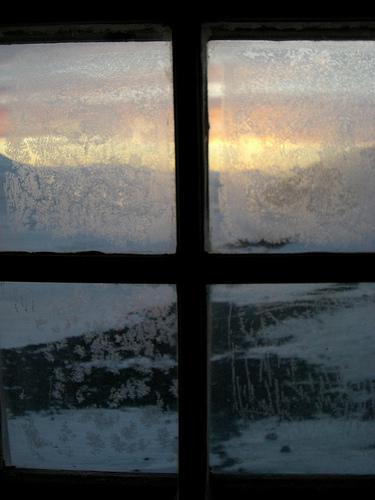
So, eating these biscuits with cocoa, these gentlemen kept looking in the window and a terrible cold ground, where they were soon almost everyone had to take a pretty heavy death. In the name of what is called the spirit of pioneer, and so few people are now clear.
- Source: egland.livejournal.com