1824
Big and small
A great story about how things are. Very, very cool.
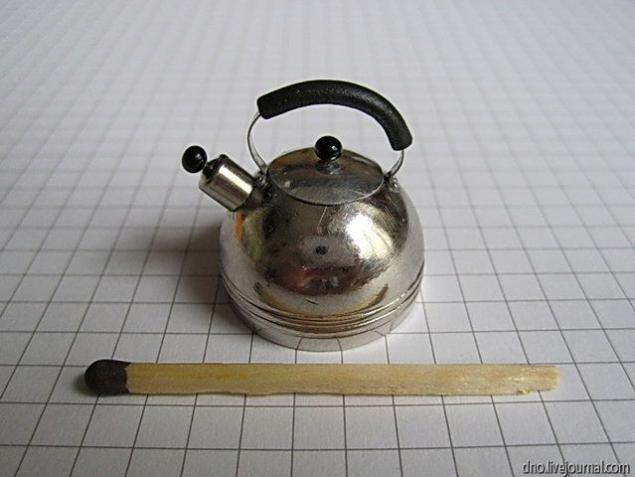
1. Inspect the workpiece from all sides, wondering whether to stop this nonsense, and whether to tie the handle of the drawer into place until your home did not notice her absence.
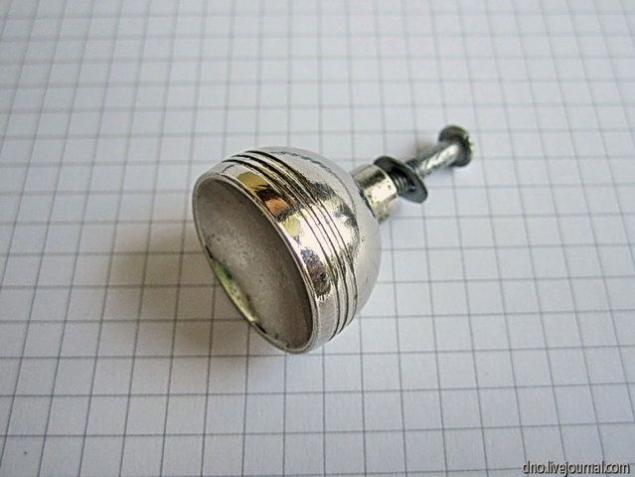
2. Hacksaw saw off the excess extending beyond what is permitted, part of the blank.
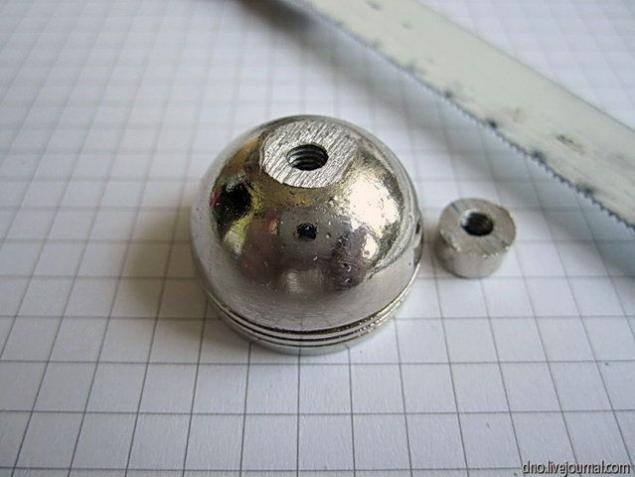
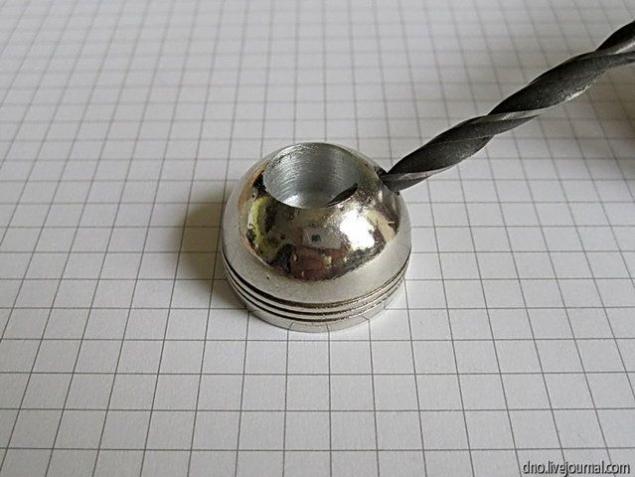
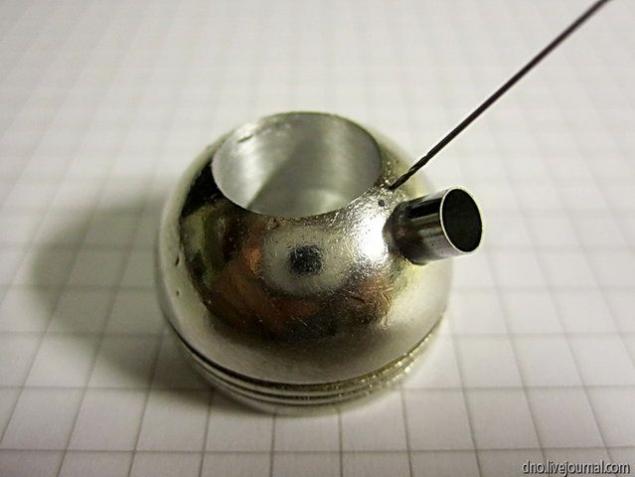
3. drilled inner cavity of the kettle, being careful not to drill through him.
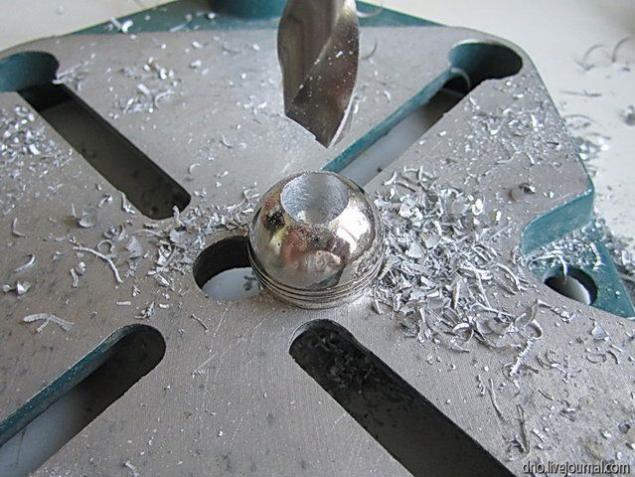
4. Drill a hole under the spout.
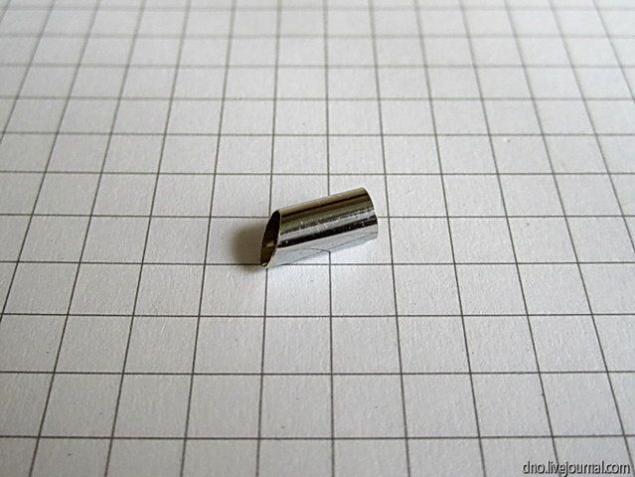
5. From one of the tubes of the telescopic antenna of the radio Scrollsaw spout which silver paint the inside of the marker (Radio antenna household typically made of brass and have a yellow color of the inside).
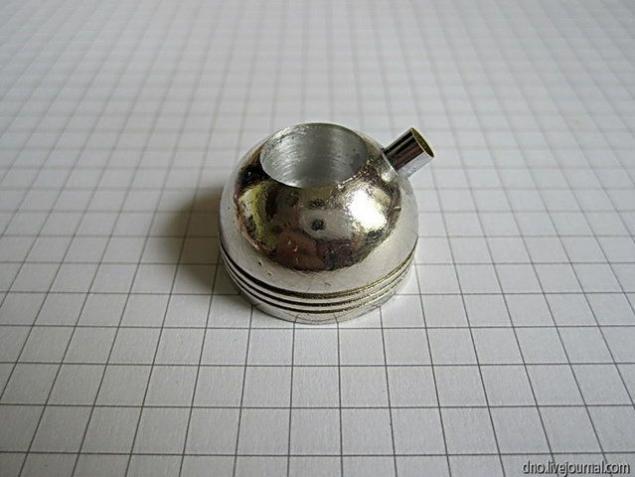
6. epoxy adhesive paste it into the body of the teapot spout.
7. Bank with condensed milk cleaned from the label and the inner content, cut the bottom and cut lengthwise, straighten, obtaining necessary for further experiments tin.
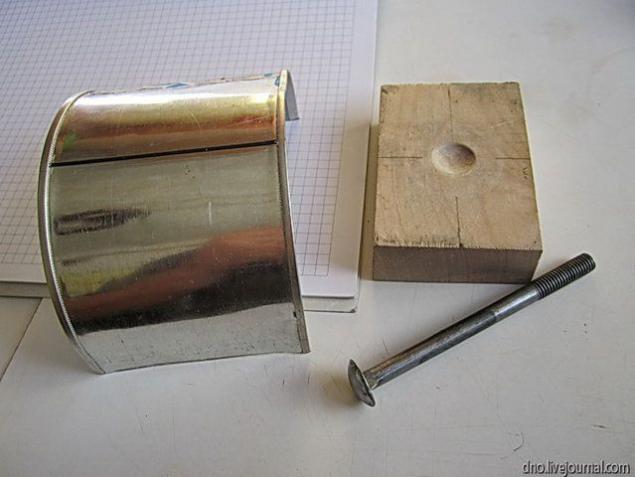
8. hammer blows on the round head screw made of tin forming a blank for the lid, which is then cut with scissors normal office (ordinary scissors do not last as long as tin snips, but several times cheaper and, for small works, much more convenient).
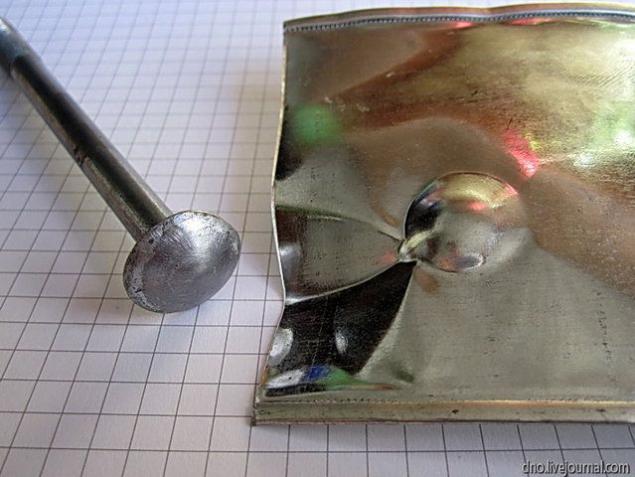
9. In search of the inside of the lid was found that the diameter of the hole in the neck of the kettle is almost the overage battery from children's music books.
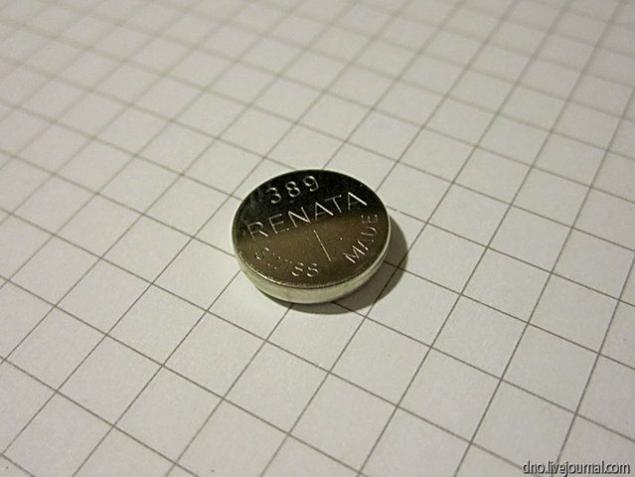
10. Gently nadpilivaem along the battery. Carefully - because, first, you may notice a green, blue or other colored persons from society to protect the battery. Second, inside there are various minerals that it is desirable to dispose of, so they do not fall into the hands and stomachs of our little brothers, middle and high, too.

11. We agree with the battery into two parts. The inside of the delay, it is more useful to us in one of the following projects.
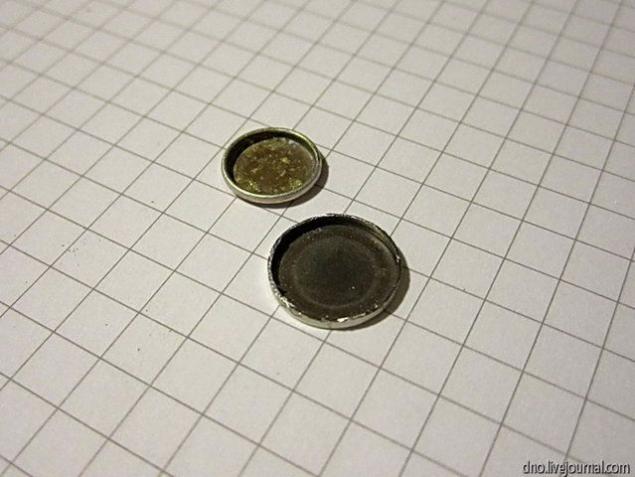
12. In the center of the outside of the battery with a hammer on the needle pliers clamped to do fine holes.
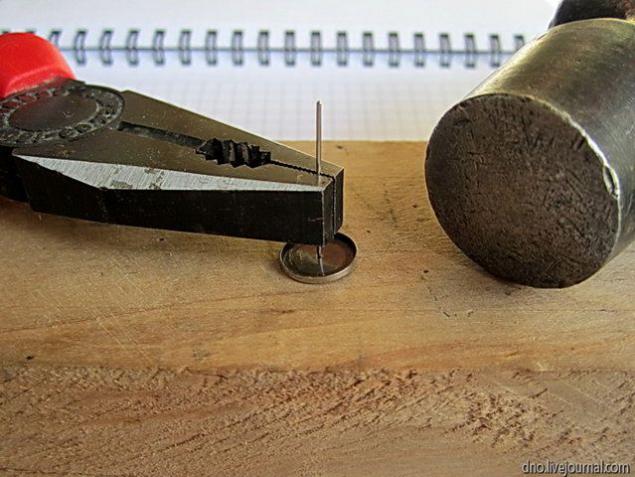
13. Likewise, holes in the cover of our kettle.
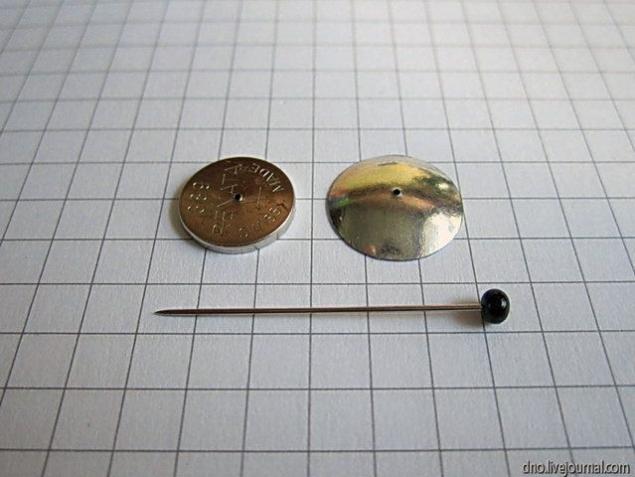
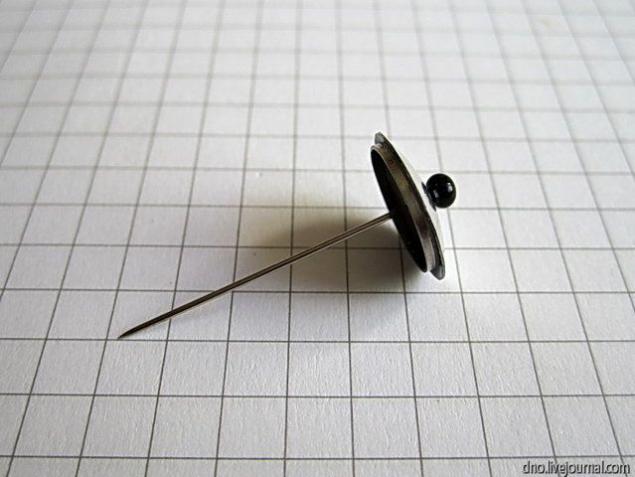
14. Details of the cover glue epoxy glue and placed on a needle, the excess of which, after the glue has dried, nibble cutters.
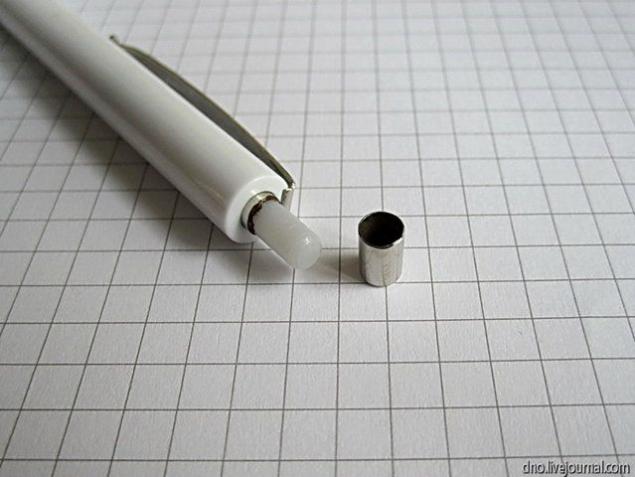
15. From the button automatic ballpoint pen saw off a metal cap from which will be made whistle.
16. To attempt to give the whistle to end semicircular use ball bearing.
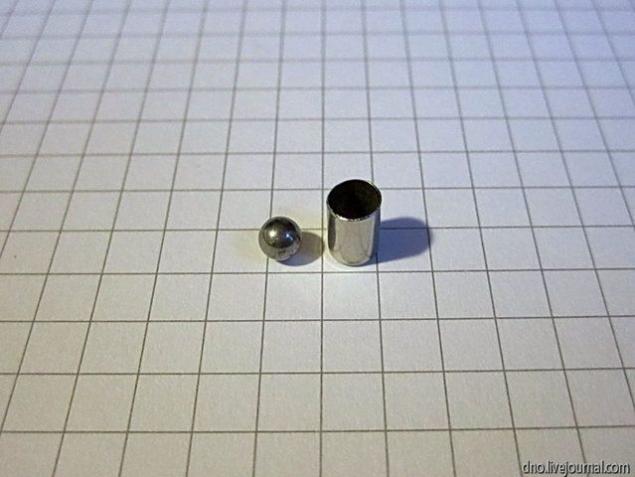
17. The fall of the hammer a nail with a sawed edge, which rests on the ball, extruded hole in the workpiece whistle.
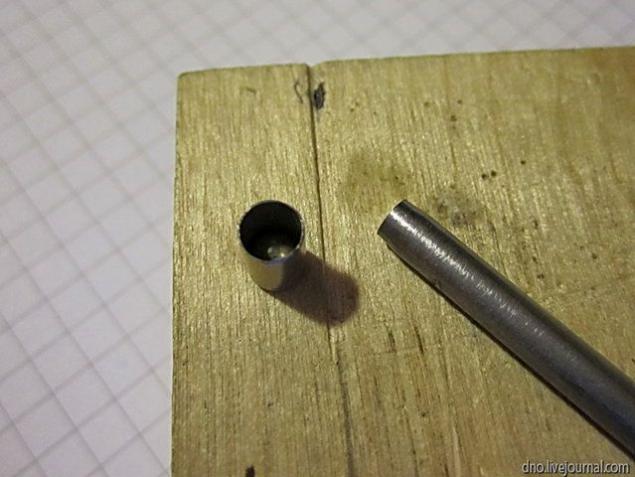
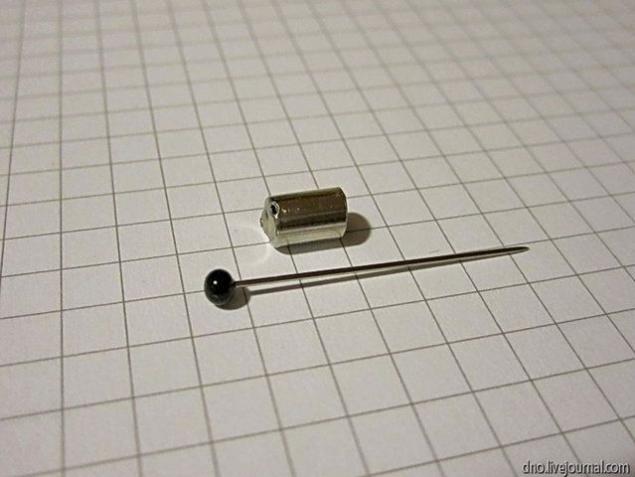
18. In the whistle makes a hole in which a pin is inserted piece (about 1.5mm long) with a ball, as in the lid. From inside the pin is attached with glue. (Mount, I must say, unreliable and came loose during a photo shoot, I'll try to solder).
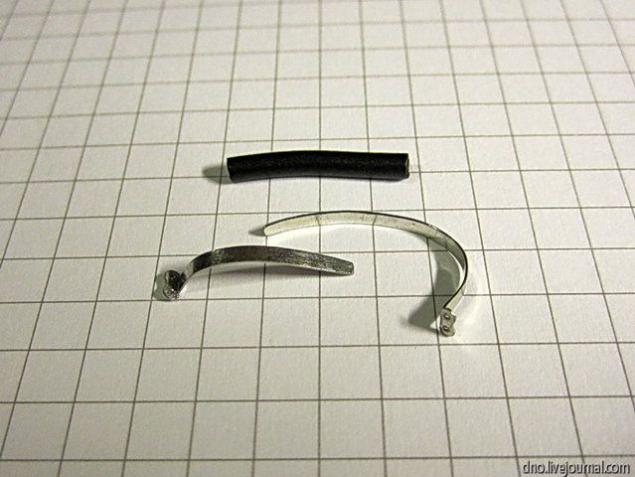
19. In the same sheet of banks cut blanks for pens.
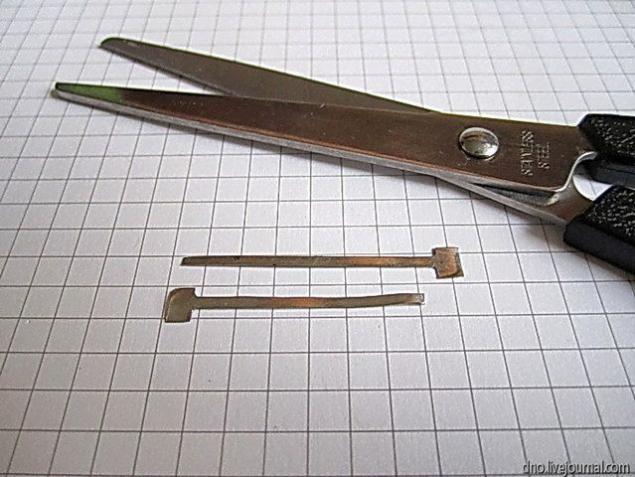
20. Needle bore holes under the rivets and attach needle files detail form, which failed to get a pair of scissors.

21. For a plastic part of the handle of the kettle use a piece of copper wire insulation.
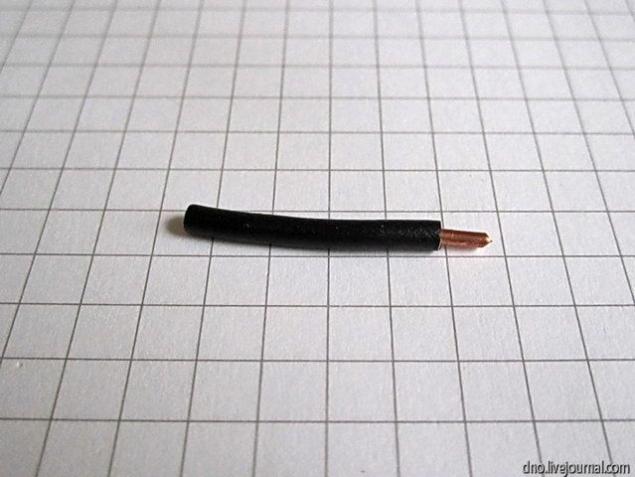
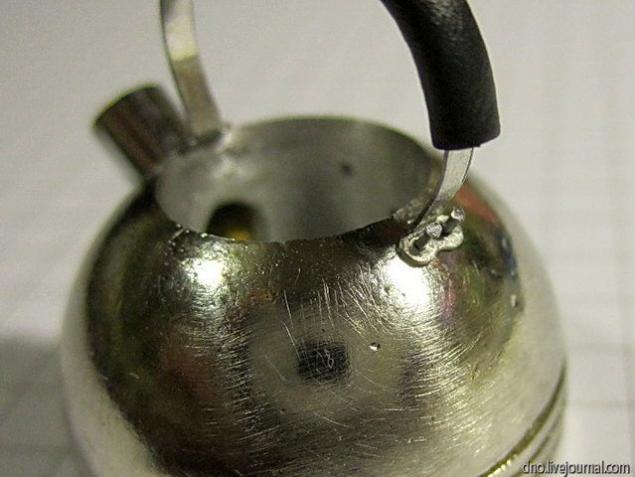
22. We attach the handle blanks required shape and insert them into the tube insulation.
23. fine drill to drill a hole in the hull under the rivets.
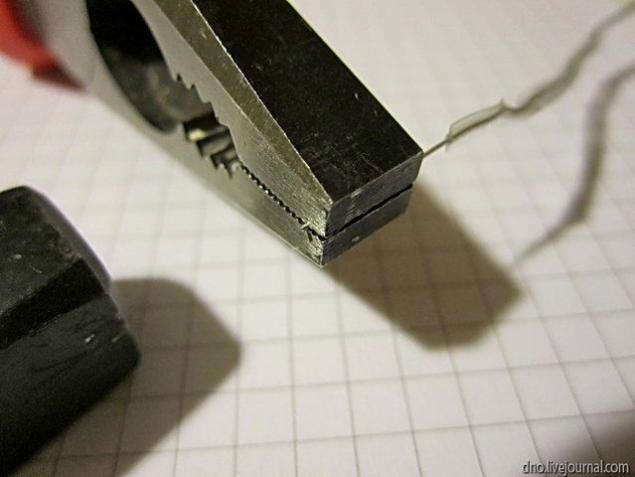
24. Rivets do a wire, for example, from the packaging of toys.
Remove the insulation, hold the wire in the pliers so that the edge of the piece performed no longer than half a millimeter and by tapping with a hammer, trying to form a head.
25. The resulting bites rivet pliers.
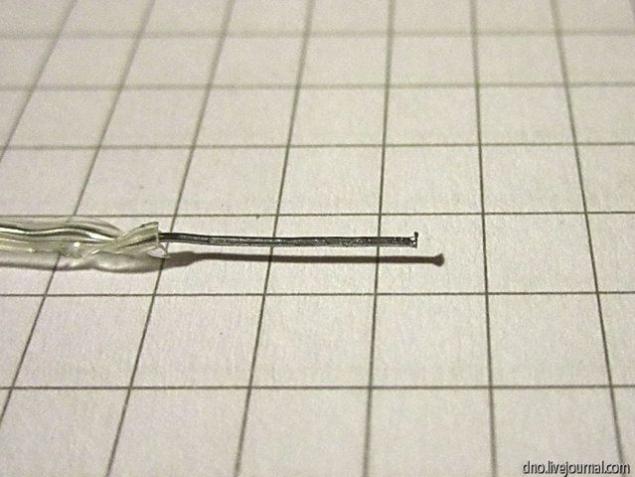
26. This technology is far from perfect and defect rate is large enough, but because it is necessary to make a total of four rivets, subject experiments on rapid manufacturing rivets better next time.
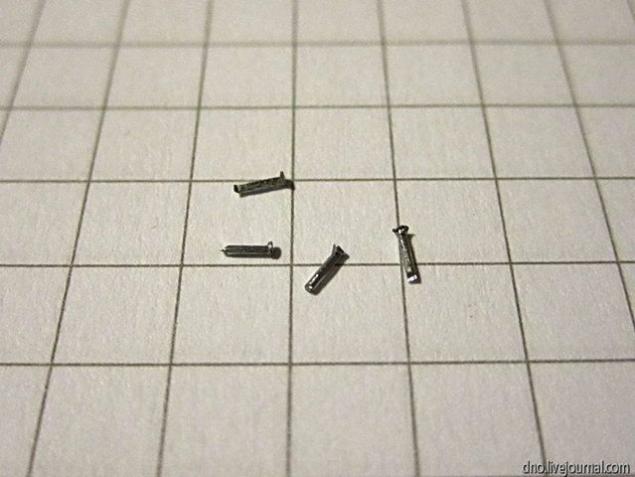
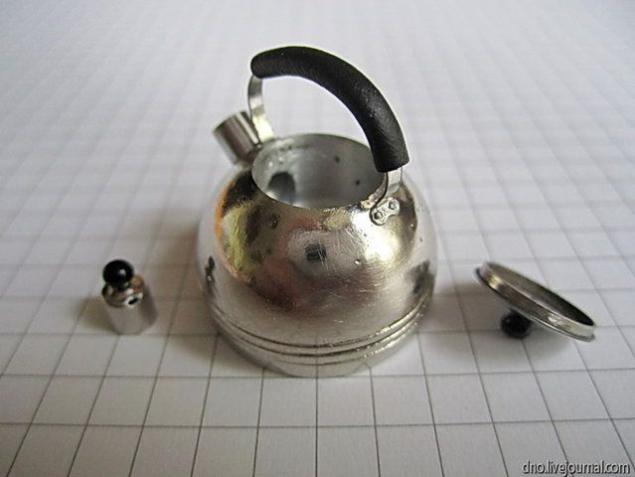
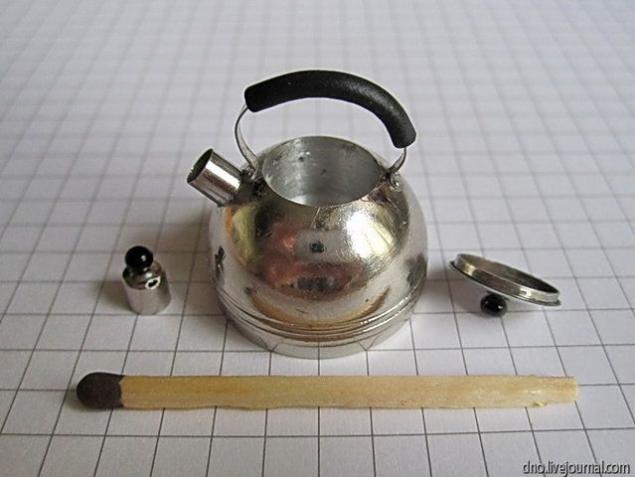
27. The connection to the rivets was not very reliable, but after promazyvaniya rivets epoxy glue, the handle is held firmly enough.
28.
29.
Source