16407
7 Russian insults
The Russian people are sharp on the tongue. For a word, as they say, he will not reach into his pocket. However, once again taking a swear word out of the "lexical pocket", it will not be superfluous to find out about its original meaning. Why did it, in fact, become abusive?
Fool
Perhaps the most common (along with the "feminine" variant is dura) of domestic curses. It must be said that "fools" in Russia appeared relatively recently: this word came into wide use in the second half of the XVII century with the light hand of Archpriest Avvakum. The leader of the Old Believers in his hearts called the admirers of "demonic wisdom": rhetoric, philosophy, logic, etc. Interestingly, the champions of the old faith then began to call "fools" the defenders of the correction of liturgical books during the reform of Patriarch Nikon.
Interestingly, Avvakum spied this word from the skomorokh culture: it was probably the name of one of the gangs of skomorokhs. Linguists believe that "fool" comes from the Indo-European dur (to bite, to sting) and is literally translated as "bitten", "stung". Perhaps the "title" of the fool was associated with the ritual of initiation into buffoons - according to one version, a person should have survived the bite of a viper. By the way, based on this hypothesis, the proverb "a fool sees a fool from afar" most likely originally referred to buffoons. Fools, in the current sense of meaning, are hardly able to identify their own kind.
Riffraff
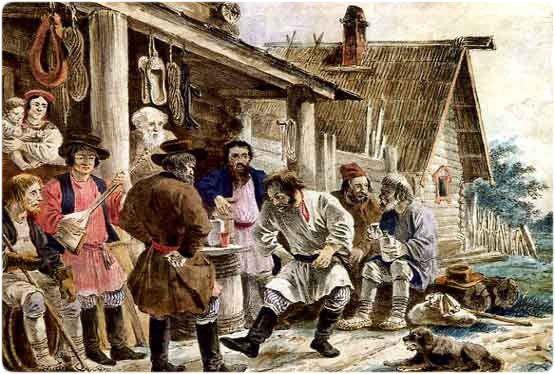
The word comes from the verb "voloch", "to drag". Initially, "bastard" meant "garbage scrambled somewhere". Then this concept began to be transferred to vagrants and other "worthless people".
Scoundrel
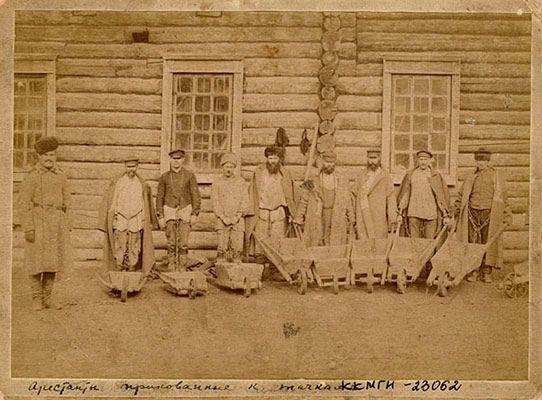
We learned this curse word from the Lithuanians, who used the term "mean" in relation to people with a thin origin. Back in the XVIII century, the word "vile people" was an official term, which in state documents referred to the so-called "irregular" townspeople who were not part of the bourgeoisie. As a rule, they were laborers, guest workers from the villages, living in the city in a semi-legal position (like the "limiters" of the Soviet era). And only at the end of the XVIII century, the words "scoundrel", "bastard" replenished the vocabulary of bourgeois intolerance
Bastard
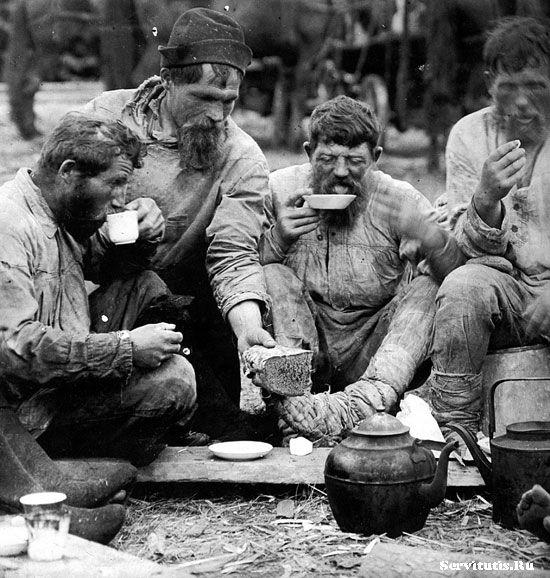
This word (although in the plural form - "scum") peacefully existed in the Russian lexicon for several centuries, meaning only the remains of liquid at the bottom of the vessel. In the XIX century, it was transferred from someone's light, sophisticated hand to the inhabitants of drinking establishments, who prefer to finish drops of strong drinks from other people's glasses. Then the expression "scum of society" appeared: this was the name given to the asocial elements of the city.
Scoundrel
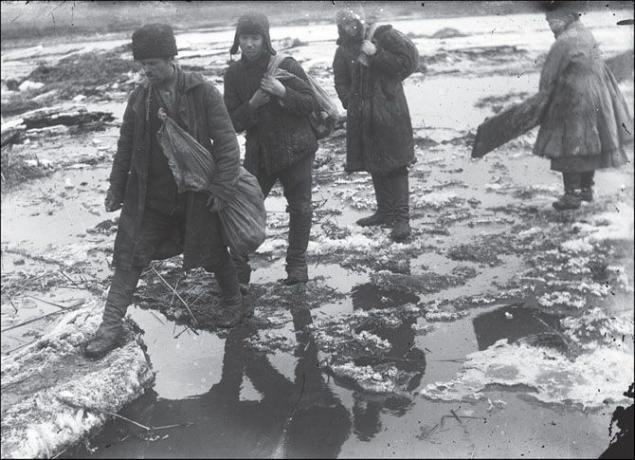
The exact meaning of this word today cannot be explained by any scientist. However, almost all linguists agree that the "scoundrel" (aka "scum") is a relative of the "frost". Of course, it is unlikely that a "scoundrel" can be deciphered as a "frosty person". Even "scumbag", as a variant of translation, also does not fit very well - too much expression, contempt, is usually put into when they say "scum". There is a hypothesis that criminals executed by drowning under the ice were called scoundrels. In the Russian tradition, it was believed that a person who accepted such a death becomes a "hostage dead", that is, doomed to eternal wandering on earth as a ghost or even a ghoul.
Rotter
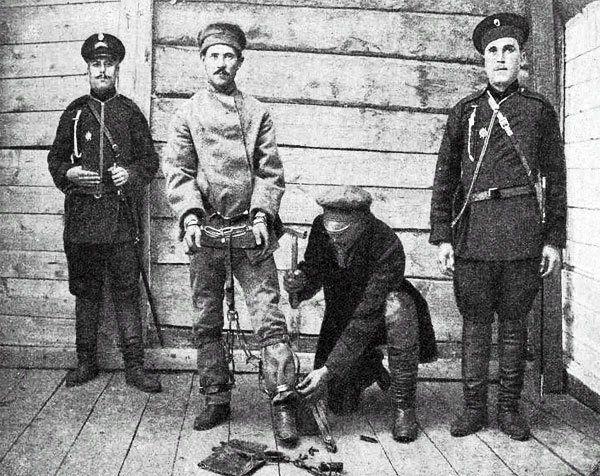
Probably, originally it was used in the meaning of "something flayed" - tree bark, animal skin, etc. Then, as linguists came to the conclusion, "rubbish" began to call something of no value. However, there are exotic versions that claim that the word is somehow related to execution by skinning. In other words, "trash" was called people "worthy" of such an execution.
Cattle
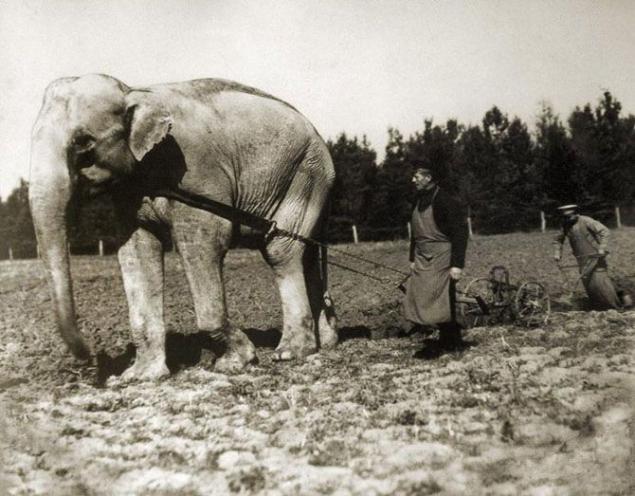
Everything is simple here: "cattle" is translated from Polish as cattle. Arrogant noblemen preferred to call agricultural workers this way. Then the bad habit was passed on to the Russian nobles, and from them it went for a walk in the bourgeois environment. It is interesting that the Czechs, the neighbors of the Poles, use the word "cattle" in the meaning of "shelter", "dwelling". Therefore, if you become a victim of insult with this word, try on the Czech version for yourself.
Source: russian7.ru