10516
Who invented the language of the deaf and dumb?
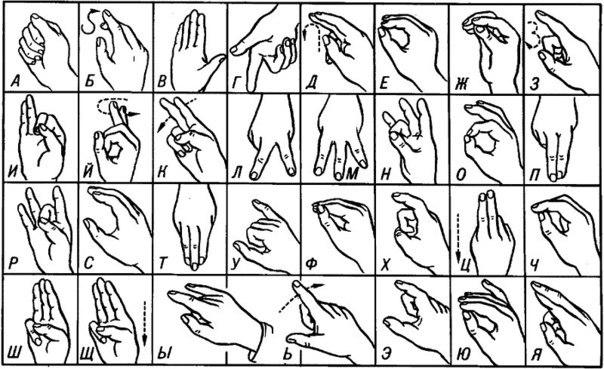
Until the fourteenth century, deaf and dumb people (unable to hear and speak) were severely persecuted. They were considered idiots, mentally retarded, and placed in orphanages or even killed. The Italian doctor Geromino Cardano had the idea to teach the deaf and dumb to write. It was supposed to be a combination of symbols denoting concepts and objects. In the XVII century, the Frenchman Charles de Lepy created the language of signs. It was a system of conventional gestures of the hands and fingers, which made it possible to convey thought. At the same time, the finger alphabet was invented, which was very similar to the modern one. Almost 85 years ago, this was the only way the deaf and dumb communicated – signs, facial expressions and the finger alphabet. Some of them could communicate at a rate of 130 words per minute. But many teachers working with the deaf and dumb began to criticize the language of gestures and fingers. They believe that this isolates the deaf and dumb from communication with normal people. Nowadays, the deaf and hard of hearing learn to understand what is being said by observing the movement of the speaker's lips. They also learn to speak themselves by looking at the lips and other organs involved in speech and repeating their movements.