498
The Lifestyle of Russian Old Believers in Bolivia
For several centuries, Russian Old Believers could not find peace in their native land, and in the XX century many of them finally moved abroad. It was not always possible to settle somewhere near the Motherland, and therefore today Old Believers can be found in a distant foreign country, for example, in Latin America. In this article you will learn about the life of Russian farmers from the village of Toborochi, Bolivia.
Old Believers, or Old Believers, is a common name for religious movements in Russia that arose as a result of the rejection of church reforms in 1605-1681. It all began after the Moscow Patriarch Nikon undertook a number of innovations (correction of liturgical books, change of rites). Dissatisfied with the “antichrist” reforms united Protopope Avvakum. The Old Believers were severely persecuted by both church and secular authorities. Already in the XVIII century, many fled beyond Russia, fleeing persecution.
The stubborn people did not like Nicholas II, and later the Bolsheviks. In Bolivia, a three-hour drive from the city of Santa Cruz, the first Russian Old Believers settled in the town of Toborochi 40 years ago. Even now, this settlement is not found on maps, and in the 1970s there were absolutely uninhabited lands surrounded by dense jungles.
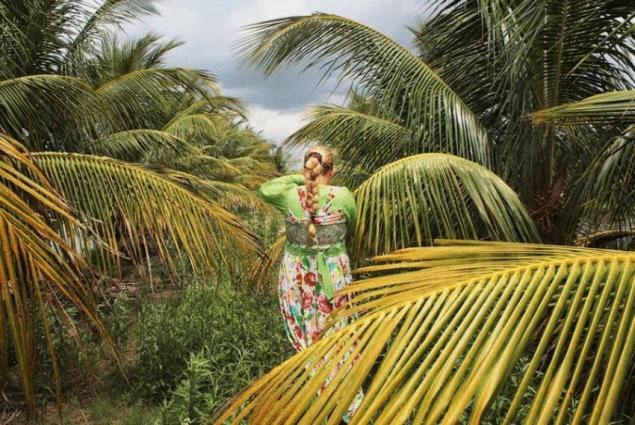
Fedor and Tatiana Anufriev were born in China, and went to Bolivia among the first immigrants from Brazil.
In addition to the Anufrievs in Toborochi live Revtov, Murachev, Kaluginov, Kulikov, Anfilofiev, Zaitsev.
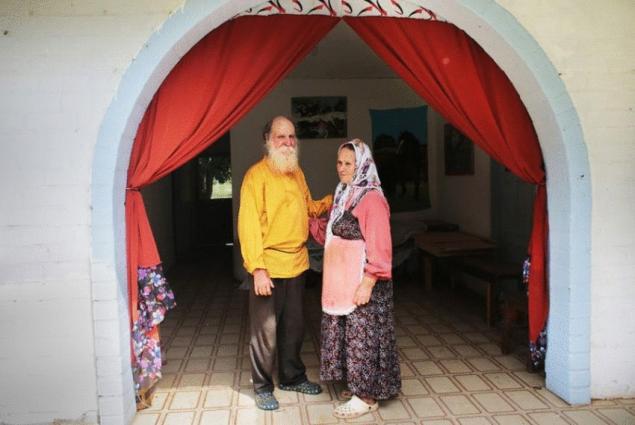
The village of Toborochi consists of two dozen courtyards located at a decent distance from each other.
Most houses are brick.

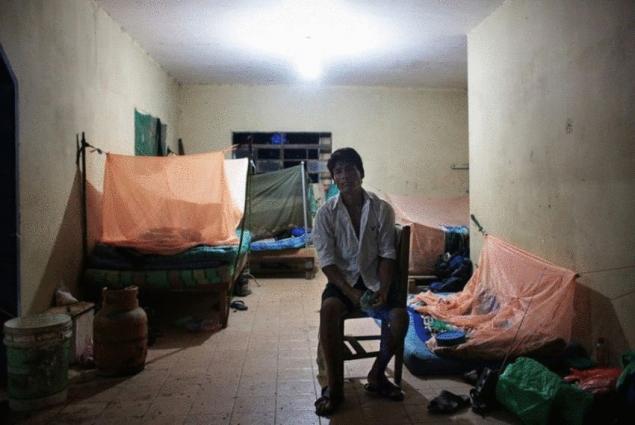
Santa Cruz has a very hot and humid climate, and mosquitoes pester all year round.
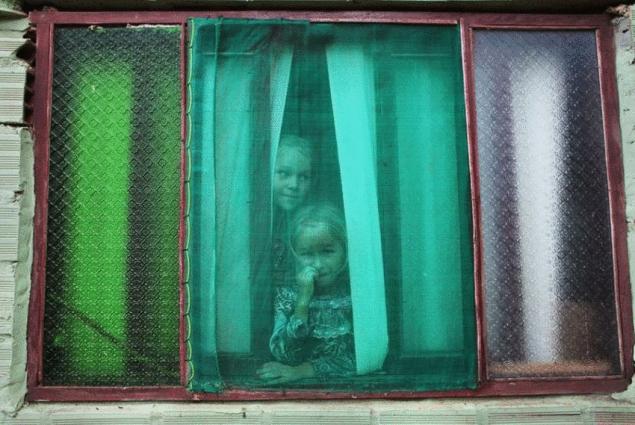
Mosquito nets, so native and familiar in Russia, put on windows and in the Bolivian wilderness.
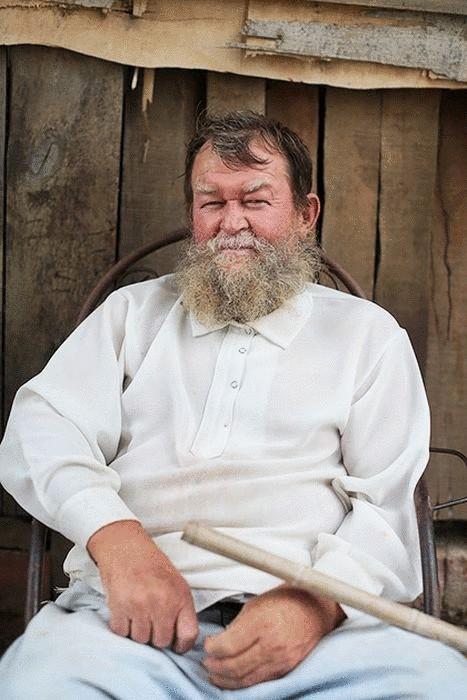
Old Believers carefully preserve their traditions. Men wear shirts with belts. They sew them themselves, but they buy trousers in the city.
Women prefer sundresses and dresses to the floor. Hair is grown from birth and braided into a braid.
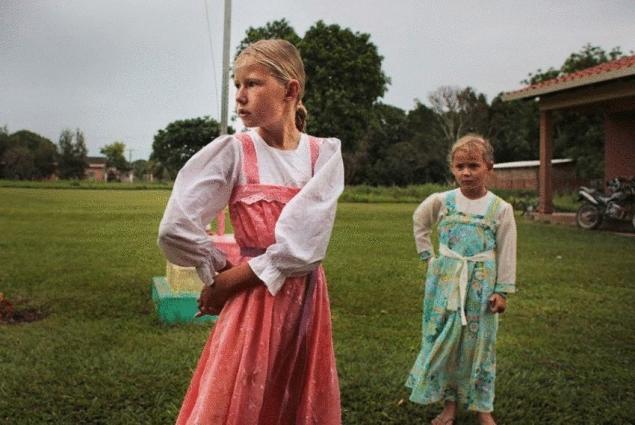
Most Old Believers do not allow strangers to take pictures of themselves, but family albums are in every home.
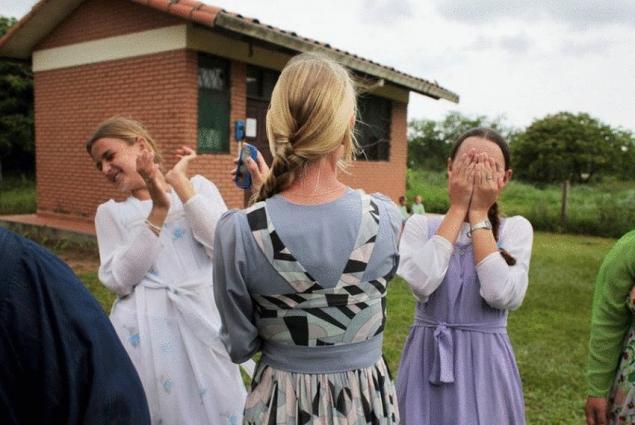
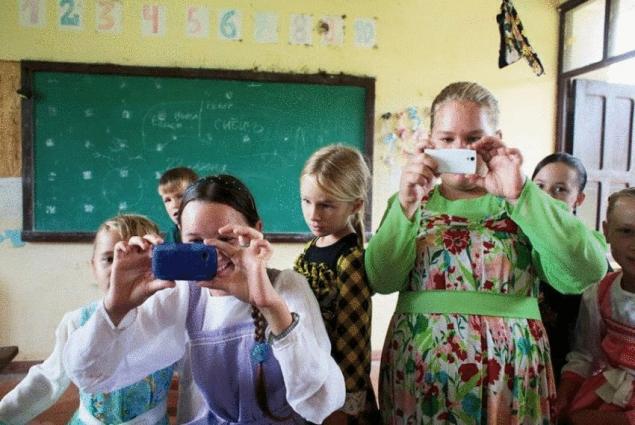
Young people keep up with the times and fully master smartphones. Many electronic devices in the village are formally banned, but you can not hide from progress even in such a wilderness. Almost all homes have air conditioners, washing machines, microwaves and televisions, adults communicate with distant relatives through the mobile Internet.
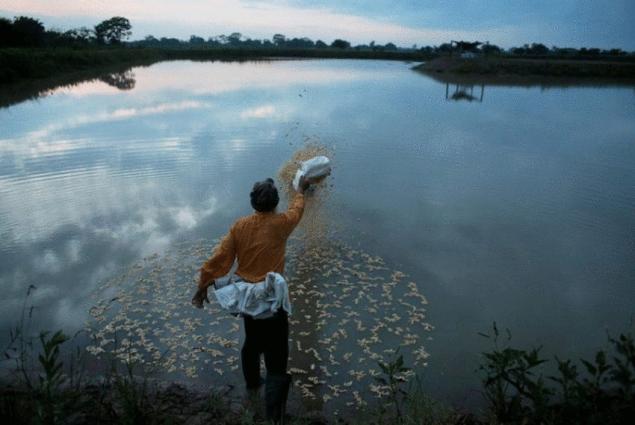
The main occupation in Toborochi is agriculture, as well as the breeding of Amazonian paku fish in artificial reservoirs.
Fish feed twice a day - at dawn and in the evening. The food is produced immediately, in a mini-factory.
On vast fields, Old Believers grow beans, corn, wheat, in the forests - eucalyptus.
It was in Toborochi that the only variety of Bolivian beans, now popular throughout the country, was bred.
The remaining legumes are imported from Brazil.
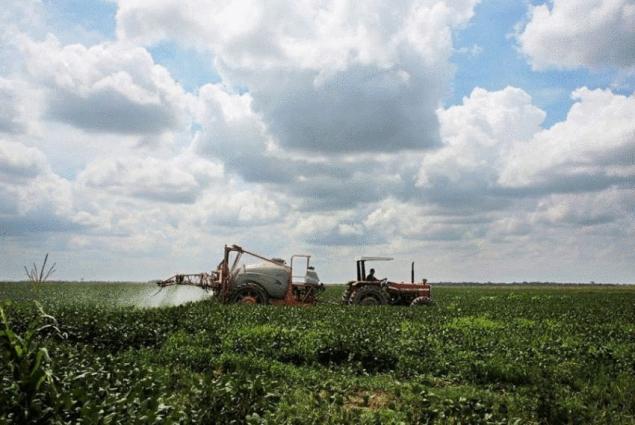
In a village factory, the crop is processed, packed in bags and sold to wholesalers.
Bolivian land bears fruit up to three times a year, and fertilization began only a couple of years ago.

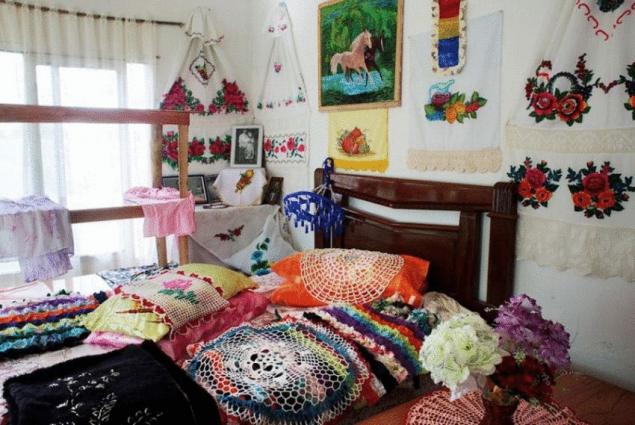
Women are engaged in needlework and housekeeping, raising children and grandchildren. Most Old Believer families are large. The names of children are chosen according to the Psalter, according to their birthday. The newborn is named on the eighth day of his life. The names of Toborochins are unusual not only to the Bolivian ear: Lucian, Cyprian, Zasim, Fedosya, Kuzma, Agripen, Pinarita, Abraham, Agapit, Palagea, Mamelfa, Stefan, Anin, Vasilisa, Marimia, Elizar, Inafa, Salamania, Selivester.
Residents of the village often encounter representatives of wildlife: monkeys, ostriches, poisonous snakes and even small crocodiles that like to eat fish in the lagoons.
For such cases, the Old Believers always have a gun ready.

Once a week, women go to the nearest city fair, where they sell cheese, milk, pastries.
Cotton and sour cream have never taken root in Bolivia.
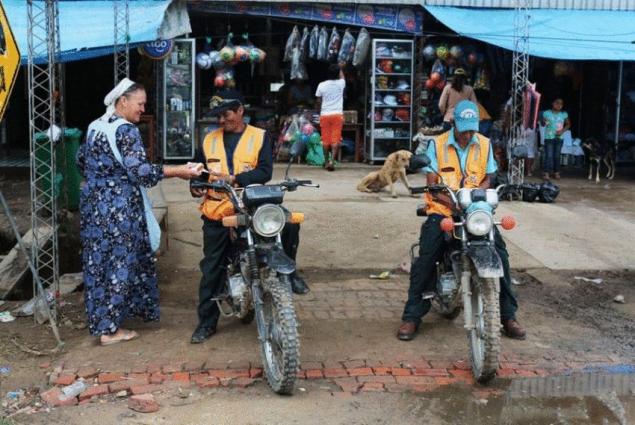
To work in the fields, the Russians hire Bolivian peasants called Kolyas.
There is no language barrier, since the Old Believers, in addition to Russian, speak Spanish, and the older generation has not yet forgotten Portuguese and Chinese.
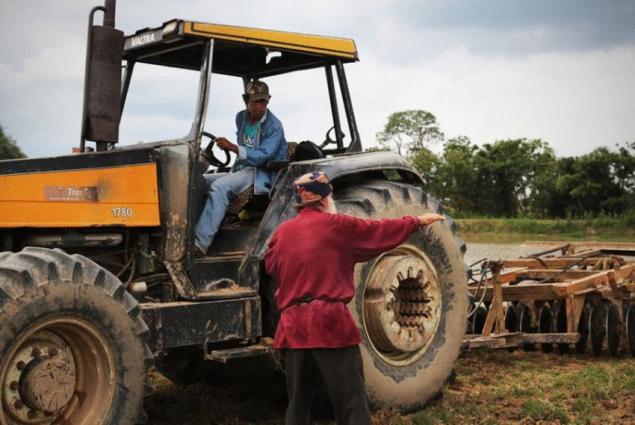
By the age of 16, boys gain the necessary experience in the field and can get married.
Old Believers strictly prohibited marriages between relatives up to the seventh generation, so brides are sought in other villages of South and North America. Russia is rarely reached.
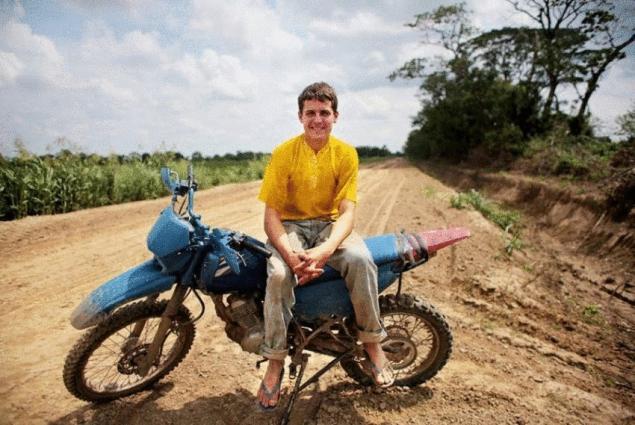
Girls can marry when they reach the age of 13.
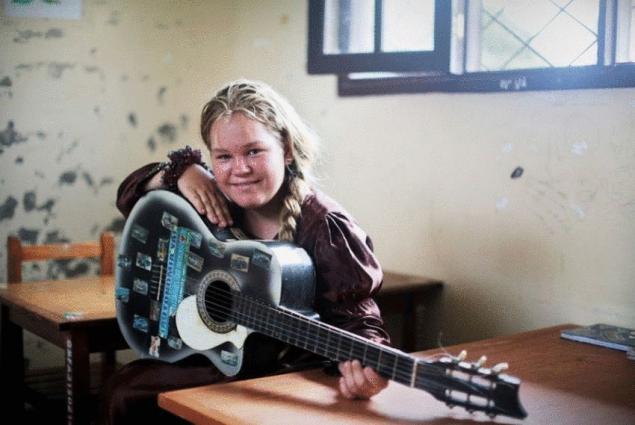
The first "adult" gift for a girl - a collection of Russian songs, from which the mother removes
Another copy and a gift to my daughter for her birthday.

Ten years ago, Bolivian authorities funded the construction of a school. It consists of two buildings and is divided into three classes:
children 5-8 years old, 8-11 and 12-14 years old. Boys and girls learn together.
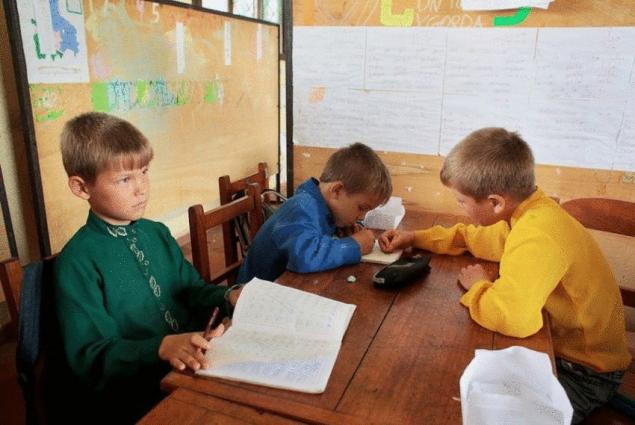
There are two Bolivian teachers at the school. The main subjects are Spanish, reading, mathematics, biology, drawing.
Russian is taught at home. In oral speech, Toborochintsy used to mix two languages, and some Spanish words completely supplanted Russian. So, gasoline in the village is called as "gasoline", the fair - "feria", the market - "mercado", garbage - "basura". Spanish words have long been Russified and bowed according to the rules of the native language. There are also neologisms: for example, instead of the expression “download from the Internet”, the word “descargar” is used from the Spanish descargar. Some Russian words commonly used in Toborochi have long since fallen out of common use in modern Russia. Instead of “very” Old Believers say “big”, the tree is called “forest”. The older generation mixes the Portuguese words of the Brazilian spill with all this diversity. In general, the material for dialectologists in Toborochi is for a whole book.
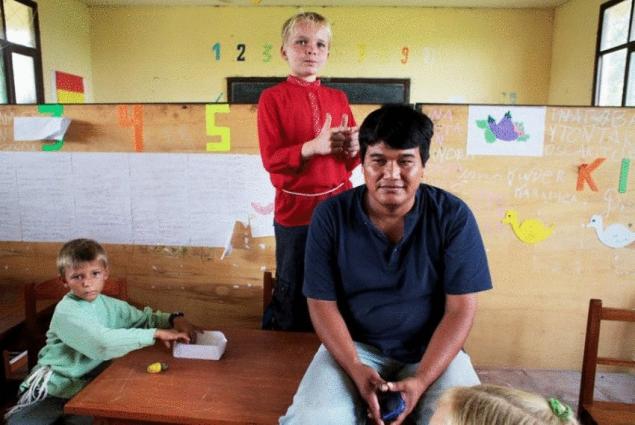
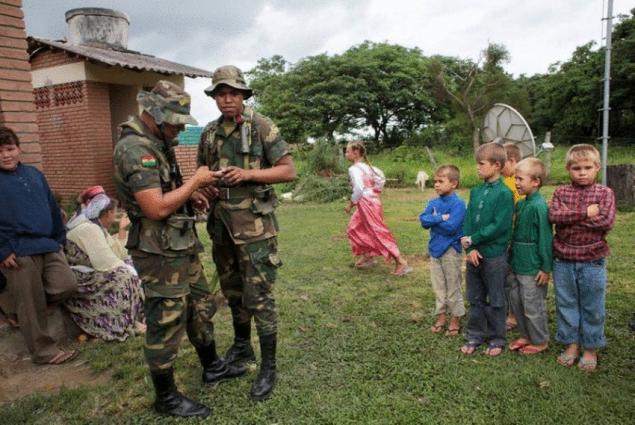
Primary education is not compulsory, but the Bolivian government encourages all public school pupils: once a year, the military arrives, paying each pupil 200 bolivianos (about $30).
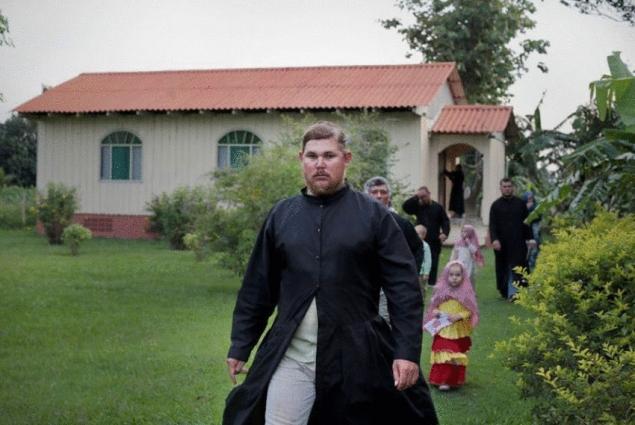
Old Believers attend church twice a week, excluding Orthodox holidays: services are held on Saturday from 17 to 19 hours and on Sunday from 4 to 7 in the morning.
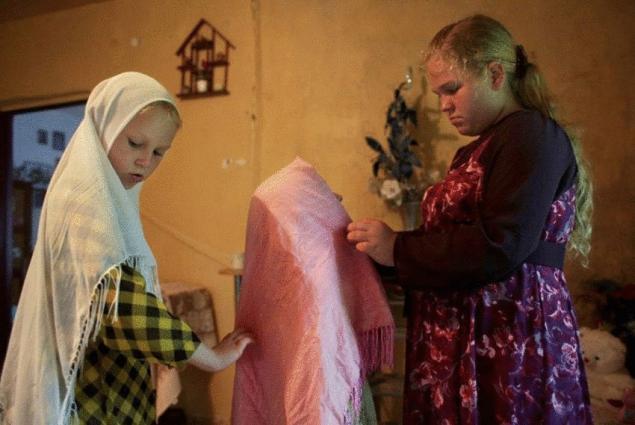
Men and women come to church in clean clothes.
The black cape symbolizes the equality of all before God.
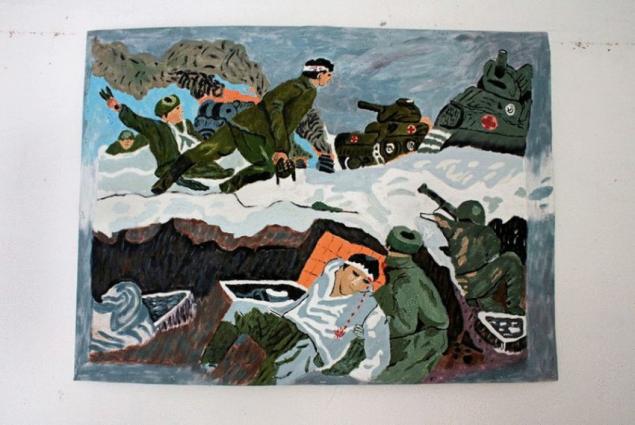
Most South American Old Believers have never visited Russia, but they remember their history, reflecting its main moments in artistic creativity.
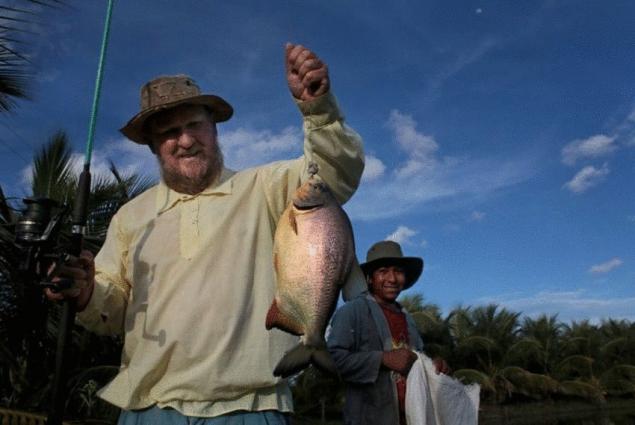
Sunday is the only day off. Everyone goes to visit each other, men go fishing.
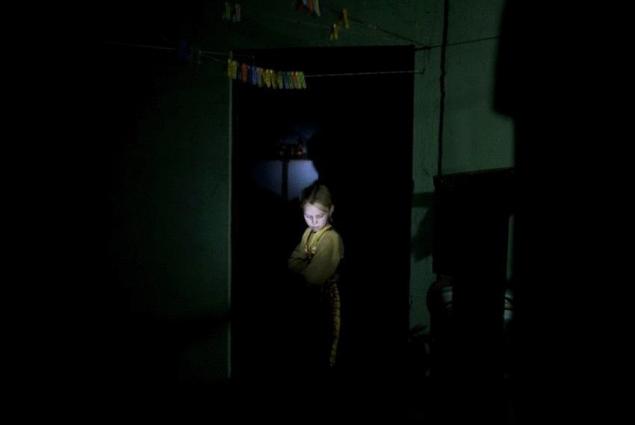
It gets dark in the village early, go to bed by 10 p.m.
Source:http: fishki.net
Source: /users/1077