1272
Saturn
Launched on NASA's Cassini spacecraft has traveled more than seven years, since 1997, the year before you get to the planet Saturn. Here, in the orbit of the planet, he spent more than nine years, during which made thousands of pictures.
Saturn - the planet is unique, which has several dozen satellites in orbit confirmed. Do not forget about the rings of Saturn have become "business card" of the planet. See below for the most memorable images taken by the device Cassini.
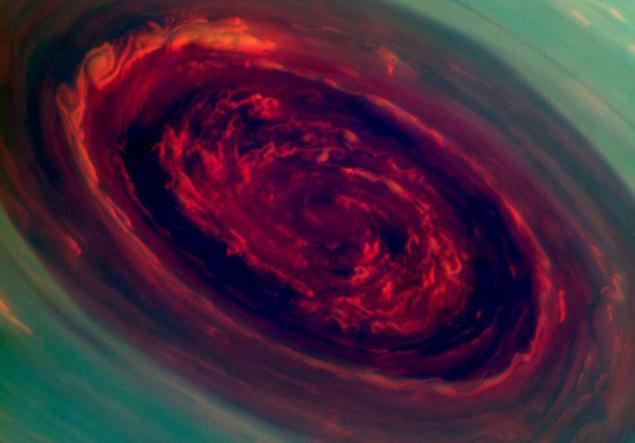
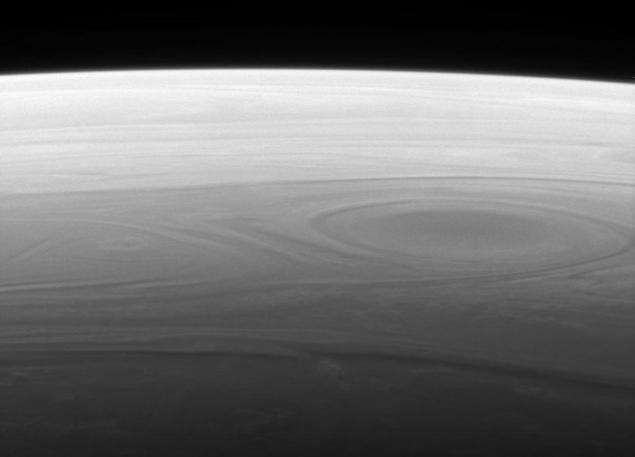
Polar Storm.
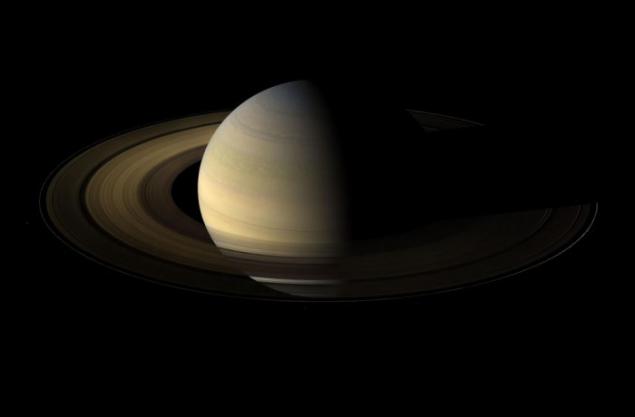
The equinox on Saturn.
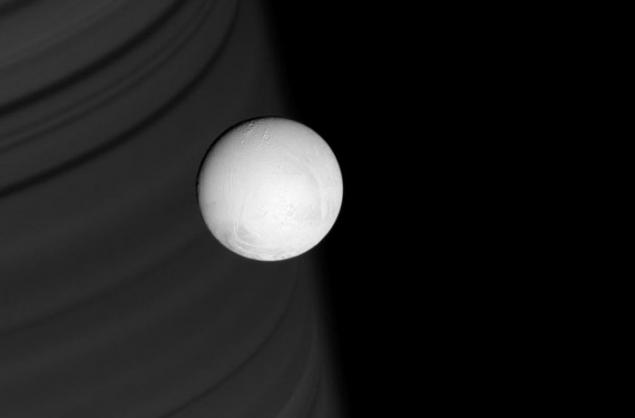
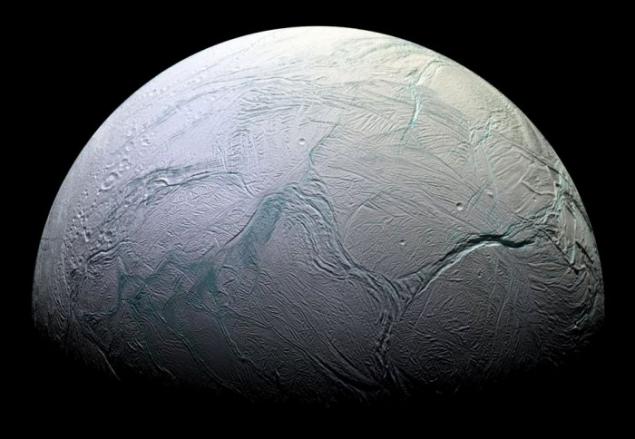
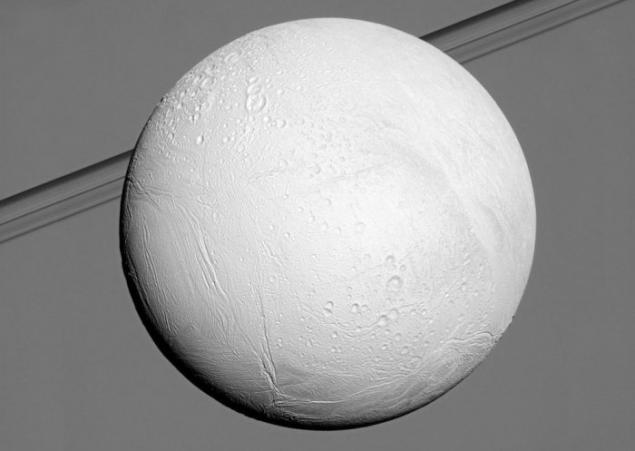
The satellite Enceladus.
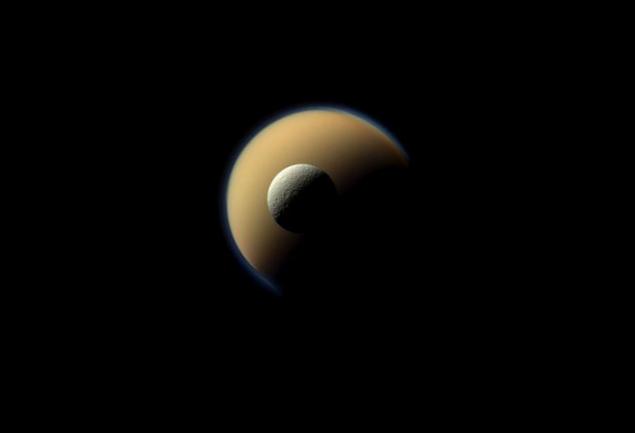
The satellite Titan (the largest) and the satellite Rhea (the second largest).
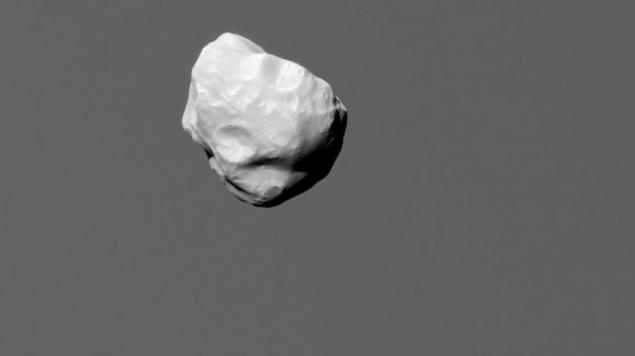
The smallest satellite - Helen. A total of 33 kilometers in diameter.
Satellite near Dion.
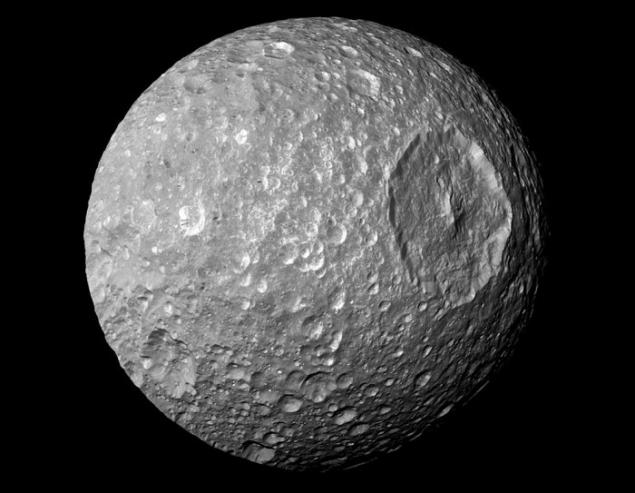
The satellite Mimas and the largest crater Herschel.
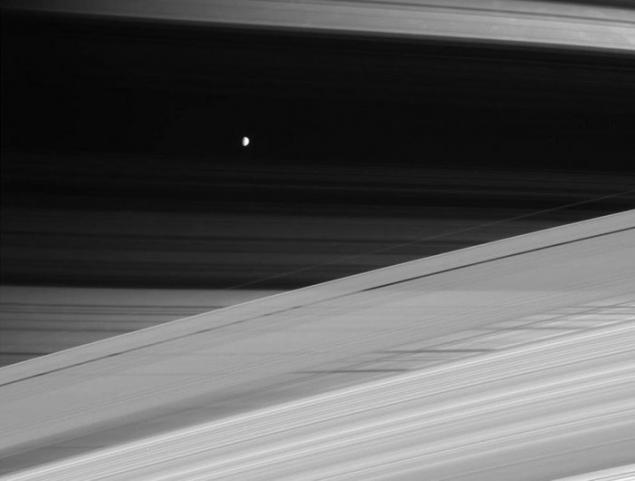
The same Mimas against the backdrop of Saturn's rings.
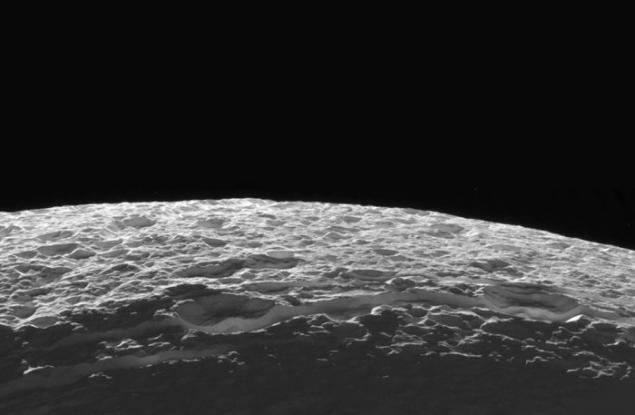
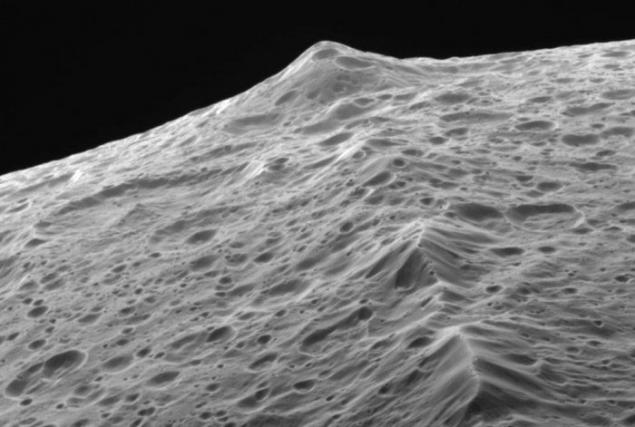
Mountain peaks on the equator of Iapetus satellite.
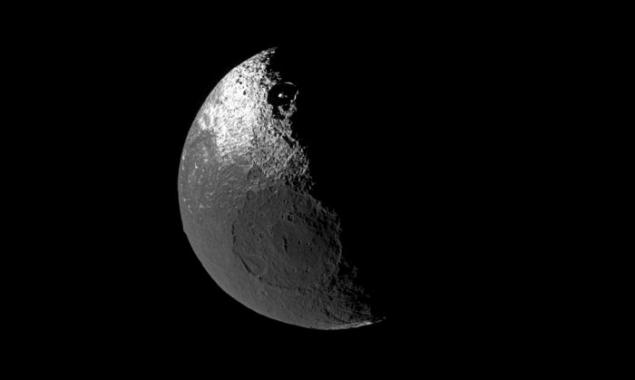
His dark and light sides.
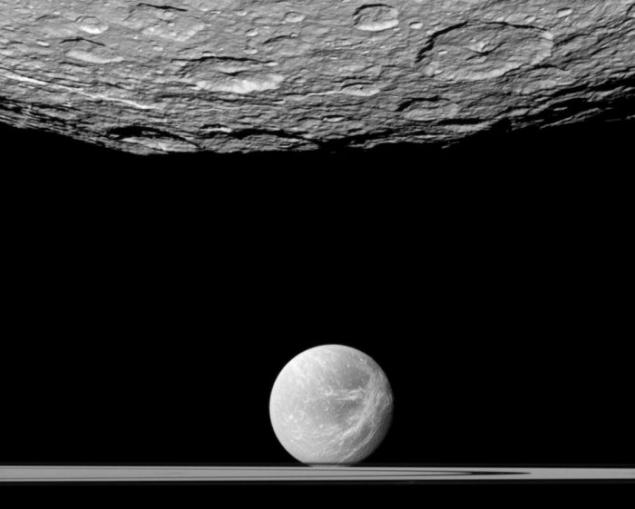
Satellite Ray (above), the satellite Dione (middle), and the rings of Saturn (at the bottom).
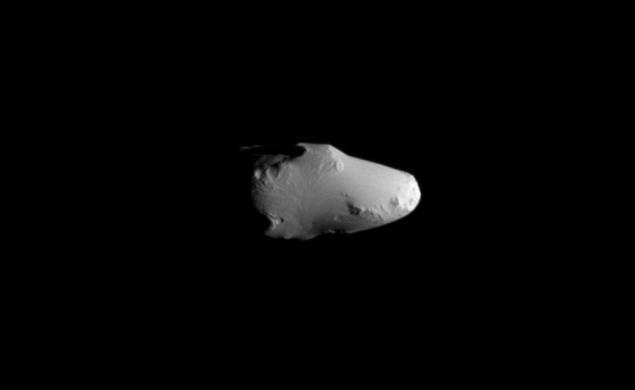
Satellite Calypso.
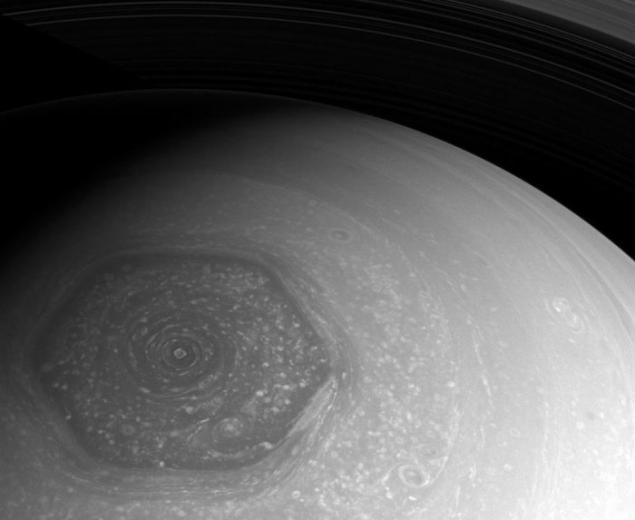
Mysterious Hexagon sulfuric pole of Saturn.
Luxurious photo satellite Enceladus.
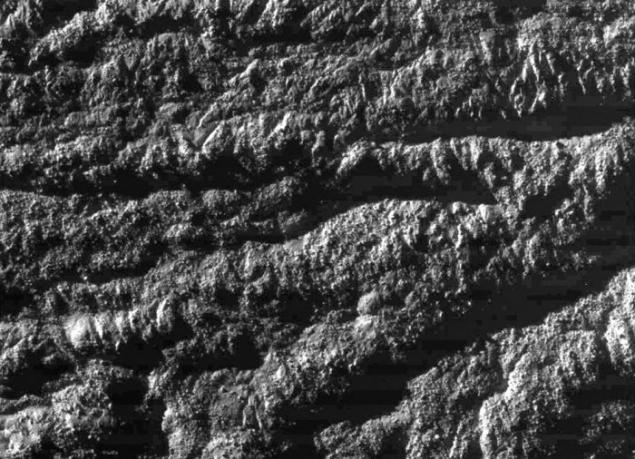
An approximate picture of the moon's surface from a distance of about 1,600 kilometers.
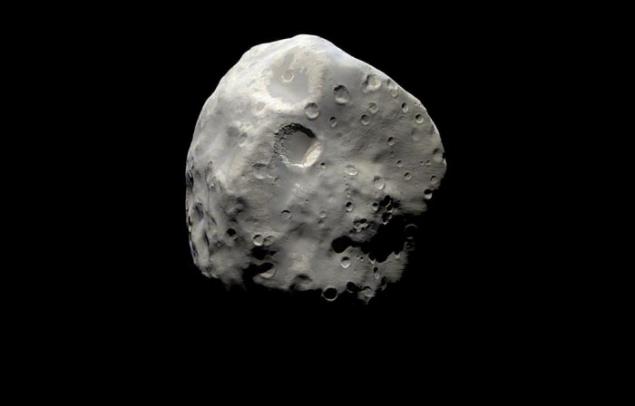
Satellite Epimetheus. The distance between the orbit of the satellite, and Janus, is less than 50 kilometers. This allowed scientists to make mistakes and to assume that they face the same satellite.
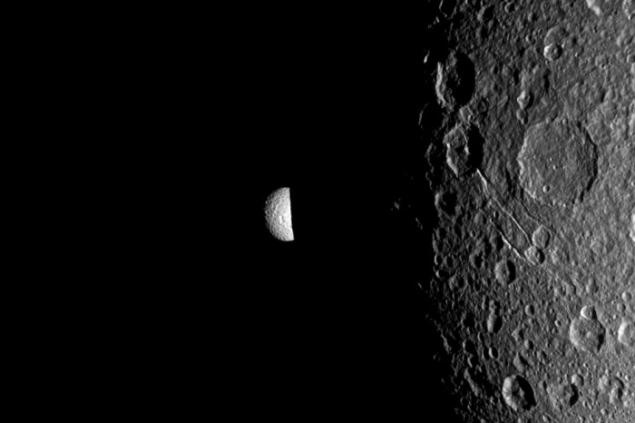
Mimas peeks out from behind Dione.
Against the backdrop of Saturn's moon Enceladus.
Boundless Horizons Saturn.
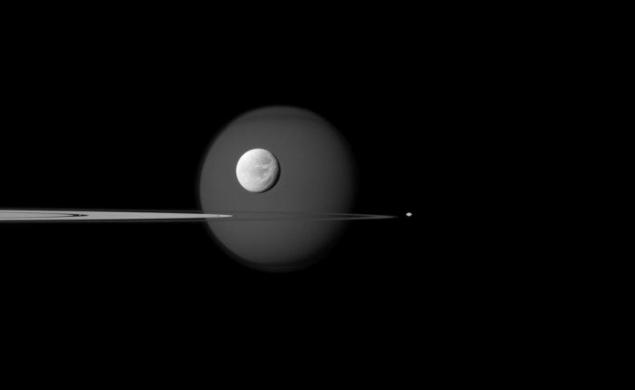
The combination of the rings of Saturn satellite Titan (in the background), Dione (light body on the background of the Titan), Pandora (right from the edge of the Rings) and Pan (inside the division of Encke, in the image, a bright spot on the left against the dark layer of the ring). < br />
Satellite near Dion (12 000 km) on the background of Saturn.
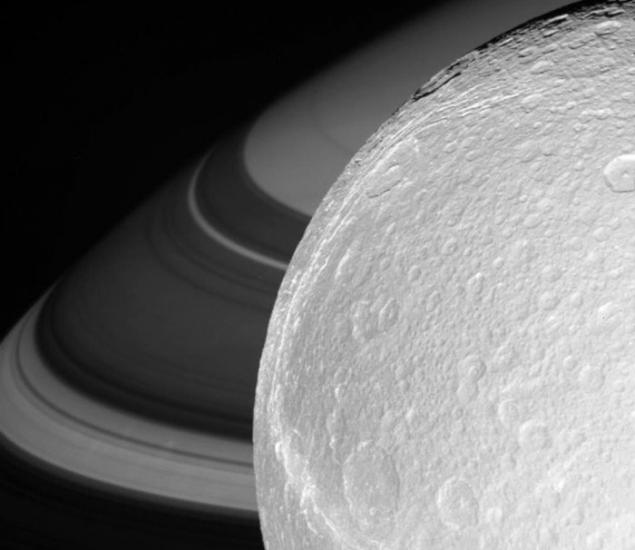
Photo by NASA