839
Plants and styles: cheat sheet for beginner landscape designers
If you plan to design an interesting garden plot, one of the best solutions is to stick to a certain style. The style of the garden is its semantic image, concept, leitmotif. He has his own canons and attributes, and in it, as they say, everything has already been selected, and competently and with taste. There are many such styles (not three, as is commonly believed). And each provides ample opportunities and a variety of options for execution.
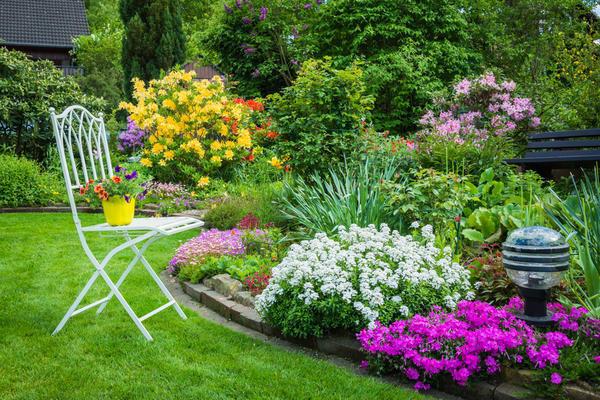
Well, since we are talking about the garden, the first violin is played by plants. They make the garden a garden. Therefore, the style is primarily determined by them, and only then by architectural forms. Everyone has their own flowers, shrubs and trees. Of course, many of them are versatile and fit many styles at once. But the point is not even in the choice of specific species and varieties, but in their combination. The right combination of plants is the main secret of creating a garden style.
Therefore, today I offer you my “navigator” in the most spectacular styles and their plants.
Alpine Garden
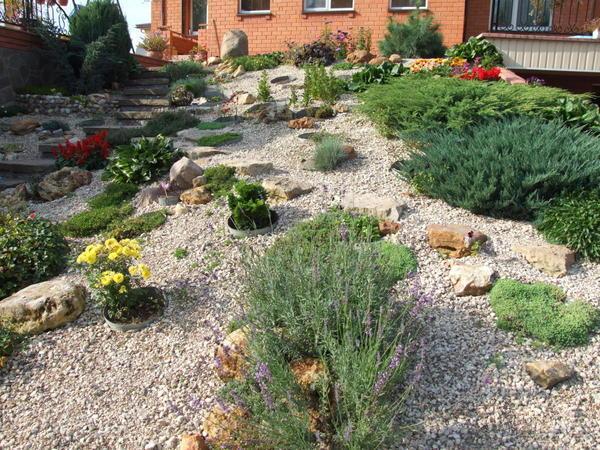
This garden looks like an alpine slide, it reproduces a mountain landscape. Its feature is the use of a large amount of natural stone. Such a garden, as a rule, is characterized by uneven relief or is on a slope. If the area is flat, the relief is created artificially. Most of the plantations in the alpine garden are low, preference is given to coniferous plants.
Perennials and flowers:
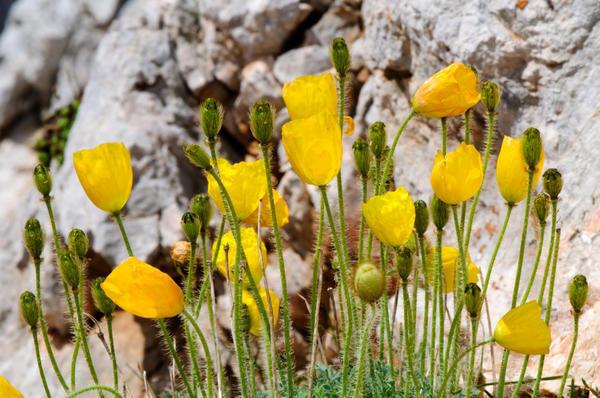
Ferns, wormwood, hosts, alissums, armeria, soapberry, fiery carnation, cereals, pellets, shyloid flox, alpine asters, alpine poppy, Carpathian bell, lion's yawn, kniffofia, crocosmia, lupins, astilbes, thyme, stone breaker, creeper, lilies, rudbecia, echinacea, zinnia, as well as perennial astronica, balacons, balacons, balacons, balacons, balacons.
Shrubs:
soil-covered and weavey roses, heather, honeysuckle, kalina bulldenezh, lilac, blackberry, barberry, hydrangea, all garden berry shrubs, spirea, Japanese quince.
Liane:
Maiden grapes and clematis.
Trees:
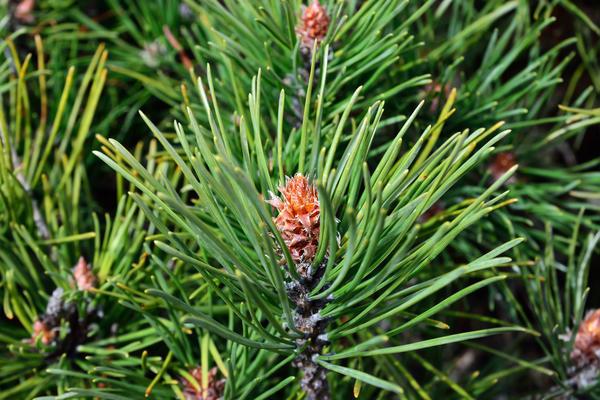
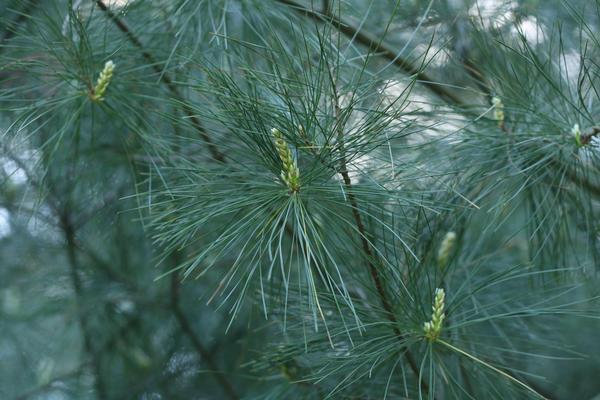
all conifers, mostly low: mountain pine, pyramidal and creeping junipers, spruce Canadian Konica, thuya. Suitable single plantings of fruit crops, including the spreading forms of apple trees.
English style
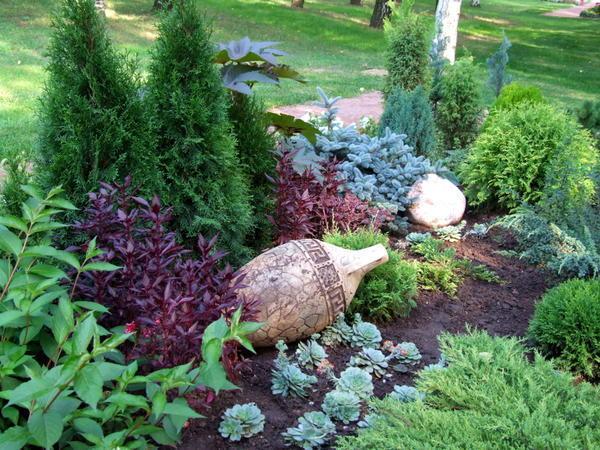
It gives the impression of an old English manor with the same lawn that has been trimmed for 300 years. Elegance with elements of classics, but without regularity and symmetry. You could say a landscape classic. The garden in the English style is not full of bright colors, the first violin is played by leaves and herbs.
Perennials and flowers:
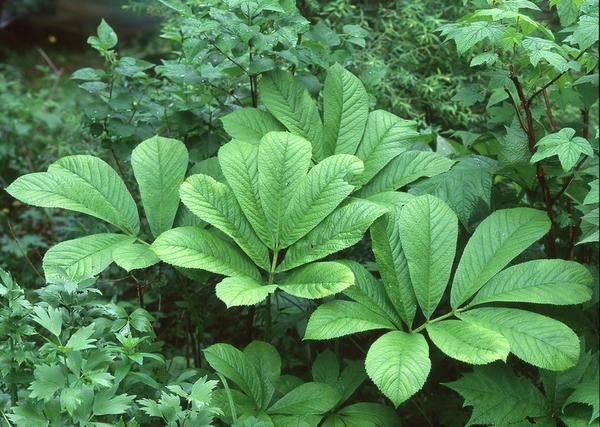
ferns, hosts, rogeria, aquilegia (collection), badan, dolphinium, foxglove, bows (alliums), including giant, rhubarb, fluxes, wormwood.
For the design of water bodies - horns, sedges, reeds, a swimsuit, a boulder, forget-me-nots, Siberian irises.
Shrubs:
Roses, birchbear, derine, lilac, dermis, hazel.
Trees:
Birch, oak, chestnut, larch, rowan (wild or dessert).
Art-believe.
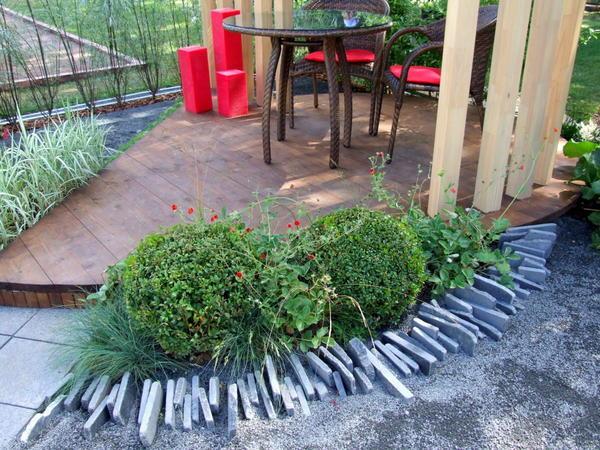
This word translates roughly as “intentional, artistic poverty.” The garden is decorated so that it looks artistically, freely, without frames and canons, but so that in some places for deliberate simplicity, refinement can be seen. As if the owner of the garden is the legislator of garden fashion. Art-believe is to some extent a bohemian style.
Perennials and flowers:
Stock roses, ferns, salvia, irises bearded in large groups, various types of geraniums, cereals, sedges, hosts, rogeria, kniffofia, cannas, wormwood, bushel, yeast, lilies, digitalis, veronica and the most common velvets, cuff and nasturtium.
Shrubs:
Spirea, hydrangea, weavey roses, Thunberg barberry, forsytia, rhododendrons, snowberry.

Liane:
Actinidia, lemongrass, maiden grapes, clematis and honeysuckle caprifol.
Trees:
Blue and silver spruce, tuya, black pine or Weymutov pine, juniper column, chestnut, maple, columned apple tree, weeping birch or willow.
Art and Kraft.
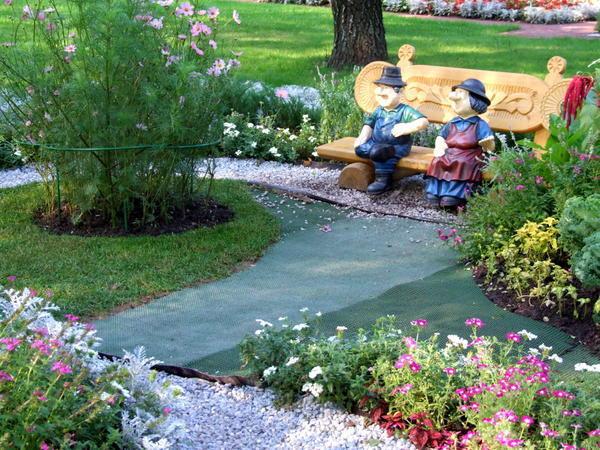
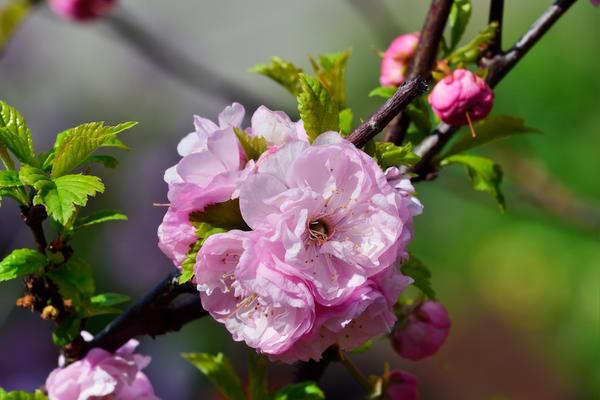
A garden of needlework and art. Many people have long liked him intuitively and therefore took root in the suburban areas, although the owners sometimes do not know that this is Art and Craft. It is dominated by handmade, garden figures-characters, various miniatures and compositions. A lot of bright plants and “stylish things”. As a result, the garden in this style is perceived as “warm” and homely.
Flowers and perennials:
Dolphinium, velvets, violas, dahlias, calendula, lion's yawn, "alpine", hydrangea, bells, geranium, cuff, malva, nivyan, sunflower, ageratum, salads, cosmies, salvia, fluxes, annual asters, linen, gladiolus, matrix, fragrant tobacco, pyretrums, petunia, lupins, lavatera and, of course, any onion.
Shrubs:
Lilac, rosehip, roses, honeysuckle, stamped (formed in the form of a tree) currants, kalina bulldenezh, ordinary kalina, blackhead, snowberry, three-bladed almonds.
Trees:
Rush, spruce blue, willow or birch weeping, artificially formed trees: elm, birch, oak, linden, maple, alder, chestnut, poplar, as well as all fruit and coniferous.
Architectural style
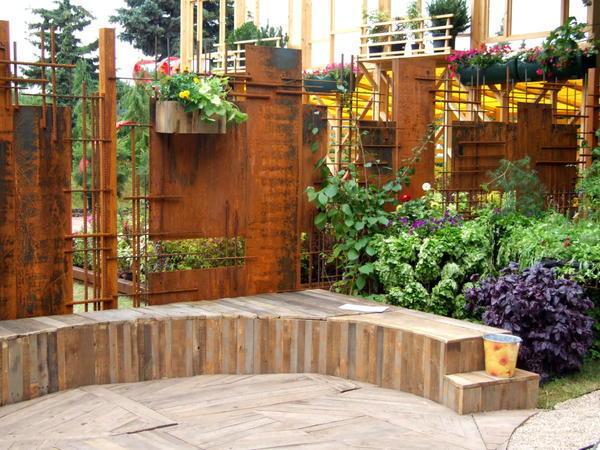
Despite the name, the architectural style is very “vegetable”. It is as if he interprets architecture, depicts it in the language of the landscape. That is, the forms and images of various structures and structures are played out here. Style seems to tell us that whatever man created had prototypes in nature. And the MAFs themselves (small architectural forms) are no more in it than in others.
Perennials and flowers:
Astilba, Brunnera, Buzulnik, St. John's wort, cereals, lilies, yeast, ferns, rhubarb, rogeria, reeds, rudbecia, echinacea, dicentre, helenium, irises, hosts, large bulbs, lupin, foxglove, nasturtium, as well as sunflower and artichoke.
Liane:
Maiden grapes, clematis, ornamental pumpkin.
Shrubs:
Hydrangeas, rhododendrons, barberry, kalina bulldenezh, turquoise, acacia, snowberry, hazel, park roses.
Trees:
Spruce, pine, cedar, larch, fir, tuya ordinary and spherical, colonized junipers, oak, chestnut, linden, poplar, elm, maple, plum, columned apple tree.
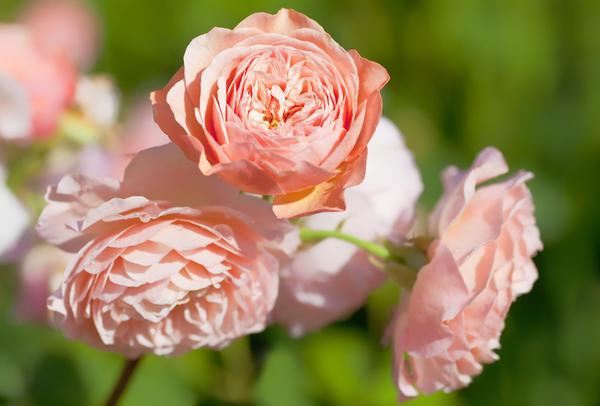
Parade, luxurious, palace style. But it is also possible in the usual suburban area.
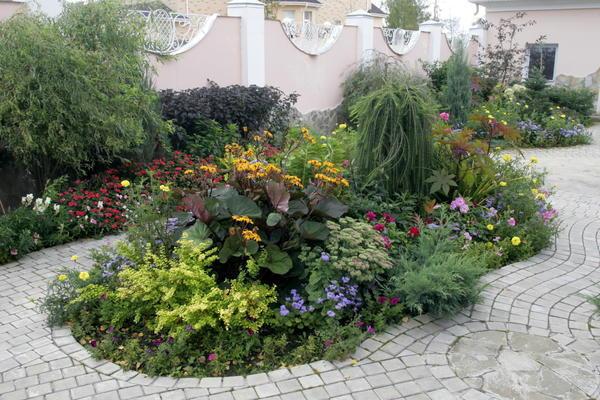
You just need to take some of its "replicas": a lot of bright colors, smooth lines, arc shapes and curls, forging, screens and pergolas, light shades and corresponding plants.
Flowers and perennials:
Ferns, hosts, violas, dolphiniums, varietal velvets, venidium, vervain, dahlias, calendula, chrysanthemums, asters, malva, salvia, zinnia, lavatera, daisies, lupines (primarily white and pink), gypsophyla, lilies, digitalis. Onion flowers fit all.

Shrubs:
roses, acacia, forsytia, weigela, varietal lilac, hawthorn, kalina, hazel, hazel.
Trees:
Weeping birch, rowan, linden, maple, cherry, pear, fruit and decorative apple trees.
Brutalism
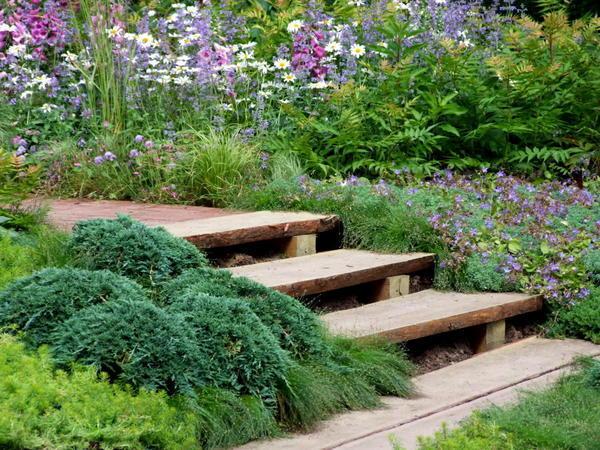
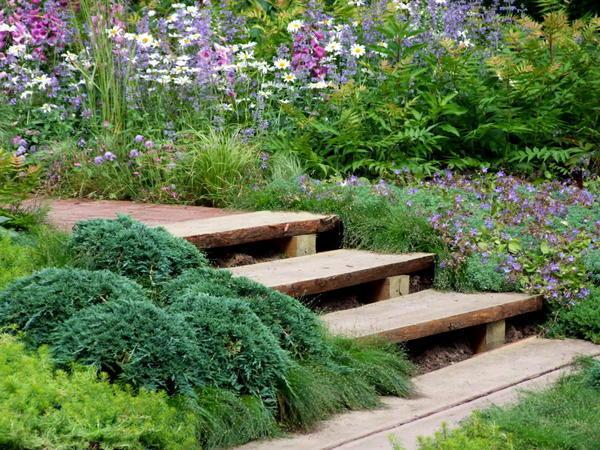
Garden brutalism is characterized by sharp contrasts between rough and graceful, dark and light, low and high. This is a very natural style, there is nothing technogenic in it. We can say that it is somewhat “primitive”, but if it uses some modern detail, it should be supermodern. Brutalism has many of its own plants.
Perennials and flowers:
Hosts, irises, lilies, astilba, gypsophyla, rogeria, dolphinium, milkweed, cuff, ferns, rhubarb, yarrows, perennial asters, perennial flax, alpine asters, lupins, alissums, armeria, aconite (cautiously: poisonous!), bells, soap, oater, sedge, cereals, viola, lobelia, fiery carnation, clevozoma, kozka, koska, koska.
Shrubs:
aronia black fruit, hydrangea, snow buttocks, potassium, honeysuckle, roses, golden currants, elderberry, derene.
Liane:
Actinidia, Amur and maiden grapes, hops, mountain clematis, lemongrass.
Trees:
Spruce, pine and tuya, elm, birch, oak, maple, alder, cherry, individual fruit trees.
country
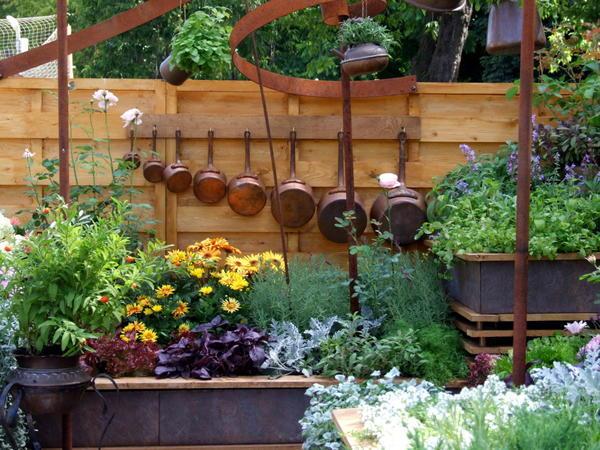
Country is a style of village life. It is very bright, “patchwork”, relaxed, asymmetrical, it has a lot of “village” accessories. Preference is given to garden crops and fruit trees, but the front garden should be especially bright.
Perennials and flowers:
Malva, dolphiniums, bells, geraniums, hydrangeas, fluxes, nivany, linen, annual asters, cuff, lupins, fragrant tobacco, petunias, decorative bows (alliums), velvets, lion's yawn, lavateras, perennial and annual dahlia ("Jolly guys"), calendula, salvia, sunflower, beautiful vegetables, cosmea, violas, ageratums, pumpkins.
Shrubs:
Lilac, honeysuckle, stud, rosehip.
Lianas perennial and annual:
Hops, Ipomoea, fragrant peas, fire beans, ornamental pumpkin.
Trees:
Birch, spruce, maple, arboretum, all fruit trees.
Classical style
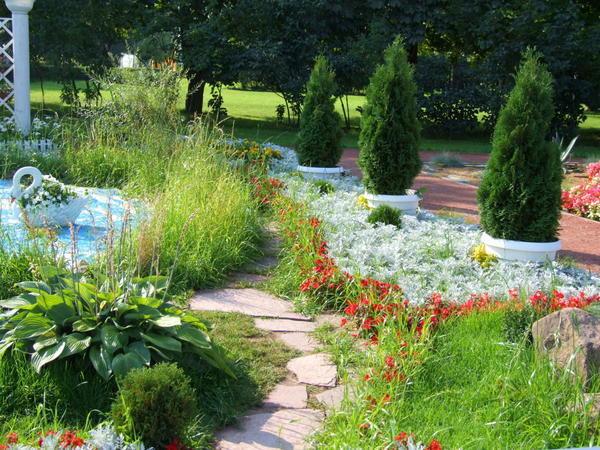
This is the so-called regular style that many have heard of. Clear symmetry and strict forms of lawns, flower beds and paths, large spaces, “Greek” arbors, stucco, fountains and topiaries. If you reduce the degree of pomposity and use stylization, the classics really create even in small areas.
Perennials and flowers:
Floxes are annual and perennial, zonal pelargonium, gypsophyla, vervain, salvia, veronics, ageratum.
Shrubs:
Weigela, honeysuckle edible, spirea, lilac, blackberry, park roses, tea-hybrid and miniature roses, Thunberg barberry, turquoise, three-bladed almonds.
Liane:
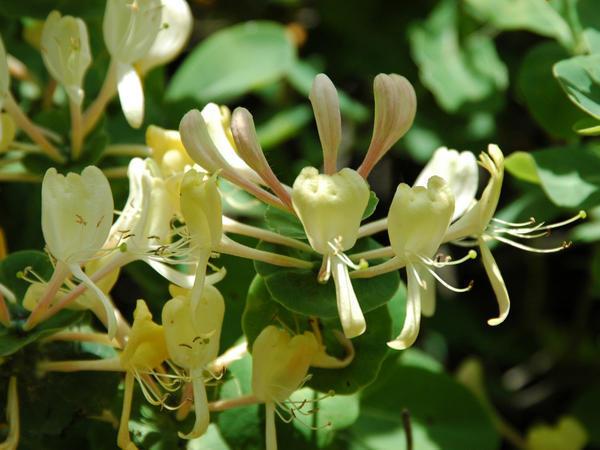
Maiden grapes, clematis, honeysuckle caprifol.
Trees:
spruce, including blue, spherical thuya, pyramidal cypress or junipers, linden, elm, maple, pyramidal poplar, fruit crops.
Forest garden
Those whose plot is in the woods actually already have a forest-style garden. This style imitates natural nature. The garden should be shaded, consisting of forest trees and wild plants. Accessories are wooden, deliberately coarse, vine weaving is also used.
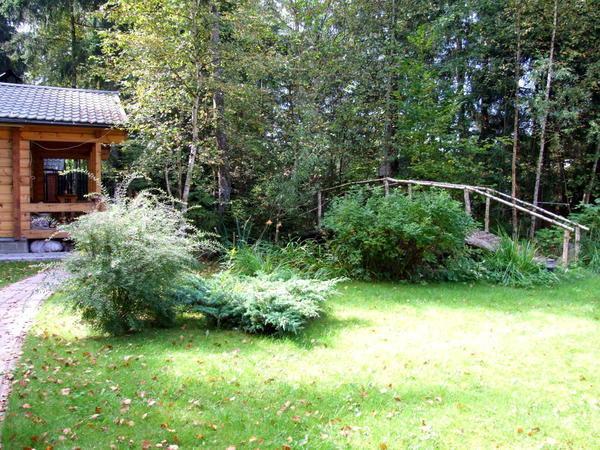
Perennials and flowers: butterflies, lilies, windmills, primrose, bells, mint, valerian, sage, oregano, St. John's wort, hosts, astilbs, ferns, badan, nivany, pyrethrum, cereals and sedges, daisies, lupins, aconite, primrose of spring.

Shrubs:
All forest shrubs, hydrangea, barberry, kalina, snowberry, honeysuckle, hazel, currants, gooseberries.
Liane:
Actinidia, hops, maiden grapes, lemongrass.
Trees:
pine, ate, juniper, birch, oak, linden, maple, ash, aspen, apple tree
modern
Art Nouveau style is very elegant, the main thing in it is smooth, fluid lines, elegance, visual “expensiveness”. It is similar to modern in the interior. Materials for buildings are used mainly natural, figurines should be elegant, there are many plants and they should be densely planted. Plant symbols of the style are iris and gladiolus. By the way, it is plants, not partitions, the zones of the garden are separated from each other.
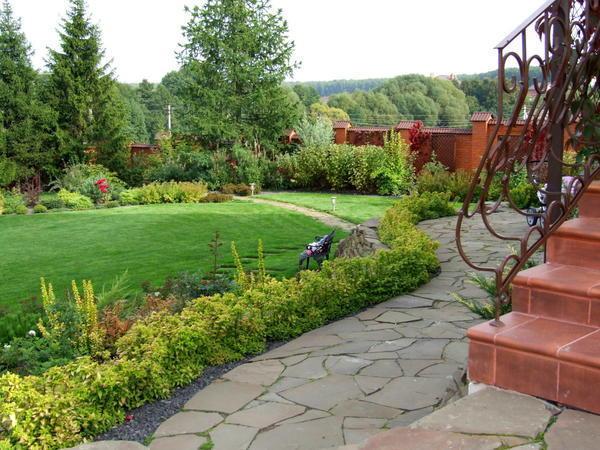
Perennials and flowers:
Gladioluses, callas, irises, lilies, peonies, vervain, veronics, caterpillars, digitalis, dolphinium, phloxes, ageratums, fragrant tobacco, Swiss Giants violas, gladiolis, rudbecia, echinacea, daffodils, tulips, decorative bows and spicy herbs.
Shrubs:
hydrangea tree and large-leaved, roses, elderberry, blackberry, rhododendron, weavey roses, barberry Thunberg, spirea gray or Japanese.

Liane:
Clematis, hops, kobeya, ipomeia.
Trees:
oak, spruce, birch, all kinds of pine trees, willow, tall forest and fruit trees, linden, juniper.
German style
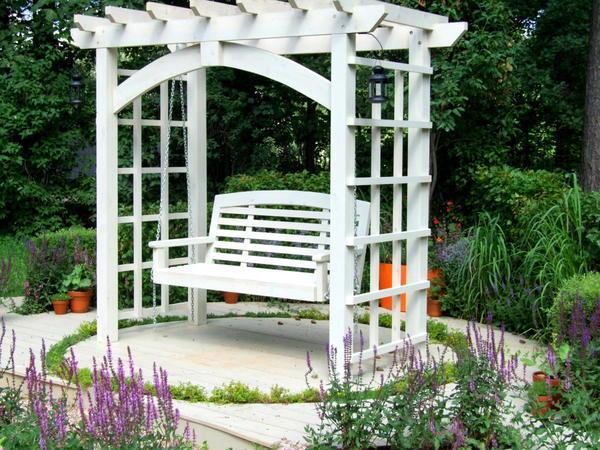
This is a very elegant, and most importantly, neat and well-groomed garden "with a postcard". It combines elements of country and classics. The most important thing here is pedantry, rationality and goodness. Cut trees, lush flower beds, figures in rural style, decorative mulch, natural and high-quality materials for all objects.
Perennials and flowers:
Stock rose, dolphinium, lilies, lilies, irises, phloxes, hydrangeas, lupins, petunias, lavatera, bulbous flowers, violas, sunflowers, nivany, geranium, bells, cuffs, helenium, annual asters, velvets, cosmea, calendula, crocosmia, salvia, ageratum, gorgins, gladiolios, matricaria, pyrheum, pyreum.
Shrubs:
Lilac, forsythia, rosehip, blackberry, weigela, honeysuckle, colquitia, snowberry, rhododendron, weaving roses, Thunberg barberry, gray or Japanese spirea.
Liane:
Clematis, hops, kobeya, ipomeia.
Trees:
oak, spruce, birch, all kinds of pine trees, willow, tall forest and fruit trees, linden, juniper.
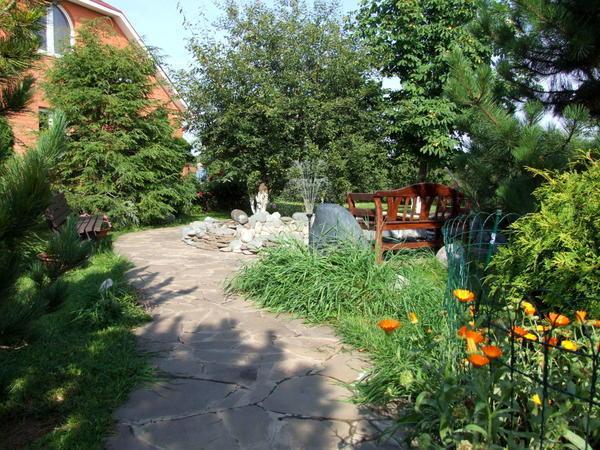
This is a garden on an Eastern theme. But the East is different, and in this case we are talking about the motives of Central Asia. There are many bright plants and accessories, as well as various small details that are interesting to consider. To create a Persian style will help cozy courtyards, colored paving tiles and mosaics, streams, it is desirable to arrange a small round pond. Arches and openings in the structures are better to make lancet shape.
Flowers and perennials:
poppies, chrysanthemums and asters, irises and gladiolus, ageratums, gailardia, dahlias, lilies and lilies, peonies, velvets terry, fragrant tobacco, lavatera, gypsophyla. There must be a large number of tulips. Rice is perfect for the style, if you grow it on special "fill" areas.
lianas:
actinidia, cultural and maiden grapes, large-flowered clematis, decorative beans, fragrant peas.
Shrubs:
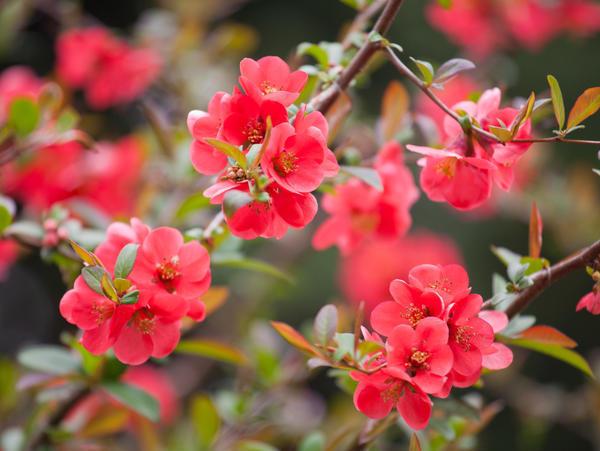
any roses, hydrangea, spirea, Japanese quince, rosehip, stud, weigela.
Trees:
Irga, cherries, apricot, plum, apple tree, pear, cherry - that is, mainly fruit trees, as well as ornamental apple trees.
Garden in a romantic style brings back memories of the good old days. It is a nostalgic garden, a garden a la retro. Romantic style - landscape, with many secluded corners, fountains, with old trees, bridges and benches. The key plant is the rose.
Perennials and flowers:
Malva, irises, peonies, cineraries, ageratum, foxglove, geranium, yarrows, cloves, gypsophyla, lilies, lupins, perennial asters, lilies, beans, salvia, lobelia, viola, dolphinium, cleoma, cuff, perennial linens, cosmea, milkweed, chamomile, all kinds of cereal herbs.
Shrubs:
roses of all kinds, honeysuckle edible, kalina common and kalina bulldenezh, rosehip, snowberry, lilac, blackberry, spirea gray and Japanese.
lianas:
Honeysuckle caprifol, clematis, maiden grapes, actinidia, hops, lemongrass, ipomea.
Trees:
Mountain ash, cherry, apple trees, pears, plums, cherries, alder, birch, poplar, elm, linden, maple, oak, chestnut, various conifers, especially pine and spruce.
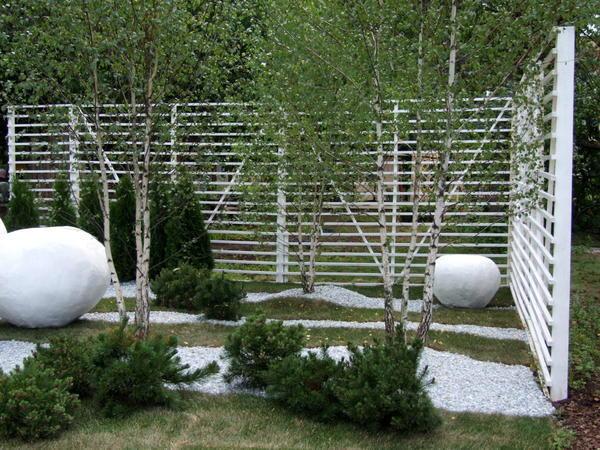
In a minimalist garden everything is simple and concise, and there are few details, as in a minimalist interior. Details, additions, constructions. But there should be a lot of plants. But not all, but expressive. They are planted with large curtains, a colorful mixture in this style is not welcome. Forms and lines are not necessarily strictly geometric, but simple and clear.
Perennials and flowers:
Buzulnik, hosts, cannas, cereals, ferns, sedges, squirrels, irises, sunflower, geranium, nasturtium, mosses, rogeria, kniffofia, velvets, primrose, cuff, milkweed, any ground cover plants.
Shrubs:
Spirea, forsytia, rhododendrons, snowberry, hydrangea tree and large-leaved.
Trees:
Tuya, black pine or Weitmouth pine, blue spruce, juniper column, maple, weeping birch, willow, columned apple tree, chestnut.
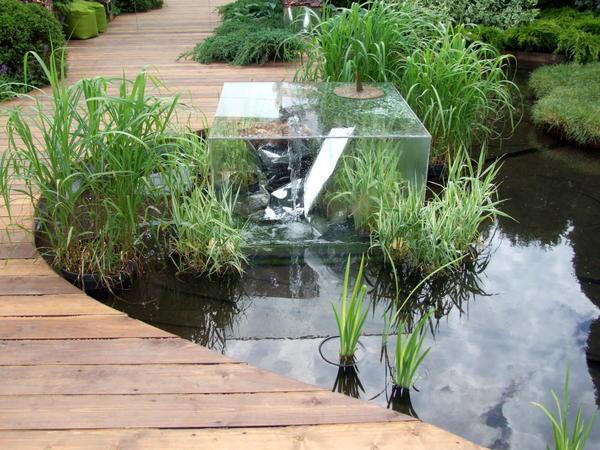
In the garden high-tech, unlike the interior, there is no abundance of metal, plastic and concrete. He's giving nature an advantage. This is a garden of unusual and bold solutions, where "high garden technologies" are used: modern finishing materials, unusual (usually abstract) designs and accessories. It is in the garden in the high-tech style that you can see original, unusual for the eye ponds, gazebos, recreation areas.
Perennials and flowers:
Dolphinium, rogeria, rhubarb, cleoma, cosmea, corn, artichoke, ornamental sunflower, green-flowered plants, variegated and yellow hosts, ferns, any cereals, kniffofia, pungent, large dahlia.
Shrubs:
They are few, but mainly those that have something interesting: leaves, crown shape, fruits - for example, red barberry, heather, rhododendron, snowberry.
Trees:
The principle is the same - an interesting view: a decorative apple tree, a blue spruce, an interestingly formed oak, weeping birch will suit.
I hope that this cheat sheet will help you create a garden of your dreams – bright, stylish and spectacular. Good experiments!
Source: 7dach.ru/OlgaVoronova/rasteniya-i-stili-shpargalka-nachinayuschego-landshaftnogo-dizaynera-27328.html