Life without principles: weakness or the highest form of inner freedom?
What do you feel when you hear about a person "without principles"? Most likely, an ancient alarm signal is triggered inside. A cold, slippery feeling of insecurity, as if stepping on thin ice. We have been taught that principles are the steel backbone without which the personality crumbles into a shapeless mass. But what if this backbone has long turned into a prison grate? What if your "principledness" is not strength of spirit, but fear of the living, unpredictable flow of life? Let's take a deep breath and try to look behind the facade of our beliefs.
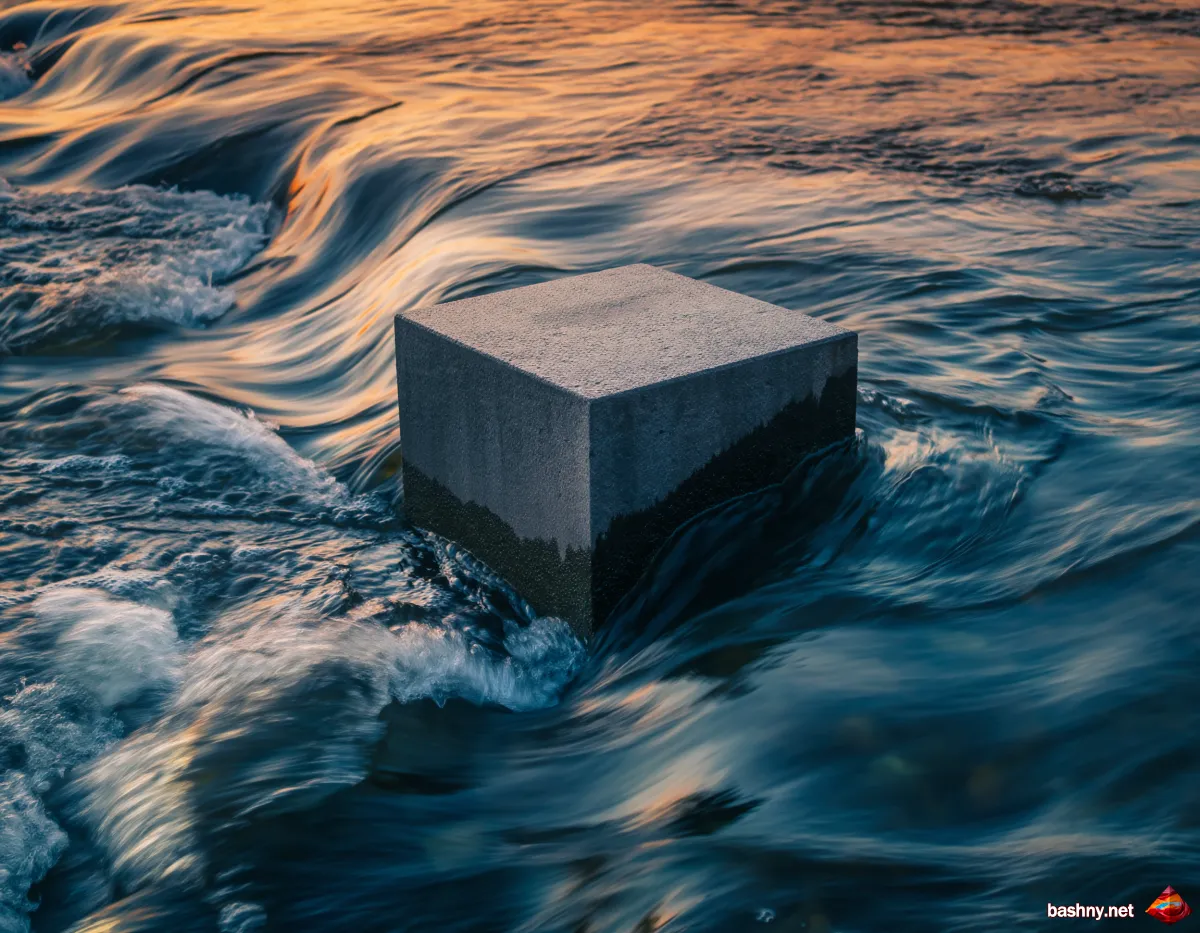
The Convenient Person: Why Society Demands Predictability
We live in a world that is obsessed with classification. Principles are a social barcode that allows you to instantly scan a person and understand: "friend" or "foe." This is a colossal saving of mental energy. We don't need to look into the depths of the soul of everyone we meet, we don't need to feel their unique vibration. It is enough to check the lists of rules.
A principled person is convenient. He functions like a well-oiled machine. You press button "A" (situation) and are guaranteed to get reaction "B" (action). No surprises. No improvisation. This creates the illusion of security and stability that we so value in the chaos of modernity. But let's be honest: when we demand principledness from others, we often ask them to be convenient for us, not true to themselves.
The danger lies in the fact that, striving to become understandable to others, we stop hearing ourselves. Rigid algorithms appear in our internal firmware: "this is not allowed," "this is right," "a real man/woman does this." We stop reasoning. We just execute the code. And at this moment, the living soul gives way to function.
Armor of Fear: What Your Beliefs Are Really Made Of
If you remove the gilding of morality from principles and examine them under the microscope of honesty, the result may be shocking. Often our proud "I never..." is not wisdom, but a scar. It is an echo of past pain, shame, or failure. We build walls where we were once hurt, and call these walls our character.
Imagine a knight who never takes off his armor because he was once wounded in battle. Is he protected? Absolutely. But he is also deprived of the opportunity to feel the wind on his skin, the warmth of the sun, or the touch of a loved one. Principles born out of fear of repeating a mistake become our most reliable, but also our heaviest prison.
Each rigid belief is a limitation. Surrounded by them on all sides, we risk finding ourselves in a situation where we no longer live, but only serve our internal charter. We lose flexibility, we lose the ability to adapt to a changing reality. And life, as you know, does not tolerate static. What does not bend under the wind of change breaks.
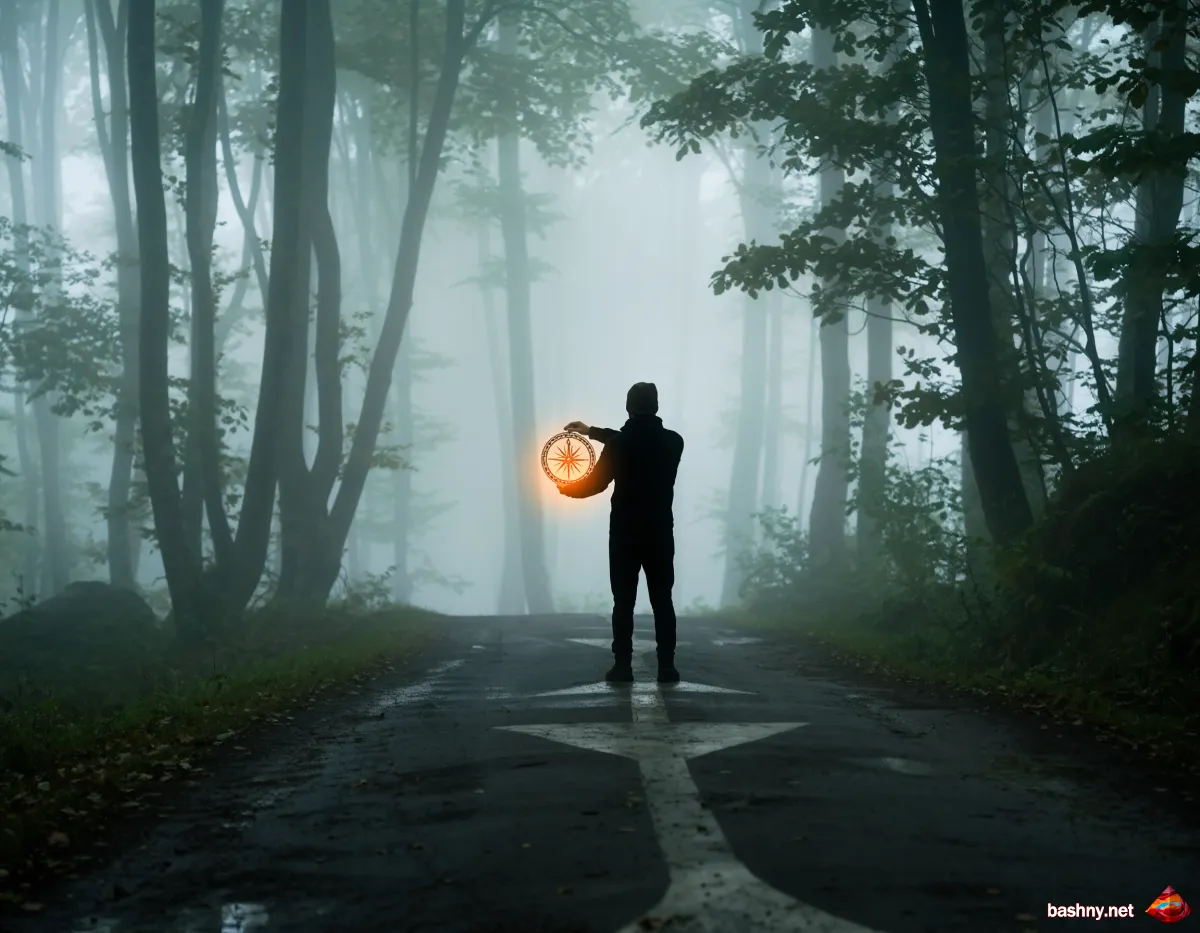
Life on Manual Control: Values vs. Rules
The thought of a life without principles is frightening because it seems that the alternative is chaos. But here there is a substitution of concepts. Abandoning rigid principles does not mean becoming immoral. It means switching from autopilot to manual control. This is the difference between blindly following the law and consciously choosing a path.
Instead of principles (rigid walls), a free person has values (a compass).
A principle says: "I never lie."
A value says: "I strive for honesty, but I protect the feelings of loved ones."
Feel the difference? A principle is an order. Value is a vector. A life based on values requires immense courage. In each specific situation, you have to make a decision again. You have to take full responsibility for the consequences, not hiding behind the convenient "I am such a person."
The High Price of Freedom
Living without ready-made templates is a labor of the soul. Others may stop understanding you. You will become "murky", unpredictable for them. Someone will turn away, unable to bear your freedom to change your mind. After all, a free person reserves the right to change their mind if they have received new knowledge or have changed themselves. This annoys many people.
But in return you get something precious: the honesty of the moment. You stop fighting reality, trying to cram it into the Procrustean bed of your beliefs. You start dancing with life. Your actions become a continuation of your will, and not a reflex reaction of a traumatized ego.
However, there is a fine line here that cannot be forgotten. Freedom from principles without empathy is a path to inhumanity. If you remove external restrictions, the only safeguard remains your heart. Conscience, love, compassion are the true regulators that work better than any written dogmas. Without them, "freedom" instantly turns into destructive chaos.

The Art of Being Alive
Perhaps maturity comes not when we accumulate a sufficient number of unshakeable principles, but when we find the courage to let them go. When we allow ourselves to be different. When we trust ourselves so much that we no longer need external props to remain decent people.
Try to notice today where you act out of inertia, "out of principle," and where - from a living response of the heart. Maybe it is there, in this gap between the rule and the action, that your real life is hidden. Free, complex, but incredibly beautiful.