769
It's hard to believe: look like tears under the microscope
Researcher rose-Lynn Fisher has suggested that tears of joy and tears of sorrow is not the same thing. To test this theory, she decided with a microscope.
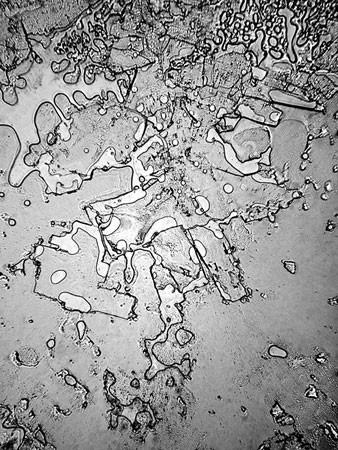
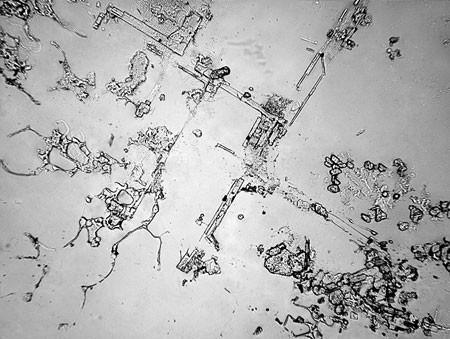
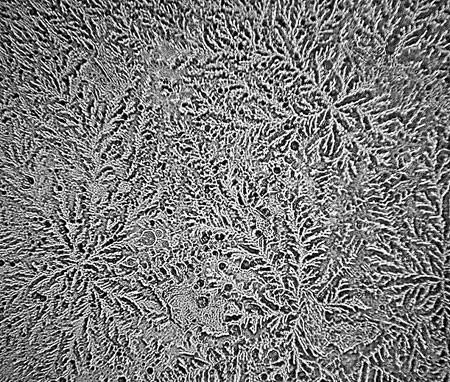
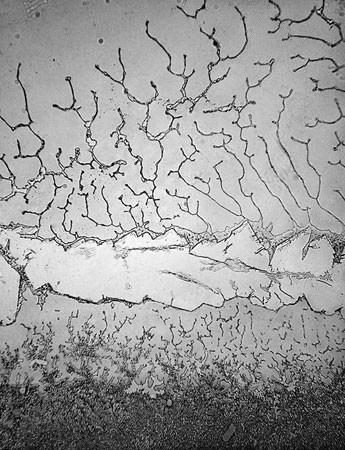
Fisher found that there are at least about one hundred different types of tears. Thus, basal tears (the ones that stand out to lubricate the eyes) are drastically different from the tears that stand out are when we peel onions. Tears born of hysterical laughter is not even close to resemble tears of sorrow.
Tears of laughter:
Tears of parting:
Tears of grief:
Tears from onions in the kitchen:
Joseph Stromberg of the Smithsonian's College explains that there are three main types of tears: basal, reflex and psychological (allocated together with the emotions). They all contain organic substances including oils, antibodies and enzymes that swim in salt water. Different types of tears have different chemical composition.
Emotional tears, among other things, contain the neurotransmitter leucine and enkephalin, which are natural analgesic and antidepressant.
Basal tears:
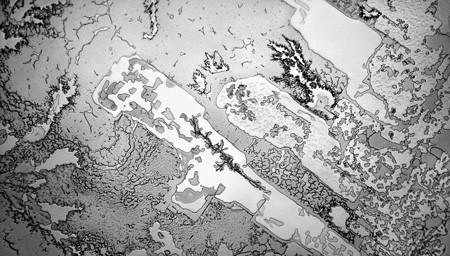
Tears unexpected encounters:
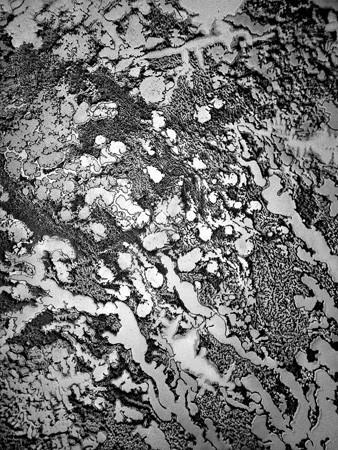
Reflex tears:

Tears of hope:
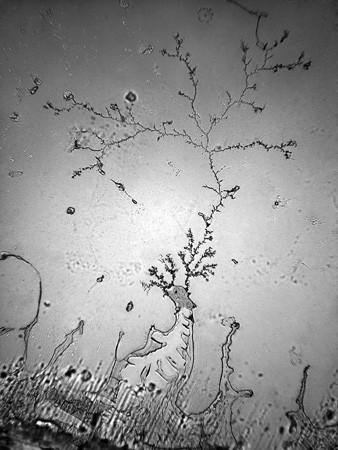
Tears of nostalgia:

Like snow flakes or fingerprints are never similar to each other and between different types of tears there is a huge difference.
source: lifter.com.ua
Source: /users/1077