839
How scientists make vanilla from cow dung and 17 other interesting facts about fragrances
What we feel the language is just part of what we call the taste of food and not the most important. In fact, at least 80 percent of the information about the “taste” comes from smell.

The smell and taste is a reaction to certain chemicals, which can be both natural and artificial origin.

For example, the characteristic clove smell comes from a chemical called eugenol.
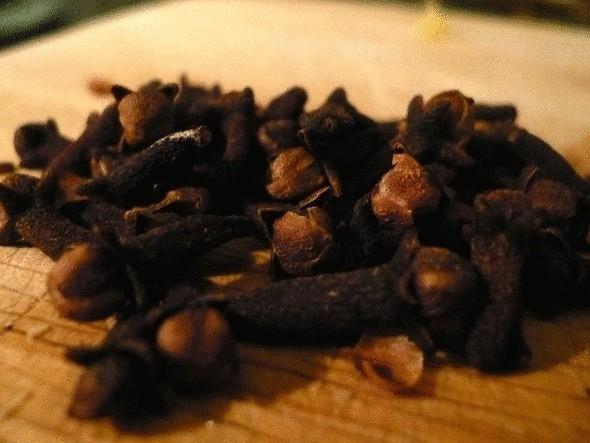
The distinction between artificial and natural flavorings is the source of chemical substances. Natural flavors produced from anything edible (e.g., from animals and vegetables). Artificial flavors receives non-edible (e.g., oil).

FDA (management under the control over products and medicines (USA)) gives the following official definition of natural flavoring: "Natural flavor is the essential oil, malomalo, essence, extract, protein hydrolysate or any product of roasting, heating or fermentation, which contains the taste and flavour components derived from a spice, fruit or fruit juice, vegetable or vegetable juice, edible yeast, herb, bark, buds, roots, leaf or similar plant material, meat, seafood, poultry, eggs, dairy products or products obtained from them by fermentation, a significant function of which in the composition of the food product to a greater extent flavoring than nutritional".
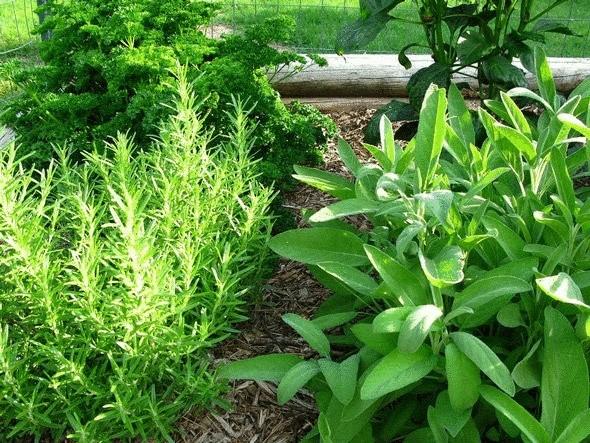
By definition, the same FDA that artificial flavor is any substance that does not fit the definition of natural flavoring.

Why do we use artificial flavours? First, the production of synthetic chemicals artificial fragrances cheaper than finding natural sources. Secondly, they are less dangerous because they undergo stringent testing.
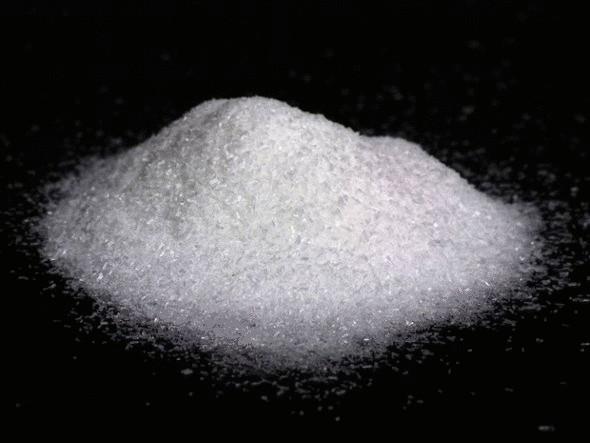
Vanilla is one of the most expensive spices, is obtained by processing one of the most laborious cultivation and processing of crops. The main component responsible for the warm, alluring aroma of vanilla is vanillin (4-hydroxy-3-methoxybenzaldehyde). Its content in the finished vanilla pods does not exceed 2.5 per cent). The process of extracting the pure, natural chemicals is quite long and expensive. Therefore, scientists found a method of producing a synthetic version of vanillin in the laboratory.

In 2006 a Japanese scientist Mayu Yamamoto figured out a way to get vanilla from cow dung. For this discovery she received the IG Nobel prize (an International prize, awarded by Harvard University, USA for the most unreliable and dubious achievements; approx. mixstuff.ru).

Natural flavoring may be the same chemicals as in its artificial counterpart. The number of chemical ingredients used to create the artificial strawberry flavoring in fastfotoscale strawberry smoothie, for example, is comparable to the amount of chemicals in a fresh strawberry.

Some natural flavors can be more dangerous than artificial. A small amount of cyanide may be contained in natural almond flavor (benzaldehyde). So when the victim in the movie, feel smell of bitter almonds, it is often associated with cyanide poisoning.

Blossom of bitter almond tree
Raw soybeans, from which soy sauce is also toxic.

Soy sauce, industrially manufactured, made from acid-hydrolyzed vegetable protein raw beans.

The connection between headaches and monosodium glutamate, so-called "Chinese restaurant syndrome" is just a myth. Scientists believe that the symptoms associated with the consumption of Chinese food, are due to the high content in food salt.
Taste of cinnamon, which is the dry inner bark of special trees, occurs as a result of chemical compounds cinnamic aldehyde. There are three types of cinnamon: Indonesian (regular cinnamon sticks), Cassia and Ceylon.

Cassia comes from China, is the most common raw material for the manufacture of cinnamon spice. It is dark in color, hard, thick and in shape is a twisted wand.

Ceylon or "true cinnamon" is popular in Latin American countries.It is lighter and thinner than Cassia and more fragile. And also contains less cinnamic aldehyde, which gives the spices a refined fragrance.

Ceylon cinnamon on the left. Stick Indonesian cinnamon on the right
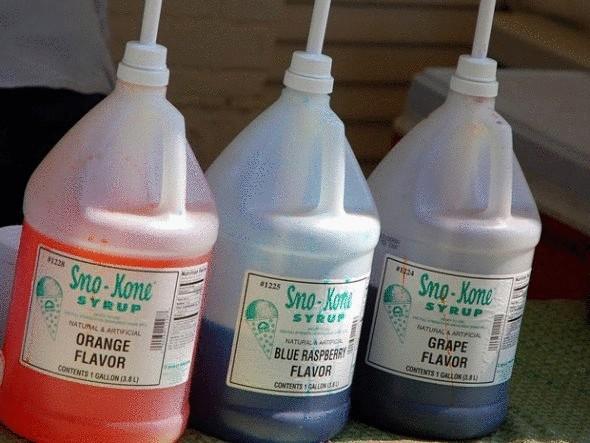
Artificial grape flavoring is produced from a chemical analog of purple grapes, and red or green, which we buy in the store. Therefore, foods with artificial grape flavor smells like candy, soft drinks and cough syrups violet, and why store-bought grapes taste like a fake.

published
Source: mixstuff.ru/
Map Creator — relief map, the age of which 120 million years
Airbus has developed a helmet for aerotow