756
Fossils of the underwater world
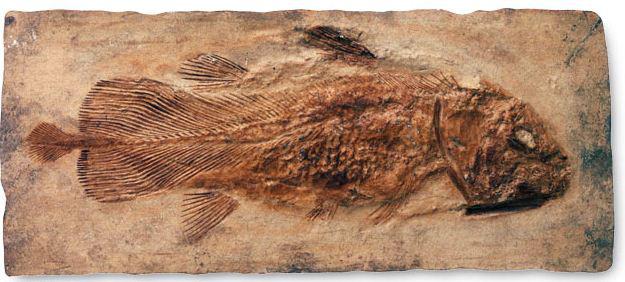
It was believed that the coelacanth became extinct along with the dinosaurs. The newly discovered in 1938 fish captured in these rare photos.
6 photos via dailymail translation
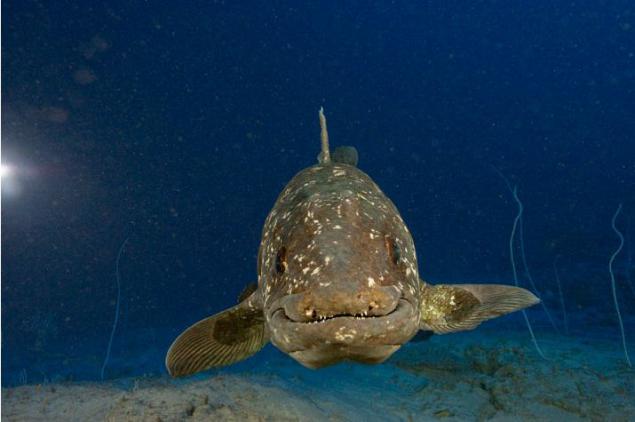
1. Over 95 hours spent underwater photographer and his crew sailed 81 minutes with four Latimer. The fish is very easy to distinguish by the characteristic white spots on the body.
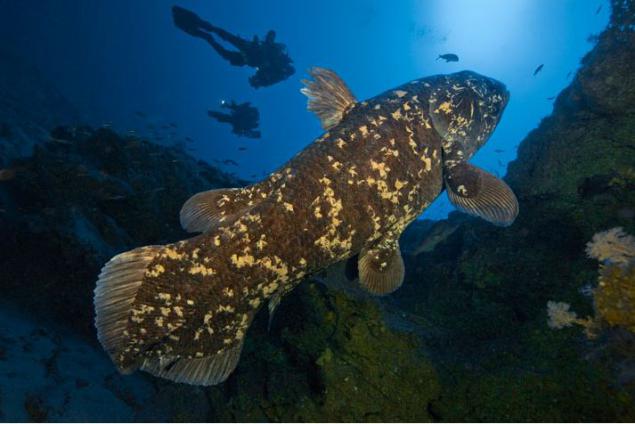
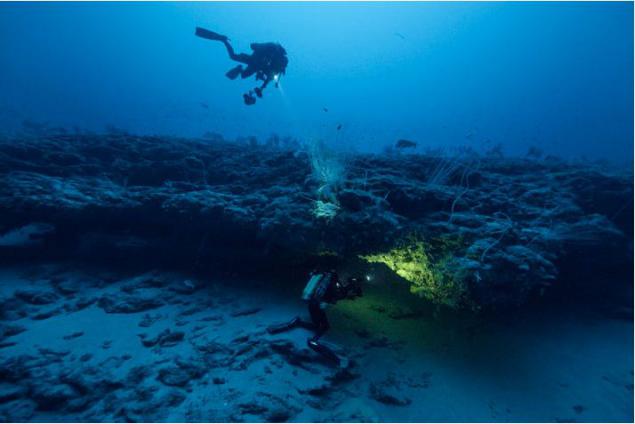
2. The team made 21 submersible 300 to 400 feet in Sodwana Bay in South Africa. Within four weeks, they discovered the coelacanth only six times. Nocturnal animals are hiding in underwater caves in the afternoon, and then swim at night and feed on small fish, squid and octopus.
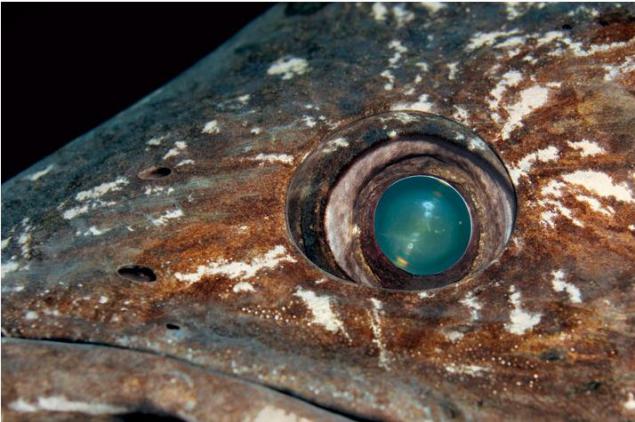
3. The crystalline layer of the retina coelacanth reflects light like a mirror, which is good in dim waters of the ocean.
4. Its dorsal fins in the form of a sail provide stability during the voyage.
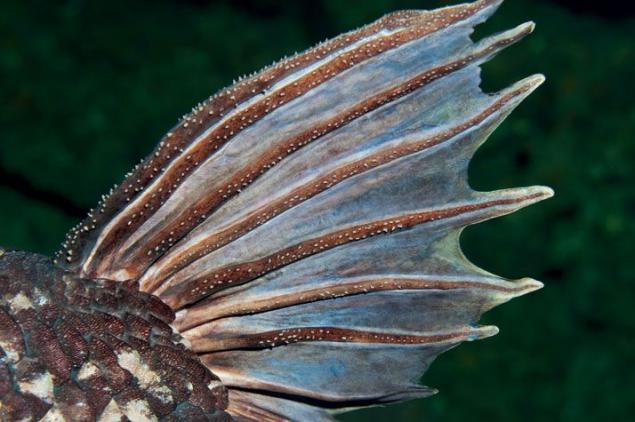
5. Named naturalist of the 19th century, "the coelacanth" comes from the Greek name, which means "hollow backbone" - a reference to the hollow ridge, which is part of the structure of the fin.
6. Slow and graceful movements of the coelacanth is not like any other fish. She moves with the left thoracic and right pelvic fin that resembles cross steps tetrapods. According to the photographer Ballesta, during the expedition, which took place in early 2010, coelacanths have ignored the people, except for one of them, which is shown in this photo. "At this point, she tried to smile at me."
Source: ">