15368
Flora and fauna of Suriname (25 photos)
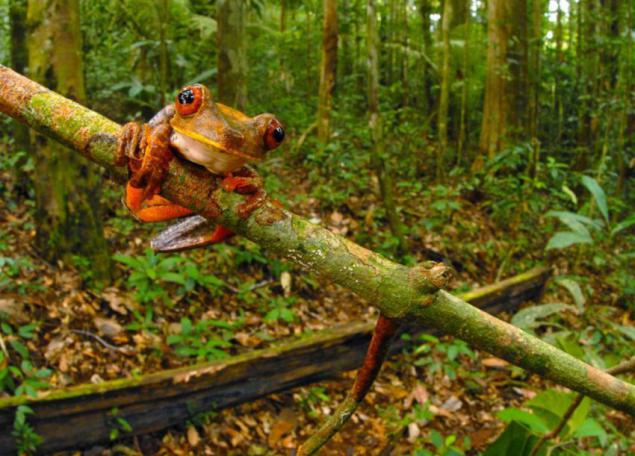
A group of scientists from the International Society for the Conservation of Nature went in search of rare and unknown species of animals, insects and plants in Suriname, a country on the northeast coast of South America. During the expedition, 1,378 species in mountainous areas were studied, including 60 species that were previously unknown. Let's take a closer look at the diverse fauna of those beautiful places. A tree frog (Hypsiboas geographicus) climbs a branch in the forest near Mount Kashikashima.
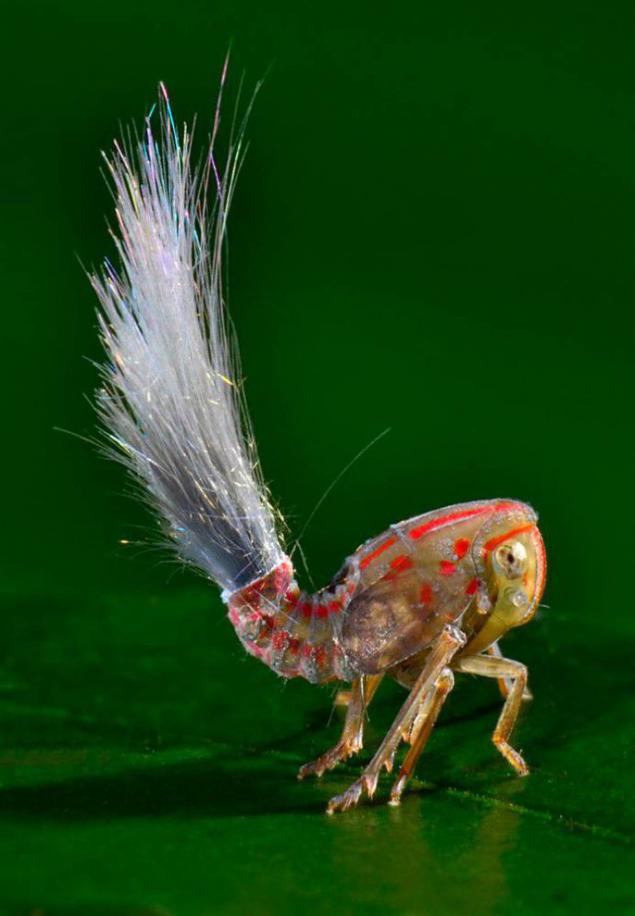
Many species of Fulgoroidea insects secrete a waxy secretion that sometimes hardens, forming long filaments, as in this picture. These threads can provide protection against predators that pounce on them, mistaking them for the body of their prey. The threads break off, saving the life of the insect.
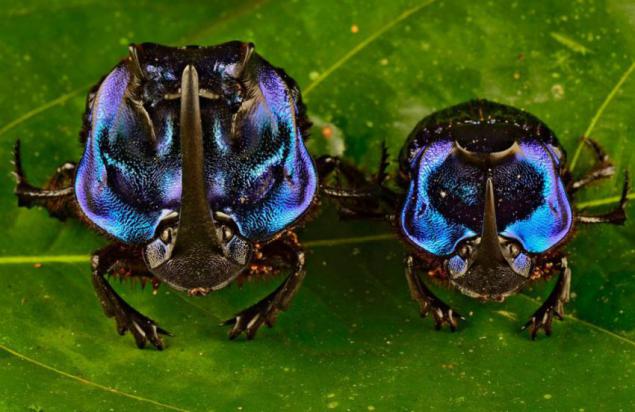
Coprophanaeus lancifer is the largest scarab beetle species in South America.
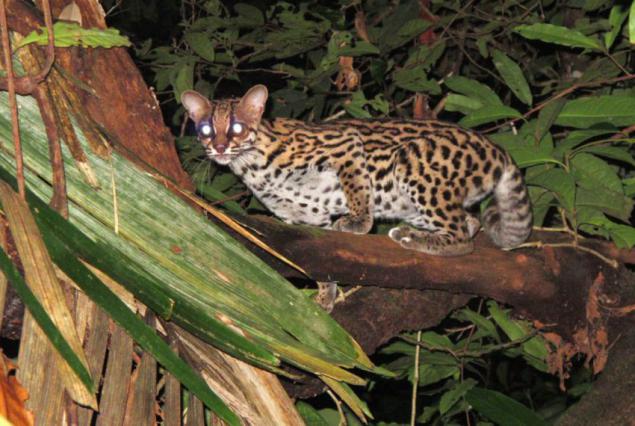
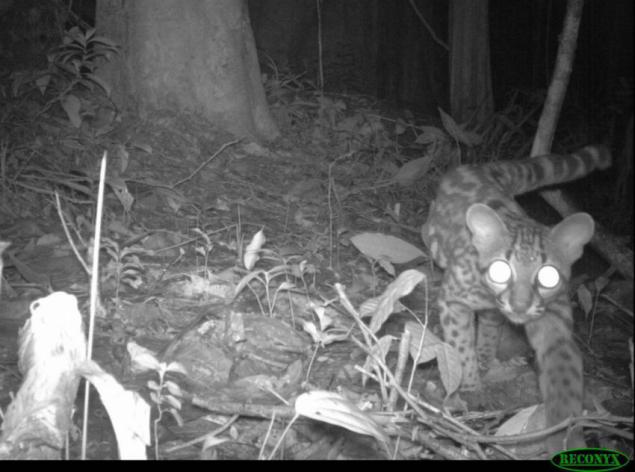
A long-tailed cat (Leopardus wiedii) sits in a tree.
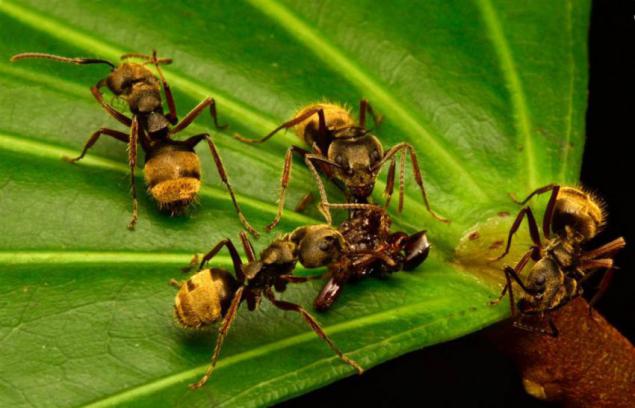
Camponotus sp. eat a dead insect. During the expedition, 149 species of ants were discovered, and this is not a complete list.
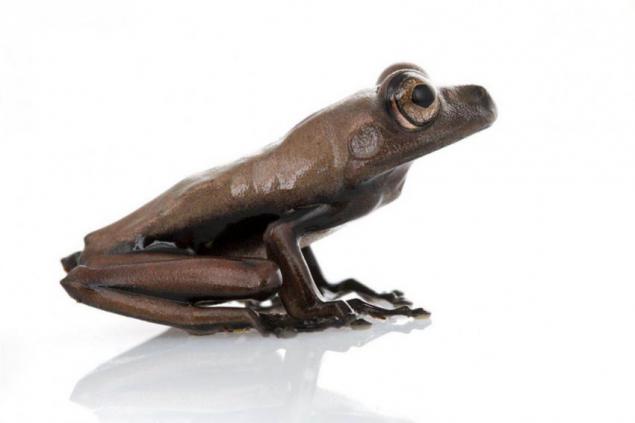
The tree frog Hypsiboas sp., like other amphibians, has a semi-permeable skin, which makes it hypersensitive to changes in the environment.
Storm clouds hang over the rapids of the Palumeu River near the small village of Kampu in southeastern Suriname.

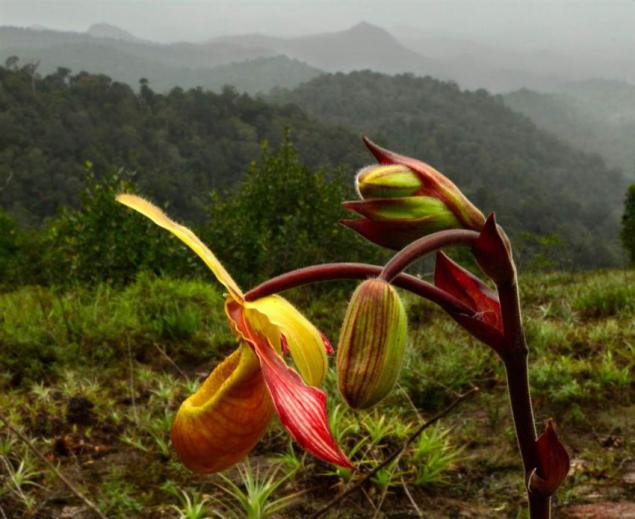
Phragmipedium lindleyanum is one of several rare and beautiful orchid species found in the previously unexplored Grens Mountains in Suriname.
This tiny beetle (Canthidium cf. minimum) may represent a previously unknown species and even genus, with a body length of only 2.3 millimeters. It may be the smallest of the dung beetles in the Guiana Highlands.

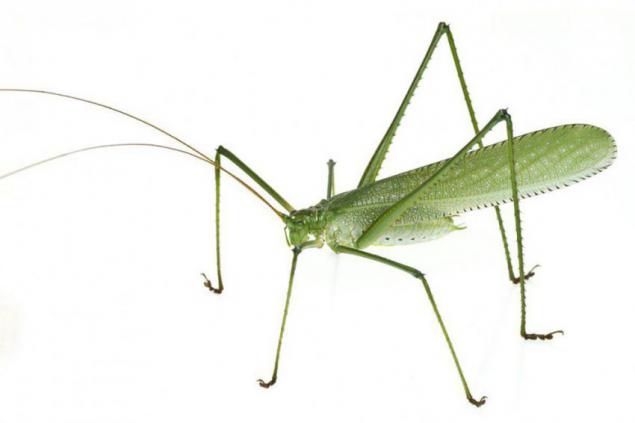
While most grasshoppers feed on leaves, Copiphora longicauda preys on insects and other invertebrates.
Many mammals are extremely difficult to see in the forest, so scientists have to install cameras with an automatic shutter release. In the photo: a long-tailed cat is interested in one of these cameras. The camera is equipped with an infrared sensor that detects passing animals and releases the shutter
The unique granite Mount Kashikashima rises 700 meters above the rainforest. On this mountain, scientists have discovered several unusual species, including beetles previously unknown to science.

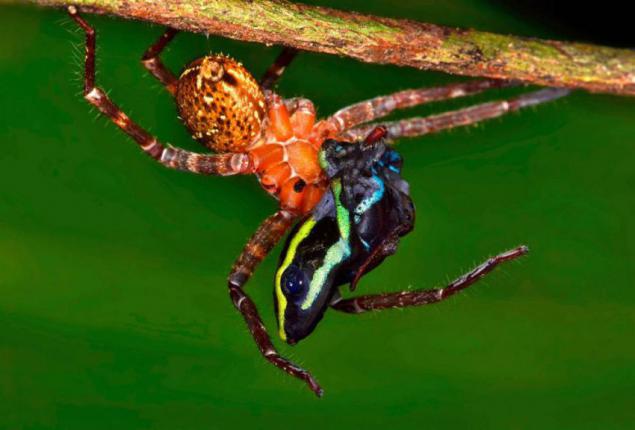
Southeastern Suriname may seem like a tropical paradise, but not for all living organisms. In the photo: a wolf spider eats a dart frog.
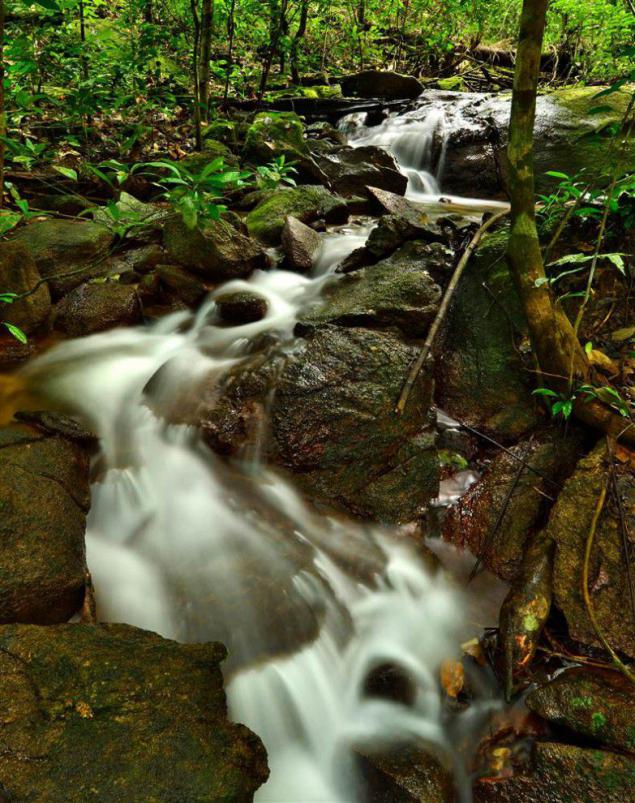
A stream at the foot of Mount Kashikashima in Suriname.
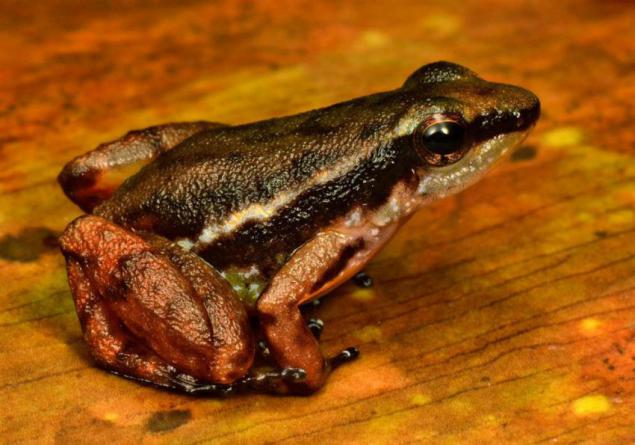
Dart frogs of the species Anomaloglossus sp. Locals use the venom of dart frogs to hunt animals.
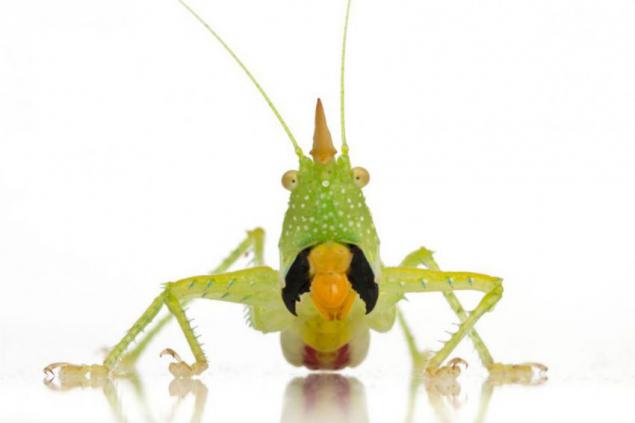
This grasshopper (Pseudophyllinae: Teleutiini) is so atypical that perhaps scientists will assign it to a new genus. Its body is longer than usual, and its legs are covered with sharp spikes that help scare away predators
The bright coloration of the pseudo-coral snake (Erythrolamprus aesculpi) helps it scare away predators, as it is not as venomous as a real coral snake.

The bat of the species Artibeus planirostris is able to pluck large fruits with its sharp teeth.

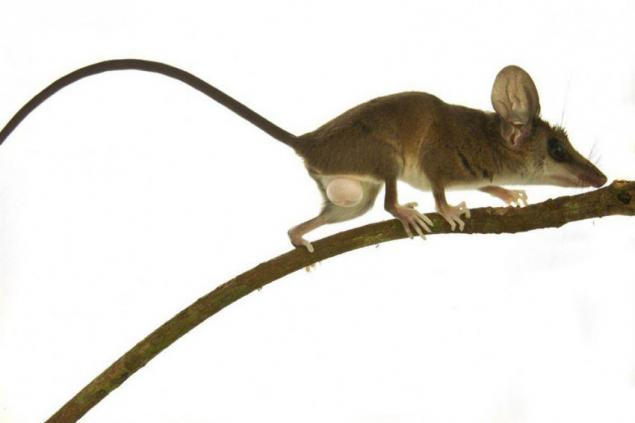
The opossum of the species Marmosops parvidens lives in trees and feeds on insects and fruits. Small mammals play an important role as they spread plant seeds and promote reforestation.
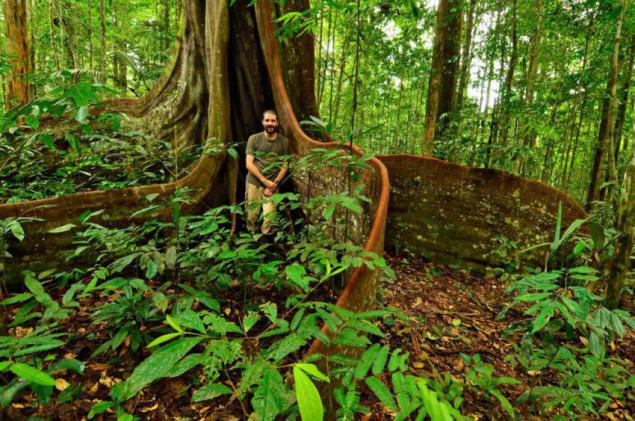
arrowroot (Peltogyne venosa) forms a massive aerial part of the root system, which provides the tree with stability, especially in strong winds and floods.
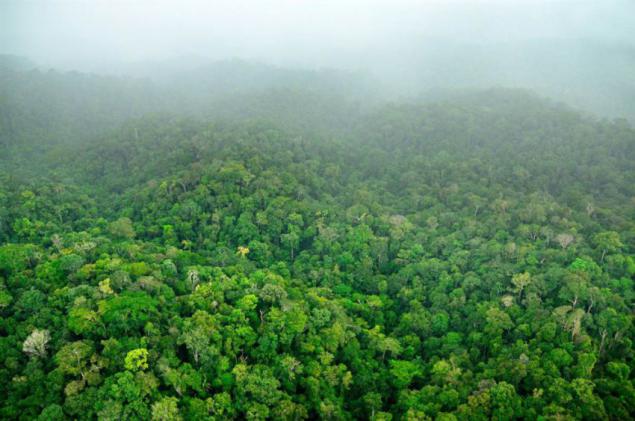
The mountains and vast virgin forests of southeastern Suriname are often shrouded in clouds. This is one of the wettest regions of the country.
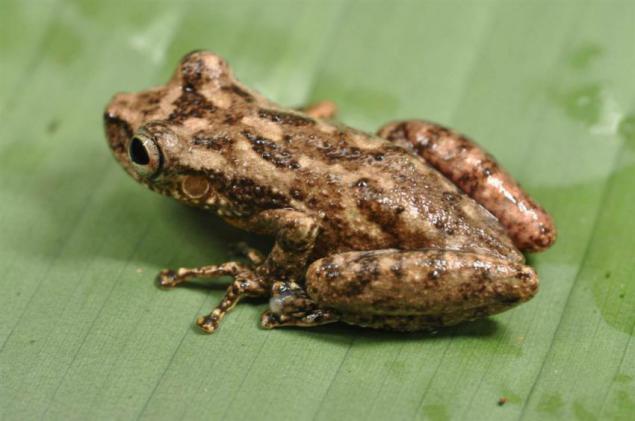
Tree frog Scinax sp. is one of six new species of frogs discovered by scientists during an expedition to Suriname.
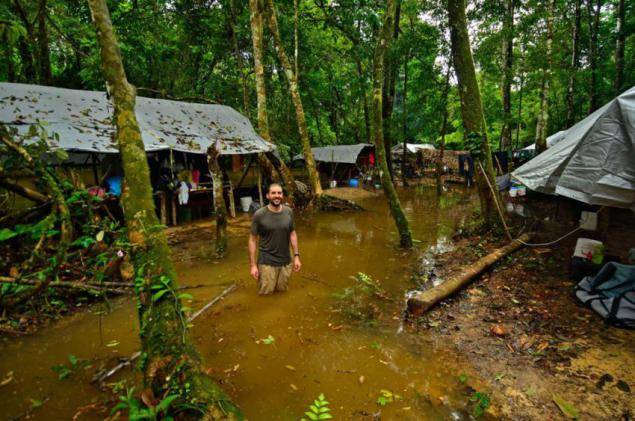
An employee of the International Society for Conservation of Nature stands in the middle of a flooded camp in southeastern Suriname. Due to unusually heavy rains, the Palumeu River overflowed its banks and flooded the camp, forcing the scientists to leave ahead of schedule.
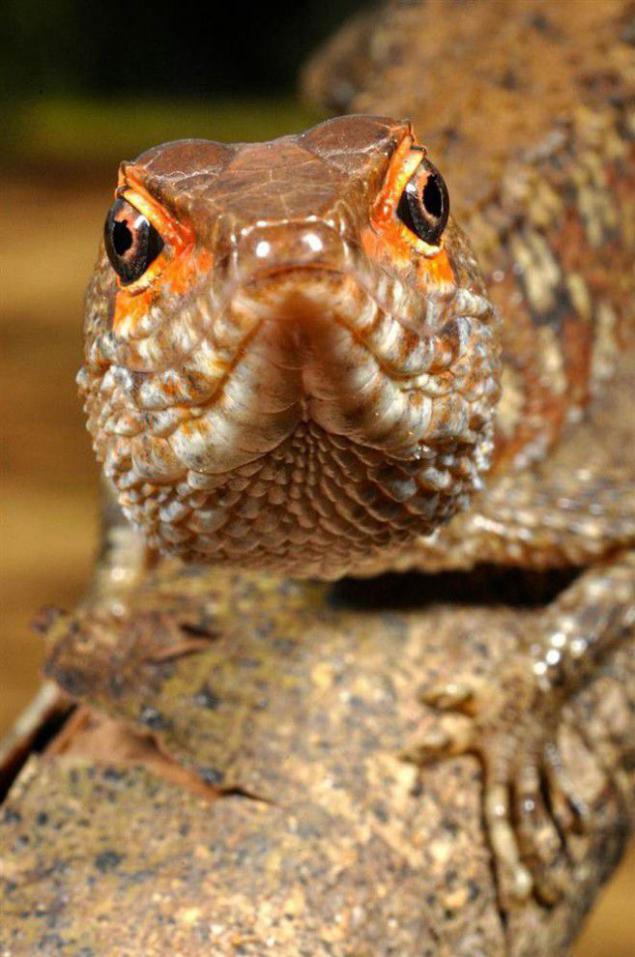
The semi-aquatic lizard Neusticurus bicarinatus lives in small ponds and streams and is an excellent swimmer underwater.
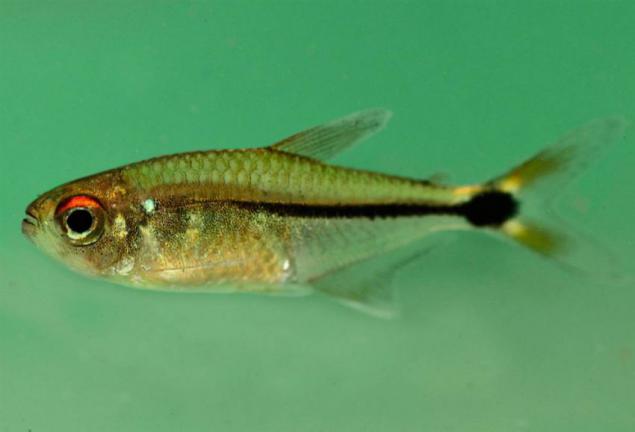
Hemigrammus aff. Ocellifer is the closest relative of the tetra fish, which is popular with aquarists.
Source: science.mirtesen.ru