10888
Clothing of the peoples of Yakutia
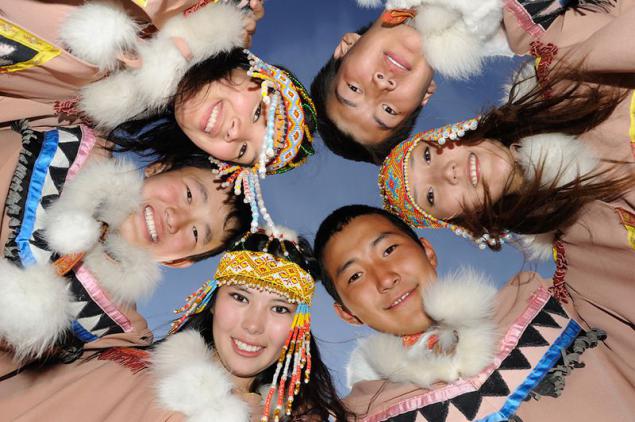
The population of Yakutia is 955.6 thousand people, of which about half is represented by indigenous people. Most of them are Yakuts, the rest are small peoples. Your attention is offered to a selection of clothes of some of the small peoples of Yakutia.
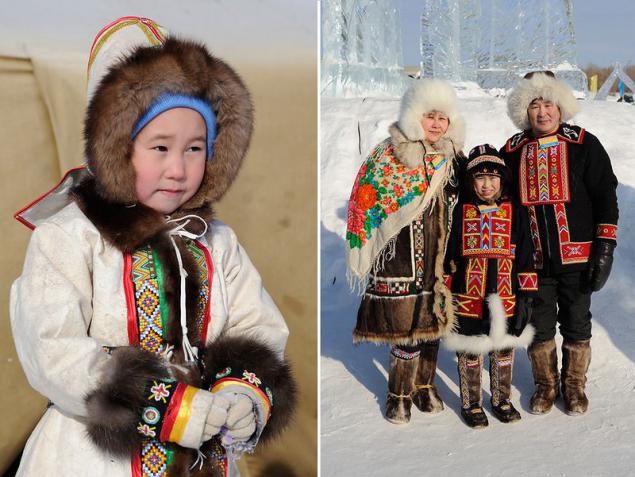
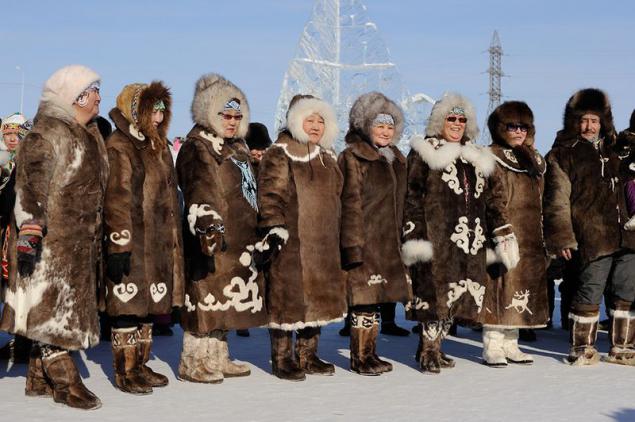
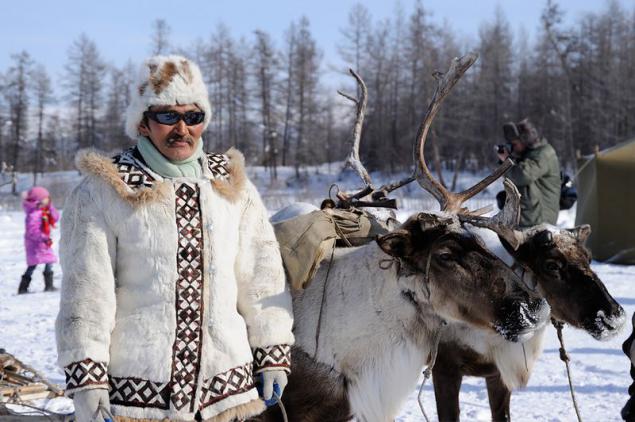
For northerners, the reindeer is not only the main mount and source of food, but also a valuable "supplier" of materials for clothing. For a long time, winter clothes were sewn from reindeer skins, summer clothes were sewn from rovduga (dressed reindeer skin). Nowadays, traditional clothing is mostly worn either during the holidays or combined with modern clothing.
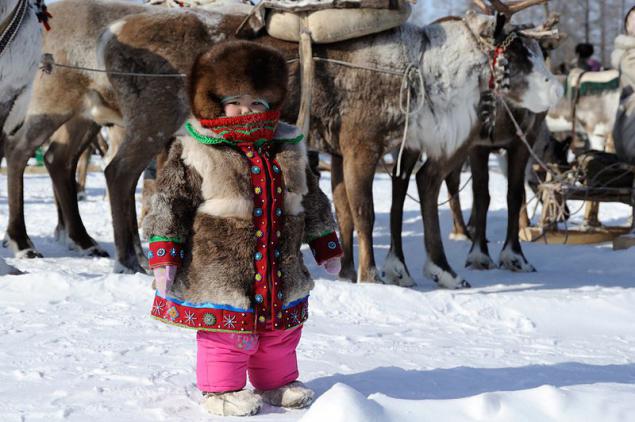
It should also be pointed out that today's national clothing of the northern peoples is very different from the traditional one. This is due not only to the appearance of new materials in everyday life, but also to the strengthening of interethnic contacts, as a result of which there was an exchange of clothing details. For example, even reindeer herders now prefer either blind outerwear (like the Chukchi or Koryaks) or fur jackets with pockets and turn-down collars (like the Yakuts).

According to Evdokia Bokova, an Even poetess, melodist and collector of Even folklore, "not so long ago, the men's and women's clothing of the Even was the same, and the difference was mainly in the number and nature of the jewelry." Men's aprons were decorated modestly, while women's aprons were decorated with fringe, fur tassels, metal pendants, etc.
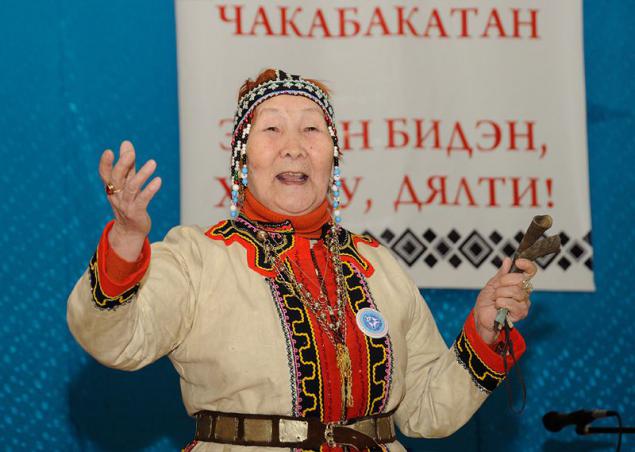
The bearer of Even culture, a native of the Allaikhovsky ulus, Maxim Dutkin.
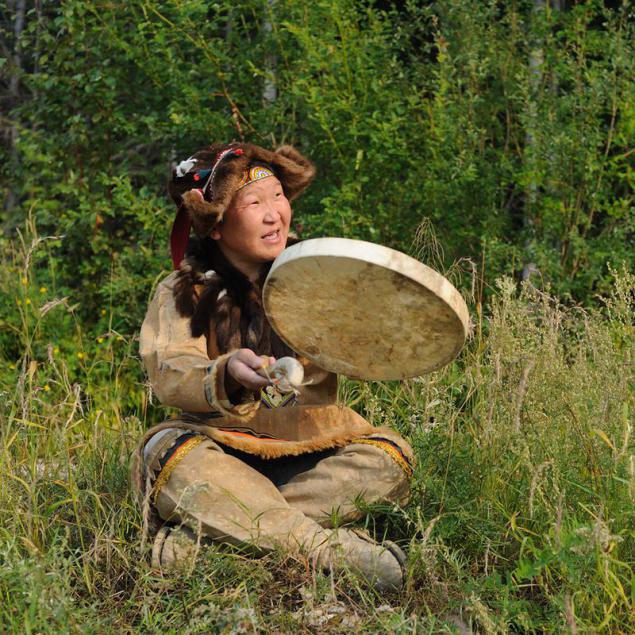
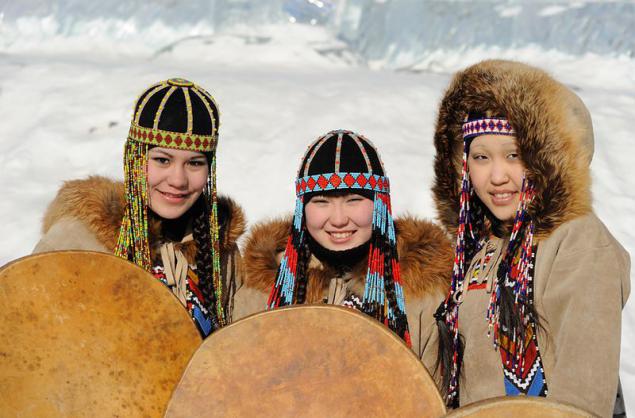
The peoples of the North have long used beads to decorate clothes and household items. There is evidence that in pre-revolutionary Russia, a whole deer was given for a small number of beads. The art of beadwork among the indigenous peoples of the North is passed down from generation to generation. With beaded ornaments in combination with cloth, leather, fur, northern craftswomen decorate clothes, boots, headdresses and even reindeer and reindeer sleds.
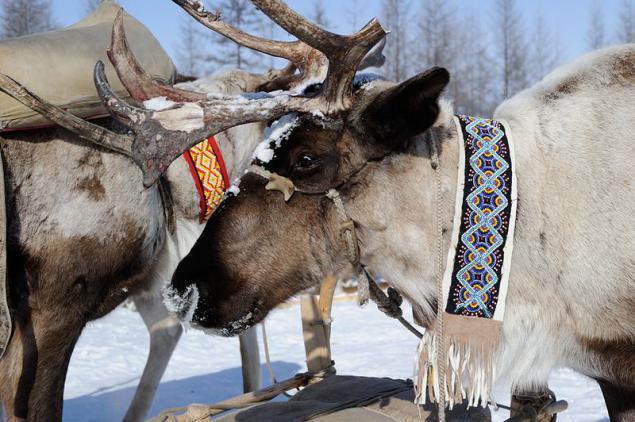
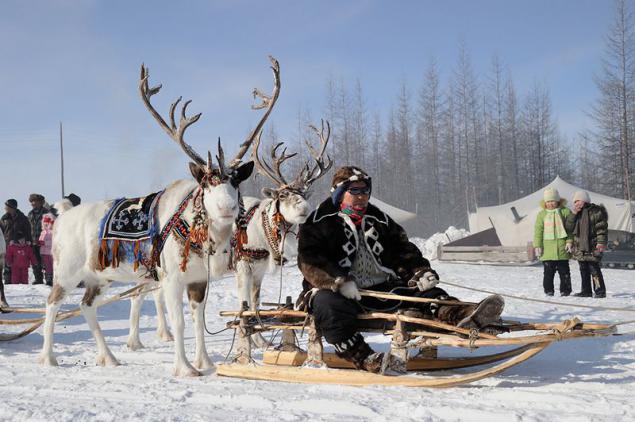
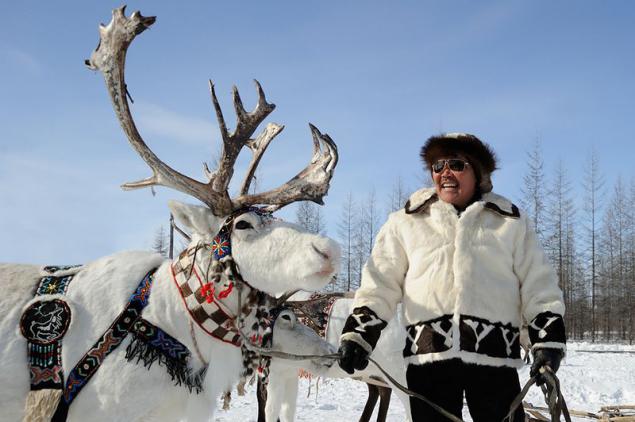
The smallest and most mundane items of clothing and household items amaze with the richness and complexity of ornamental beaded embroidery.
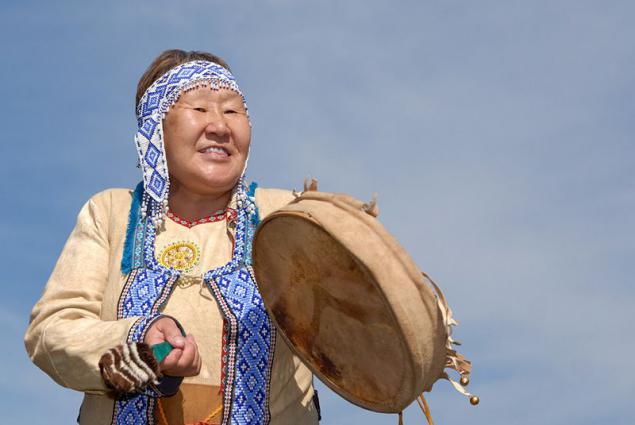
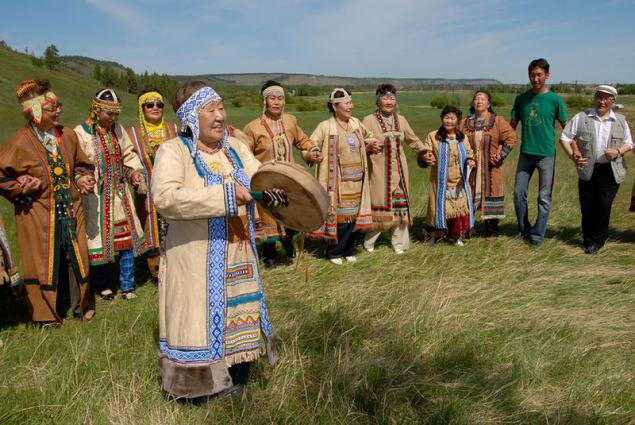
The ornaments showed social and age and gender differences, and some decorative elements served as a kind of calendar. There was also a ritual meaning in jewelry - it was believed that the ringing of metal pendants scares away evil spirits and protects the owner.
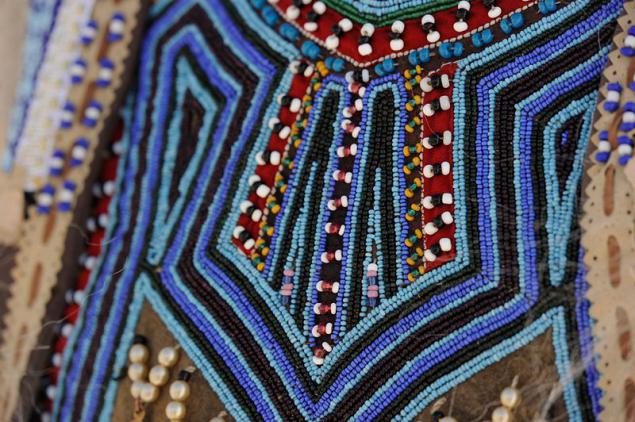
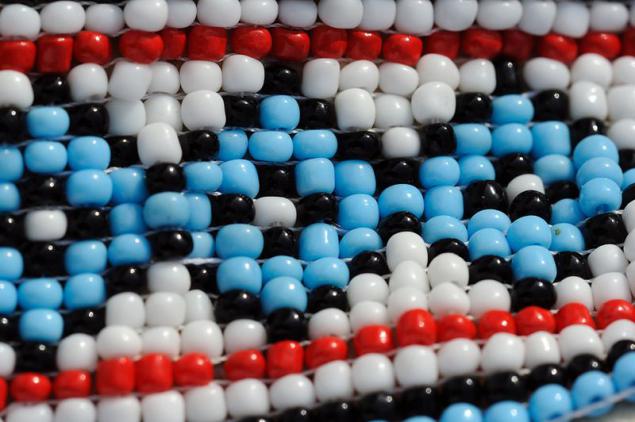
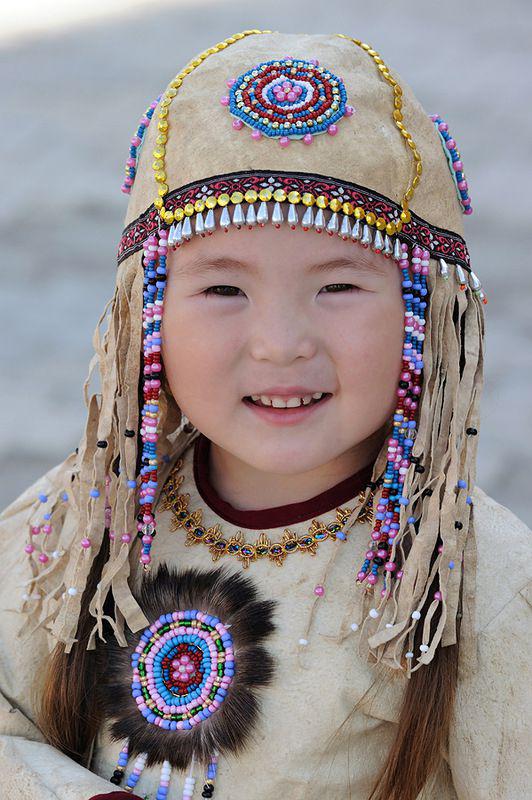
"… The incessant jingle of trinkets accompanies every movement of the Lamut girl... "
Olsufiev A.V. General Sketch of the Anadyr District, Its Economic State
and the life of the population. St. Petersburg: Printing House of the Imperial Academy of Sciences, 1896. — P. 135.
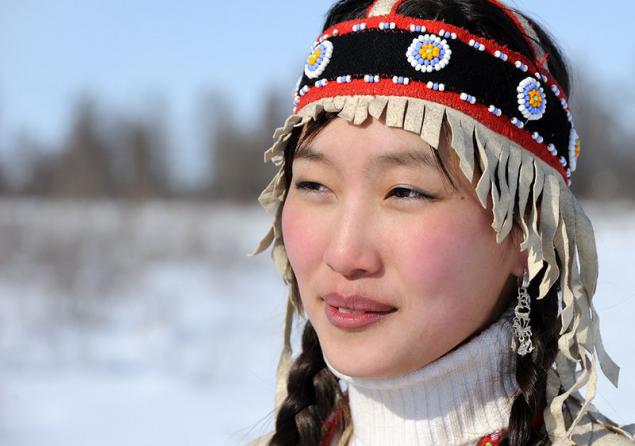
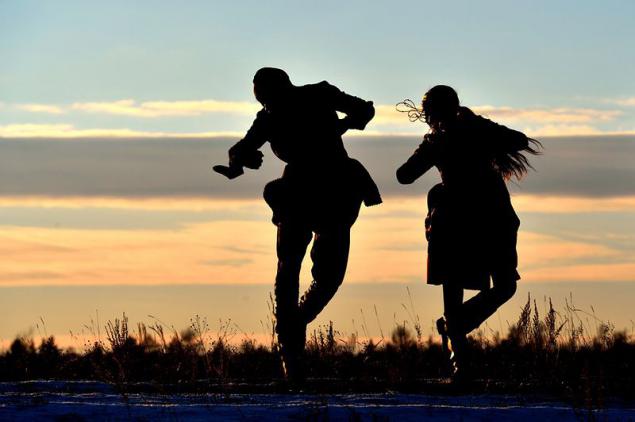
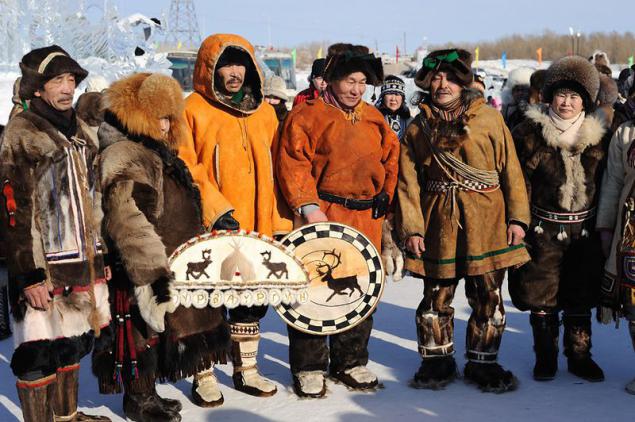
As with all peoples, each ornament has its own meaning. One of the most famous patterns is "checkerboard". It means deer trails. The patterns are also based on images of the horns of a snow sheep or deer, traces of various animals, etc.
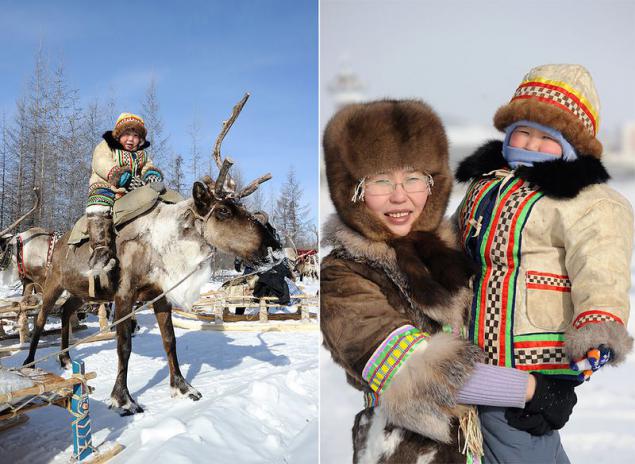
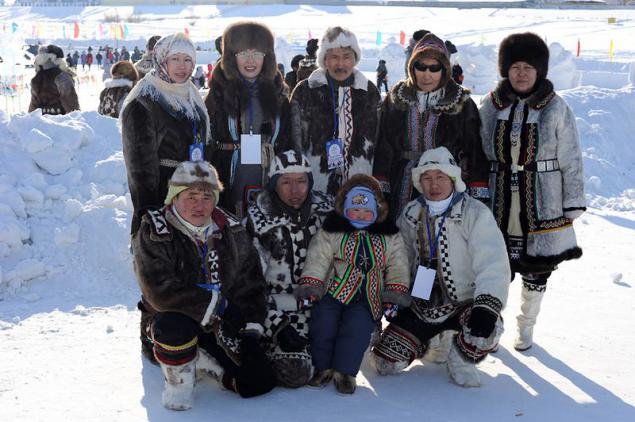
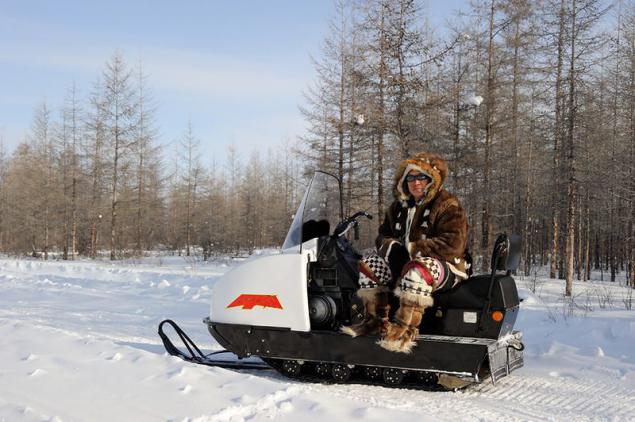
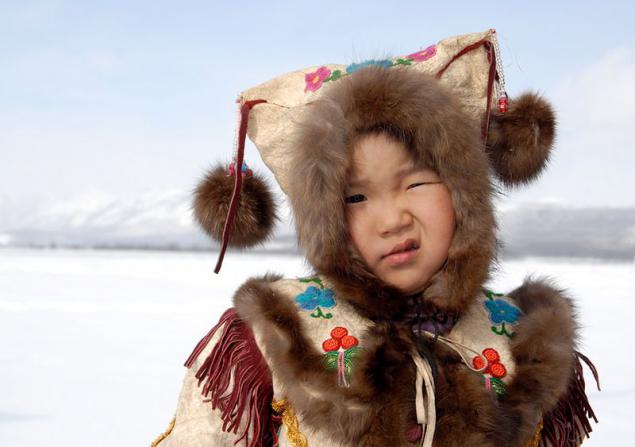
Dolgan delegation at the meeting of reindeer herders (Yakutsk, 2013)
The Dolgan nationality was formed in the 19th and early 20th centuries from the Evenks, Yakuts, local Evenks, individual families of Enets and the so-called tundra peasants who migrated from the Lena and Olenek rivers. The Brockhaus and Efron Encyclopedic Dictionary, published in the late 19th and early 20th centuries, notes that "some part of the Yakuts moved to the Yenisei province, to the Turukhansk region, where they managed to completely embrace the Dolgans - a small Tungus tribe, just like the Russians, abandoned in the far corners of the Yakut region." V. V. Ushnitsky in his work "Tunguska clans of Yakutia of the XVII century: issues of origin and ethnicity" writes:
"There are two points of view on the origin of the Dolgans. The first is that the Dolgans are an independent ethnos in origin, with their own independent culture and language, and the second is that the Dolgans are one of the groups of northern Yakut reindeer herders. The historical figure of Dygynchi, the prince of the Dolgans, deserves attention. He is also mentioned on the Yan as the prince of the "Yukaghirs". Apparently, the Dolgans fled to the Yana to the Yukaghirs. His image entered the folklore of the northern Yakut reindeer herders under the name of Darinchi, his son Yungkeebil already lived and acted on Olenka."
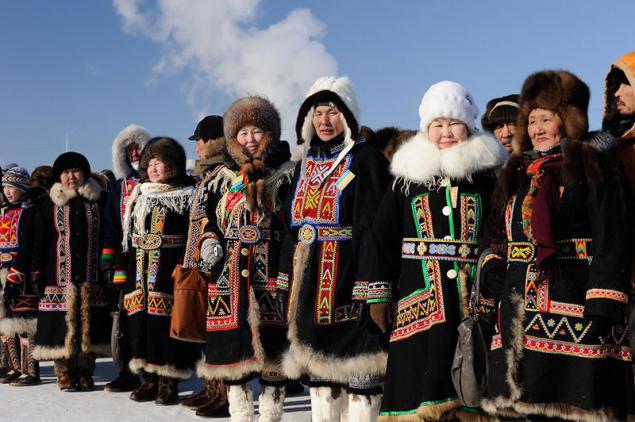
Colorful Russian shawls from Soviet times are very popular here and look very harmonious against the background of northern ornaments.
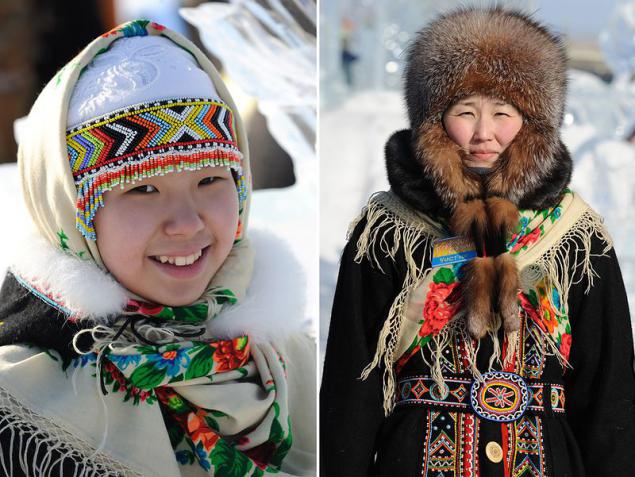
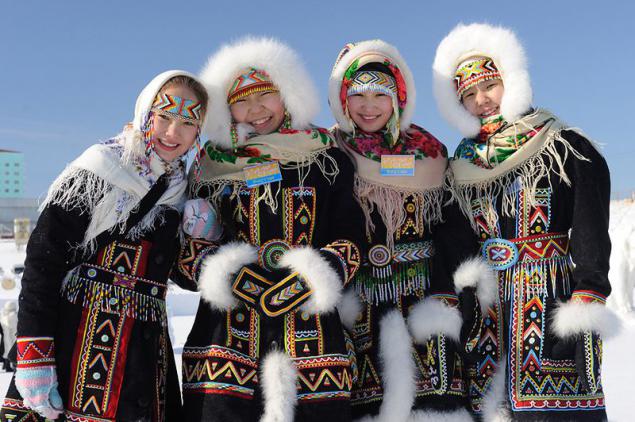
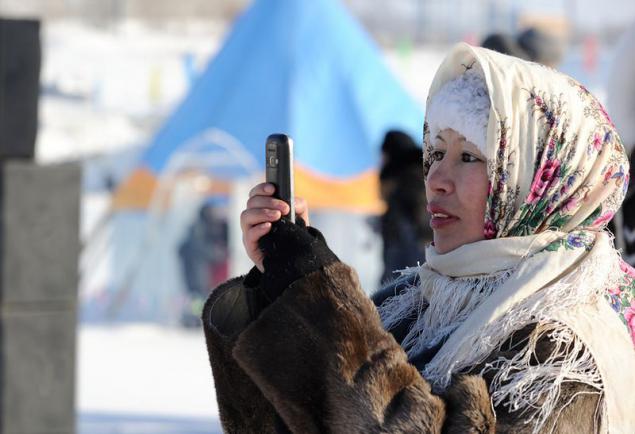
The Chukchi of Yakutia demonstrate their outfits.

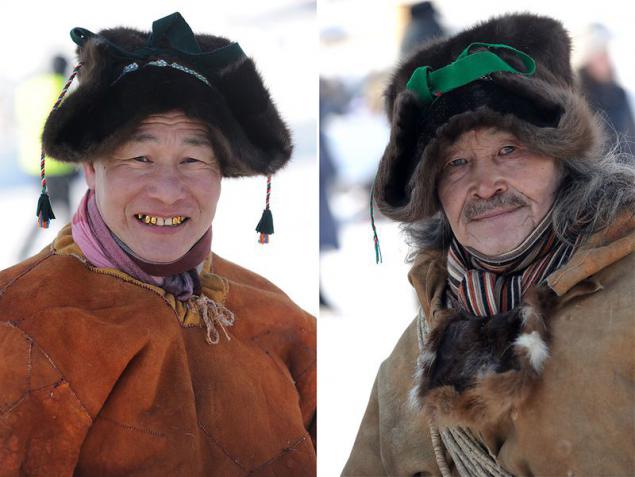
Various natural dyes are used to dye tanned leather. For example, an infusion of alder bark or dust.
Evenki Dutkina Vera Alexandrovna. She is from the Tomsk region and came to Yakutia back in the 70s. Vera Alexandrovna said that the apron she shows belonged to her grandmother.
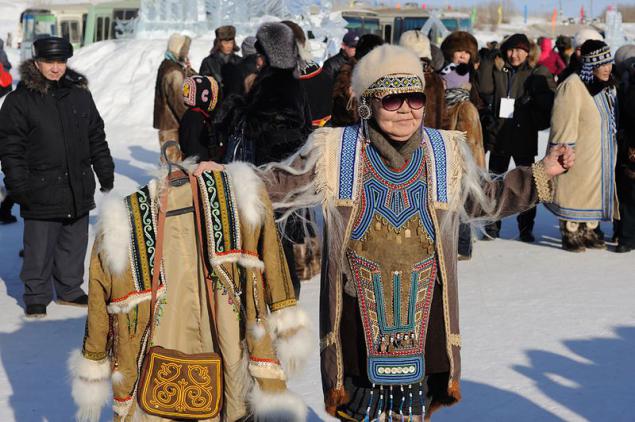
One of the most common ways of decorating clothes, shoes, hats, and household items among the indigenous peoples of the North is fur mosaic. Compositions of contrasting color pieces of fur, sewn together, are cut out by hand or according to a template in the form of stripes, rhombuses, triangles, circles and other geometric shapes.
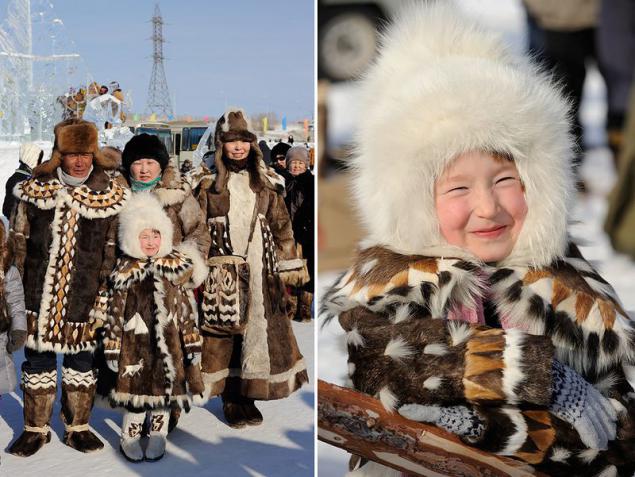
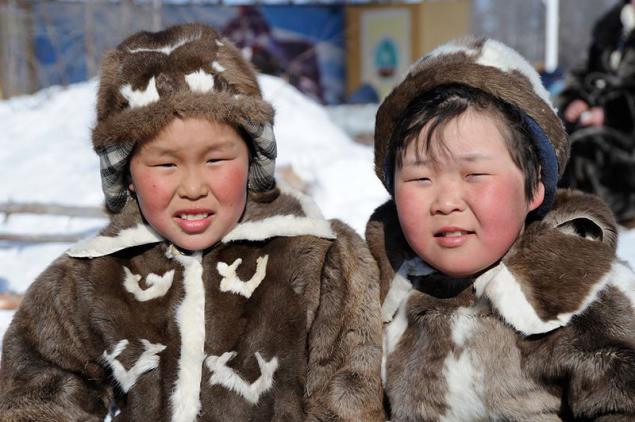
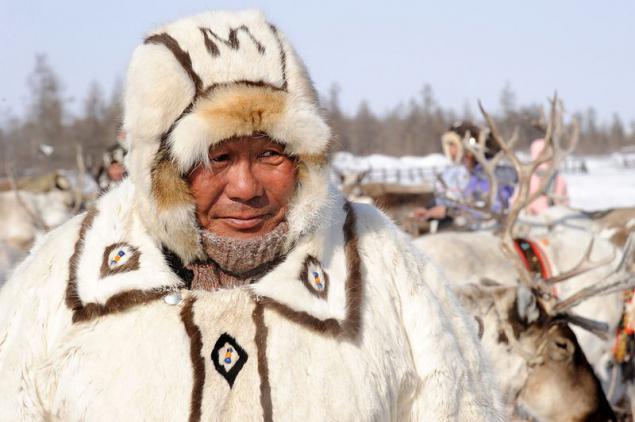
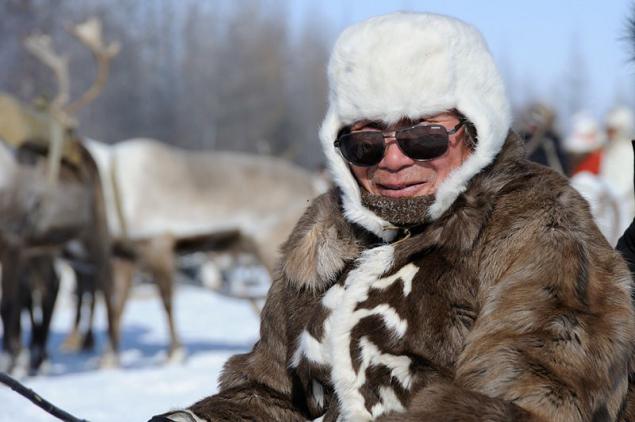
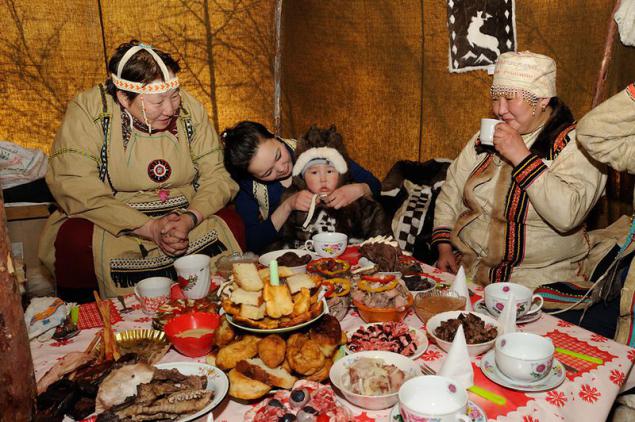
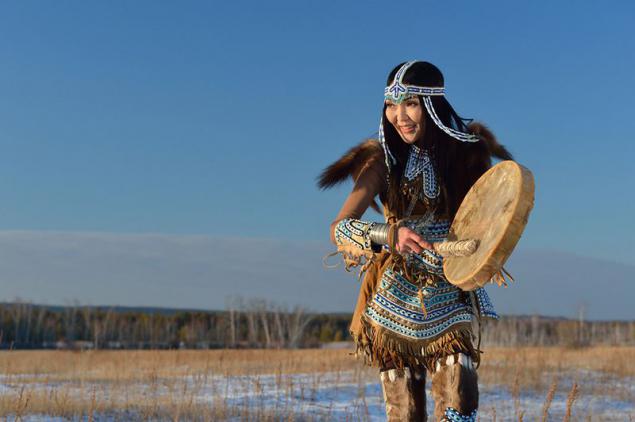
Traditional summer clothes are sewn from rovduga, but since the dressing of skins is quite laborious, and they weigh a lot, nowadays in many dance groups instead of tanned leather they use either fabric or factory suede.
Evenk singer Sinilga
Source: sachaja.livejournal.com