1129
Bukhara Roma-Luli
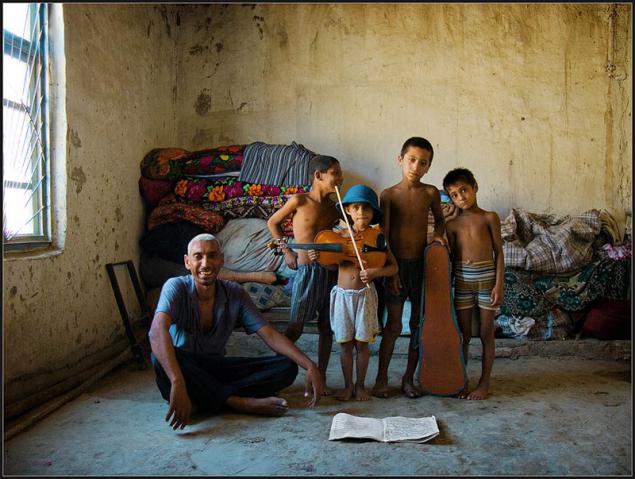
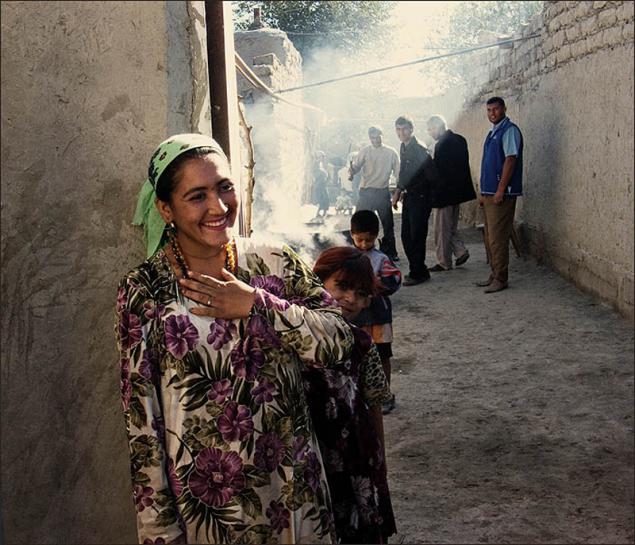
Once upon a time poor parents, they had a son and daughter, Liu Li. Once the country has come a conqueror whose parents fled in the confusion of lost children. Orphaned Liu and Lee went to look for them - each chose his own way. A few years later they met and do not know each other get married. When the truth was opened, Mullah cursed them, and since then the curse pursues their descendants who are called "Luli". This is one of the legends that can be heard from the current number of elderly unusual group of "Luli" living in Central Asia. It attempts to explain not only the origin of the word "Luli" not having any translation from one language, but also to emphasize the isolation of the group despised the surrounding population.
The story with a sad ending, of course, fantastic. Russian travelers and scientists who conducted the research in Central Asia and have found striking similarities with the European Roma Luli, offered a scientific hypothesis.
12 ph via prophotos_ru
1. Central Asian Roma (and Roma in general) - natives of India, which once belonged to one of the lower castes of Hindu society.
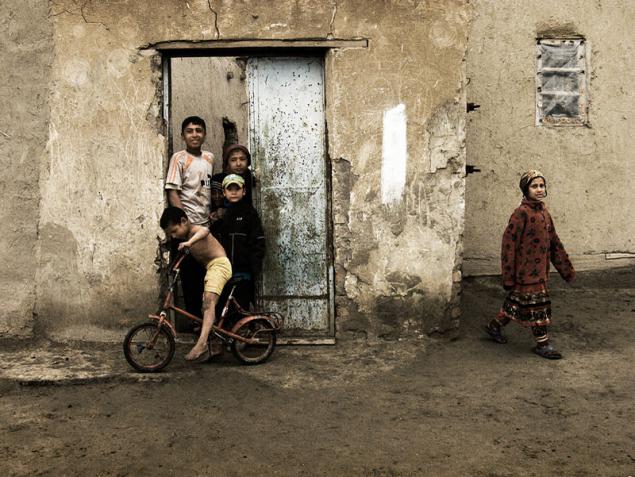
2. Experts, in particular, have noticed that in the "Shahnameh" by Ferdowsi medieval Persian writer in one of the legends speak of resettlement from India to Persia 12 thousand. Artists "Luri" sent a gift to the Persian ruler of the genus Sassanid Bahram Guru in the V at. BC
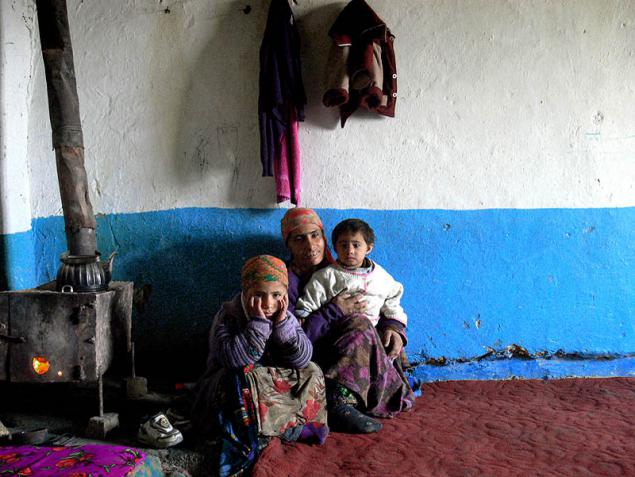
3. The scientists hypothesized that the name "Lurie" or "Luli", linked with the city Arur, or Al-rur, - the ancient capital of Sindh Raja, one of the areas of north-western India.
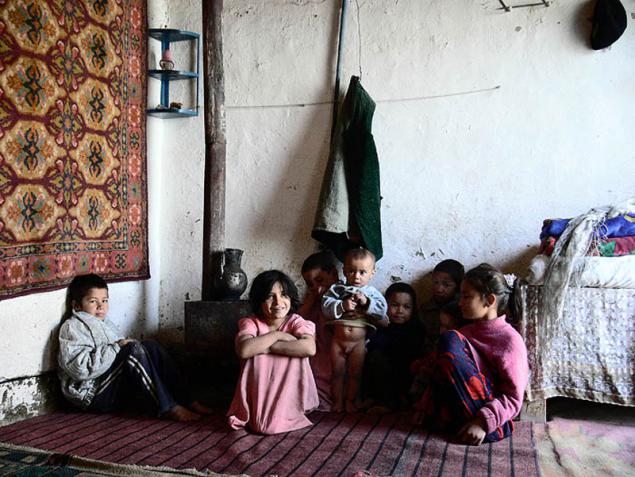
4. The group of artists settled down in a new place, and preserving its seclusion and professional specialization, caste has become a kind of gypsy ethnic group.
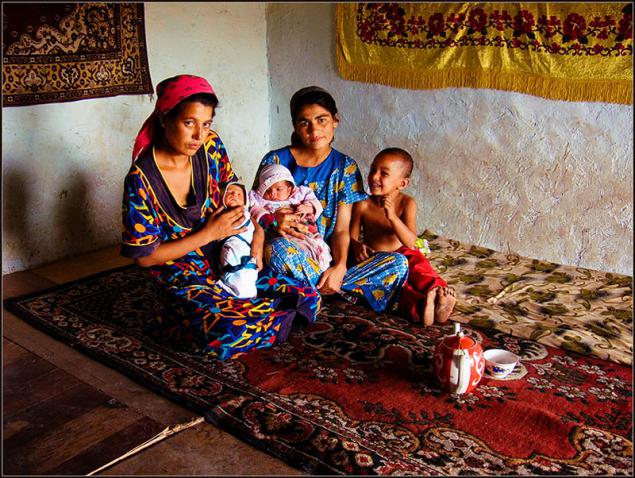
5. Descent of Sindh began Luli Persia and Central Asia. In Persian dictionary word "Luli" still means "people engaged in dancing and singing."
6.
7.
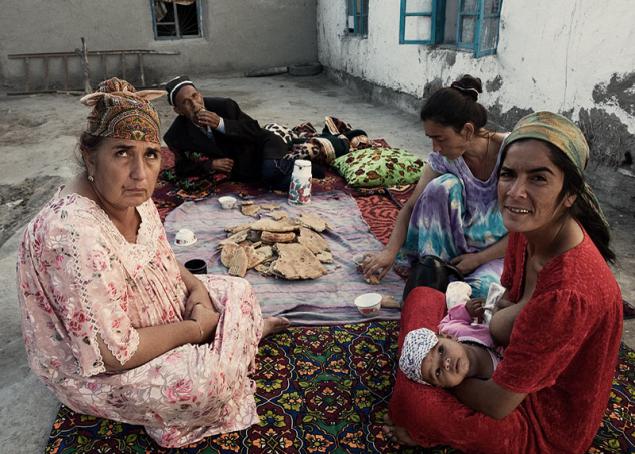
8. Luli / Jugha considered Sunni Muslims, they perform all the rituals (which in the past invited all Roma neighborhood) - circumcision Muslim funeral prayers-nikokh weddings.
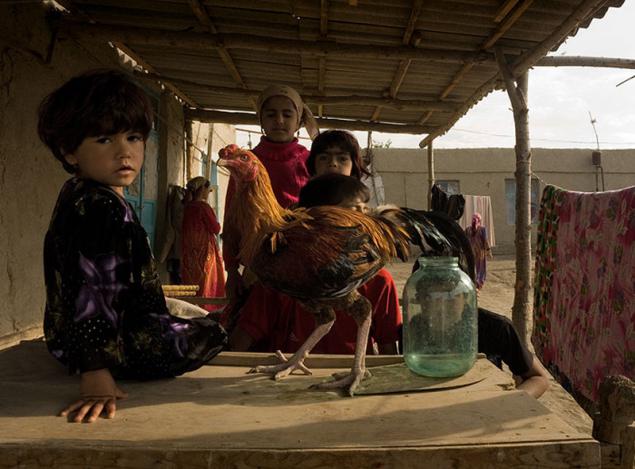
9. A more religious were settled gypsies, less religious - wandering.
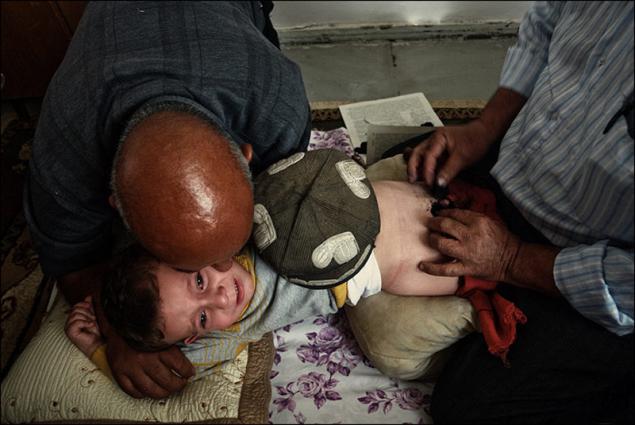
10. Circumcision.
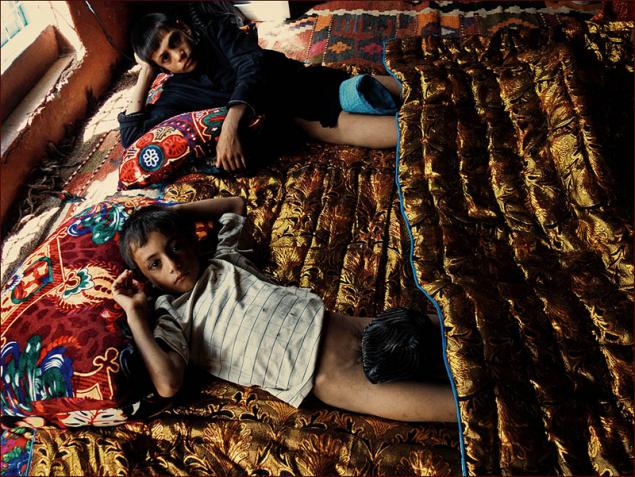
11. The most numerous of these groups - the local Roma, who live in Central Asia has long been.
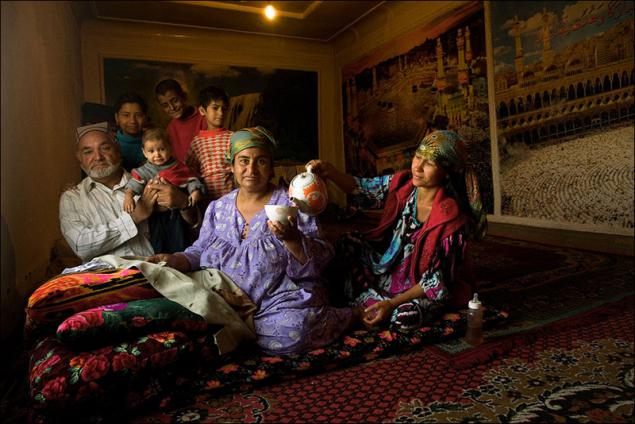
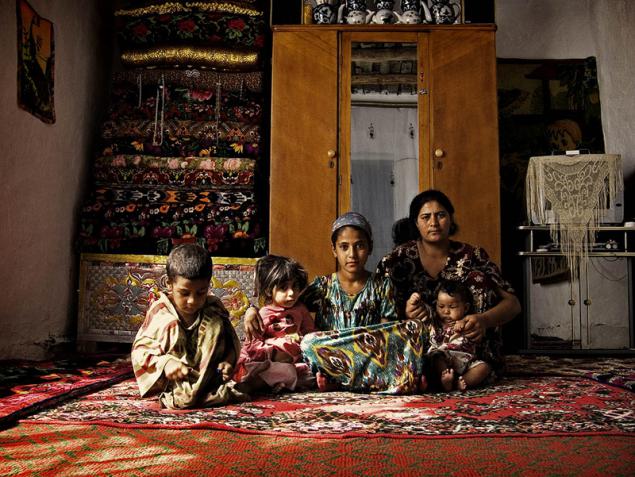
12. They call themselves "Mugat" (Arab. Plural of "Moog" - fire-worshiper, a Gentile), sometimes "Gurbat" (in Arabic - "chuzhestrannost, loneliness, rootless"). The surrounding population if the Uzbeks, calling them "Luli" if the Tajiks (especially in the southern regions of Central Asia, where the word "Luli" is not used) - "Jugha" (in some Indian languages - "a poor hermit"). In some areas, groups of wandering gypsies called "Multon" (apparently the name of Sindhi Multan), sedentary - "Koshiba," ie, craftsman.
Source: ">