1219
Budker Institute of Nuclear Physics
Institute of Nuclear Physics. Budker Russian Academy of Sciences - Institute, established in 1958 in Novosibirsk Akademgorodok on the basis of the laboratory of new methods of acceleration of the Institute of Atomic Energy, headed by IV Kurchatov. INP - the largest institute of Russian Academy of Sciences. The total number of employees of the institute is about 2900 people. Among the scientific staff of the Institute 5 member of the Russian Academy of Sciences, 6 corresponding members of the Russian Academy of Sciences, 60 doctors, 160 candidates of sciences. INP is fairly impressive amount of work for the Large Hadron Collider at CERN.
41 photos via gelio-nsk
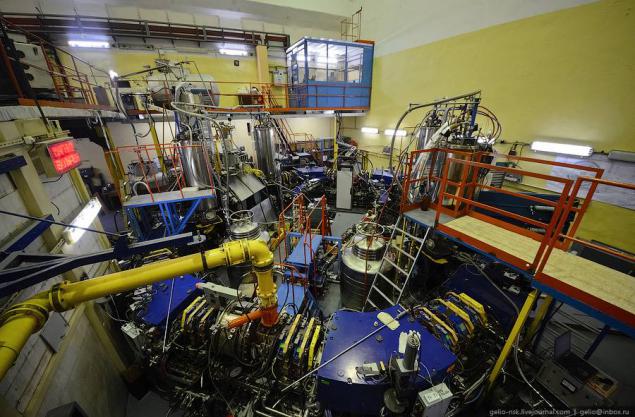
2. Since this all started: VEP-1 (colliding electron beams)
The world's first collider, built in 1963 to explore the possibilities of their use in experiments in elementary particle physics. VEP-1 - the only one in the history of the collider, which beams circulated and face in the vertical plane.
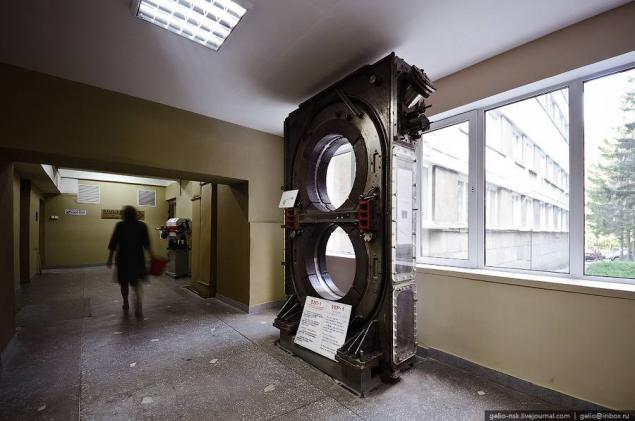
3. Now BINP are two of the accelerator: VEhPP-4 and VEhPP 2000.
Electron-positron collider VEhPP 2000, the development of which began in 2000, has become a sort of younger brother of the Large Hadron Collider. If the energy of the particle collider in Europe reached 100 GeV per beam (total energy - 200 GeV), the Siberian Collider at exactly 100 times weaker - 2000 MeV and 2 GeV.
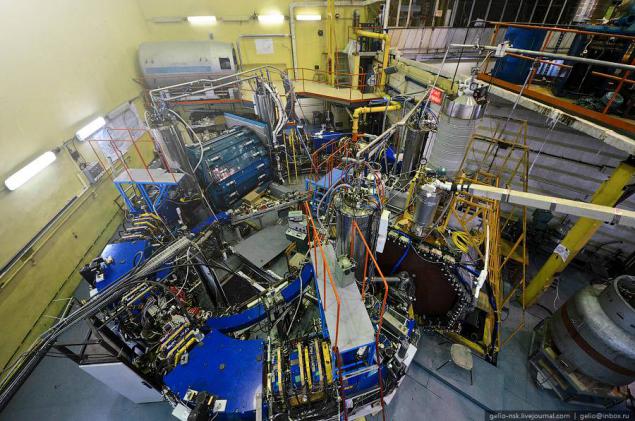
4. One of the main tasks of the new collider - with the highest precision to measure the parameters of the annihilation of electron-positron pairs into hadrons - mesons and baryons. Positrons and electrons - the particle and antiparticle - collisions can annihilate entirely transformed into electromagnetic radiation. However, at certain energies, these collisions can produce other particles - consisting of two (mesons) or three quarks (baryons - protons and neutrons).
The internal structure of protons and neutrons is still not fully known.
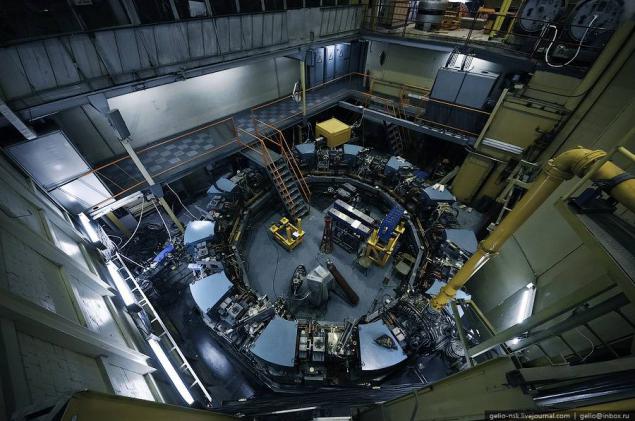
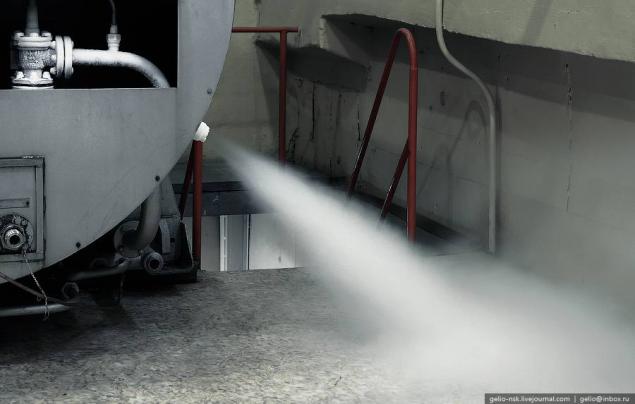
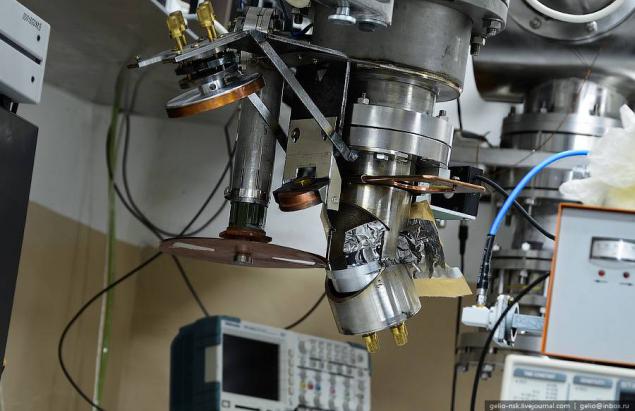
5. Quenching leg with nitrogen.
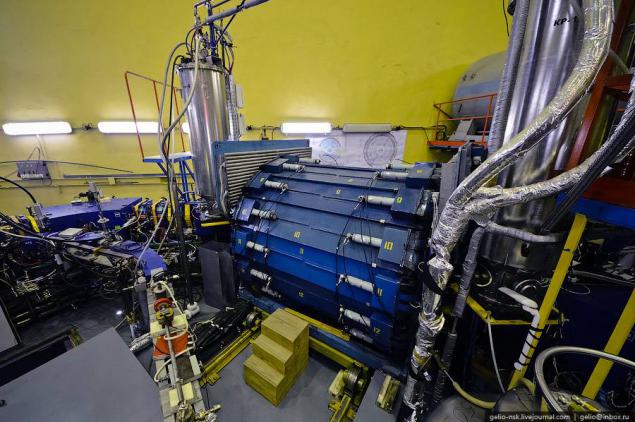
6. I was told that at the moment it is one of the most powerful magnets in the world.
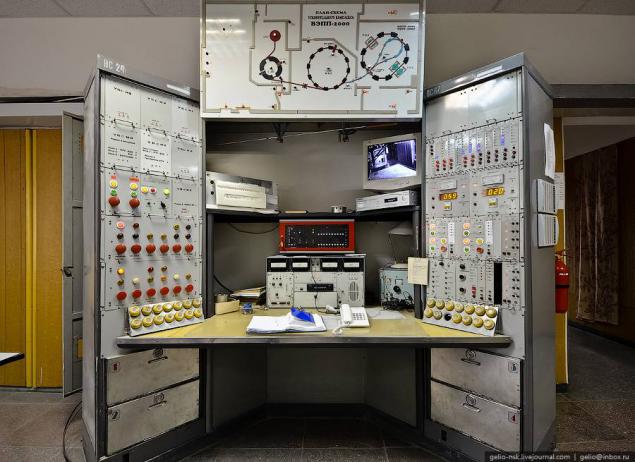
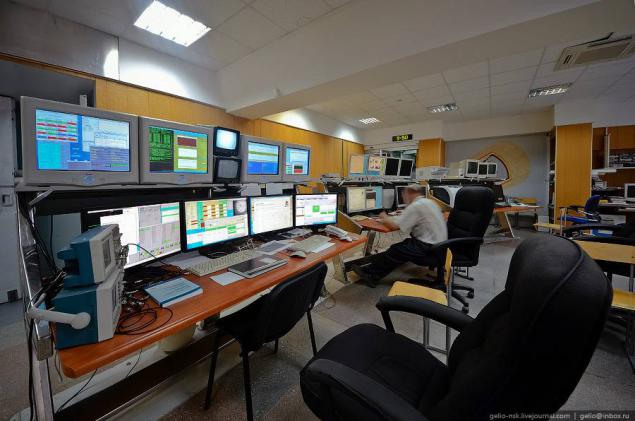
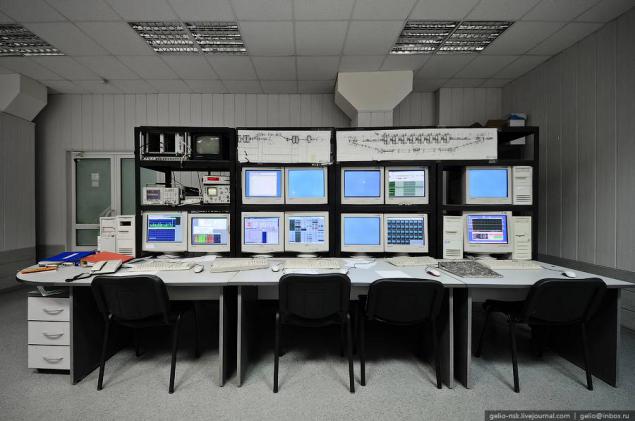
7. Management VEhPP 2000
8.
9.
10.

11

12. The accelerator complex VEhPP-4 provides a unique setting for experiments with colliding electron-positron beams of high energy. Complex VEhPP-4 includes an injector (beam energy of 350 MeV) VEPP-3 (up to 2 GeV) and electron-positron collider VEhPP-4M (6 GeV).
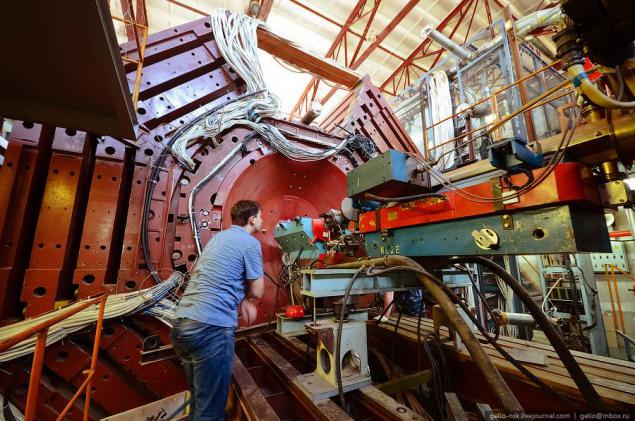
13. Collider VEhPP-4M with a universal detector of elementary particles CEDAR designed for experiments on high-energy physics.
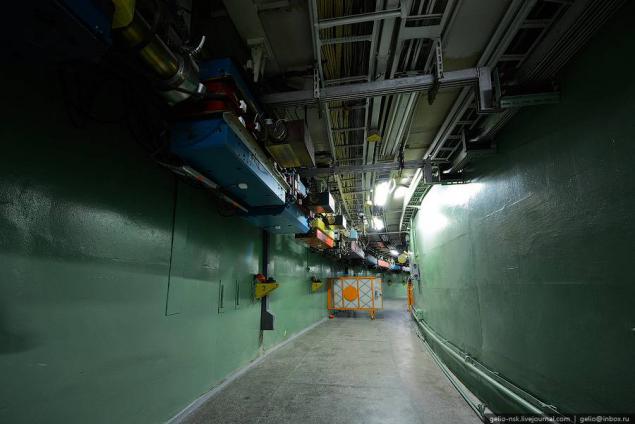
14. VEhPP-4M implemented a system for measuring the energy of particles by resonant depolarization with a relative error of 10-7 is not achieved in any other laboratory in the world. This technique makes it possible to measure the masses of elementary particles with extremely high precision.
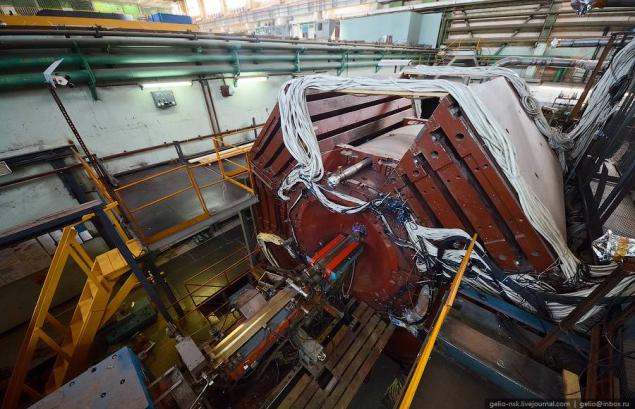
15. In recent years, the aim of most of the experiments is a precise measurement of the mass of elementary particles.
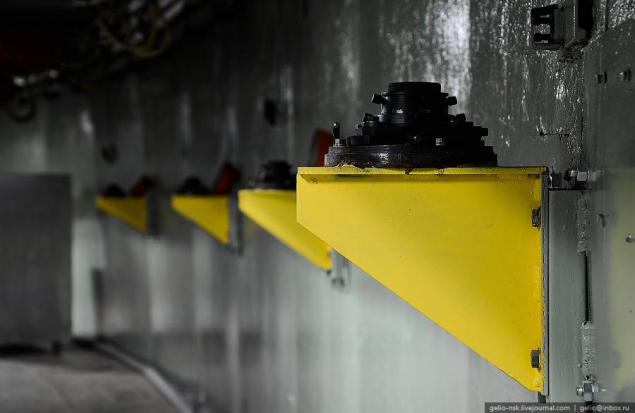
16. In high-energy physics at VEPP-4 conducted studies using extracted beams of synchrotron radiation. Main directions - materials science, the study of explosive processes, archeology, biology and medicine, nanotechnology and so on. D.
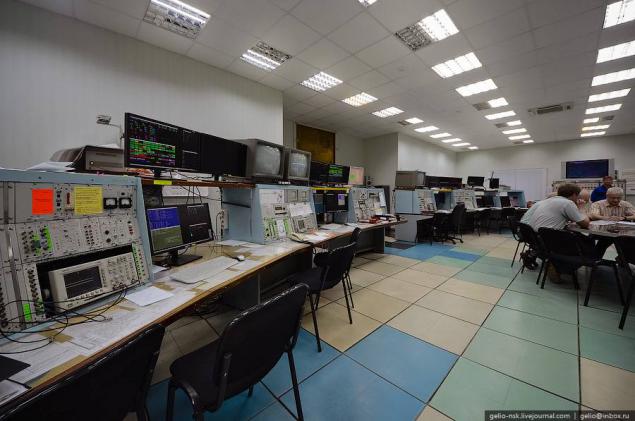
17. On complex installations VEhPP-4 conduct research for more than 30 Russian and foreign organizations, including the institutions of the Russian Academy of Sciences Novosibirsk, Yekaterinburg, Krasnoyarsk, Tomsk, St. Petersburg, Moscow and others., As well as foreign institutions from Germany, France, Italy Switzerland, Spain, the USA, Japan and South Korea.
18.
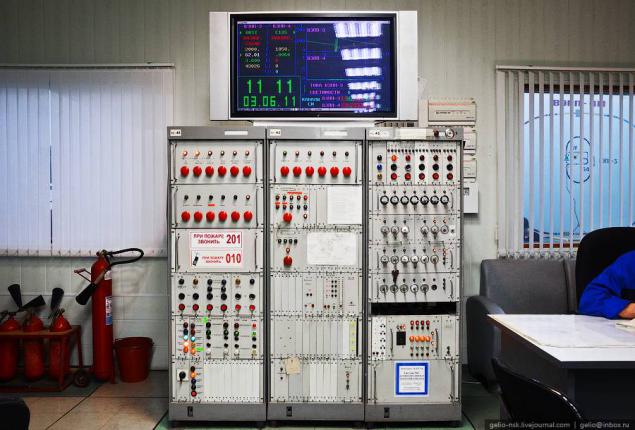
19. Perimeter VEhPP-4m is 366 meters.
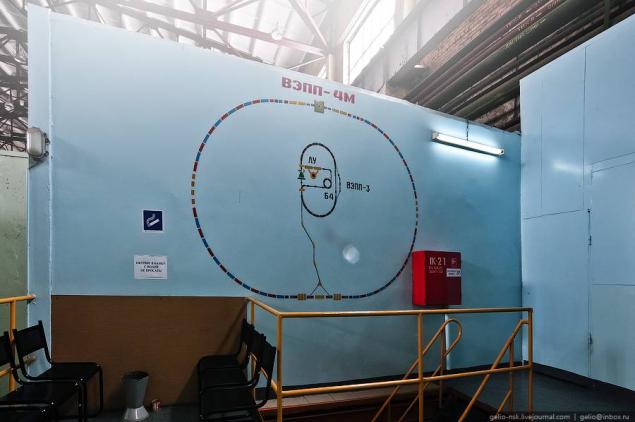
20. His half-rings are underground
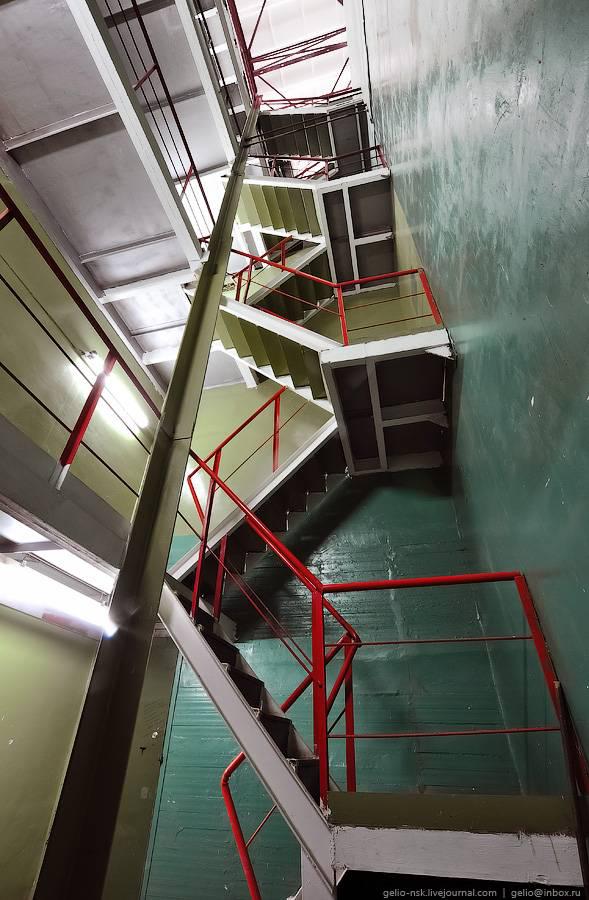
21. VEPP-3 conducted experiments on nuclear physics, on the inside of the gas target, which is a record of the intensity of the stream of gas (hydrogen or deuterium), administered directly into the vacuum chamber.
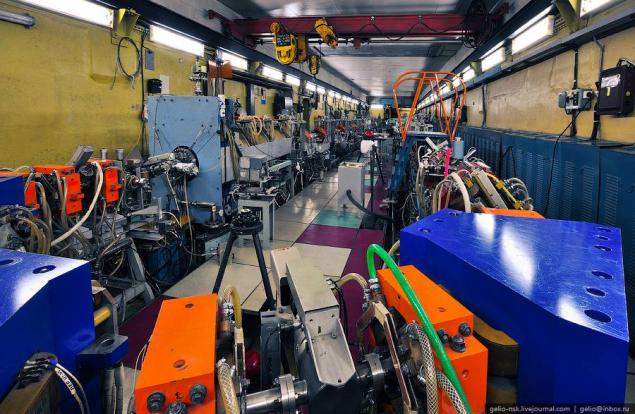
22. Length VEPP-3 is 74.4 m, the injection energy of 350 MeV, the maximum energy of 2000 MeV
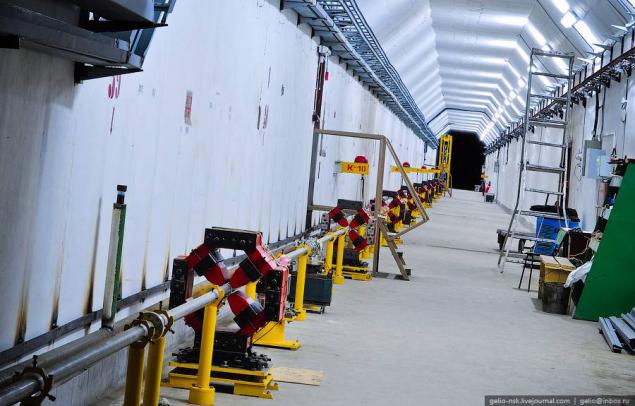
23. The main directions of VEhPP-3 is currently the accumulation and injection of electrons and positrons in the collider VEhPP-4M, work as a source of synchrotron radiation and experiments with the internal gas target, the scattering of electrons by polarized deuterons.
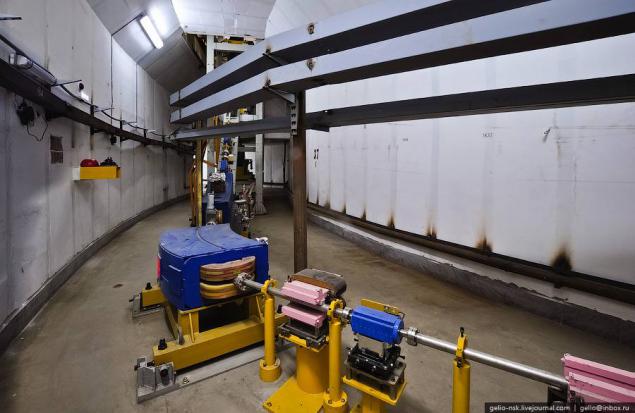
24. The drive-cooler injection complex.
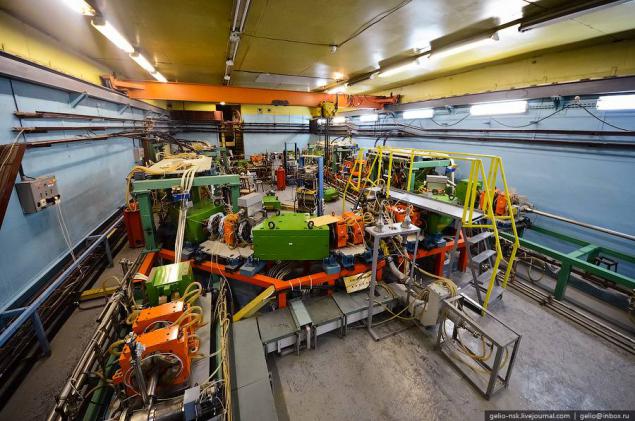
25.
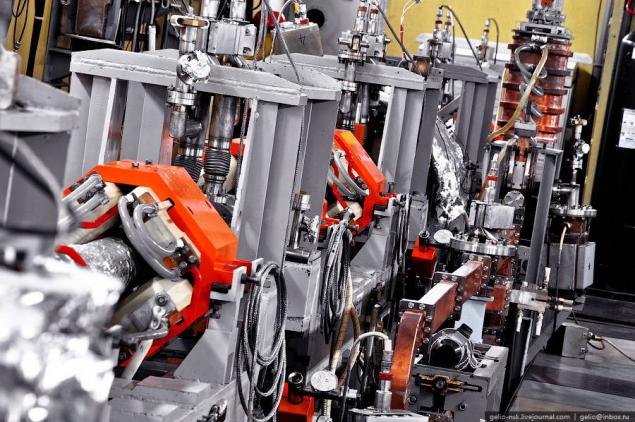
26.
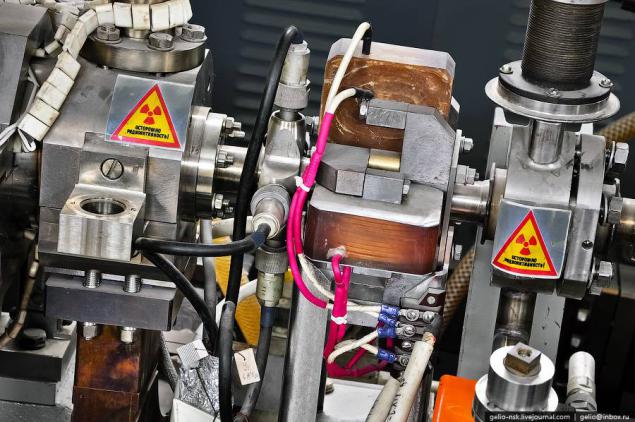
27. Installation of GDL (gas-dynamic trap) is a stand for the experimental study of important physical problems that are associated with the retention of the fusion plasma in long open-type magnetic systems. Among the issues isleduemyh physics longitudinal loss of particles and energy, balance and magnetohydrodynamic stability of the plasma, microinstability.
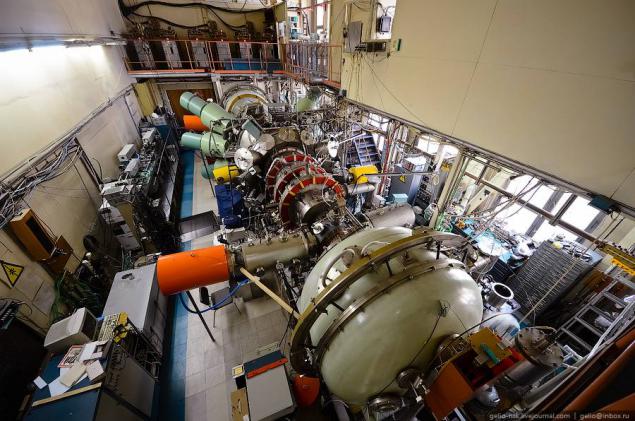
28. Experiments with the GDL gave an answer to some classical problems of the physics of hot plasma.
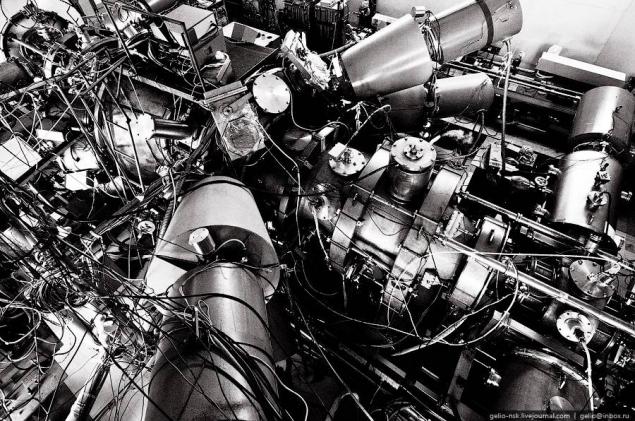
29. The installation of the GDT upgraded. The purpose of modernization - be used to heat the plasma powerful atomic injectors of the new generation. These injectors are estimated to give an opportunity to get the record parameters of hot plasma, which will conduct a series of experiments on a detailed study of the physics of confinement and heating of plasma with the parameters specific to fusion reactors of the future.
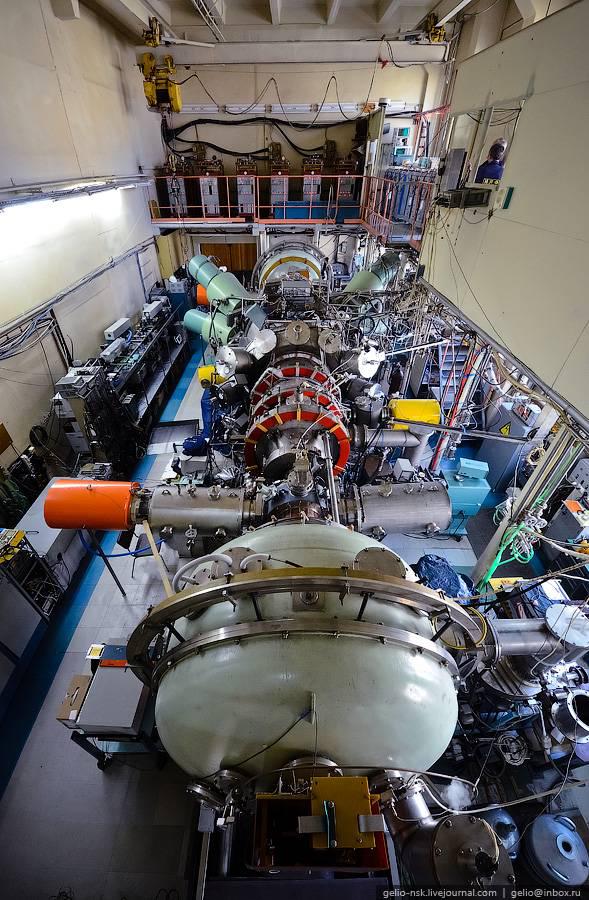
30. mnogoprobochnoj trap GOL-3 plasma.
On the GOL-3 conducted experiments to study plasma-surface interaction. The purpose of these experiments - the optimal choice of structural materials for nuclear fusion reactor components in contact with the hot plasma.
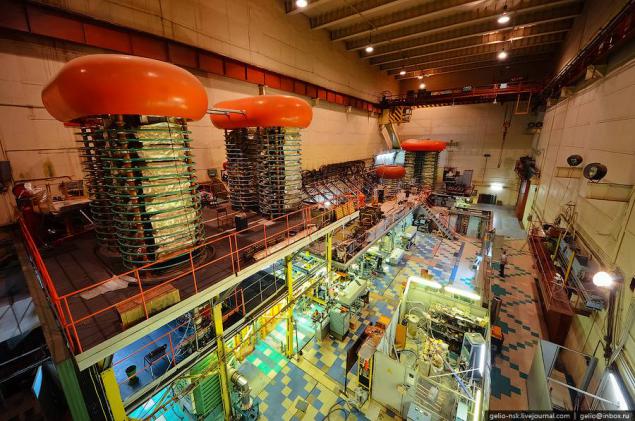
31. Installation of the GOL-3 is a solenoid, which is put on a plurality of coils (110 pieces), created inside the tube a powerful magnetic field. Prior to installation work, vacuum pumps pumped the air out of the tube, and then is injected into the deuterium atoms. Then, the contents of the tube needs to be heated to tens of millions of degrees by passing a beam of charged particles.
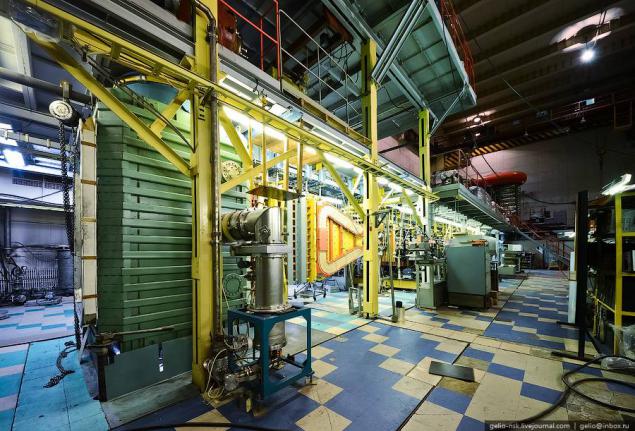
32. The heating takes place in two stages - thanks to the electric charge is achieved by pre-heating of up to 20 thousand degrees, and then the "injection" of the electron beam is heated to 50-60 million degrees. In this state, the plasma is confined only fractions of seconds - during this time instruments snmayut readings for later analysis.
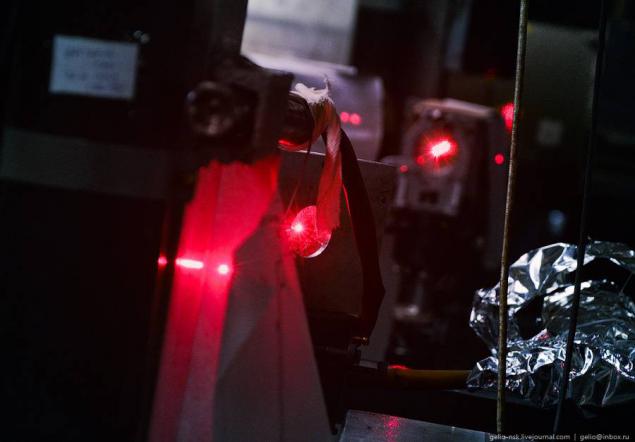
33. All this time, the coil is energized, they create a magnetic field around five Tesla.
Such a strong field, obeying the laws of physics, the coil tends to break apart, and to prevent this, they are secured with strong steel fasteners.
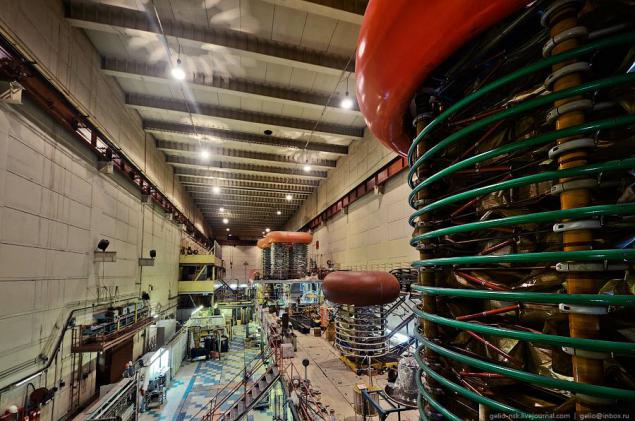
34. Total for the day is a few "shots", consumes about 30ti MW electrical power each. This energy comes from hydroelectric power station in Novosibirsk on a separate network.
35
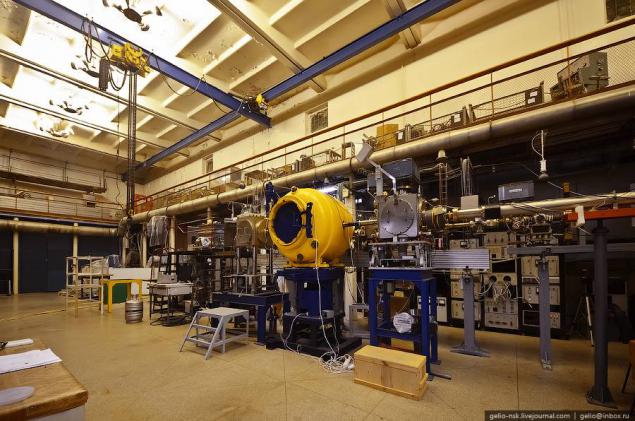
36. Installation of FEL in neighboring IYaFom Institute of Chemical Kinetics and Combustion.
Free-electron lasers consists of two components - the undulator and the optical resonator.
The idea is - a beam of electrons flies through the section with an alternating magnetic field. Under the influence of this field, the electrons are forced to not fly in a straight line, but in a certain sinusoidal weaving path. Making it wags motion relativistic electrons emit light, which falls straight into the optical cavity within which - crazy vacuum (10-10 mm Hg).
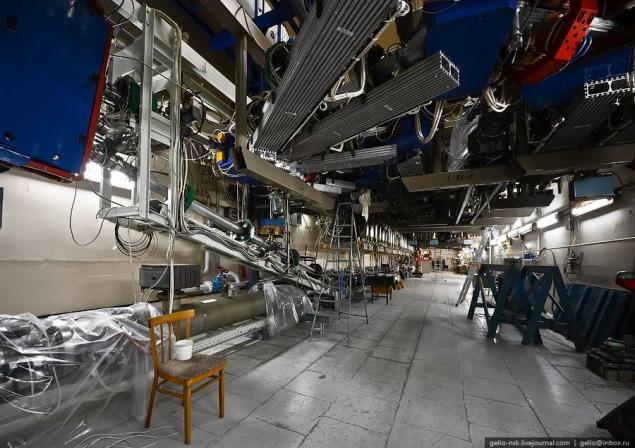
37. At the opposite ends of the tube - two massive copper mirror. On the way from mirror to mirror and back to the light gathering power of decent, part of which is displayed to the user. The electrons, giving energy into electromagnetic radiation, unfolding through the bending magnets, return to the RF resonators and there are inhibited.
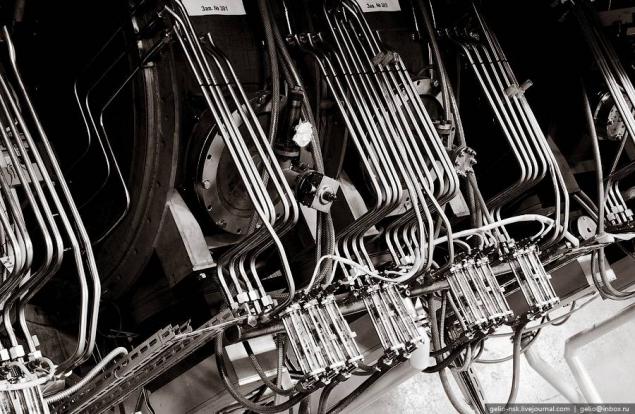
38. The user station, which are now six are located on the second floor outside of the accelerator hall, where the duration of the FEL can not be. Radiation passed to the top of a tube filled with dry nitrogen.
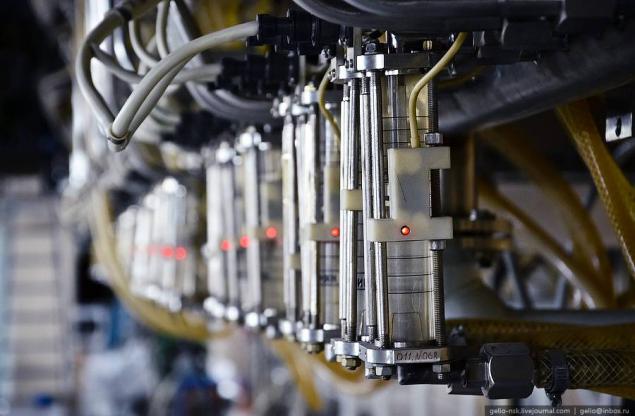
39. In particular, the emission of the installation used by biologists to develop a new method for the study of complex molecular systems.
40. For chemists the opportunity to offer very economical in terms of energy management responses. Physics studies of metamaterials - artificial materials that have a certain range of wavelengths negative refractive index, becoming completely invisible, etc.
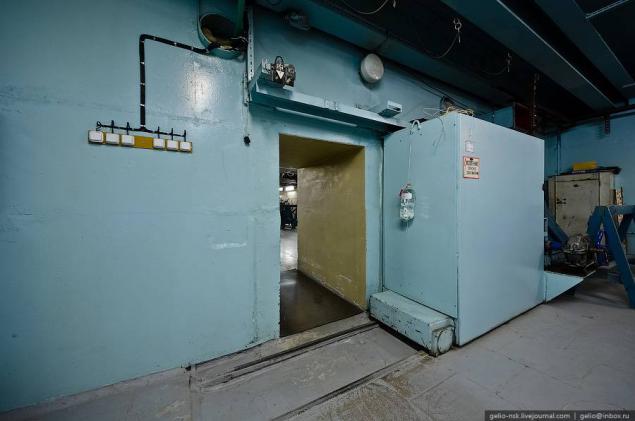
41. As can be seen on the "access door", the building is probably 100-fold safety factor for radiation protection.
Source: ">