2950
Blue-eyed mutants 50,000 shades of gray, and other interesting

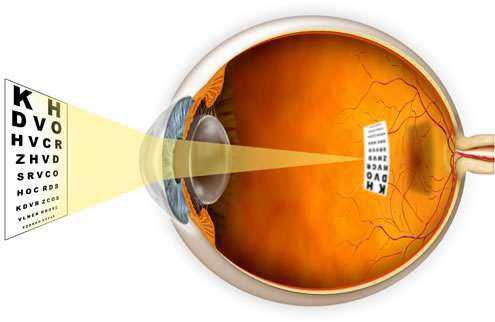
1. Our retina perceives the world upside down, and the brain flips "picture».
To see the world the way it sees your retina, you need to wear glasses prismatic.

2. In addition, the image on the retina receives a divided in two and distorted.
Each half of the brain receives one half of the image, and then collects all the picture you are used to seeing.

3. The retina does not perceive the color red.
Although retinal receptors have red, green and blue colors, "red" receptors perceive only the yellow-green, and "green" blue-green. Brain sochetatet these signals and converts them into the red.

4. Your peripheral (side) vision is very low resolution, and it is almost black and white.
We do not notice this, because during eye movements peripheral parts are filled before you notice a difference.

5. You have blue eyes? All blue-eyed people in the world one ancestor.

6. You have brown eyes? All people in the world were originally brown eyes.
Blue eyes appeared in the form of mutations around 6000 years ago.
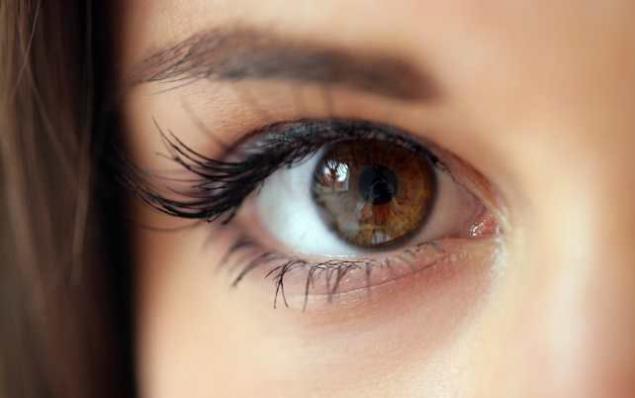
7. If you are blind, but were born with normal vision, in my dreams you still see the image.

8. When you started reading this sentence, you have missed 6 times.
On average we blink 17 times per minute, or 5, 2 million times a year.

9. If you are nearsighted, your eyeball is longer than normal.
If you suffer from hyperopia, it is shorter than usual.
10. Your eyes are practically the same size as at birth.

11. Newborns see at a distance of about 38 cm.
This is about the distance at which the face of the mother during feeding.
12. Your tears acquire a different composition depending on whether the hit mote in the eye, whether you cry or yawn.

13. Your eyes constantly make quick, abrupt movements, called "microsaccades" that objects do not disappear from your kind.
A process called "Troxler's fading" makes static objects disappear if you look at them too long. Microsaccades prevent it.
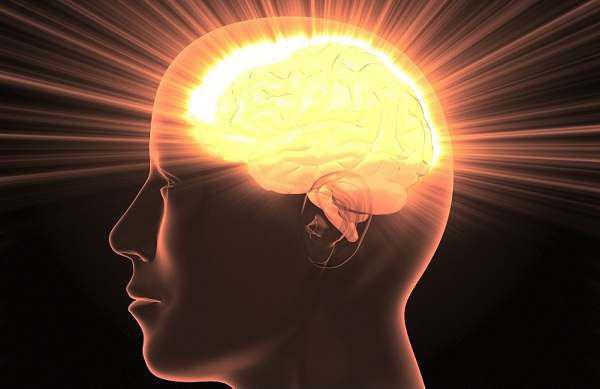
14. Eyes are using 65 percent of the resources of the brain.

15. The most used muscles in the body - eye.
They actively any other muscle in your body.
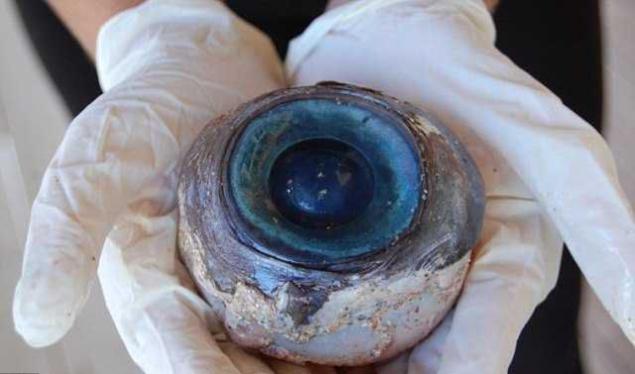
16. giant squid largest eyes in the world.

17. Fear of the eye called ommatofobiya.

18. Sitting at the computer does not harm your eyes, it overstrains eye muscles.

19. Your eyes can distinguish about 50,000 shades of gray.

20. Flashes of light that you see when you rub their eyes are called phosphenes.
Source: www.quora.com