18429
Bacteria under the microscope
Meet the bacteria that make up 90 percent of the living cells in the body. The human body is home to trillions of life forms, ranging from E. coli's rod coli, which uses its three tails to move vigorously inside us, to salmonella bacteria, which cause food poisoning but can live happily on our skin without affecting us in any way.
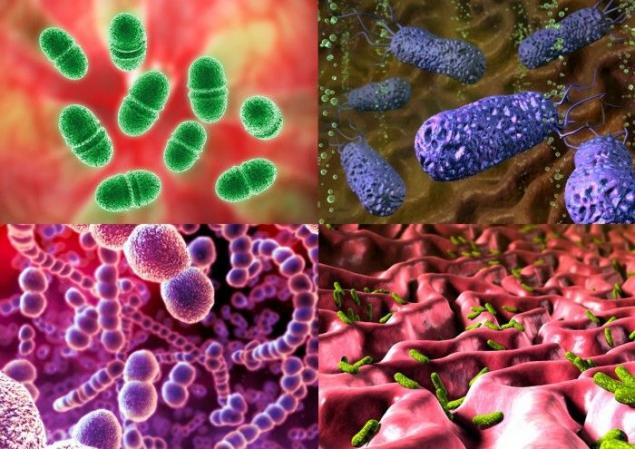
1. Computer image of bacteria (blue and green) on human skin. Many types of bacteria are found on human skin, especially those associated with the secretions of sweat glands and hair follicles. Generally, they do not cause problems, although some of them can cause acne. Bacteria can usually only become a problem if they penetrate the skin, such as through a wound or cut.
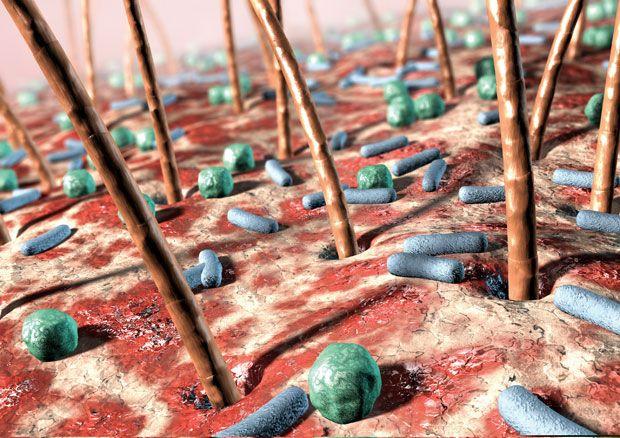
2. There are between 500 and 1000 different species of bacteria in each human body. They multiply, reaching a number of 100 trillion cells – about ten times more than human cells, which make up one organism. Computer-generated image of Helicobacter pylori bacteria in the stomach associated with stomach ulcers and cancer.
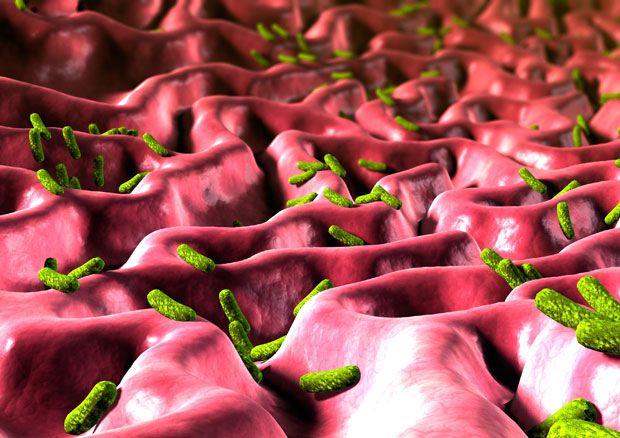
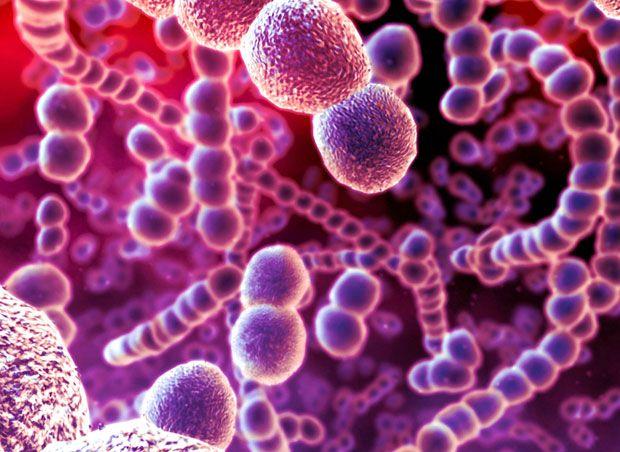
3. Dr. Roy Slittor, a lecturer at the Cork Institute of Technology, says: "The human gut alone contains almost four and a half pounds of bacteria. These are gram-positive oval-shaped bacteria that are one of the causes of pneumonia. They can also cause dangerous infectious lung diseases.
4. The fact that we are made up of so many different bacteria may be alarming, but Dr. Slittordal understands that bacteria are good for us – and without them, we would not survive. "This bacterial-human interaction is largely symbiotic. In exchange for food and nutrition, bacteria help us with digestion, the formation of vitamins and help strengthen our immune system. Computer image of E. coli bacteria inside the intestine. They can cause bacterial diarrhea.
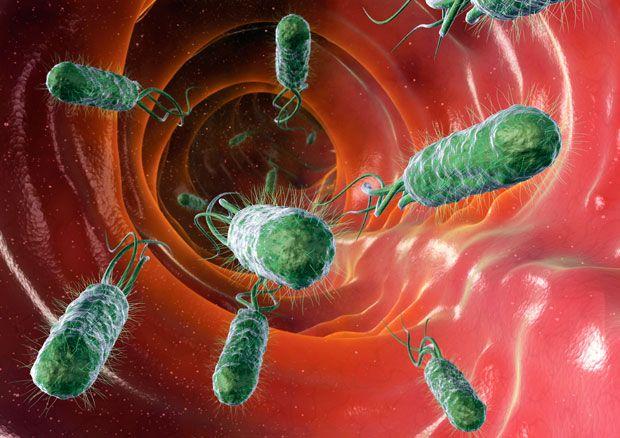
5. Conceptual image of several cocci bacteria on the surface of the cell.
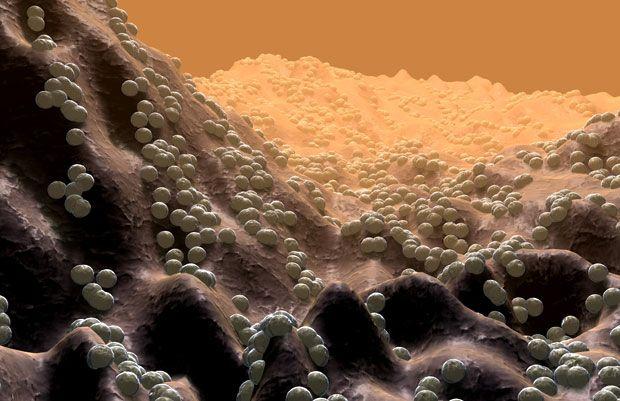
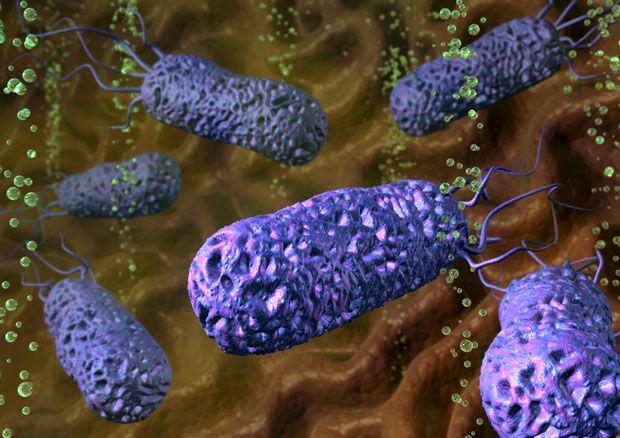
6. Ciliary rod-shaped bacteria. Typical rod-shaped bacteria include E. coli and salmonella.
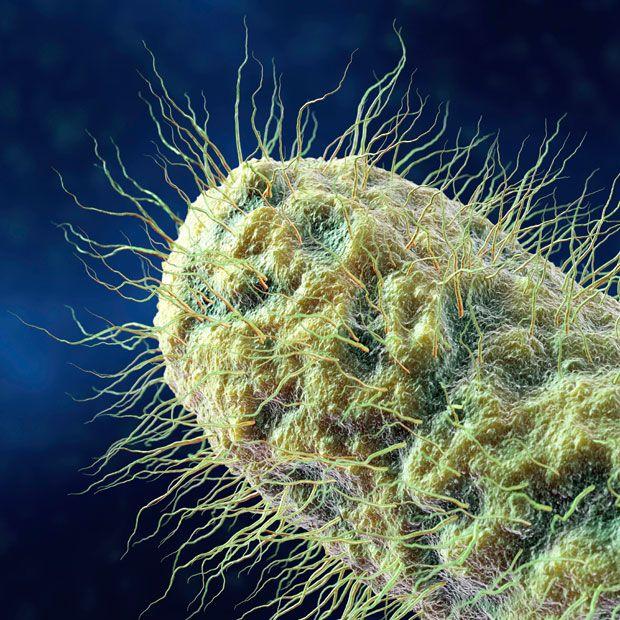
7. Floating bacteria.
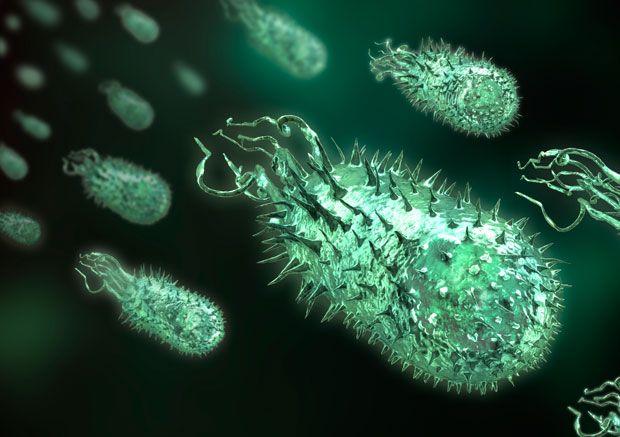
8. Image of Helicobacter pylori obtained using an electron microscope.
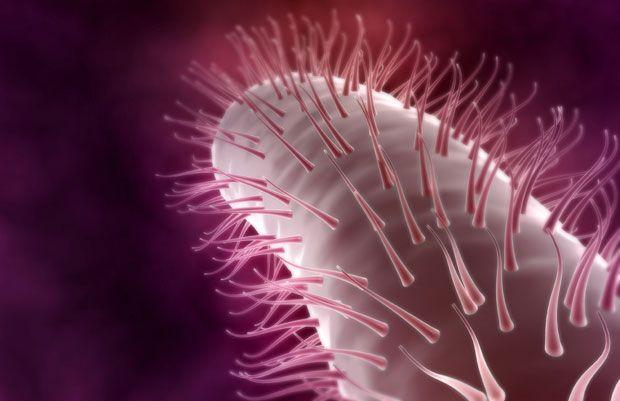
9. Ciliary (with hairs) rod-shaped bacteria.
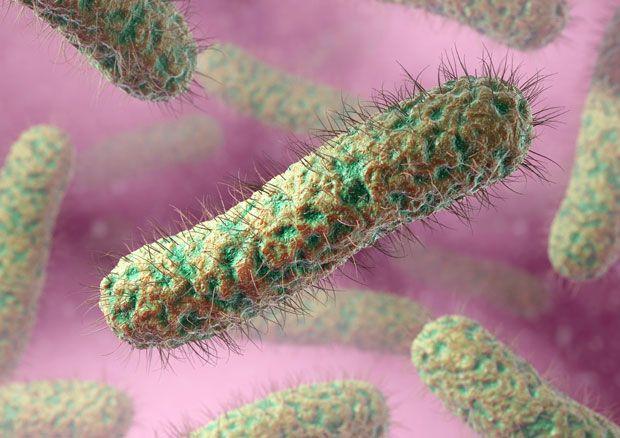
10. Helicobacter pylori bacteria.
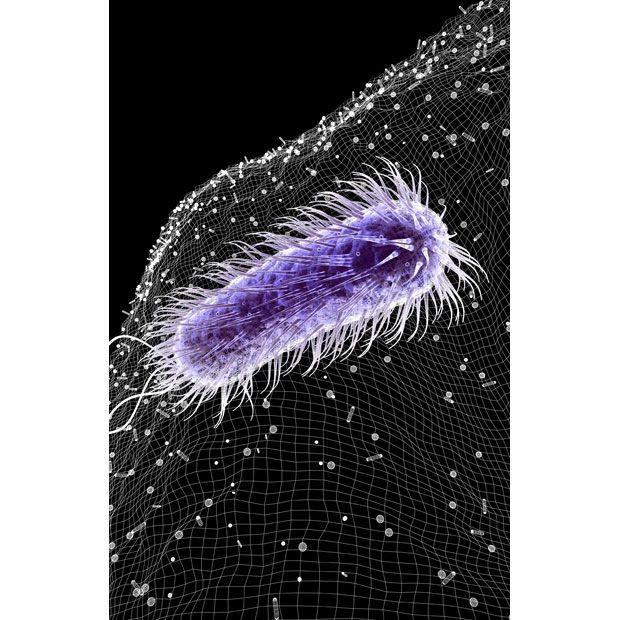
11. Typical rod-shaped E. coli bacteria and salmonella bacteria, These bacteria have flagella (hair-like structures) at one end that allow them to move.
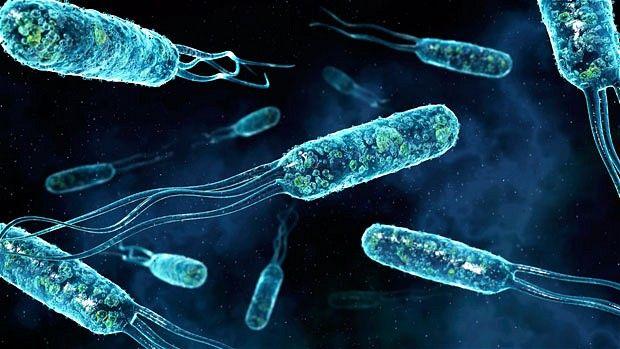
12. Computer image of the bacteria Enterococcus faecalis. The bacterium is one of the so-called superbugs that are resistant to antibiotics.
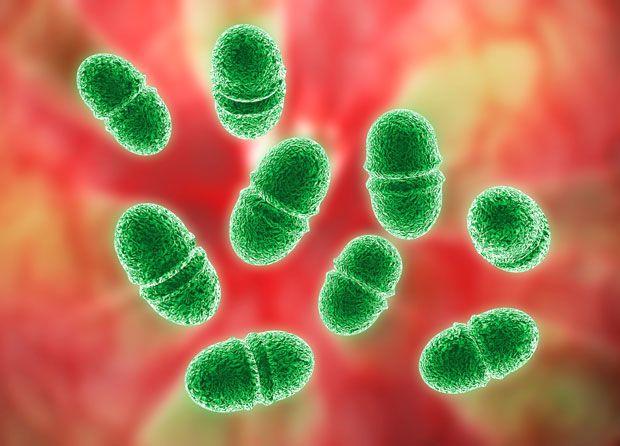
13. Computer image of Helicobacter pylori bacteria in the human stomach. They cause gastritis and are the most common cause of stomach ulcers. They can also cause stomach cancer and cause stomach bleeding.
via Source