7 Silent Screams of the Body: How to Recognize Acute Stress Before a Breakdown
We are used to running. Running when it hurts, when it's scary, when our strength is failing. In the modern world, stopping is often equated with defeat, and fatigue with laziness. But your body is wiser than any deadline. It never lies. When the psyche can no longer cope with the flow of tasks, the body takes the blow, sending SOS signals. First in a whisper, then in a scream. To hear this voice is to choose life, not survival. Let's stop and listen: is there an alarming siren sounding inside you?
The Illusion of Sleep: When Night Brings No Rest
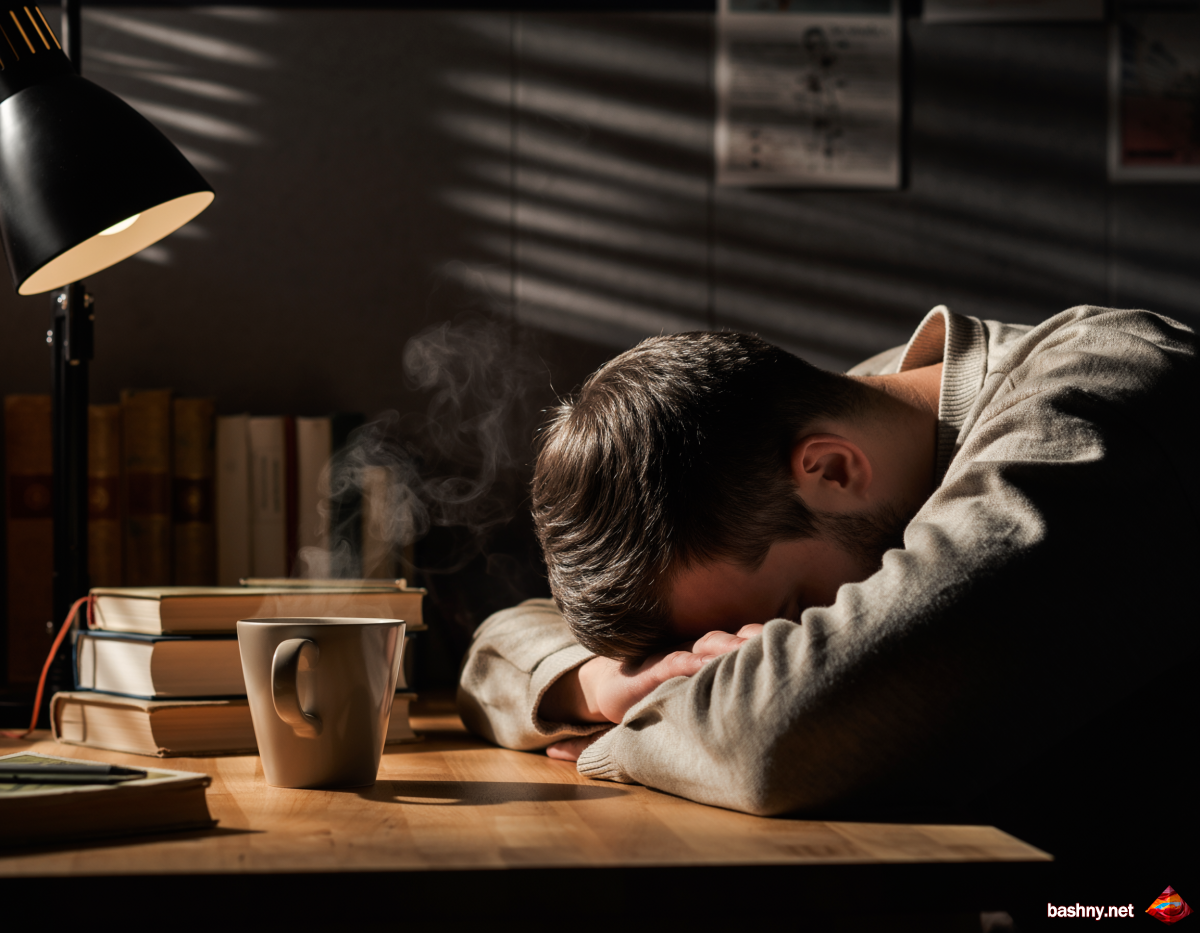
You sleep eight, nine, sometimes ten hours. But when you open your eyes, you feel like you've been unloading train cars full of other people's expectations all night. It's not just "lack of sleep." It's a state where the nervous system is stuck in "fight or flight" mode and continues to scan the space for threats even in sleep.
High levels of cortisol prevent sleep phases from changing smoothly. You fall into darkness, but you don't recover. Morning greets you not with freshness, but with a leaden weight in your eyelids and body.
Healing Ritual: Try to reclaim your evening. Don't just "go to bed," but create a transition. An hour before bed, remove screens (their blue light is a danger signal for the brain). Brew warm herbal tea, take ten slow breaths. Let the body know: "The war is over, you can take off your armor."
Armor on the Shoulders: Pain as a Silent Plea
Pay attention to your shoulders right now. Are they raised? Is your jaw clenched? We often carry an invisible burden of responsibility that takes on a very physical mass. Tension in the neck area, sudden migraines, a feeling of a "hoop" on the head - this is a spasm of blood vessels, a reaction to chronic defense.
Your body turns into stone, trying to protect you from the blows of fate. But this protection is expensive.
Emotional Swings and Thin Skin
It used to be difficult to upset you, but now a dropped spoon causes tears or a flash of anger? It's not a "bad character." It's a depletion of inhibitory neurotransmitters. Your psyche is exposed, like a live wire. Any stimulus - a sound, a word, a look - is perceived as an attack.
In this state, you lose the ability to filter healthily. The world seems hostile, and people are exhausting. It's a plea for silence.
Practice: The "4-7-8" method. Inhale for 4 counts, hold for 7, exhale for 8. This switches the toggle from panic to peace. Allow yourself to be "inconvenient," but alive.
Rebellion Within: When the Gut Says "No"
Doctors call the gut the "second brain," and this is not a metaphor. During acute stress, blood flows from the stomach to the muscles (to run away from the tiger), digestion stops or, conversely, works chaotically. Nausea, heaviness, spasms - these are signs that you cannot "digest" what is happening in life.
Food loses its taste, or, conversely, becomes the only source of comfort. If your gut is rebelling, it is asking you to slow down and start nourishing yourself not only with food, but also with care.
Fog in the Head and Elusive Reality
You walk into a room and forget why. You read a paragraph three times and don't understand the meaning. You lose the thread of the conversation. It's scary, isn't it? But it's not dementia, it's an overload of working memory. The brain, busy with survival, turns off "unnecessary" functions: creativity, long-term planning, concentration.
All resources are thrown into finding a way out of danger, which may not physically exist, but emotionally it is everywhere.

Immunity сдаёт позиции
If you get sick for the fifth time this season, and a simple cold lasts for weeks, it's a red flag. Cortisol suppresses the immune system. The body reasons simply: "Why waste energy fighting viruses if a predator is about to eat us?". Your defense falls, opening the gates to any infection.
Illness often becomes the only legal way for a workaholic to simply lie down and do nothing. Don't bring it to the point where the body puts you to bed by force.
Breath of Fear: Anxiety for No Reason
Sudden heartbeat in the store line. Feeling short of breath before bed. Cold sweat. Panic attacks and background anxiety - this is the culmination of acute stress. It's the psyche's cry: "I can't control this anymore!".
Here it is important to remember: you are not going crazy. You have simply been too strong for too long where you needed to be gentle with yourself.
The Path to Recovery
Recognizing the presence of stress is already half the healing. It's an act of courage. You don't need to "pull yourself together" or "push harder." You need to exhale.
- Grounding: Feel the floor with your feet. Touch textured surfaces. Return to the body.
- Silence: At least 10 minutes a day without incoming information.
- Water: It washes away not only dirt, but also mental dust. A hot shower or bath is your personal temple.
If you recognize yourself in these lines, please don't scold yourself for weakness. Your fatigue is proof that you have been fighting for a long time. Now is the time to lay down your arms and take care of the most important person in your life - yourself. The world will not collapse if you take a break. It will wait. And you only have one of yourself.
