6 Paths of the Hero: From Medea's Rage to Vasilisa's Wisdom
We often think that a hero is someone in shining armor who cuts off a dragon's head, gets a princess, and half a kingdom to boot. A beautiful picture. But if we blow off the dust of ages from the myths, we will see another truth. A hero is not a winner. A hero is someone who went down to hell and came back different. Or didn't come back at all.
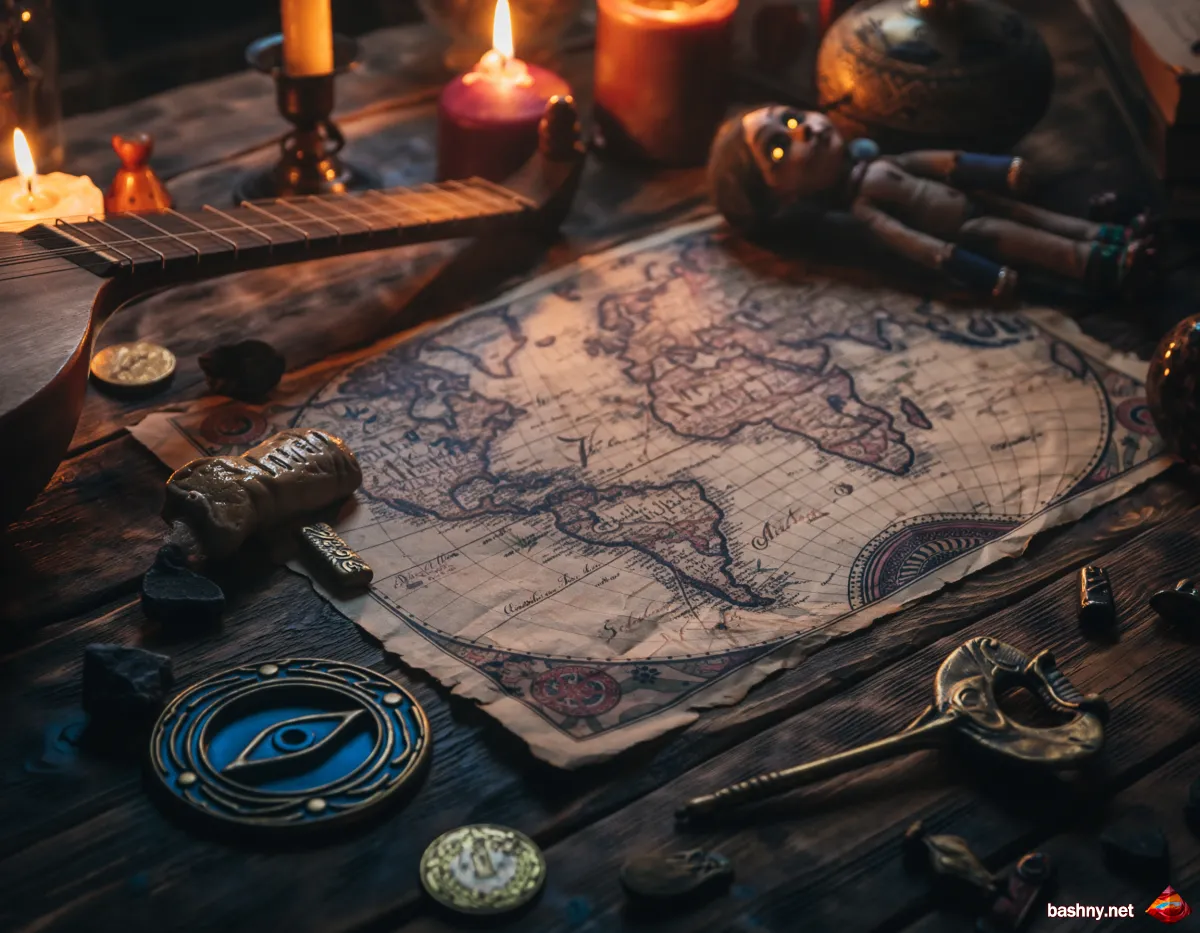
I chose six. Medea, Sadko, Vasilisa, Enkidu, Horus, and Gudrun. A strange company, isn't it? A Sumerian savage, a Russian girl with a doll, an Egyptian god, a Novgorod gusli player, and two women whose stories are steeped in blood. But they have one thing in common: each of them went through an initiation that breaks an ordinary person.
Let's see what they can teach us today. Without pathos. Honestly.
Sacrifice and Mirror: Enkidu and Horus
Let's start with those who gave a part of themselves so that the world would stand. Enkidu and Horus. It would seem, what does Uruk have to do with Egypt, but their pain is common.
Enkidu is a story about how we lose innocence. He was a beast, happy and free, until he met civilization. His path is the path of a *friend*. He is not the main character in his epic, he is the shadow of Gilgamesh. But it is the shadow that makes the light visible. Enkidu dies not in battle, but from illness, in torment and shame, so that Gilgamesh understands: "I am also mortal."
Sometimes our heroism is not about moving mountains, but about becoming a mirror for someone. Even at the cost of one's own life.
And Horus? A son avenging his father. We are used to seeing him as a proud falcon. But we forget that in the battle with Seth, he lost an eye. The Eye of Horus. To resurrect his father, Osiris, Horus had to feed him his own eye. Do you understand this metaphor? To restore order, to heal the clan, you need to give up part of your own sight, part of your integrity.
Growing up is always losing an eye. We stop seeing the world in pink, but we begin to see the truth.
Darkness That Saves: Vasilisa and Sadko
Now let's go down into the darkness. Into the Russian forest and to the bottom of the sea. Here, heroes don't wave swords. They listen.
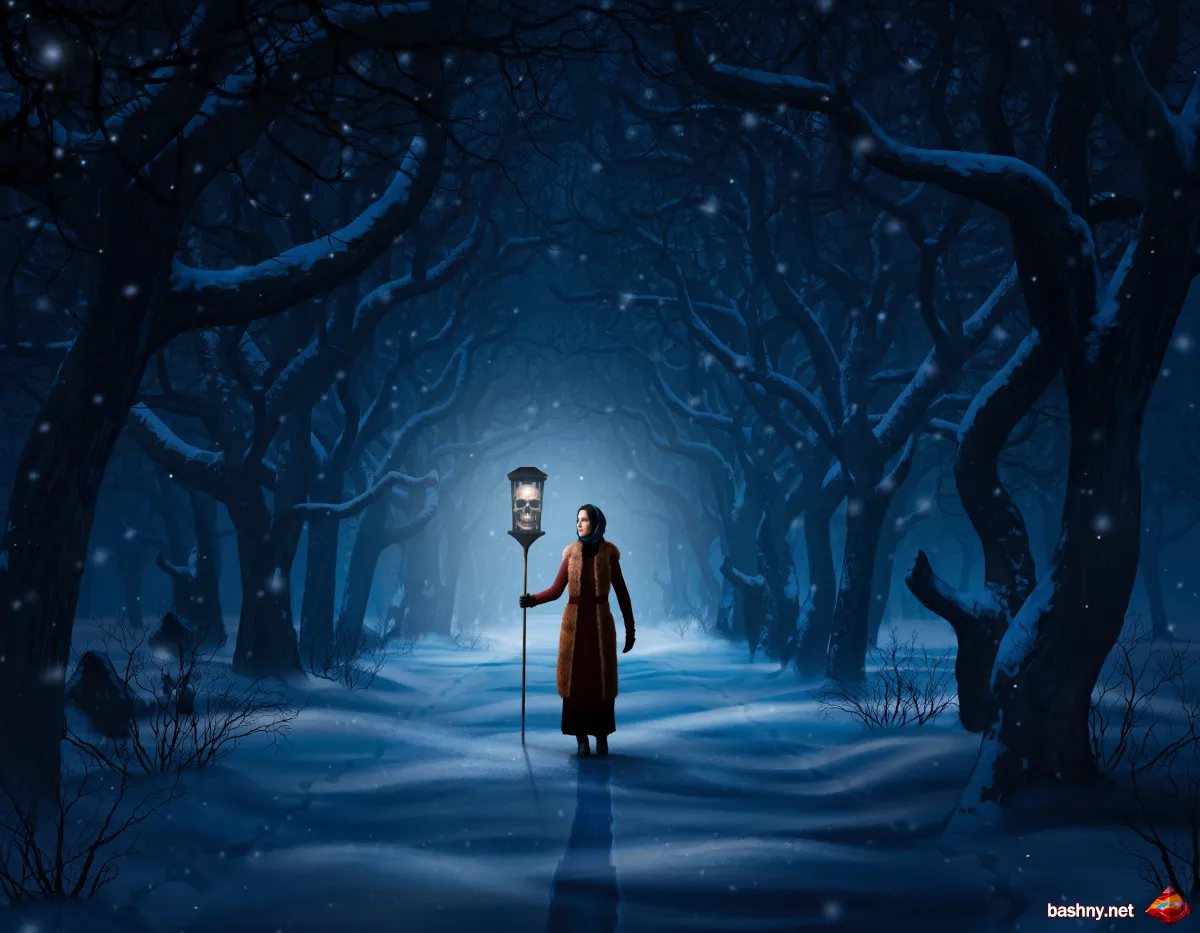
Remember Vasilisa the Beautiful? Not the one in a kokoshnik waving a handkerchief, but the one who went to Baba Yaga for fire. She had a doll in her pocket — a mother's blessing, intuition. Vasilisa teaches us the main female myth: initiation takes place in the witch's kitchen. You need to separate the poppy seeds from the dirt. You need to withstand the gaze of death.
Vasilisa does not fight Yaga. She learns from her. She brings home a skull with burning eyes, which burns her enemies. This is a lesson for all of us: sometimes, to protect yourself, you need to appropriate some witch's power. Being only a "good girl" is deadly dangerous.
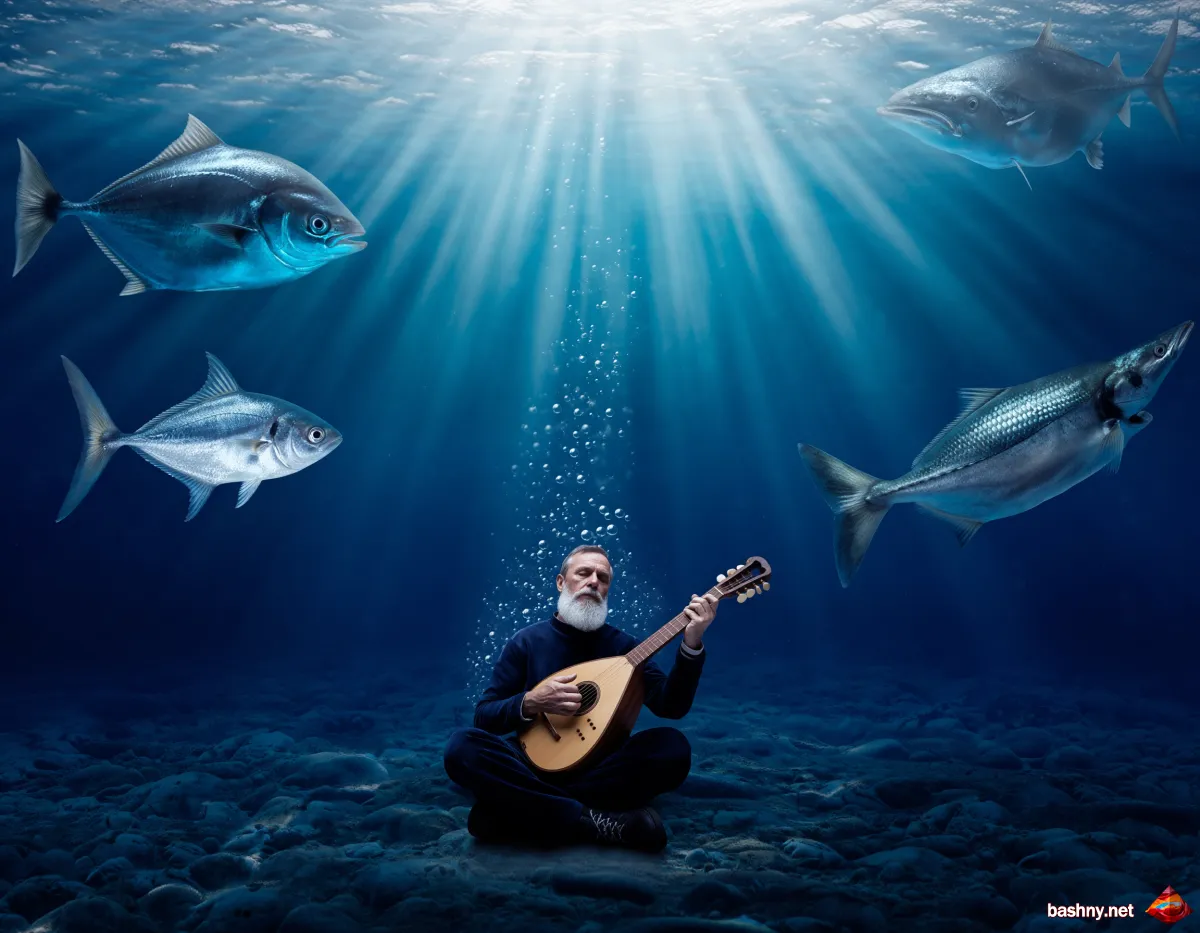
And Sadko? A Novgorod merchant who went down to the bottom to the Sea King. This is not just a fairy tale about a journey. This is a myth about an artist and the unconscious. Sadko plays the gusli so that the sea dances and ships sink. His talent is an element.
His lesson is cruel: you have to pay for talent. You can't just play and be rich without disturbing the depths. And to return home, to his earthly wife, he has to break the strings. Give up divine magic for a simple human life. A difficult choice. Many creators remained at the bottom.
Rage and Revenge: Medea and Gudrun
And finally, the most terrible figures. Women who were betrayed. Medea and Gudrun. We are used to thinking of them as villains. Child killers, avengers. But let's be honest: these are heroines of absolute passion.
Medea helped Jason get the Fleece. She betrayed her father, killed her brother, burned her life for him. And him? He decided to "marry advantageously" to another. Medea is an element of fire that does not forgive betrayal. She destroys everything that connected her with the past, even children. Is this monstrous? Yes. But this is a cry that there are things that cannot be bought or exchanged. Honor and fidelity in her world are worth more than life.
Gudrun from the "Elder Edda" is northern ice. Her husband, Sigurd, was killed by his brothers. She did not cry, did not tear her hair. "She did not cry like other women." She accumulated poison. And then she served her enemies at a feast... let's just say, a dish that is served cold. Very cold.
Both Medea and Gudrun show us the shadow side of the hero. Sometimes the circumstances are such that you can only preserve your dignity through total destruction. They remind us: beware the wrath of a patient man.
What's the bottom line?
All six of these are not perfect. Sadko is boastful, Medea is cruel, Horus is crippled. But they are real. They go through a path that changes their DNA structure.
If you are going through a dark period now, look at them. Do you feel like a beast in a cage? Remember Enkidu. Have you been betrayed? Be silent like Gudrun and gather strength. Are you scared in the dark forest of life? Take the doll out of your pocket, like Vasilisa.
A hero is not someone who doesn't fall. It is someone who understands: falling is just part of the flight. The main thing is to be able to get up afterwards, dust yourself off and move on. Even if you only have scraps of strings or a skull on a stick in your hands.