1061
20 facts about the dangers of plastic
Extreme ease-to-use plastic wraps big problems for the environment.
20 cases and 16 photos for presentation via ridus
There are many useful, it would seem, things that go with the thoughtless use of harm to humans and nature. Ode of them is plastic, which has become an integral part of everyday life and not only. On the one hand, without plastics is impossible to imagine, for example, modern medicine - daily plastic products help to save the lives of humans and animals. On the other hand, the plastic waste is rapidly polluting the planet. This collection contains 20 facts about plastics, which will help to reflect on the appropriateness of such a broad application of this material.
Plastic starts to decompose only after 450 years, and the entire process is completed in another 50-80 years. At the current rate of production of plastic products, plastic-covered Earth even before the first plastic objects begin to decompose.
Discharge of garbage in a landfill waste at Volkhonskoye highway in the Leningrad region.
© Sergey Ermokhin / RIA Novosti
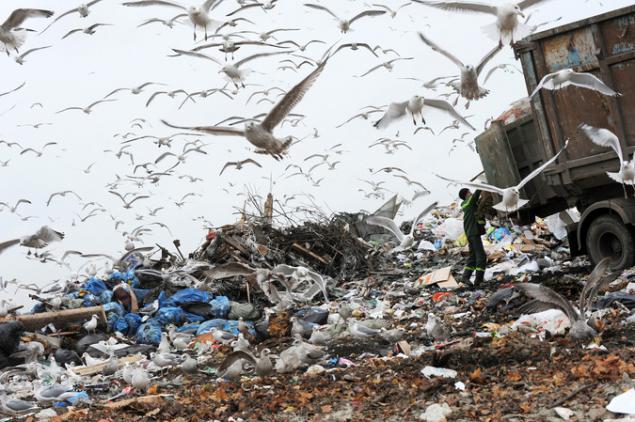
From 1976 to 2006, the consumption of bottled water in the United States per capita has increased from 6 liters to 107 liters.
On the territory of the city of Stavropol city dump.
© Alexander Vikulov / RIA Novosti
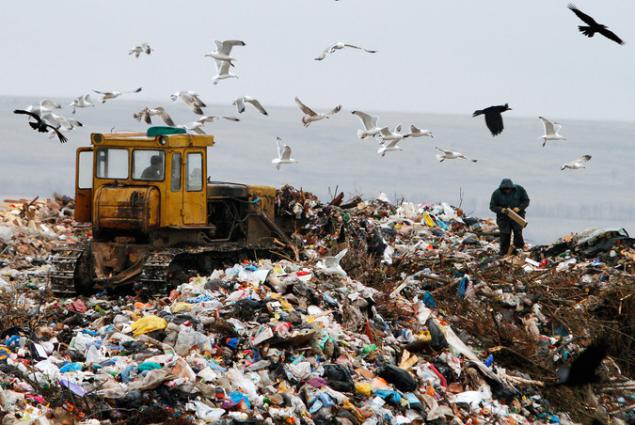
Plastic bottles make up 40% of all plastic waste.
The largest area in Europe range for storage of municipal solid waste "Igumnovsky" in Nizhny Novgorod region.
© Oleg Gold / RIA Novosti
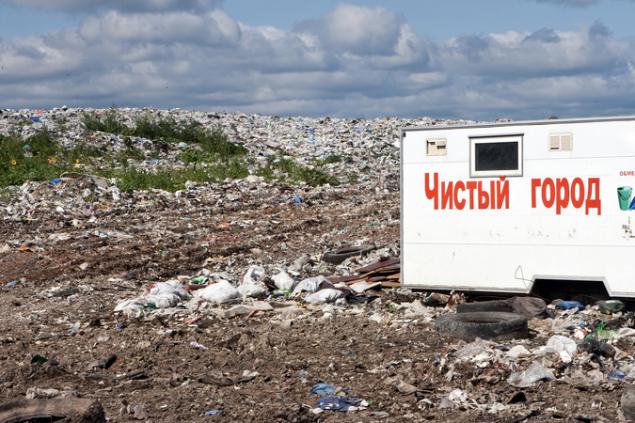
On average, 90% of the cost of bottled water is the cost of plastic bottles.
© Adam Cohn / Flickr (CC BY ND 2.0)
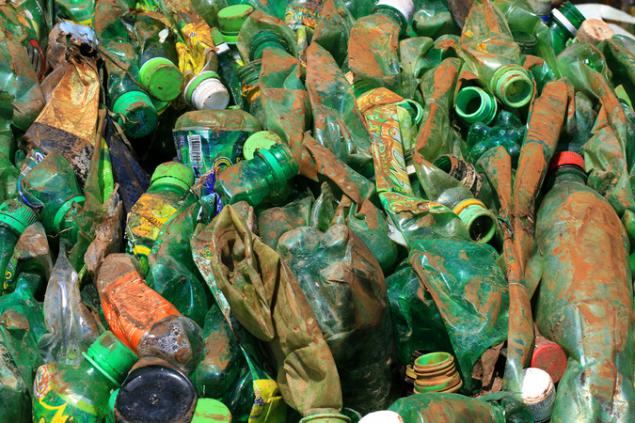
On average, every citizen of a developed country to buy at least 150 plastic water bottles per year, regardless of the alternative.
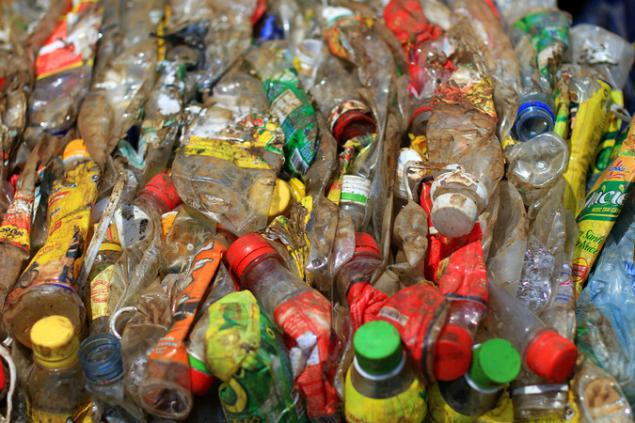
For the production of a billion plastic bottles require 571 barrel of oil.
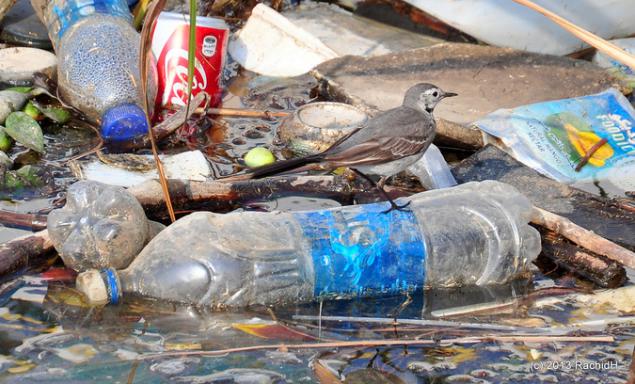
For the production of men's jacket is required just 25 recycled plastic bottles.
© Pieceoplastic / Flickr (CC BY ND 2.0)
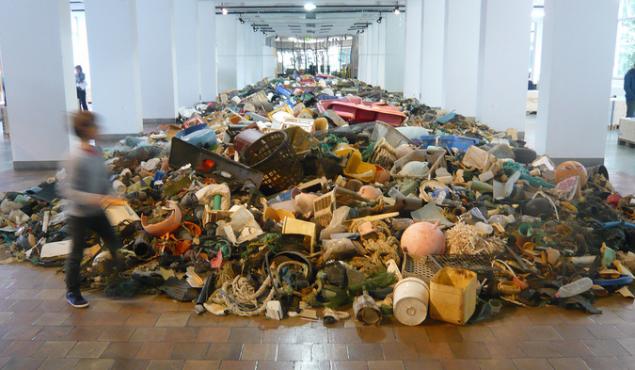
In Europe it processed only 2 5% of the total weight of the plastic.
© Nels Israelson / Flickr (CC BY ND 2.0)
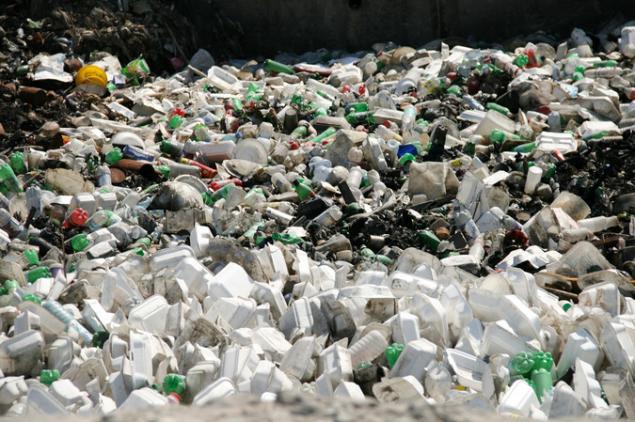
Each year, the ocean gets about 150 tonnes of plastic waste, including packaging, bottles and fishing nets.
© Sarah10002 / Flickr (CC BY ND 2.0)
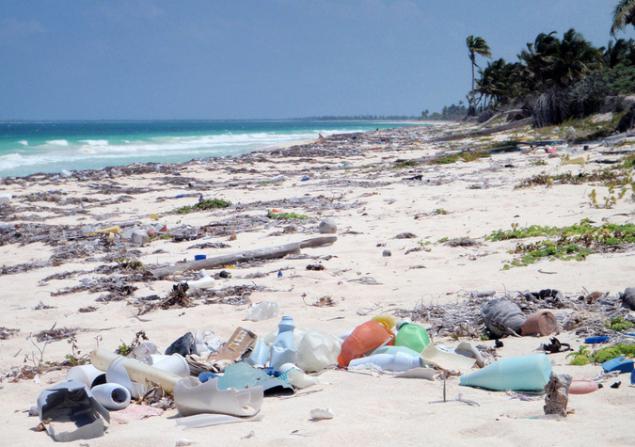
The number of animals dying in the ocean because of the plastic waste in the millions per year.
The oceans produce large garbage patches or islands. Currently, these five spots: two in the Pacific and the Atlantic Ocean and one Indian.
© Patrick Giblin / Flickr (CC BY ND 2.0)
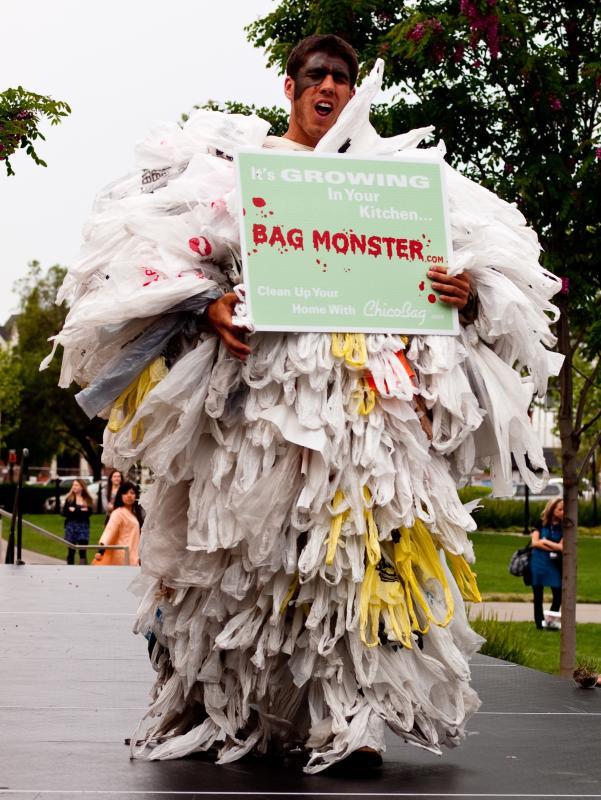
Every year the world produces more than 13 billion plastic bottles.
The greatest activity in the processing of plastic exhibit USA. In the past few years, the volume of recycled plastic has tripled, and this figure continues to grow.
Walter Parenteau / Flickr (CC BY ND 2.0)
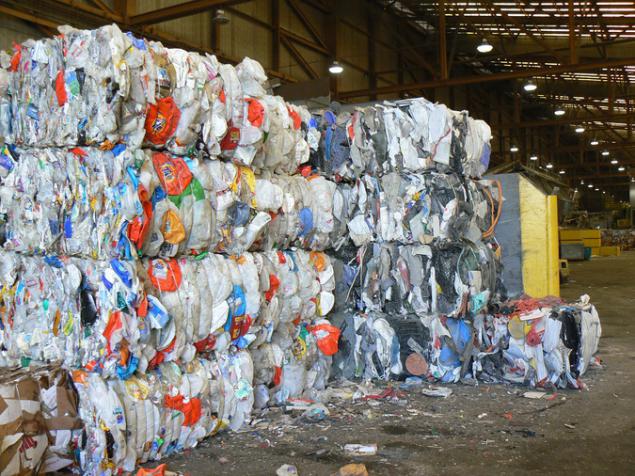
In the United States recycled 27% of plastic consumed in the country, and the highest rate in the world.
Slum dwellers are sitting next to their houses along the canal of sewage in the Madagascan capital Antananarivo.
© Thomas Mukoya / Reuters

Energy from a recycled plastic bottle is enough for 60-watt light bulb could shine 6:00.
Assembler recycled Bagmati River in Kathmandu.
© Navesh Chitrakar / Reuters
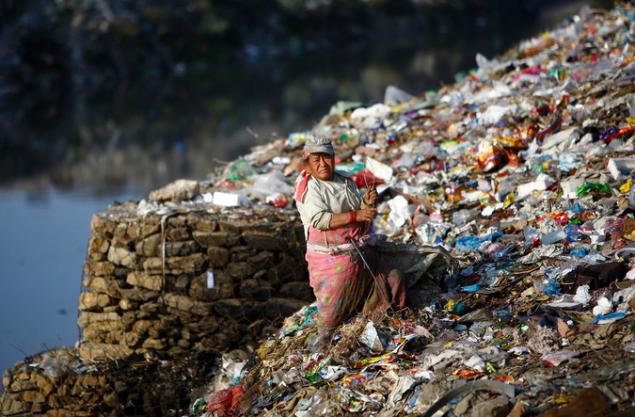
Recycling plastics can save up to 2/3 of the energy needed to produce plastic from raw materials.
© Cesar harada / Flickr (CC BY ND 2.0)

Four of the five bottles in the United States are made of plastic. In other countries, substantially higher.
© John Schneider / Flickr (CC BY ND 2.0)
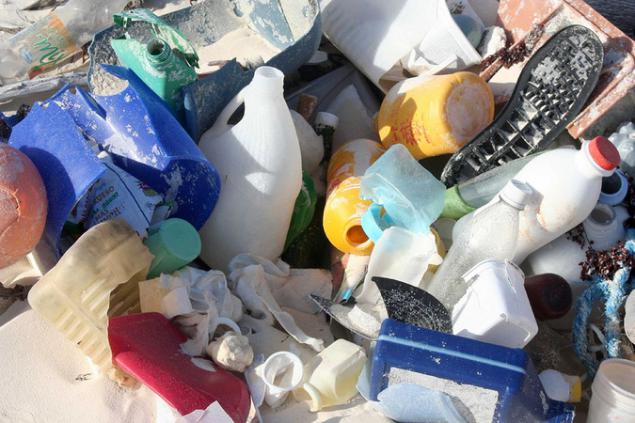
Approximately 90% of recycled plastic bags substantially as garbage bags.
Storage and shipment of water in plastic bottles is the most popular, but the least energy-efficient method in the world.
In some countries the use of plastic bottles is prohibited. In particular, it is Australia, Austria, Bangladesh, Ireland and China, according to Lifeglobe.
© Pulpolux / Flickr (CC BY ND 2.0)
Source: ">