AngioLife: How a vascular center works and why diagnostics are just as important as the procedure here
Vascular diseases are rarely limited to one "visible" symptom. A varicose vein may be just the tip of the iceberg, and swelling may be the result of a lymphatic history or impaired venous outflow. Therefore, the most valuable resource in such topics is clear navigation: what exactly is happening with the vessels and what treatment path is logical.
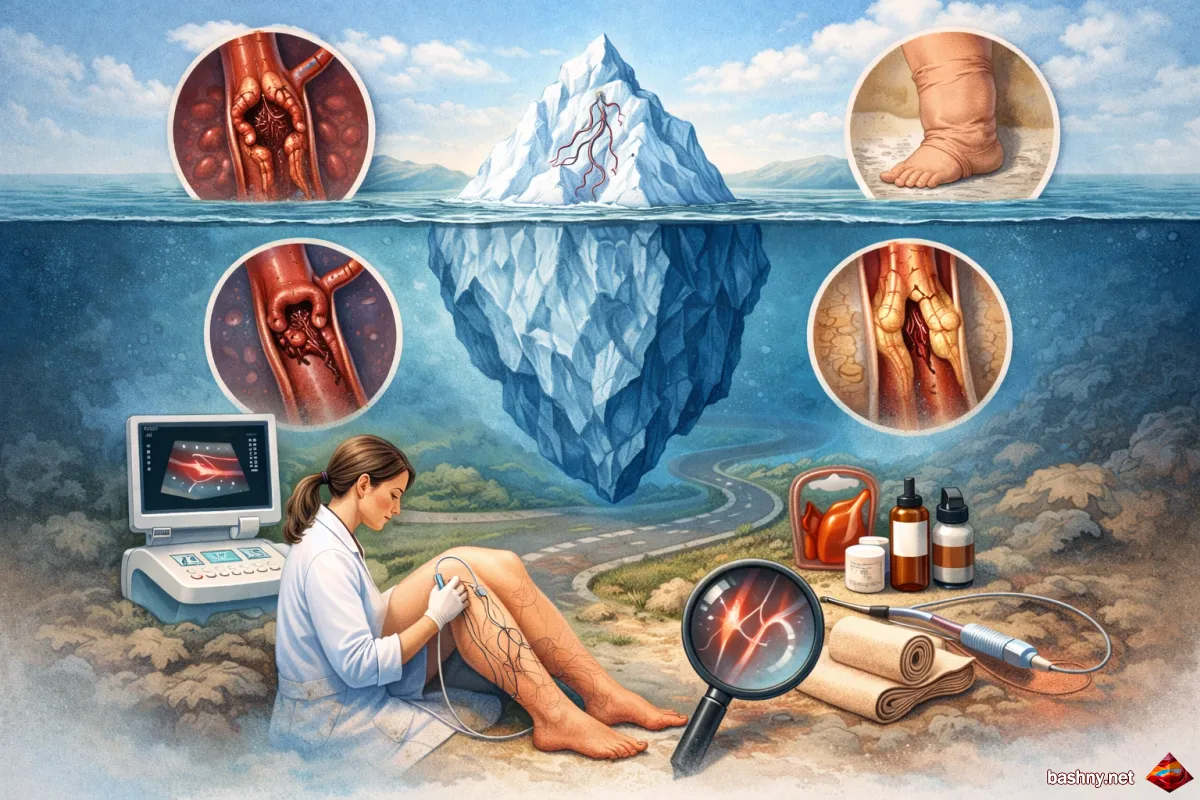
What conditions does modern angiology cover?
Vascular medicine is not only about varicose veins. Thrombosis and thrombophlebitis, lymphedema and lymphedema, as well as arterial problems such as atherosclerosis or endarteritis are also in focus. In real life, these conditions sometimes mask each other, so primary clarification of the diagnosis saves time and money.
An indicative list of topics that vascular centers work with:
- diseases of veins and lymphatic vessels;
- vascular "stars" and venous networks;
- edema in chronic venous insufficiency;
- arterial stenosis, ischemia, impaired blood supply to the extremities;
- vascular conditions after thrombosis.
Diagnostics as a "route map"
The key difference between successful and accidental treatment is whether there is a map. Duplex ultrasound of veins and arteries shows the direction of blood flow, valve function, and areas of overload, and additional methods help to clarify complex cases. When the mechanics are clear, the plan ceases to be a set of guesses.
In modern centers, diagnostics are supplemented by vein imaging technologies: transillumination and "illumination" systems make superficial veins more visible even before puncture. This is useful in situations where accuracy of access is important or it is necessary to assess the vascular pattern without unnecessary skin trauma.
In practice, diagnostics most often includes:
- collection of symptom history and examination;
- ultrasound examination of blood vessels;
- formation of an individual treatment and prevention program;
- if necessary, referral to additional imaging methods.
Treatment: from minimally invasive procedures to decongestant programs
Modern methods strive to minimize trauma and maintain everyday rhythm. Endovenous technologies (laser and radiofrequency methods) and sclerotherapy are used for varicose veins according to indications; for lymphedema - comprehensive decongestant programs that combine compression, drainage approaches and skin care. For arterial problems, control of risk factors and restoration of blood supply are important, if indicated.
A short preparatory list before the consultation helps to make the start more accurate:
- recorded triggers: heat, road, static standing or sitting;
- dynamics: easier in the morning or harder in the evening;
- list of medications, if therapy is already ongoing;
- results of previous examinations, if any;
- questions that need to be answered so as not to lose them in the office.
The final meaning is simple: when the diagnosis is clarified, the treatment becomes predictable, and the recommendations are practical. This is how https://www.angiolife.com.ua/ looks not like a "visit for a procedure", but as a place where a holistic strategy for blood vessels is collected.