1065
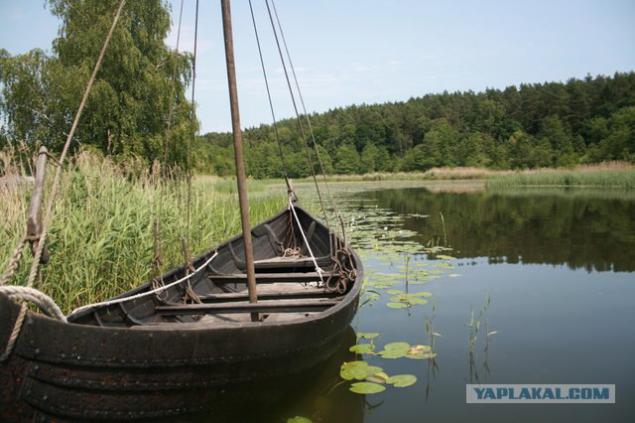
Reconstruction of ancient Slavic boat
38 photos from here.
In 1967, in the village of Ralswiek on the legendary island of Ruegen it has made a very significant discovery. At roadworks, excavator bucket delivered from the land of several interconnected wooden dowels oak boards. Builder carried her his find was working nearby and those archaeologists soon started the excavations, during which it was discovered four ancient Slavic ship and the whole trade settlement. The settlement existed there since the VIII century and was in the Middle Ages one of the most important ports in the Baltic Sea. It is assumed that it is here in the bay protected from storms, and not unsuitable for this rocky, with numerous shoals, the seashore, and a fleet of Ruyan. Ralswiek was destroyed by the enemy, probably Danish attacks. This is evidenced by traces of fire and treasure in the 2203 Arab Dhs; it is assumed that the rooks were hastily buried Ruyan, in order to avoid the destruction of their enemies.
History of the excavation was not easy.
Excavated in the late 60's ships had to be buried back into the ground, because they were not allocated for conservation. The second time they dug up in 1980, for display at an international conference. And this time, do not come up with anything better than to bury again the most valuable finds. It is not known how many lasted more these strange manipulation, had it not been the unification of Germany. In the new state found the money for an adequate attitude towards historical values in 1993 and dug up the rook for the third time, with subsequent preservation, and after a while some time created a working group for the reconstruction of the most well-preserved ship. According to the calculations of archaeologists, this boat was built around 977 of the tree that grew on Rügen or Pomerania; the use of wooden dowels proves that the builders were Slavs (Scandinavians used metal nails).
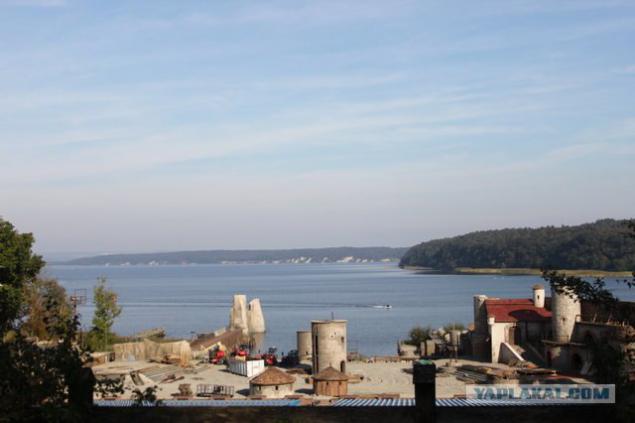
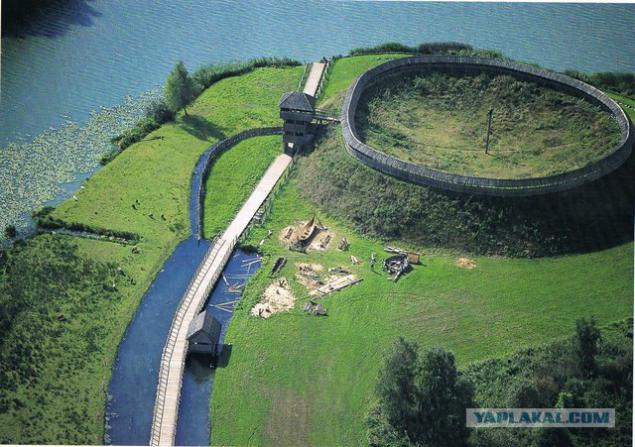
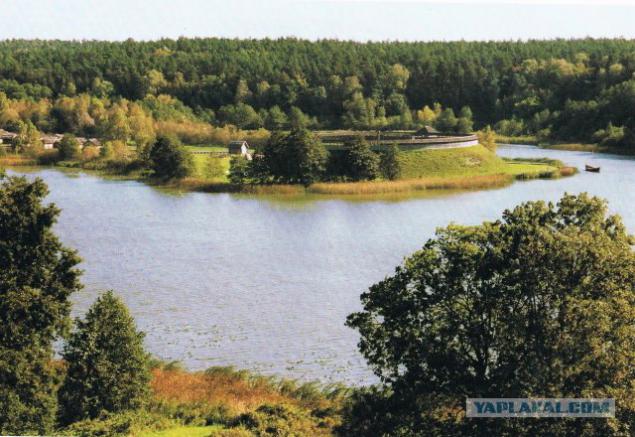
So now looks bay Ralswiek. When there was a powerful fleet Ruyan, and now - the scenery for the annual performances telling about the famous pirate Klaus Störtebeker.
In 1999, the archaeological community of Mecklenburg was released a small but smartly illustrated booklet about the history of the reconstruction. Renovated two identical boat was one
of which can now be seen in Gross Raden. Further pictures book mentioned above.
Did not find dug. Ralswiek, 1993.
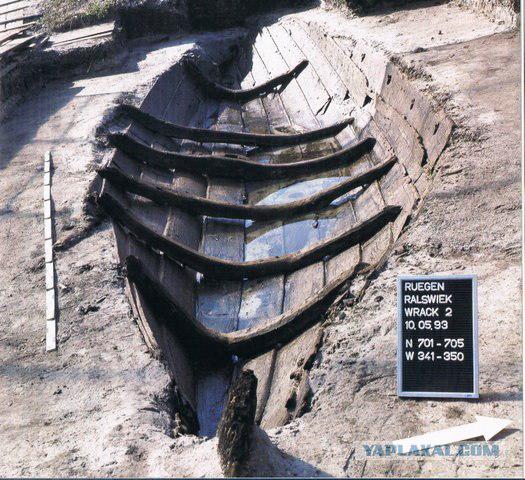
Driving excavated parts.
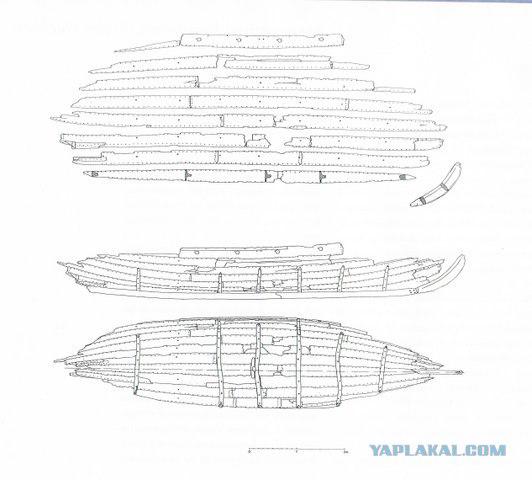
Enactors have started to work. First of cardboard were cut and made up a small copy of the excavated parts.
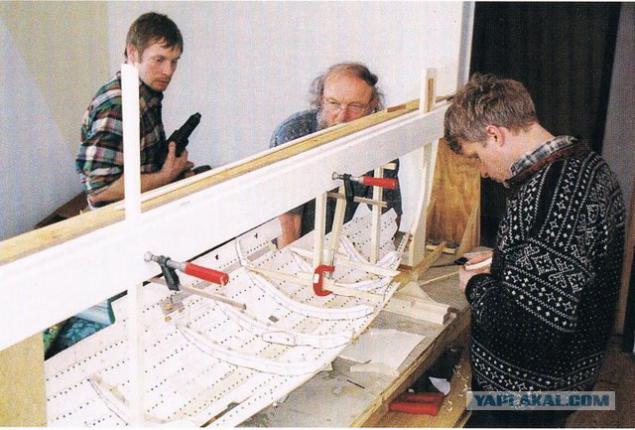
Then the drawing is made for reconstruction.
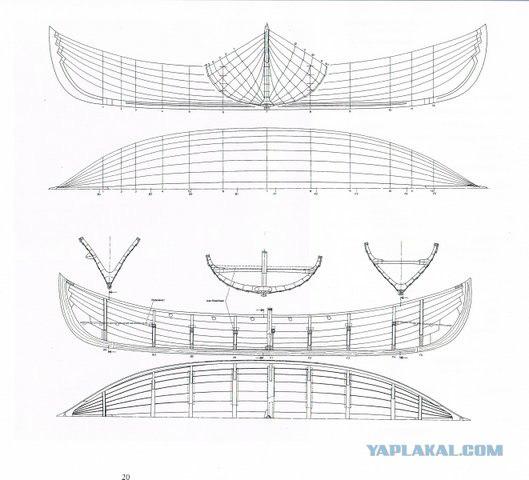
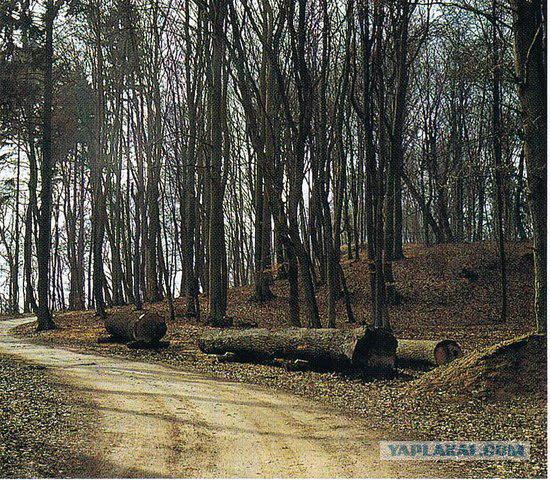
Material for the rook - oak was taken to Gross Raden.
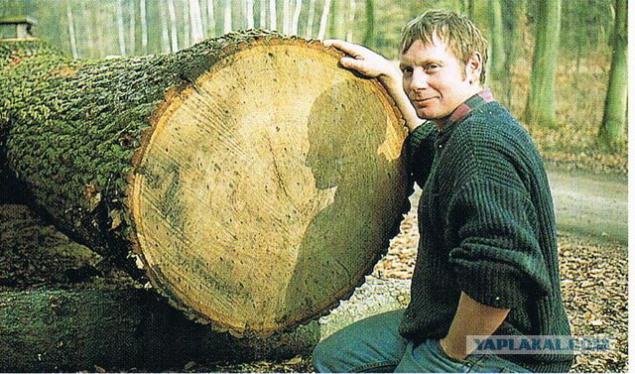
To assist in the reconstruction of a Danish specialist was invited Hanus Jensen, has had experience in the reconstruction of Viking ship Gedesbi.
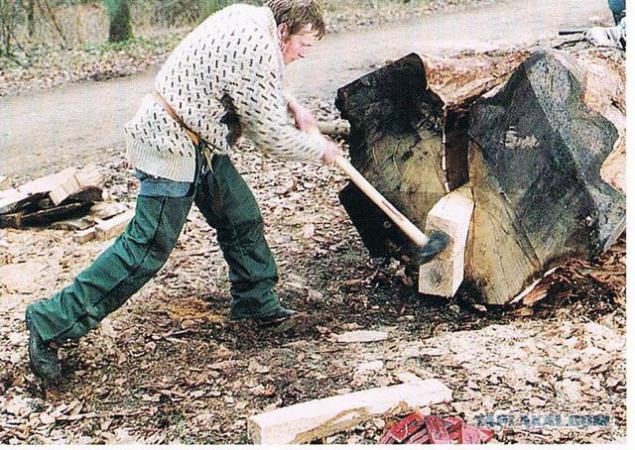
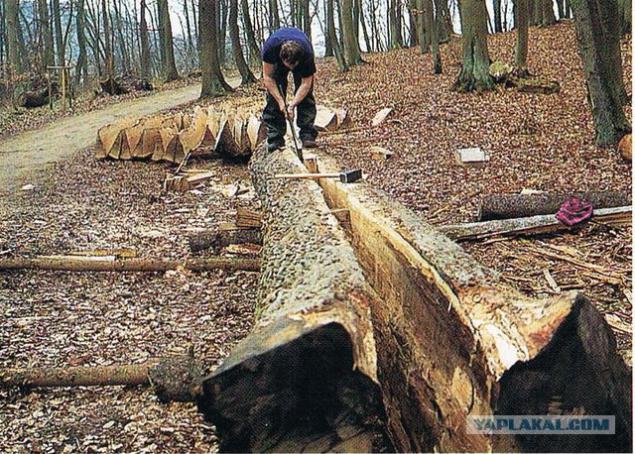
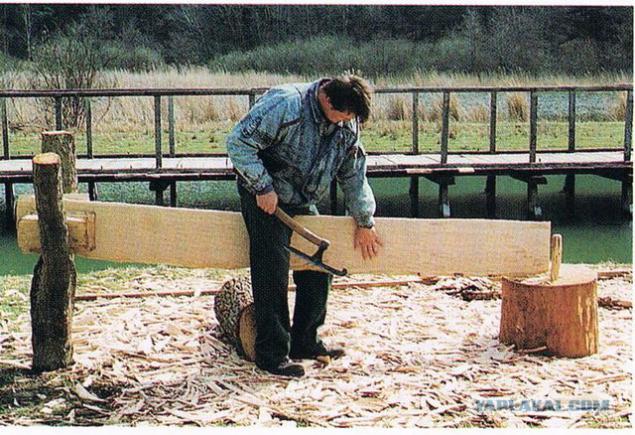
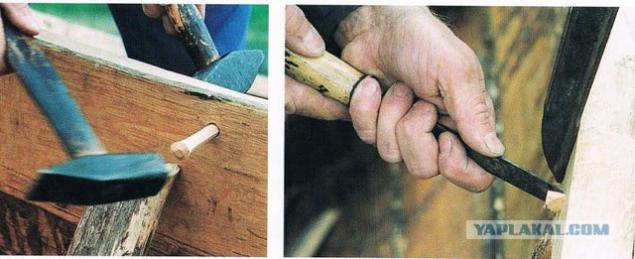
In a post on the topic was touched Lyubinke izgovotleniya boards in the Middle Ages. The photo can be perfectly traced the laborious process. The reconstruction was done very authentically, on technologies of that time, using the old analog instruments.
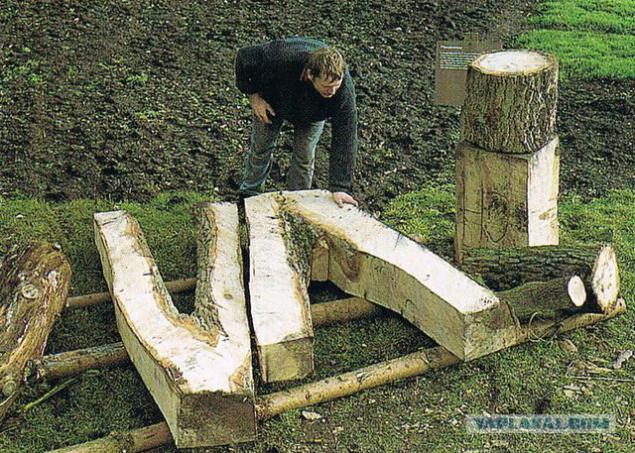
The first thing you need to wedge to split the trunk in half.
...
...
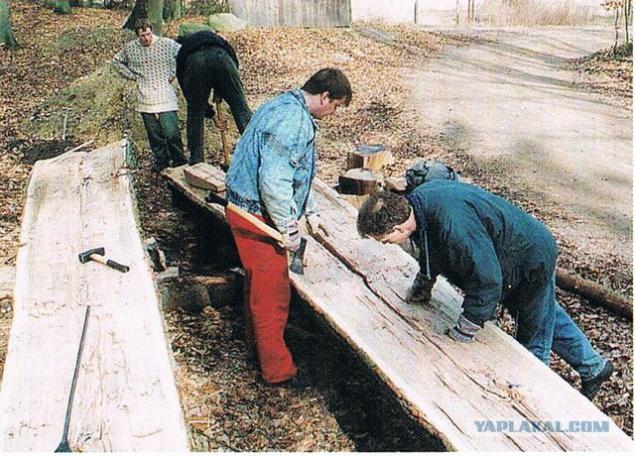
Tools Applied on for this.
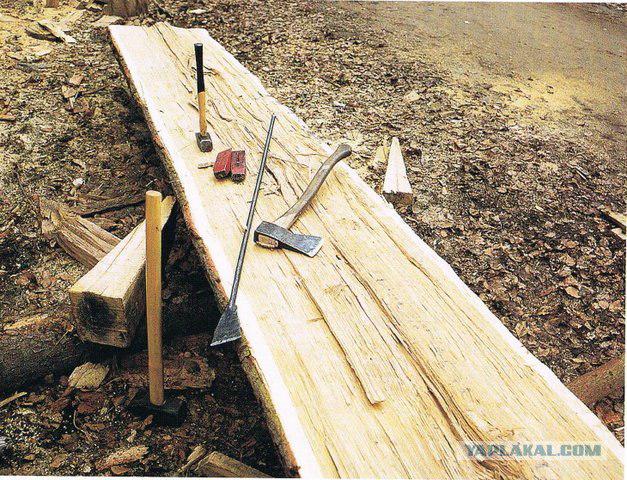
Then split each half of the trunk on the "slices."
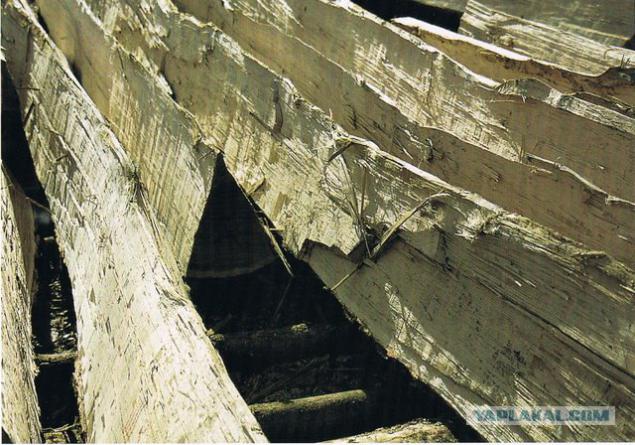
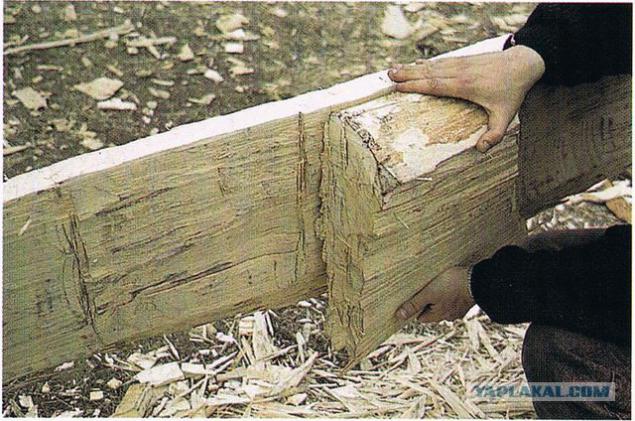
And then ax planed to the desired thickness. In the photo for comparison: the original "slice" and ready to board.
...
...
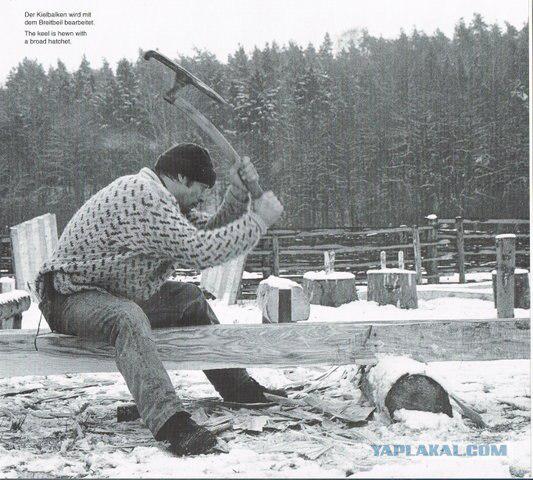
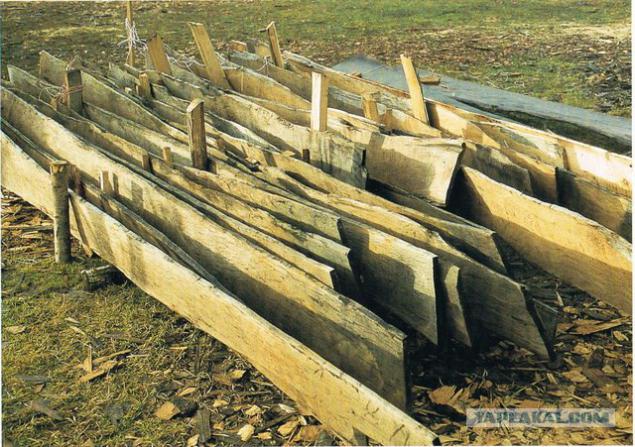
Lumber - blanks for the rook. Only 3 of the barrel. It is hard to even imagine how much work should therefore handle 11,580 cubic meters of wood for the fortress.
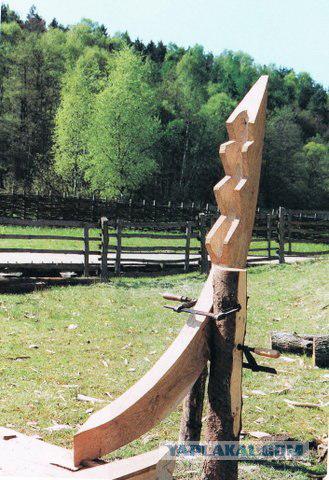
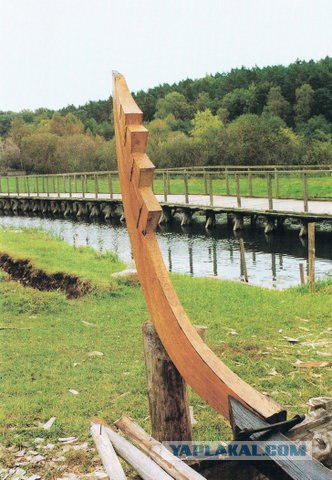
Preparations for the riser - shtevenya.
Finished boards soaked in water.

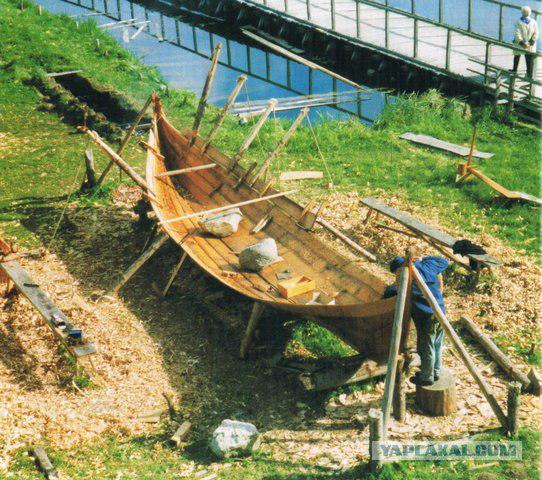
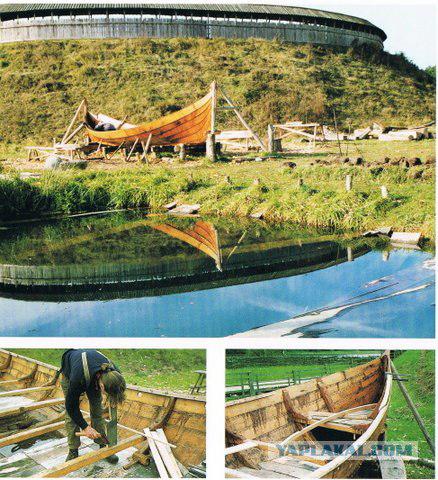
Work on the reconstruction of the boat took place right at the fortress Gross Raden.
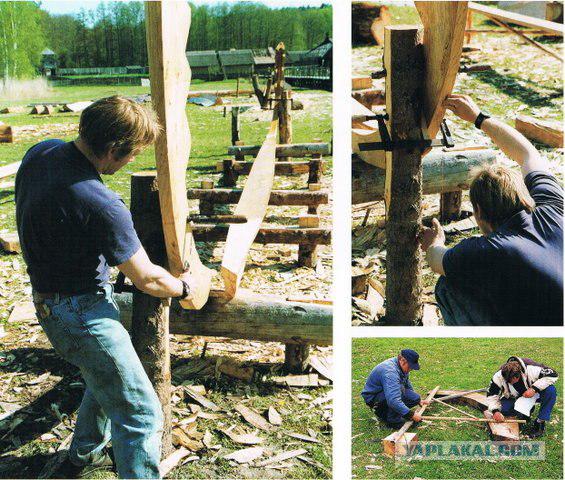
Processing riser.
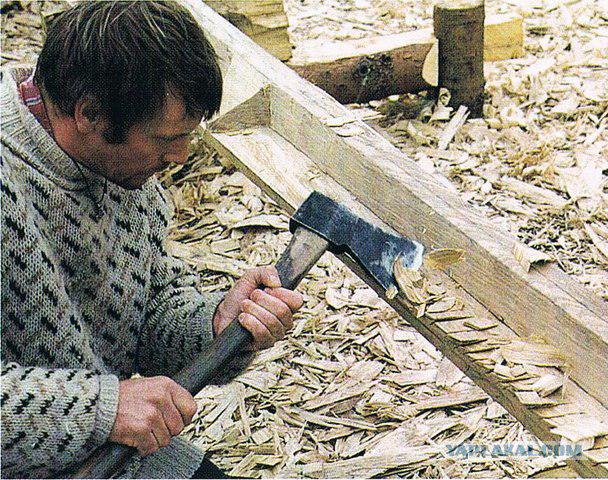
Toolkit reenactors.

2 options risers (was renovated two rooks)
...
...
To give the boards a curved shape of heated over the coals, dampening water.
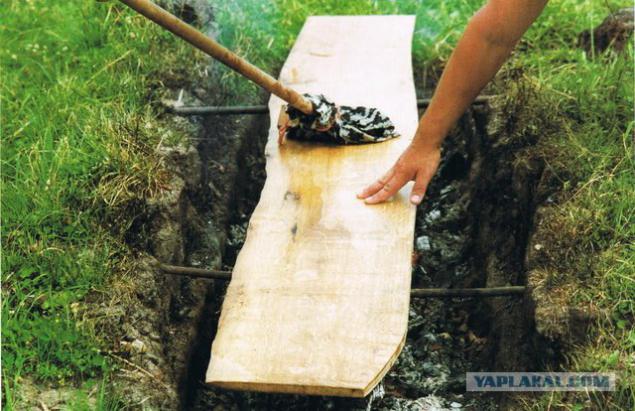
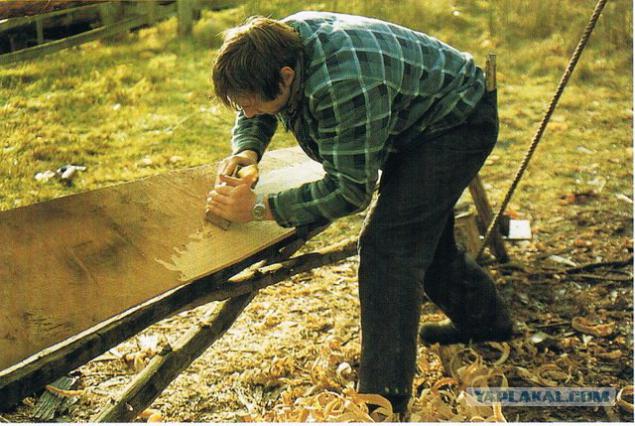
Then hewn plane.
For a better water tightness between boards zakonopachena was soaked in the resin mixture of sheep and dog hair with human hair.
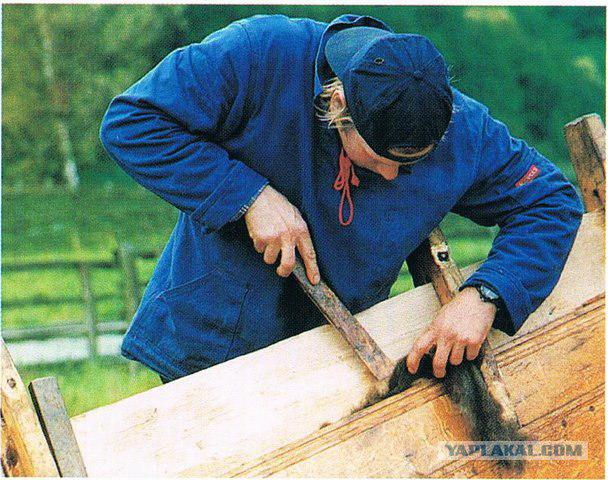
After that, the resin coated boards themselves.
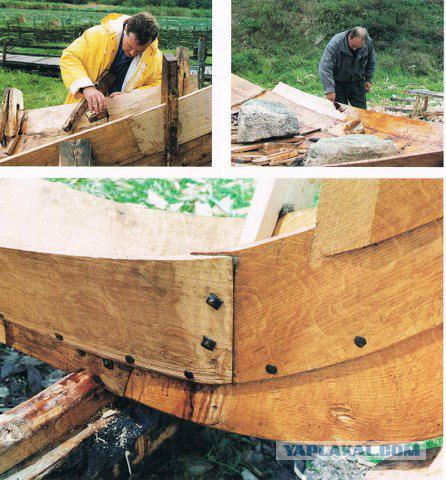
Production of wooden dowels.
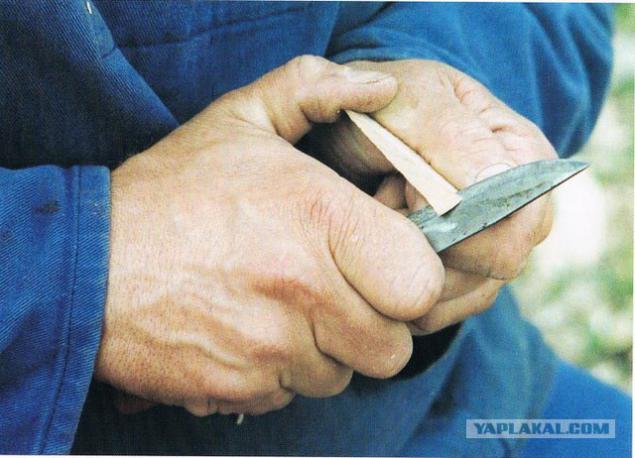
...
Rook in the reconstruction process.
...
1.Prazdnichnoe boat moving down to the water in Gross Raden. The ship named «BIALY KON» (Bialy horse), I think it is clear after what))
2.Yakor.
3. Transfer-stone ballast re-enactors from Roskilde Viking boat.
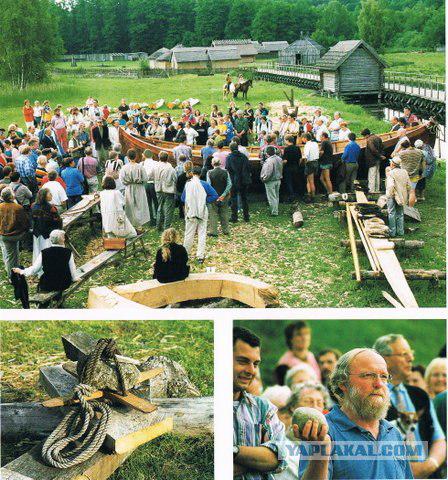
On one of the renovations was to make a trip on the widely held among the medieval route from Ralswiek on Rügen in Wolin, with stops in former centers of trade.

...
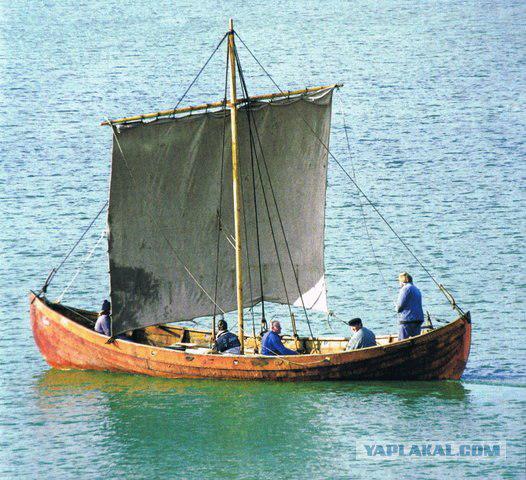
On Wolin-Vinetu!
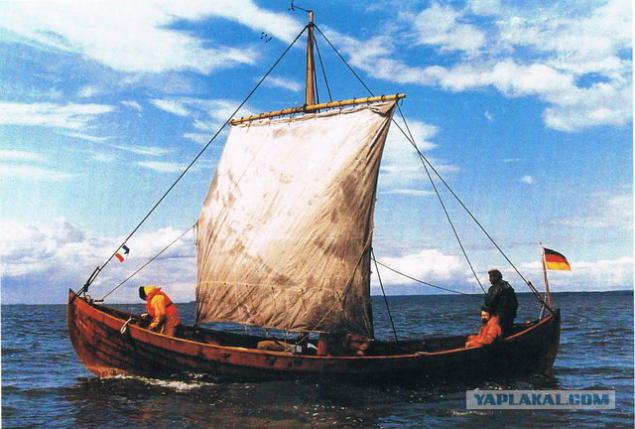
Other boat and is now in Gross Raden.
That's all.
Source: ">