2145
10 immortal artifacts of Soviet design
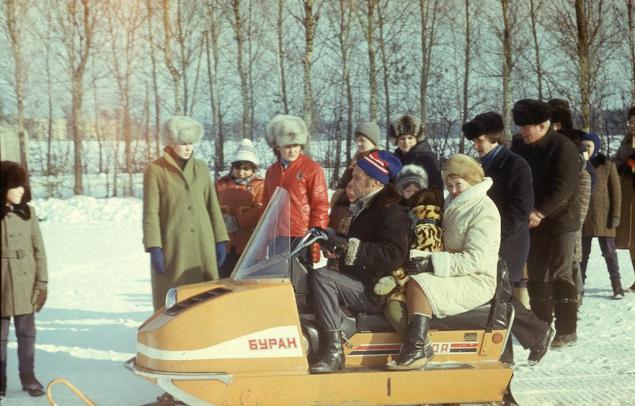
Snowmobile "Buran". The most common and long-lived model snowmobile in our country. Snowmobiles "Buran" stood the test on the slopes of Mount Elbrus, the Pamirs, in the frozen deserts of Antarctica, at three drifting stations "North Pole." The name "Buran" was the Russian North household name. The "Buran" for a long time there was no competition that has stood them a disservice. The car remained severe, permeability and stability were far from ideal. "Buran" released today, remaining at the same level as that of thirty years ago - the engine with liquid cooling, suspension with hydraulic shock absorbers and frame - duralumin.
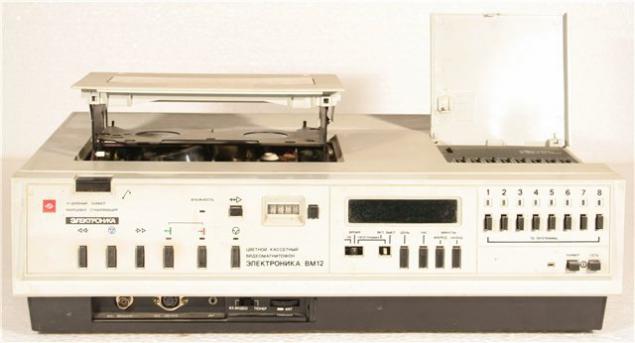
Electronics VM-12 - the first Soviet consumer VCR format VHS. His prototype - VCR in Japan «Panasonic NV-2000". VCR has a vertical load tapes, eight-channel tuner with SVP potentiometers, digital clock with timer (4 program, 14 days), a mechanical flow meter tape. Worth the VCR very expensive - 1200 rubles, and to buy it, it was necessary for a long time to stand in line. It should be noted that the cost of the VCR was higher than its retail price, and production was financed by the state, being unprofitable.
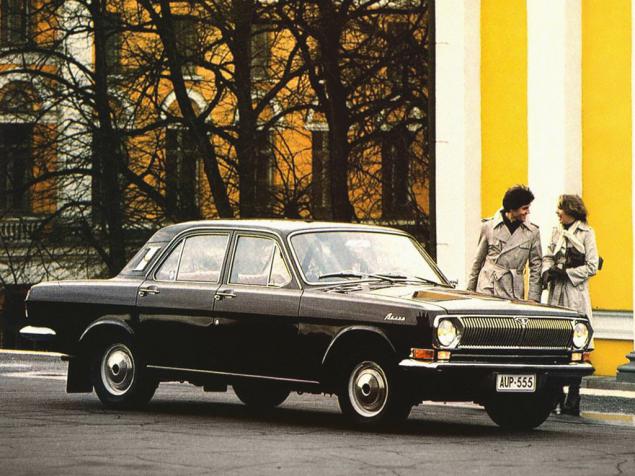
GAZ-24 "Volga". Soviet car of the middle class, serially produced together with its modification GAZ-24-10 at the Gorky Automobile Plant from 1968 to 1994. Design of the car was pretty standard for abroad sixties and seventies. For general proportions and contours of the body car was closer to American models, but detailing - bumpers, lighting fixtures - was more European. Developed in parallel with the "Volga" generation models of the European market were produced with minimal changes until the mid-1970s, and the North American - until the end of the decade, so until that time "Volga" looked quite appropriate in the flow of vehicles in developed countries.
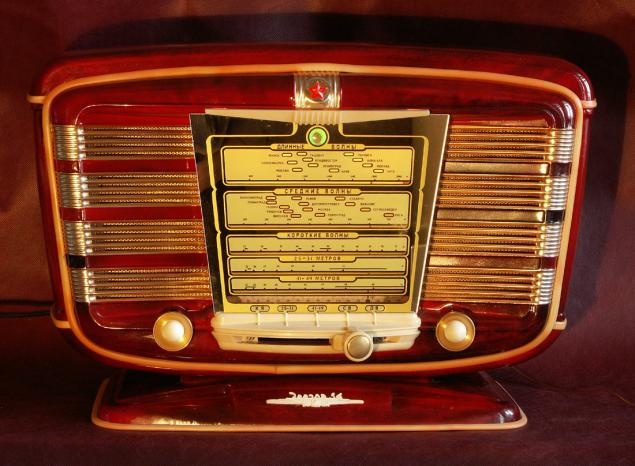
Radio "Star-54." Table radio "Star-54" manufactured Kharkov factory "Kommunar" and the Moscow factory "Mospribor" since 1954. Total production time for manufacturers was issued 674,000 receivers "Zvezda-54." B radio end of 1954 was somewhat modernized: its redesigned chassis on the vertical, steel body painted in two colors - red or green. The face of the radio has become a reference for the entire school of Soviet design, and preserved specimens today represent great value for collectors.
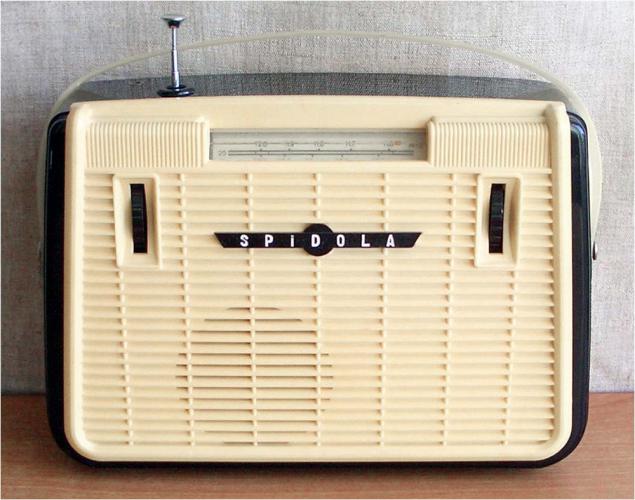
Radio "WEF Spidola." Radio "WEF Spidola" produced for twenty years in four generations. The name comes from the name of the witch Spīdola epic poem "Lachplesis." In 1968, the creators of "Spīdola" was awarded the State Prize of the USSR.
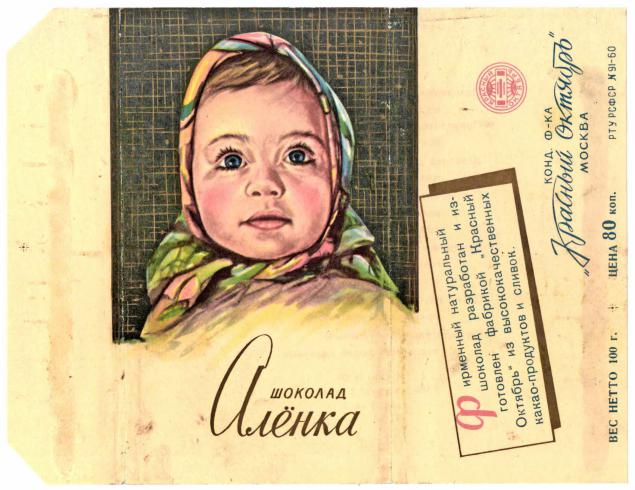
Chocolate "Alenka". In 1960, photographer Alexander Gerinas photographed his eight-month daughter Lena. Picture brown-eyed girl in a bright kerchief first appeared in the magazine "Soviet photo", and then decorated the first issue of "Health" for 1962. Painted copy of the image appeared on the chocolate bar "Alena" only 4 years later. In 1964, the Soviet confectioners at the Moscow factory "Red October" chocolate recipe was developed with a distinctive creamy taste.
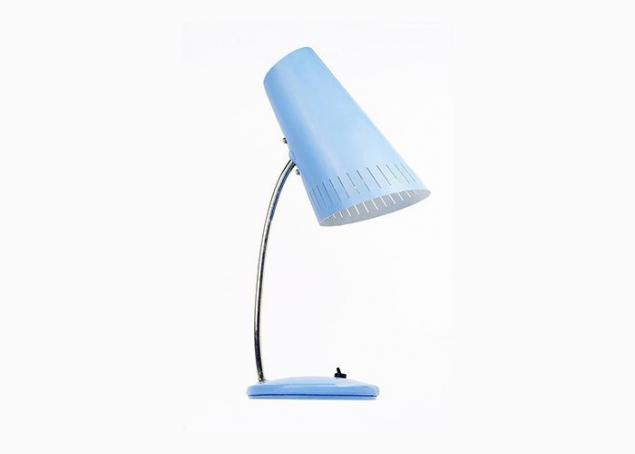
"Table lamp". In the 1970s, architect Michael Olenev Ergonomic and elegant lamp that austere was named "Table lamp».
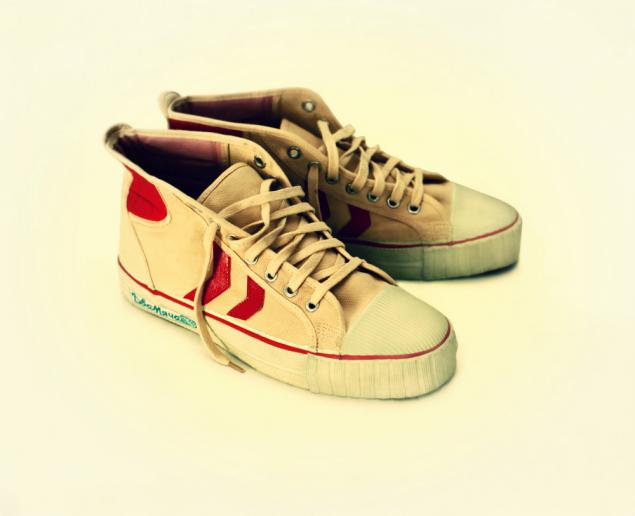
Kedy "Two goals." Shoes are widely used in the Soviet Union after the Sixth World Festival of Youth and Students, held in the USSR in 1957. Gym shoes and boring all sandals were forgotten, and by the mid-1960s, the vast majority of sneakers was of Soviet youth. At the same time appeared the first number of GOST 9155 "Sport footwear Rubber and rubber».
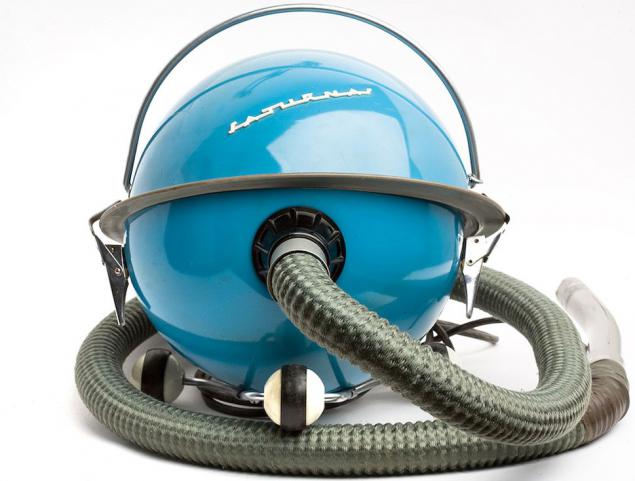
Vacuums "Saturn-2." Engineering marvel of Soviet times - the vacuum cleaner "Saturn-2." It not only sucks, but blew air. Therefore became the working tools of painters - it was enough to put on the gun tube, as it turns out it is working compressor for painting surfaces.
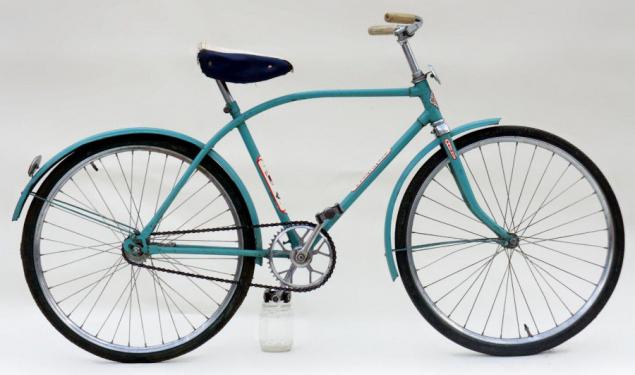
Bike B-72 "Eaglet". Soviet mass cult two-wheeled tselnoramny teenage bike, designed for children aged 7-14 years. Appeared in the early 1950s in Minsk. In 1950 MMVZ mastered the production and teen models "Eaglet" and "Swallow". "Eaglet" was a transitional type of two-wheeled bicycle for children of primary school age "breeze" to road bikes for adults.